 how-to
Will Grass Grow After Forestry Mulching?
Table of Contents
- Will Grass Grow After Forestry Mulching?
- Why Grass Doesn't Establish Immediately in Fresh Mulch
- What to Do After Forestry Mulching to Prepare for Seeding
- Seeding After Forestry Mulching: Timing and Method
- Choosing the Right Grass Seed After Mulching
- Forestry Mulch Breakdown Time and Vegetation Establishment
- Managing Weeds and Invasive Regrowth After Clearing
- Realistic Timelines and Success Indicators
- Frequently Asked Questions
Last Updated: October 6, 2026
Will Grass Grow After Forestry Mulching?
Yes, grass will grow after forestry mulching, but the answer to 'Will grass grow after forestry mulching?' requires understanding timing and preparation. The fresh mulch layer created during the process actually prevents seed germination initially. However, with the right timing, site preparation, and seed selection, you can establish healthy grass and vegetation on your cleared land. Understanding what happens to your soil after mulching is key to making your land work for you.
The question of whether grass will grow after forestry mulching is one we hear often from landowners preparing property for new uses. The answer involves understanding how mulch affects your soil, seed, and growing conditions in the months following clearing.
Why Grass Doesn't Establish Immediately in Fresh Mulch
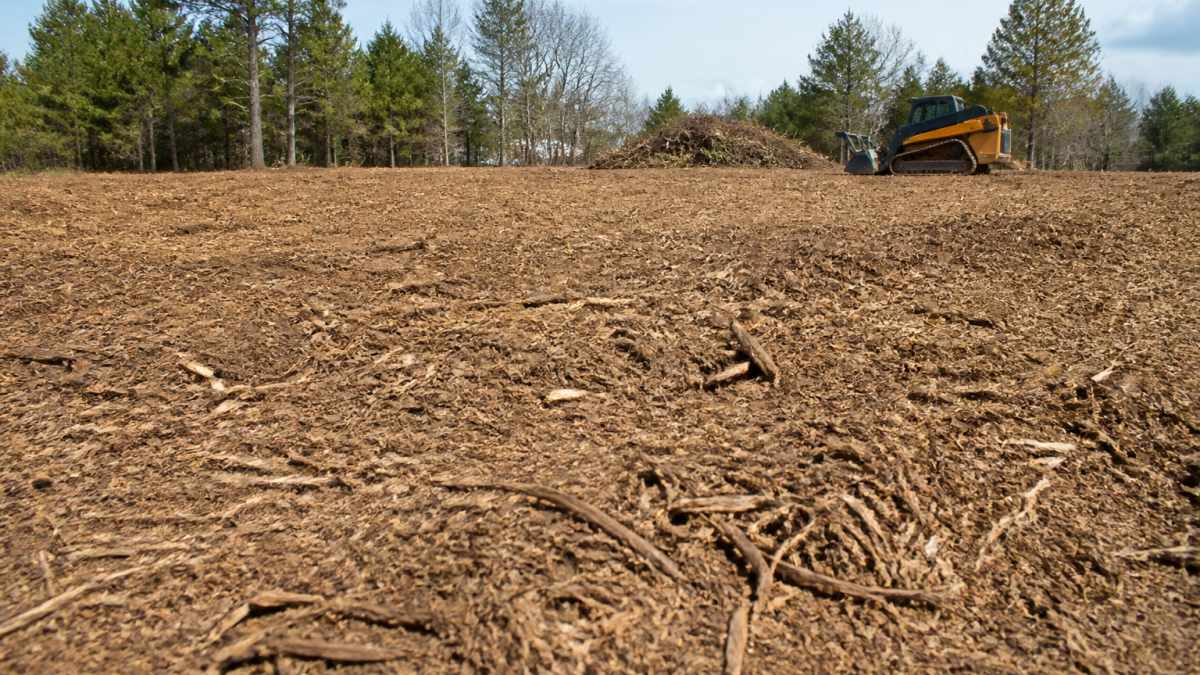
Fresh forestry mulch creates a barrier that blocks seeds from reaching soil contact. When wood chips and ground vegetation sit on top of your cleared land, grass seed cannot germinate properly.
Seed-to-soil contact is essential for germination. Without direct contact, seeds won't germinate no matter how much you water or wait. The mulch also contains compounds that can inhibit seedling growth temporarily as decomposition begins.
Additionally, the organic matter in fresh mulch ties up available nitrogen as it begins breaking down. Young grass seedlings need accessible nitrogen to establish strong root systems. Until the mulch decomposes further, your soil nitrogen becomes temporarily unavailable.
Most property owners make the mistake of seeding too soon after mulching. They see cleared ground and assume it's ready for seed. In reality, you need to wait for the right conditions and prepare the seedbed properly.
What to Do After Forestry Mulching to Prepare for Seeding
Proper site preparation is the difference between successful grass establishment and wasted seed and effort. The steps you take immediately after mulching determine your results months later.
Step 1: Assess Your Soil Condition
Before any seeding, test your soil. Soil testing tells you what nutrients are present and what pH your soil has.
Your local extension office can guide soil testing. Results typically come back in 7-10 days and include specific recommendations for lime or fertilizer based on your intended use.
Step 2: Grade and Level the Mulch
You don't need to remove all mulch. Instead, grade it to create a seedbed.
Grading accomplishes several things at once:
- Breaks up the mulch layer so it's not compacted
- Creates better water infiltration
- Exposes more soil for seed contact
- Removes high spots that dry out quickly
Step 3: Add Amendments Based on Soil Test
If your soil test shows pH below 6.0, add lime. If nitrogen is low, add a starter fertilizer. Apply these amendments evenly across your property.
Wait 2-3 weeks after lime application before seeding. Lime needs time to work into the soil and adjust pH.
Step 4: Plan Your Seeding Timeline
Timing matters more than most people realize. Cool-season grasses need to be seeded in fall or early spring. Warm-season grasses need late spring or early summer.
Seeding After Forestry Mulching: Timing and Method
The timing of your seeding depends on what type of grass you're planting and your local growing season. In East Texas, you have two main windows: fall for cool-season species and late spring for warm-season varieties.
Fall Seeding (September through November)
Fall seeding works well for cool-season grasses and clover mixes. Soil is still warm enough for germination, but air temperatures are cooling. This gives seedlings time to establish before winter dormancy.
Seed in early fall if possible. This gives 8-10 weeks of growth before frost. Seeds that germinate in late October or November may not establish enough root system before winter.
Spring Seeding (March through May)
Spring seeding works for both cool-season and warm-season grasses, though timing is critical. Seed too early and late frost can kill emerging seedlings. Seed too late and summer heat arrives before plants are established.
For warm-season grasses, wait until soil temperatures reach 60°F consistently. This typically occurs in late April or May in East Texas.
Seeding Methods After Mulching
You have several options for getting seed into prepared ground:
- Broadcast seeding: Spread seed by hand or with a spreader. Works for small areas and light seeding rates. Requires good seed-to-soil contact afterward.
- Drill seeding: Uses a mechanical seeder to place seed at consistent depth. Best for larger acreage and higher seeding rates. Provides excellent soil contact.
- Hydroseeding: Sprays seed, mulch, and tackifier in one application. Useful for slopes and erosion-prone areas. More expensive but ensures coverage.
For most residential and small farm applications, broadcast seeding followed by light raking or dragging provides good results at reasonable cost. The key is ensuring seed touches soil.
Choosing the Right Grass Seed After Mulching
Your seed choice depends on your intended land use and local climate. Different grasses serve different purposes.
Cool-Season Grasses
Tall fescue, perennial ryegrass, and Kentucky bluegrass thrive in East Texas. These grasses are hardy and establish relatively quickly.
Tall fescue is the most common choice for pasture in this region. It's drought-tolerant once established and produces good forage for livestock.
Warm-Season Grasses
Bermuda grass and zoysia grass are warm-season options. Bermuda establishes faster and handles heat better. It requires more management and regular mowing.
Bermuda seed rates run 8-10 pounds per acre. Zoysia is often established from sod or plugs rather than seed because seed germination is slow and unreliable.
Native Grass Mixes
For wildlife habitat or erosion control, native grass mixes containing bluestem, switchgrass, and indiangrass work well.
Clover and Legume Additions
Adding white or red clover to grass seed mixes improves forage quality and adds nitrogen to soil naturally.
Forestry Mulch Breakdown Time and Vegetation Establishment
Understanding how long mulch takes to break down helps you plan realistic establishment timelines. Fresh forestry mulch doesn't disappear overnight.
Mulch Decomposition Timeline
In the first 6 months after mulching, the wood chips begin breaking down. Surface mulch decomposes faster than buried material. Moisture and temperature affect decomposition speed.
By month 9-12, the mulch layer has settled and decomposed noticeably. You can see soil becoming visible in places.
Vegetation Establishment After Mulching
Grass typically germinates within 7-14 days of seeding if conditions are right. Seedlings emerge and grow slowly for the first 3-4 weeks.
Full establishment takes 3-4 months for cool-season grasses and 4-6 months for warm-season varieties.
First-Year Success Indicators
After 60-90 days, healthy seedlings should be visible across your seeded area. Coverage should be at least 50-70% by the end of the first growing season.
Mowing encourages tillering and thicker growth. Start mowing when grass reaches 3-4 inches tall. This stimulates more shoots and denser coverage.
Managing Weeds and Invasive Regrowth After Clearing
One of the biggest concerns after forestry mulching is whether weeds and brush will come back quickly. The answer is nuanced.
Why Weeds Return
Buried seeds in the soil remain viable for years. When you clear vegetation and expose soil, you're also exposing dormant weed seeds to light and moisture. These seeds germinate naturally.
Invasive species like privet, sweetbriar, and various brambles can regenerate from root fragments left in the soil. Some species regrow aggressively from root systems that weren't completely removed.
Timing Your Herbicide Application
If you plan to use herbicides to manage regrowth, timing is important. Applying herbicide before seeding kills your newly seeded grass.
For post-seeding weed control, wait until grass is well-established (8-10 weeks after seeding) before applying selective herbicides. Young seedlings are sensitive to many herbicides.
Integrated Weed Management Approach
The most effective approach combines multiple tactics:
- Establish dense grass cover quickly to outcompete weeds
- Mow regularly to prevent weeds from setting seed
- Remove visible invasive sprouts before they establish
- Use targeted herbicide only on problem areas, not broadcast applications
- Reseed thin spots before weeds fill them
Dense, healthy grass is your best weed suppression tool. A thick stand of established grass prevents most weed problems naturally.
Realistic Timelines and Success Indicators
Understanding what to expect helps you stay patient through the establishment period and know when something isn't working.
First 30 Days After Seeding
Germination occurs in 7-14 days if conditions are favorable. You may not see much visible growth yet. Seedlings are developing roots and establishing themselves. Consistent moisture is critical during this phase.
60-90 Days After Seeding
Visible grass growth should be apparent. You're seeing green shoots across most of your seeded area. Coverage should be 50-70% if seeding went well. Some bare spots are normal and can be overseeded later.
4-6 Months After Seeding
Grass should be approaching full establishment. Root systems are developing depth. Mowing encourages thicker growth and more shoots. Your property should look noticeably greener and more managed than immediately after clearing.
One Year After Seeding
Well-managed seeded areas should be fully established and productive. Cool-season grasses are fully dormant by winter but will green up again in spring. Warm-season grasses are dormant and brown but will return the following spring.
Success Indicators to Monitor
- Germination rate: 70%+ germination is good; below 50% suggests problems with timing, moisture, or seed-to-soil contact
- Coverage: 70%+ coverage by 4 months indicates successful establishment
- Root depth: Grass should resist pulling easily by 8-10 weeks; shallow roots indicate poor establishment
- Weed pressure: Weeds should be minimal if grass is thick; heavy weed growth means thin grass cover
If you're not seeing these indicators at these timeframes, troubleshoot:
- Did seeds germinate at all? If no, check seed-to-soil contact and moisture
- Is grass thin or spotty? Likely insufficient seeding rate or poor seed distribution
- Are weeds dominating? Grass may be too thin; overseed bare areas
- Is growth slow? Check soil nutrients and pH; consider fertilizer application
Successfully establishing grass after forestry mulching requires understanding how mulch affects your soil and seed, preparing your seedbed properly, and choosing seed that matches your land's purpose. SemperFi Land Clearing LLC offers free land assessments to help you understand your specific property's needs and develop a realistic plan for what comes after clearing.
Frequently Asked Questions
Will grass grow through forestry mulch?
Grass will not grow through a thick, fresh mulch layer immediately. Mulch depth of 3-6 inches blocks sunlight and prevents seed-to-soil contact, which grass seeds need to germinate. As the mulch breaks down over 6-12 months and thins out, existing vegetation can emerge through it. For new seeding, you should remove or significantly thin the mulch layer before planting, or wait until decomposition creates gaps for seed contact with soil.
When should you seed after forestry mulching?
Timing depends on your goals and site conditions. For immediate seeding, prepare the seedbed by spreading mulch thin (under 2 inches) or removing it entirely from seeding areas. Late summer through early fall (August-October) is ideal for cool-season grasses in most regions, as rainfall and moderate temperatures support germination. Spring seeding works for warm-season grasses. Allow at least 2-4 weeks after mulching for site stabilization before broadcasting seed.
What grass seed grows best after forestry mulching?
Choose species based on your region, soil conditions, and intended use. Cool-season grasses like fescue, bluegrass, and ryegrass thrive in northern climates and establish well in fall. Warm-season varieties such as Bermuda and zoysia suit southern properties. For pasture or wildlife habitat, native grass mixes adapted to local soil and rainfall patterns offer better long-term success than generic blends. Soil testing before seeding helps match seed selection to pH and nutrient levels.
How long does forestry mulch take to break down?
Forestry mulch typically breaks down over 6-18 months, depending on mulch depth, moisture, temperature, and wood chip size. Thinner layers (2-3 inches) decompose faster than thick applications (6+ inches). Warmer, wetter climates accelerate breakdown; cold, dry conditions slow it. As organic matter decomposes, it enriches soil and creates conditions for grass and vegetation to establish. During this period, you can overseed thin areas or allow native regrowth to fill in naturally.