 comparison
Forestry Mulching vs Traditional Land Clearing
Table of Contents
- Forestry Mulching vs Traditional Land Clearing: Overview
- Comparison Table: Key Differences at a Glance
- The Traditional Land Clearing Process
- Benefits of Forestry Mulching
- Forestry Mulching Cost Per Acre vs Traditional Methods
- Pros and Cons: Which Method Works Best
- Site Preparation and Post-Clearing Maintenance
- Regulatory and Permitting Considerations
- Frequently Asked Questions
Last Updated: September 1, 2026
Forestry Mulching vs Traditional Land Clearing: Overview
When you're facing overgrown acreage, thick brush, or land that hasn't been cleared in years, you have two fundamentally different approaches: forestry mulching and traditional land clearing. The choice between them determines not just the immediate cost, but the long-term health of your soil, the speed of the work, and what your land looks like six months after the crew leaves.
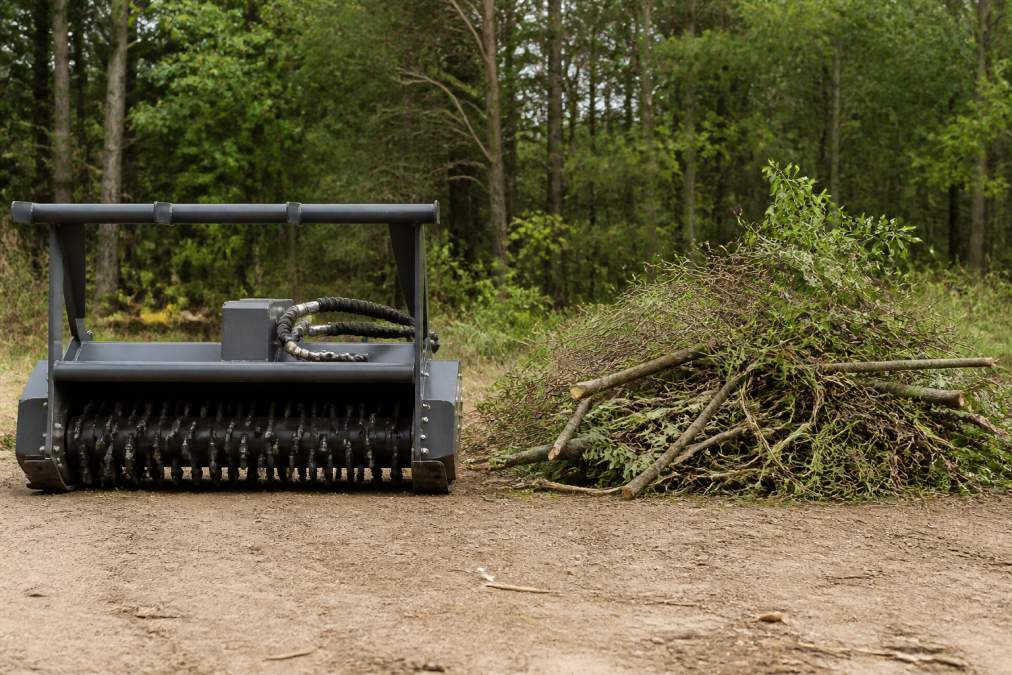
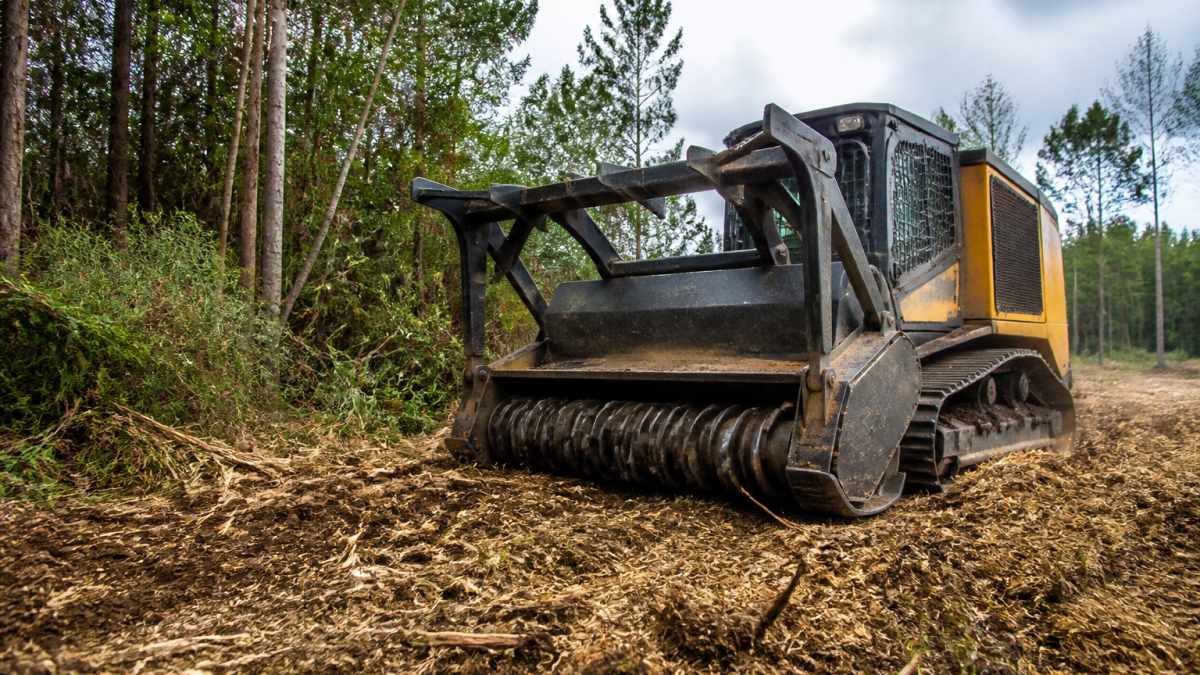
Forestry mulching is the process of grinding trees, brush, and vegetation into fine mulch on-site using specialized equipment with a rotating cutting head. The mulch stays where it falls, becoming ground cover that protects soil and suppresses regrowth. Traditional land clearing involves removing trees and brush using dozers, excavators, and other heavy equipment, then hauling away debris or burning it. The land is left bare, ready for whatever comes next.
The real difference isn't just the method. It's about what happens to your soil, how long the clearing lasts, and whether you're managing the land or just clearing it once. At SemperFi Land Clearing LLC, the right choice depends entirely on what you're trying to accomplish and what your property can handle.
Comparison Table: Key Differences at a Glance
| Aspect | Forestry Mulching | Traditional Land Clearing |
|---|---|---|
| Method | Grinds vegetation into mulch on-site | Removes debris via hauling or burning |
| Soil Impact | Adds organic matter; reduces erosion | Leaves bare soil; compaction risk |
| Regrowth Control | Mulch suppresses new growth for months | Weeds return faster without cover |
| Timeline | Faster for small to medium properties | Faster for large-scale clearing |
| Equipment | Specialized forestry tractor with mulching head | Dozer, excavator, hauling trucks |
| Best For | Soil health, wildlife habitat, small acreage | Large developments, complete site prep |
| Post-Work Maintenance | Minimal; mulch persists | May require follow-up grading |
The Traditional Land Clearing Process
Traditional land clearing is the older, more familiar approach. It removes vegetation and prepares land through mechanical removal and debris management. This method has been the industry standard for decades and remains the go-to for large-scale development and agricultural land prep.
Steps in Traditional Clearing
The process typically follows a predictable sequence. First, a crew assesses the property to identify what stays and what goes. Keeper trees, mature oaks, pines, or other valuable specimens, are marked and protected. Everything else is targeted for removal.
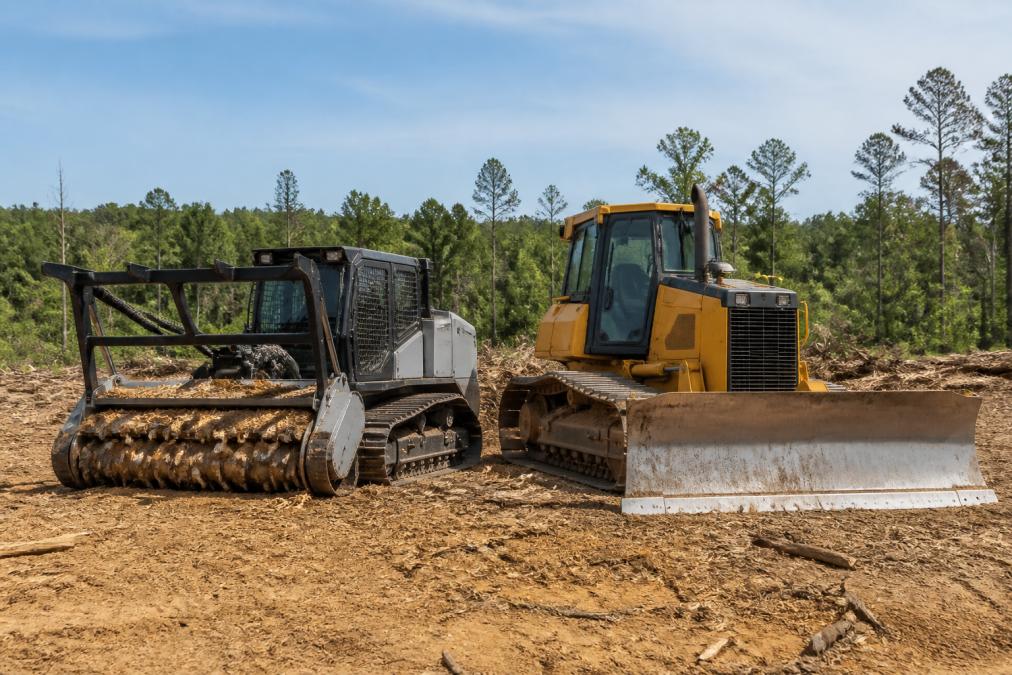
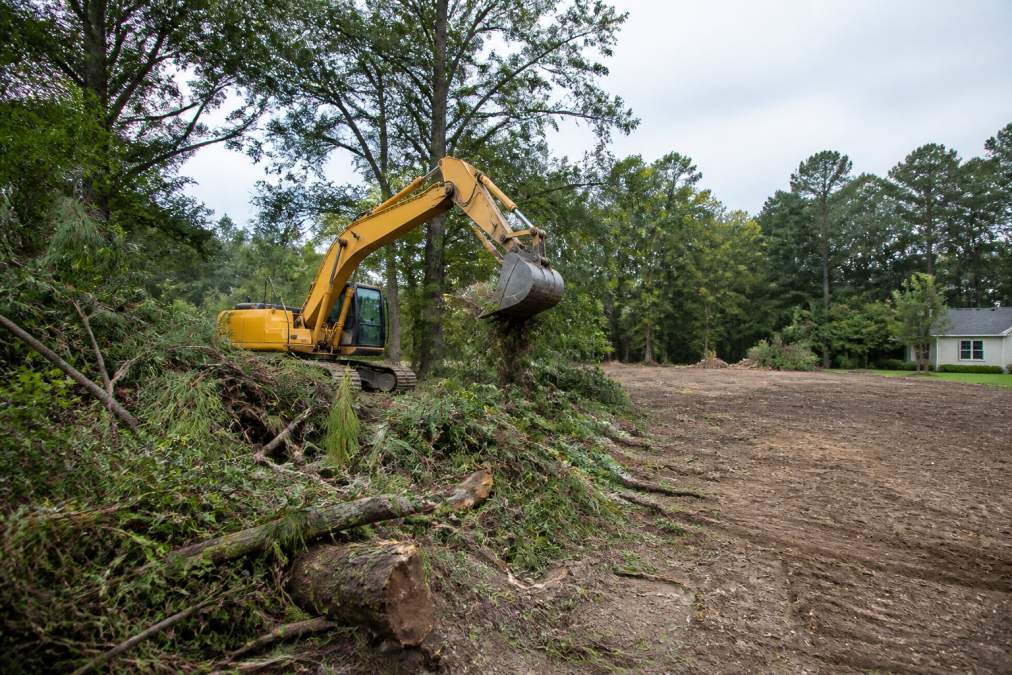
Next, heavy equipment moves in. A dozer pushes over trees and brush, creating windrows of debris. An excavator follows behind, breaking up stumps and digging out roots. The debris is either loaded onto trucks for hauling away, or if local regulations permit, piled and burned on-site. Finally, the bare ground is graded and compacted, leaving a clean slate for construction or new planting.
This approach works well when you need total clearing. There's no ambiguity about what's been removed. The land is ready for building, farming, or replanting from scratch. The downside is that bare soil is exposed to erosion, compaction from heavy equipment, and rapid weed regrowth.
Equipment and Methods
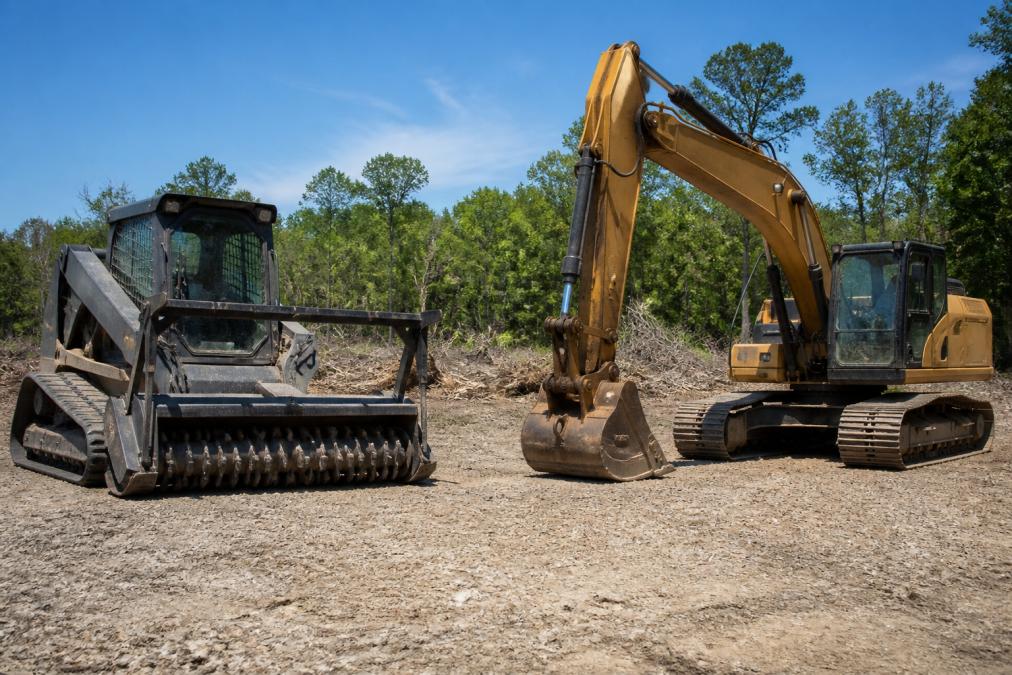
Traditional clearing relies on heavy machinery. A dozer is the workhorse, pushing over vegetation and moving debris. An excavator with a bucket or grapple handles finer work, pulling stumps, breaking up root systems, and loading trucks. For hauling, dump trucks or flatbeds remove debris off-site.
The root system removal is thorough but disruptive. Excavators dig deep to extract stumps and large roots, which means soil disturbance extends well below the surface. Compaction from repeated equipment passes can harden the soil, affecting drainage and future plant growth. This is particularly problematic on properties where you want to preserve soil health or establish new vegetation quickly.
Benefits of Forestry Mulching
Forestry mulching solves problems that traditional clearing creates. Instead of removing vegetation, it transforms it into a protective layer that stays on your land. This approach has gained traction across East Texas as property owners recognize the long-term advantages.
Soil Health and Erosion Control
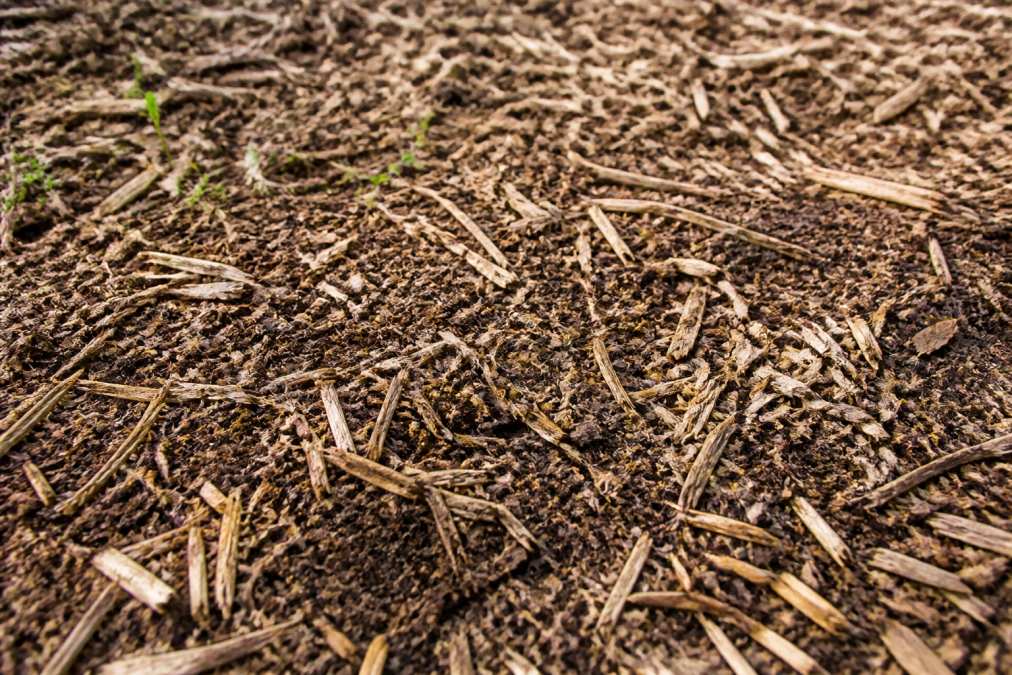
The mulch left behind after forestry mulching isn't just aesthetic, it's functional. Fine wood chips and organic matter create a ground cover that protects topsoil from erosion, particularly on sloped properties where water runoff is a concern (usda.gov). The mulch acts as a sponge, improving water retention and reducing the compaction risk that comes with heavy equipment repeatedly crossing the same ground.
As the mulch breaks down over months, it adds organic matter back into the soil (peer-reviewed research). This improves nutrient cycling, making the soil more hospitable for future growth. Unlike bare ground after traditional clearing, a mulched property doesn't require immediate intervention to prevent erosion or weed explosion. The ground cover buys you time.
Soil compaction is minimized because forestry mulching equipment is typically lighter than dozers and excavators. A forestry tractor with a mulching head can work across property without the same level of soil damage. For properties where you plan to plant, build, or restore native vegetation, this matters significantly.
Environmental and Wildlife Advantages
The understory, the layer of smaller plants and brush beneath mature trees, is crucial habitat for ground-nesting birds, small mammals, and insects (fws.gov). Traditional clearing removes this entirely. Forestry mulching can be more selective. By targeting specific vegetation while preserving keeper trees and their understory, you maintain habitat structure.
The mulch itself becomes habitat. Insects, fungi, and microorganisms colonize the decomposing wood chips, creating a food web that supports wildlife. Over time, the organic matter enriches the soil in ways that benefit native plant establishment. If you're managing a hunting property, preserving habitat while clearing fence lines or establishing food plots is a distinct advantage.
Forestry Mulching Cost Per Acre vs Traditional Methods
Cost is the question most property owners ask first. The answer depends on several variables that push the total in different directions.
Factors Affecting Overall Cost
For small properties, under 2 acres, forestry mulching often costs less than traditional clearing because you avoid hauling fees. The mulch stays on-site, so there's no truck rental, dump fees, or burning permits to manage. A specialized forestry tractor can handle small to medium acreage efficiently without bringing in multiple pieces of equipment.
For larger properties, traditional clearing can become more cost-effective at scale. A dozer and excavator working in tandem move material faster per acre, spreading equipment and labor costs across more square footage. However, this advantage eroding if you factor in hauling costs, which add up quickly for large volumes of debris.
The real cost variable is what happens after the work. If traditional clearing leaves you with bare ground that requires follow-up grading, erosion control measures, or aggressive weed management, those costs compound. Forestry mulching's built-in ground cover can reduce or eliminate post-work expenses.
Property condition also matters. Thick, mature brush with substantial root systems costs more to clear than light overgrowth. Dense understory and numerous small trees push forestry mulching costs up. Conversely, traditional clearing of dense material may require more equipment time, raising its cost too.
The safest approach is to get a site assessment from a professional. SemperFi Land Clearing LLC offers free land assessments that evaluate your specific property, vegetation type, density, terrain, and accessibility, to give you accurate pricing for either method. Without seeing the actual conditions, any cost estimate is speculation.
Pros and Cons: Which Method Works Best
Both approaches have legitimate strengths and real limitations. The right choice depends on your goals, property condition, and what you want the land to become.
When to Choose Forestry Mulching
Choose forestry mulching if soil health is a priority. If you're clearing overgrown acreage to restore it for pasture, wildlife habitat, or new planting, the ground cover and organic matter from mulching give you a significant head start. You're not fighting bare ground and erosion immediately after the work finishes.
Forestry mulching excels for fence line clearing, the specialized 10-foot cutting width can precisely target vegetation along property boundaries without disturbing the interior of your land. For hunting properties where you want to establish food plots or clear trails while preserving habitat structure, this precision is invaluable.
Small to medium properties benefit from the simplicity and lower hauling costs. If your land is 1 to 5 acres and you're not planning immediate construction, forestry mulching delivers results without the logistics of debris removal.
The method also works well when equipment access is limited. A forestry tractor is smaller and more maneuverable than a dozer and excavator combination, so it can navigate properties with narrow access points or where you want to minimize disturbance to surrounding areas.
When Traditional Clearing Makes Sense
Traditional clearing is the right choice for large-scale development and site preparation. If you're clearing 20+ acres for a subdivision, commercial build, or major agricultural operation, the speed and efficiency of dozers and excavators justify the cost. The bare ground they leave is exactly what you need for grading, foundation work, or replanting on a large scale.
When you need complete stump removal and root extraction, traditional clearing is more thorough. If you're planning to build immediately and need a perfectly level, compacted base, this method delivers it. Forestry mulching leaves root systems in place, which is fine for most purposes but not ideal if you need deep excavation or complete site preparation.
Traditional clearing also makes sense if debris disposal is already part of your project plan. If you're building and generating construction waste anyway, adding land clearing debris to the hauling process is economical. The separate cost of debris management disappears into the broader project budget.
For properties with mature timber value, traditional clearing allows selective harvesting. You can sell valuable logs separately, offsetting some clearing costs. Forestry mulching grinds everything, so timber value is lost.
Site Preparation and Post-Clearing Maintenance
What happens after the crew leaves determines whether you got your money's worth.
Forestry mulching requires minimal post-work maintenance. The mulch suppresses regrowth for several months, giving you time to plan next steps without fighting new brush. If you're establishing a food plot, the mulch can be worked into the soil or left as is, depending on your goals. For pasture restoration, the organic matter improves soil structure, and you can seed directly into the mulched ground.
The mulch does decompose over time. In East Texas's humid climate, this happens relatively quickly, typically 6 to 18 months depending on material size and moisture. As it breaks down, it enriches the soil. If regrowth becomes an issue later, a follow-up forestry mulching pass is faster and cheaper than the initial clearing because the vegetation is younger and thinner.
Traditional clearing leaves bare ground that needs management. Erosion control measures, silt fencing, erosion blankets, may be necessary on sloped properties. Grading and compaction prepare the site for construction or planting, but those are additional steps and costs. Weed suppression requires either herbicide application, mulch installation, or aggressive mowing until you're ready to replant or build.
For properties in the Longview and Tyler area with clay-heavy soils, traditional clearing can leave the ground hard-packed and difficult to work with later. Forestry mulching's organic matter helps break up clay and improve workability over time.
Regulatory and Permitting Considerations
Both methods may require permits depending on your location and what you're clearing.
Many jurisdictions in East Texas require permits for land clearing, particularly if the property is near waterways, wetlands, or environmentally sensitive areas. Burning debris, a common disposal method with traditional clearing, often requires a burn permit and may be restricted during dry seasons or in areas with air quality concerns.
Forestry mulching typically generates fewer regulatory hurdles because there's no burning and minimal soil disturbance. However, if you're clearing protected vegetation or working near sensitive habitats, you may still need environmental clearance regardless of method.
Stump removal regulations vary. Some areas require complete removal; others allow stumps to remain. This affects the cost and feasibility of both methods. Forestry mulching leaves stumps in place (the mulching head grinds the above-ground portion, but roots stay), while traditional clearing removes them entirely.
Check with your local county extension office or planning department before starting any clearing work. The cost of a permit is minimal compared to the cost of stopping mid-project due to regulatory issues. SemperFi Land Clearing LLC offers permitting guidance as part of the free land assessment, ensuring your project stays compliant.
Choosing between forestry mulching and traditional land clearing isn't just about price, it's about what your land needs and what you want it to become. Forestry mulching protects soil health and suppresses regrowth, making it ideal for restoration and smaller properties. Traditional clearing delivers speed and complete site prep for large developments. Get a professional assessment of your specific property to understand which method delivers the best outcome. SemperFi Land Clearing LLC provides free land assessments that evaluate your acreage, vegetation density, and goals to recommend the right approach. Contact us for an estimate and let our veteran-owned team guide you through the clearing process with precision and reliability.
Frequently Asked Questions
Q: Is forestry mulching more cost-effective than traditional land clearing?
A: Cost-effectiveness depends on your specific property and goals. Forestry mulching often costs less per acre when you factor in avoided hauling, disposal fees, and the value of on-site mulch that improves soil health. Traditional clearing may be cheaper upfront for small projects or when debris removal is minimal. Get a free assessment from a professional to compare quotes for your acreage and vegetation density.
Q: What are the main environmental benefits of forestry mulching?
A: Forestry mulching preserves soil structure, reduces erosion, and returns nutrients to the ground through biomass decomposition. It maintains ground cover that protects topsoil, supports wildlife habitat, and reduces the environmental footprint by eliminating burning and long-distance debris hauling. Traditional methods often expose bare soil, increase compaction, and require fuel-intensive removal and disposal.
Q: Will brush and weeds grow back quickly after forestry mulching?
A: Forestry mulching significantly reduces regrowth because the mulch layer suppresses new vegetation and the root system remains in place, preventing erosion and stabilizing soil. However, some regrowth may occur over time depending on soil conditions and climate. Post-clearing maintenance, such as strategic herbicide application or follow-up brush hogging, extends the benefits. Traditional clearing leaves bare soil that often promotes faster, denser regrowth.
Q: Can forestry mulching handle heavy overgrowth and thick brush?
A: Yes. Forestry mulching equipment is designed to process trees and dense understory vegetation. The mulching head shreds vegetation into fine chips on-site, making it effective for heavy overgrowth. Equipment selection and carrier capacity determine efficiency, so a professional assessment ensures the right machinery is matched to your property's brush density and terrain.
Q: What happens to the mulch after forestry mulching is complete?
A: The mulch remains on-site as a nutrient-rich ground cover that improves soil health, reduces erosion, and suppresses weeds. You can leave it as-is for natural decomposition, spread it for landscaping, or have it removed if preferred. Traditional land clearing typically requires debris hauling and disposal, which adds cost and environmental impact. Keeping mulch on-site reduces overall project cost and supports long-term land management.