 comparison
Forestry Mulching vs Hand Clearing for Fence Lines
Table of Contents
- Forestry Mulching vs Hand Clearing: Which Fence Line Method Wins?
- Forestry Mulching vs Hand Clearing: Side-by-Side Comparison
- How Each Method Affects Soil and Erosion Control
- Understanding the Cost of Forestry Mulching Per Acre
- Forestry Mulching Regrowth Prevention vs. Hand Clearing Results
- Fence Line Maintenance Best Practices After Clearing
- DIY vs. Professional: Which Approach Fits Your Land?
- Conclusion: Choosing the Best Clearing Method for Your Fence Line
- Frequently Asked Questions
Last Updated: September 6, 2026
Fence line clearing is one of those jobs that looks simple until you are standing in waist-high brush wondering where the actual fence is. Landowners in East Texas face a real choice between two approaches: forestry mulching vs hand clearing fence lines. Forestry mulching is a mechanized land clearing method that grinds vegetation into mulch in a single pass using specialized heavy equipment. This guide from SemperFi Land Clearing LLC breaks down the practical differences, costs, and long-term results so you can decide which method fits your property.
The decision matters more than most people realize. Hand clearing might seem cheaper upfront, but the regrowth, debris removal, and labor hours add up quickly. On the other hand, bringing in machinery raises questions about soil compaction and topsoil preservation. Below, we'll show you exactly how each method performs on real fence lines, what it does to your soil, and which approach prevents regrowth over the long term.
Forestry Mulching vs Hand Clearing: Which Fence Line Method Wins?
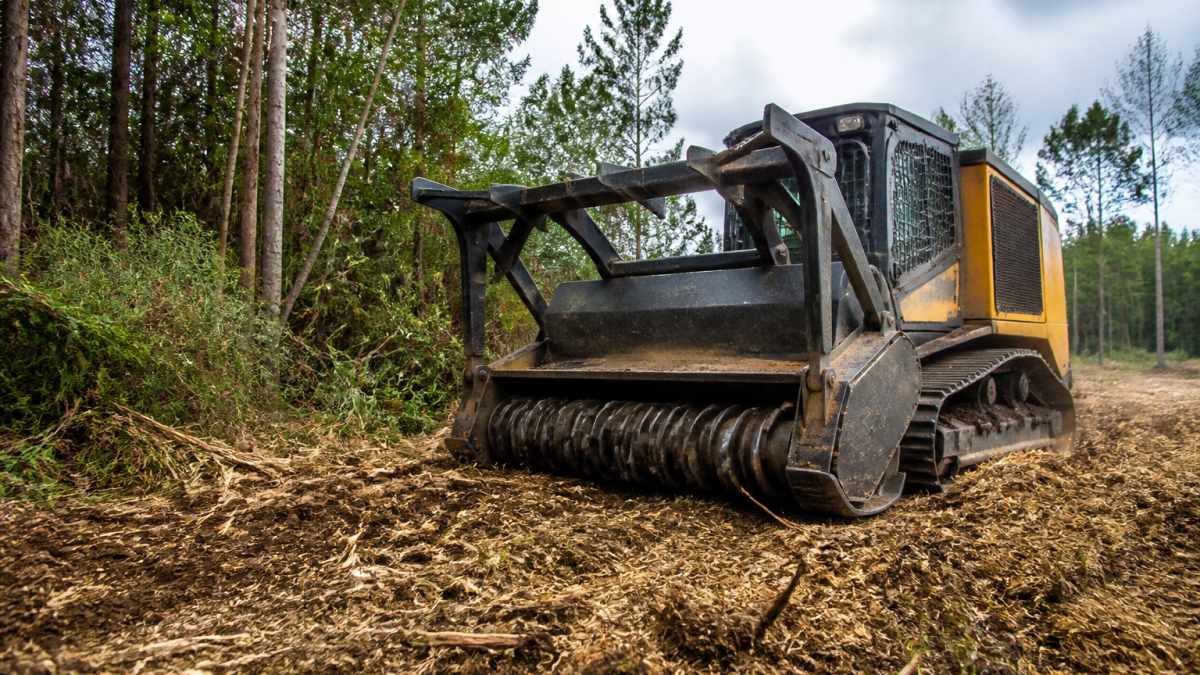
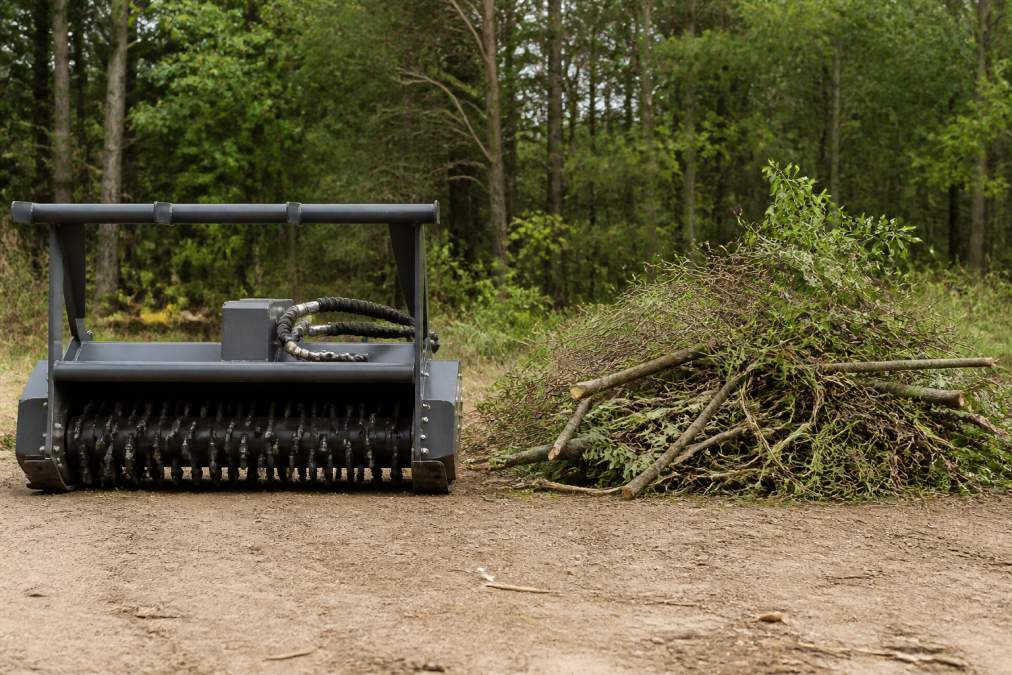
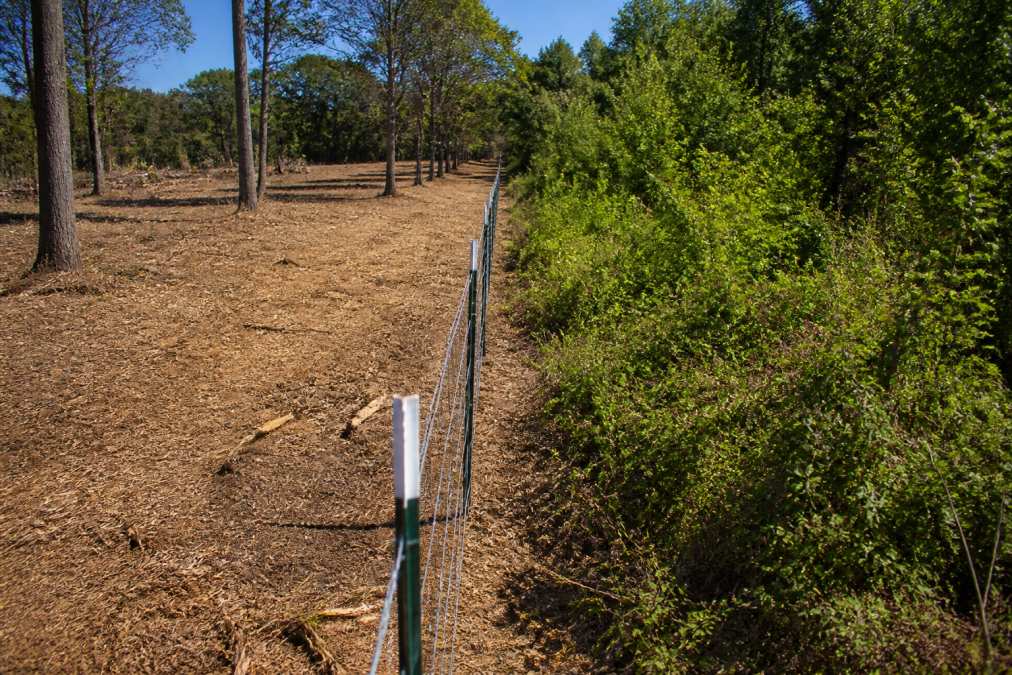
For many fence line maintenance projects, forestry mulching offers benefits in speed, cost-effectiveness, and regrowth control. Hand clearing remains viable only for small sections or areas where heavy equipment cannot physically reach. The core difference comes down to what happens to the vegetation: forestry mulching grinds brush and small trees into a mulch layer on site, while hand clearing cuts material and typically requires debris removal through burning or hauling.
The efficiency gap can be substantial. A mulching machine can clear a fence line in hours, whereas the same stretch could take a crew several days with chainsaws and brush cutters (fs.usda.gov). This speed matters for property owners who need fence lines restored quickly for livestock, property access, or boundary visibility. A common mistake is assuming hand clearing is the only low-impact option.
Forestry Mulching vs Hand Clearing: Side-by-Side Comparison
The table below summarizes how the two methods compare across the factors that matter most for fence line projects.
| Factor | Forestry Mulching | Hand Clearing |
|---|---|---|
| Speed per acre | Hours with one machine | Days with a crew |
| Soil disturbance | Minimal, topsoil intact | Foot traffic and debris dragging |
| Debris handling | Left as mulch on site | Requires burning or hauling |
| Regrowth control | Suppressed by mulch layer | Rapid regrowth common |
| Best for | Fence lines over 1/4 acre | Small sections, tight areas |
The soil health story deserves attention. Forestry mulching leaves organic material on the ground that breaks down and enriches the soil, supporting erosion control on slopes. Hand clearing often removes the vegetation but leaves roots intact, and if you haul away the debris, you also remove nutrients that would have returned to the soil. For fence line maintenance on rolling terrain, the mulch layer from forestry mulching helps hold soil in place during heavy rain.
How Each Method Affects Soil and Erosion Control
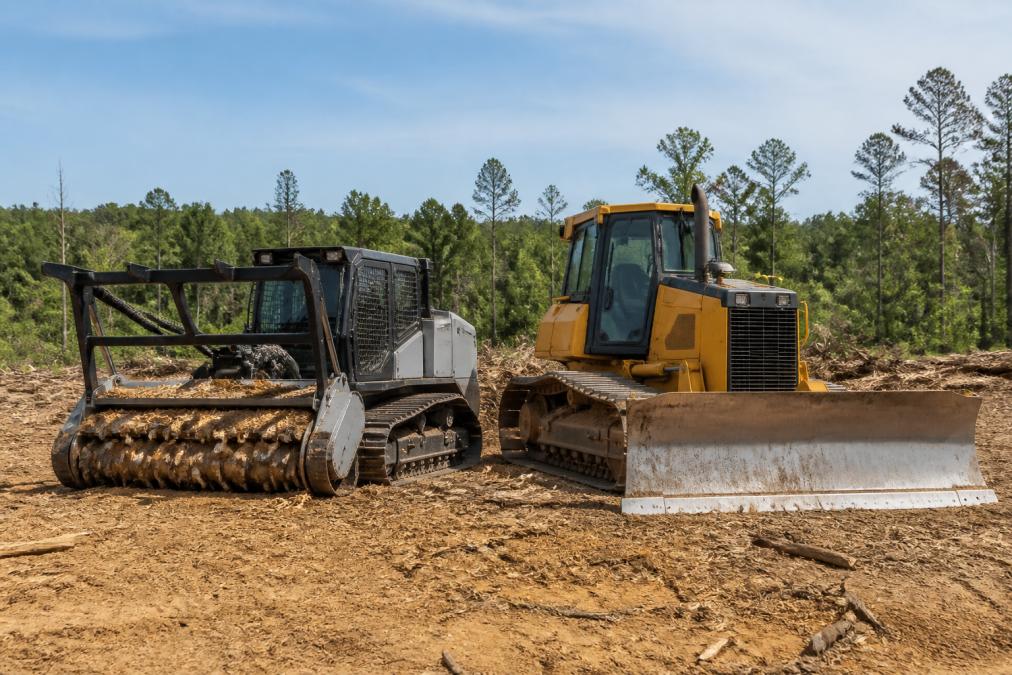
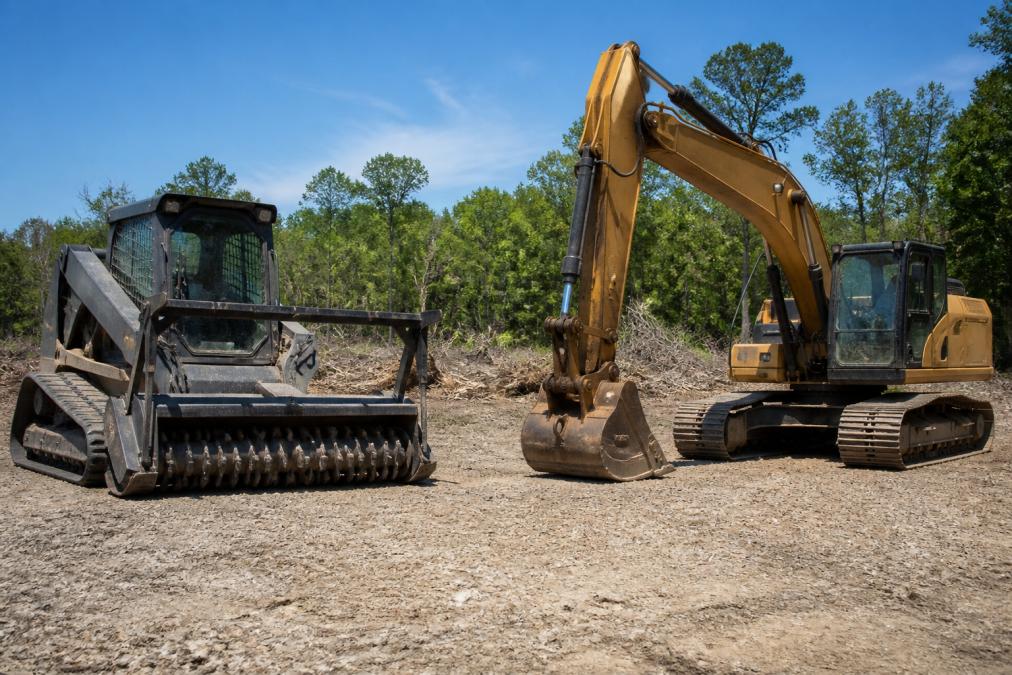
Soil preservation is a key aspect of forestry mulching compared to some traditional land clearing methods like bulldozing. A bulldozer or excavator can scrape away topsoil and create ruts that turn into erosion channels. Forestry mulching equipment operates on top of the ground, grinding vegetation at surface level while leaving the soil structure largely undisturbed.
The mulch layer itself becomes an erosion control tool. It absorbs rainfall impact, slows water runoff, and gradually decomposes to improve soil health. Hand clearing, by contrast, often leaves bare soil exposed, which invites erosion and invasive species that colonize disturbed ground faster than desirable native plants. For fence lines running along slopes or drainage areas, that distinction can help prevent muddy mess and washouts.
Understanding the Cost of Forestry Mulching Per Acre
The cost of forestry mulching per acre varies widely based on vegetation density, terrain, and site access, so any fixed number you see online should be treated as a starting point, not a quote. Some providers advertise standardized rates for small parcels, while others price by the project after assessing the property. What matters for your budget is understanding why costs differ.
Dense brush with thick trunks requires more machine time and fuel than light grass and saplings. Steep or wet terrain slows equipment and increases the risk of soil disturbance. Sites with poor access may require additional equipment to reach the fence line. Many property owners find that the cost of forestry mulching per acre becomes more attractive when they factor in the debris removal they avoid, since hand clearing often means paying to haul or burn the material.
Pricing depends on the specific conditions of your land. The most reliable way to get an accurate figure is a site assessment, which is why SemperFi Land Clearing LLC offers free land assessments to property owners in the East Texas area. A professional can evaluate vegetation density, terrain, and access before giving you a project-based quote.
Forestry Mulching Regrowth Prevention vs. Hand Clearing Results
Regrowth prevention is the factor that most landowners underestimate. Forestry mulching regrowth prevention works through the mulch layer itself: the ground-up wood and brush create a barrier that shades the soil and suppresses weed seeds, giving desirable grasses a chance to establish. Hand clearing cuts the visible growth but leaves root systems intact, so brush often returns within a single growing season.
This is not a permanent solution for either method. The mulch layer breaks down over time, and new seeds will eventually germinate. However, the practical difference is significant. A mulched fence line can remain manageable for several seasons with light spot treatment, while a hand-cleared line may see quicker regrowth. For fence line maintenance, that translates directly into how often you repeat the job.
Fence Line Maintenance Best Practices After Clearing
The initial clearing is only the first step. The real test of your chosen method comes in the months and years that follow, as seeds from adjacent property, wind, and wildlife begin to re-establish growth. A proactive maintenance schedule is the difference between a one-time project and a recurring battle. Here is a practical, season-by-season calendar that most landowners find effective for keeping a fence line open.
Year One: The Establishment Phase
Immediately after clearing, the goal is to establish a competitive ground cover. Bare soil is an open invitation for invasive species like johnsongrass, blackberry, and greenbrier (invasivespeciesinfo.gov). A common pattern is to overseed with a fast-establishing annual ryegrass in the fall or a perennial pasture mix in the spring, depending on your region. This dense grass cover shades the soil, making it harder for woody brush seeds to germinate.
For the first growing season, plan a quarterly inspection. Walk the line and look for resprouts from cut stumps. While forestry mulching grinds most stumps below grade, some hardy species like yaupon or privet can attempt to regrow from the root system. A targeted spot-treatment with a cut-stump herbicide application, using a product containing triclopyr or glyphosate, is far more effective than broad spraying (extension.org). This prevents the chemical from affecting desirable grasses.
Year Two and Beyond: The Maintenance Phase
By the second year, the initial mulch layer from forestry mulching will have begun to decompose, integrating organic matter back into the soil. This is a sign of healthy soil, but it also means the suppressive effect on weeds is lessening. Your maintenance cadence should shift to a semi-annual check: once in late spring and once in early fall.
In these checks, focus on the fence line's 'edge effect.' The most aggressive regrowth will occur at the boundary where the cleared line meets the standing vegetation. Use a string trimmer or a brush cutter to knock back any encroaching grass and vines that could climb the fence. For saplings that have taken root, a sharp pair of loppers is often sufficient. The key is consistency; allowing a single season of unchecked growth can set you back years.
The Long-Term Schedule
A realistic long-term plan for a fence line is a major maintenance pass every 3 to 5 years. This is where the choice of initial clearing method has a compounding effect. A fence line that was hand-cleared and left with bare soil may require more frequent major passes, as the seed bank in the soil is undisturbed and ready to sprout. In contrast, a line that was forestry mulched can have a reduced seed bank near the surface and a head start from the established ground cover, potentially allowing for a longer interval between major projects.
Post-Installation Considerations
If you are clearing a fence line to install a new fence, time your clearing to allow for the mulch to settle. Fresh, deep mulch can be spongy and may shift under the weight of a post-hole digger or tractor. A best practice is to clear the line, let the mulch sit for a few weeks to compact, and then install your posts. This provides a stable working surface and prevents posts from being set in uncompacted organic material, which can lead to fence instability over time.
DIY vs. Professional: Which Approach Fits Your Land?
The DIY route for fence line clearing usually means renting a brush cutter or chainsaw and spending weekends working through the brush. For a quarter acre of light growth, that is a reasonable approach. For thick overgrowth stretching hundreds of feet, the math changes quickly. Hand clearing dense brush is physically demanding, slow, and leaves you with debris that still needs disposal.
Professional forestry mulching makes sense when you value your time, face heavy overgrowth, or need results before a deadline like fencing installation or property sale. A professional crew brings specialized equipment designed for this exact job, handles the debris by leaving it as mulch, and finishes in a fraction of the time. The trade-off is the cost, which is why the free assessment matters: you get a firm number before committing.
Conclusion: Choosing the Best Clearing Method for Your Fence Line
The best clearing method for your fence line depends on the size of the job, the density of the vegetation, and whether you want to repeat the work next year. For small sections where equipment access is tight, hand clearing works. For anything larger, forestry mulching can offer benefits in soil health, faster results, and regrowth control.
SemperFi Land Clearing LLC brings a veteran-owned commitment to reliability and precision to every fence line project. Our specialized 10 ft fence line clearing equipment handles the overgrowth that has been building up for years, and our expert forestry mulching solutions leave your soil healthier than they found it. Get an estimate today and see what a free land assessment can do for your property management plan.
Frequently Asked Questions
What is the most effective way to clear a fence line?
Forestry mulching is the most effective method for most fence lines because it clears vegetation in a single pass and leaves a protective layer of mulch. This approach eliminates the need to haul debris and helps prevent regrowth. For light grass or small weeds, hand clearing with a string trimmer may work, but for established brush, saplings, and overgrowth, a forestry mulcher handles the job faster and more thoroughly.
What are the downsides of forestry mulching?
Forestry mulching requires heavy equipment, which means it needs enough space to maneuver along the fence line. The upfront cost per acre can be higher than a DIY hand-clearing effort, though it is often cheaper than bulldozing. For very small jobs, the mobilization cost may not make sense. The equipment can also disturb wet soil, so scheduling during dry conditions is important to protect ground structure.
Is forestry mulching more cost-effective than manual hand clearing?
For large or heavily overgrown areas, forestry mulching can be a cost-effective option compared to hiring manual labor. The cost of forestry mulching per acre reflects the speed of the work, often clearing in hours what takes a hand crew days. Manual clearing can be suitable for small, lightly vegetated stretches.
How does forestry mulching impact long-term fence line regrowth?
Forestry mulching slows regrowth by grinding vegetation down to ground level and leaving a layer of wood chips that blocks sunlight from reaching the soil. This mulch layer breaks down over time, adding organic material to the soil. However, it does not stop new seeds from sprouting. Following up with a maintenance schedule, including spot treatment of invasive species, keeps the fence line clear for years.
How many acres can a professional forestry mulcher clear in a day?
A professional forestry mulcher typically clears between 1 and 4 acres per day, depending on vegetation density, terrain, and the size of the equipment. Light brush on flat ground allows for faster progress, while dense stands of mature trees slow the process significantly. A 10-foot fence line attachment is specialized for this work, allowing for efficient clearing of the narrow corridor needed for fence access.