 comparison
Forestry Mulching vs Bulldozing: Land Clearing Comparison
Table of Contents
- Forestry Mulching vs Bulldozing: Which Method Fits Your Land
- What Is Forestry Mulching?
- What Is Bulldozing?
- Land Clearing Methods Comparison: Key Differences
- Cost of Forestry Mulching Per Acre vs Bulldozing
- Environmental Impact and Soil Health Benefits
- When to Choose Forestry Mulching and When to Choose Bulldozing
- Permitting and Regulatory Requirements
- Frequently Asked Questions
Last Updated: September 4, 2026
Forestry Mulching vs Bulldozing: Which Method Fits Your Land
Choosing between forestry mulching vs bulldozing for land clearing is one of the most consequential decisions a landowner can make, and most people get it wrong by focusing only on the upfront cost. The real difference comes down to what you want the land to look like and do after the equipment leaves. At SemperFi Land Clearing LLC, we evaluate properties across East Texas daily, and the two methods produce dramatically different outcomes for soil health, regrowth, and site readiness.
Forestry mulching is a single-pass vegetation management process that grinds standing trees, brush, and understory into a protective layer of organic matter on the soil surface. Bulldozing, by contrast, is a heavy earthmoving operation that pushes over trees, rips out root systems, and often strips the topsoil layer entirely. Before you book any equipment, it helps to understand that the best method depends entirely on your land's current condition and its intended future use, a decision framework we will walk through step by step.
What Is Forestry Mulching?
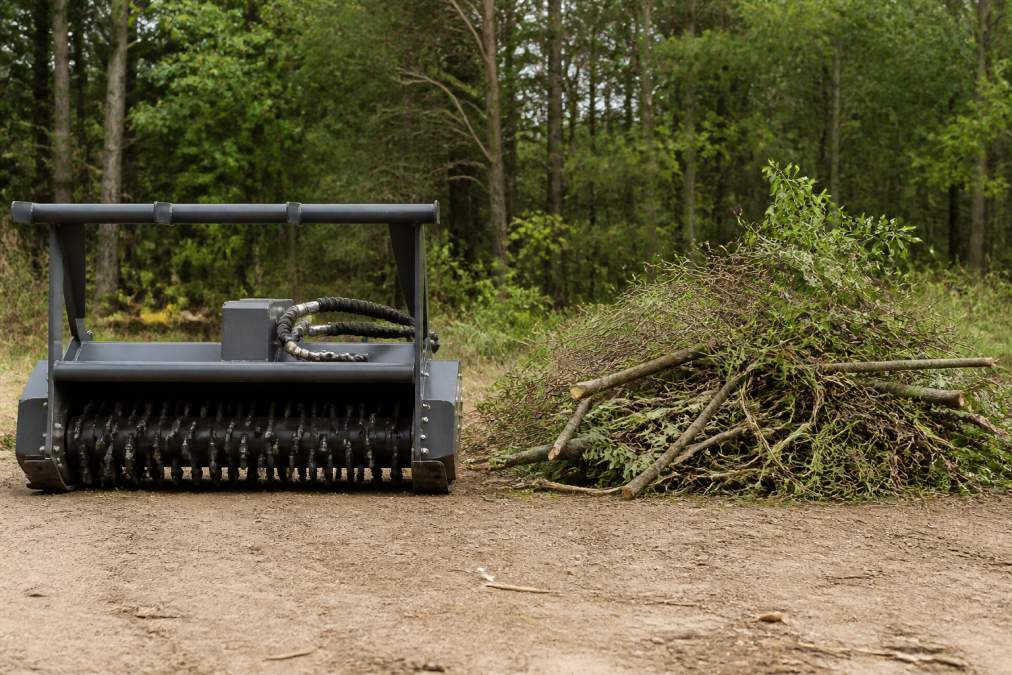
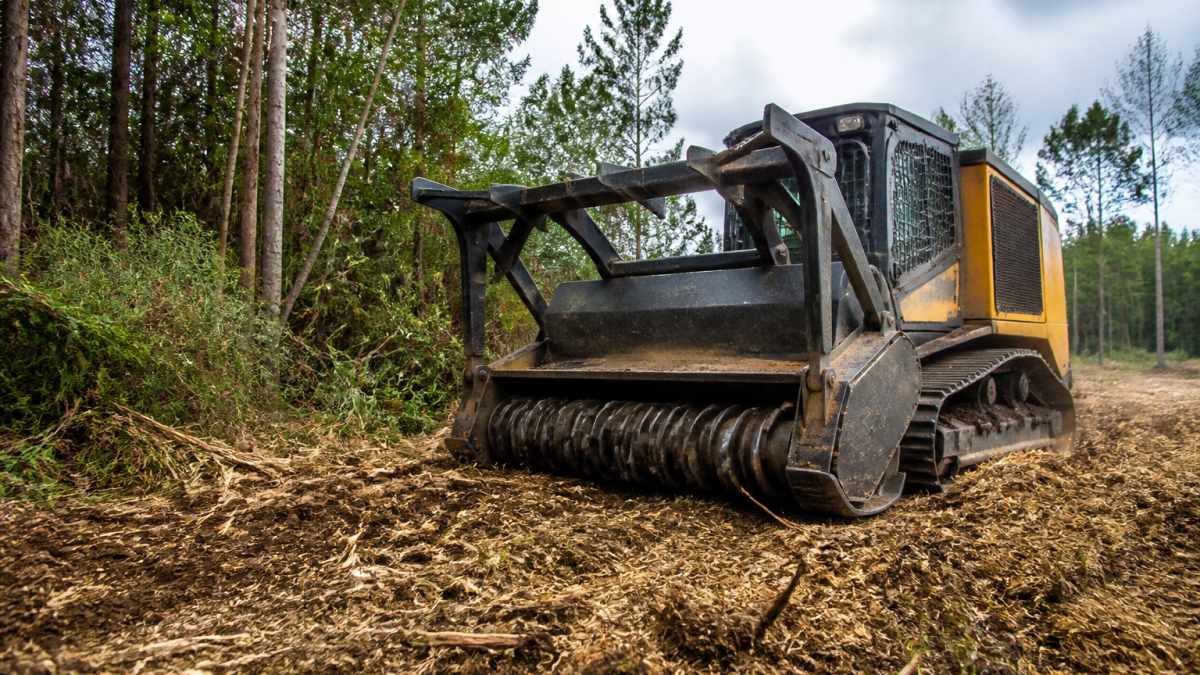
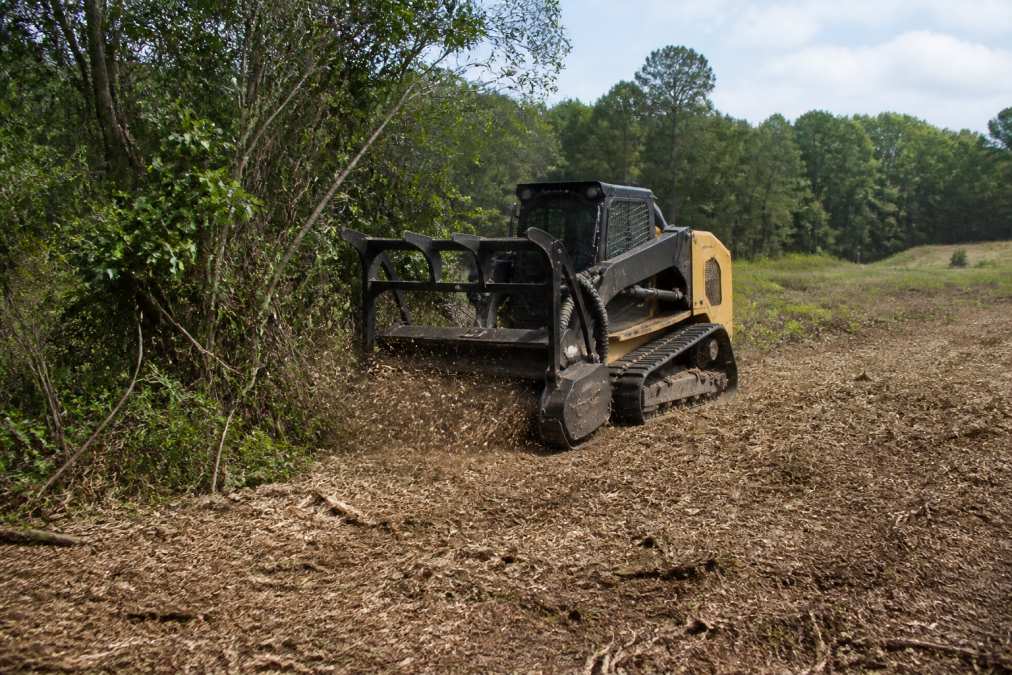
Forestry mulching uses a single machine, typically a track-driven unit fitted with a high-torque rotary head, to shred standing vegetation in place. The mulching head spins at high speed, cutting saplings, bramble, and understory into small chips that fall directly onto the ground as a mulch layer.
The defining characteristic of this method is that it leaves the site intact. There is no topsoil removal, no large debris piles to burn or haul, and no exposed mineral soil. The shredded biomass breaks down over time, returning nutrients to the ground and creating a stable seedbed for desirable grasses or future plantings.
What Is Bulldozing?
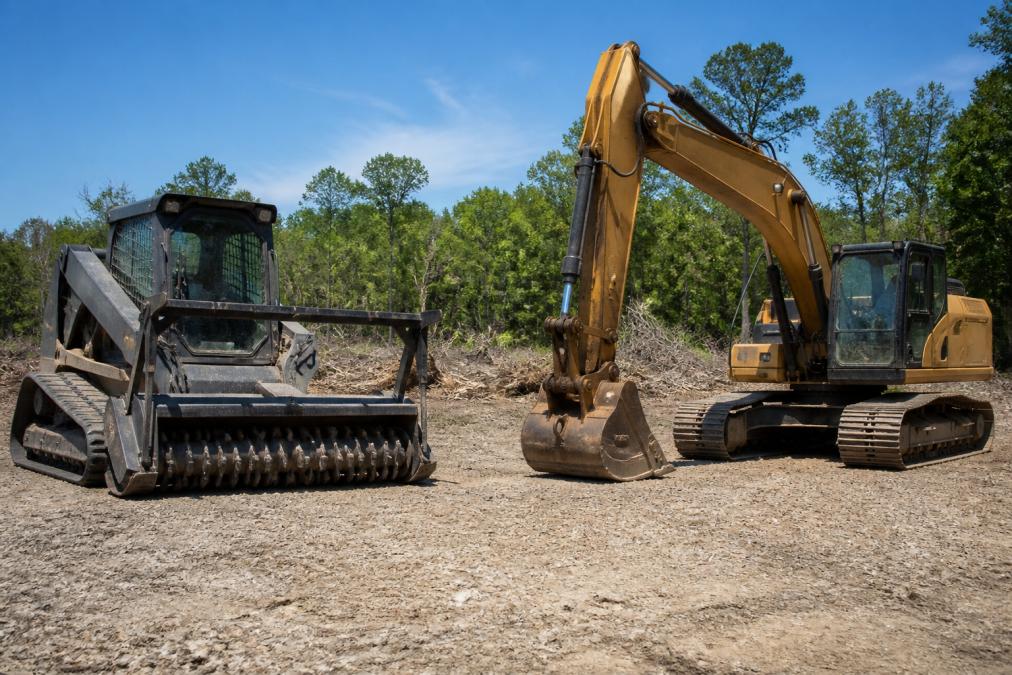
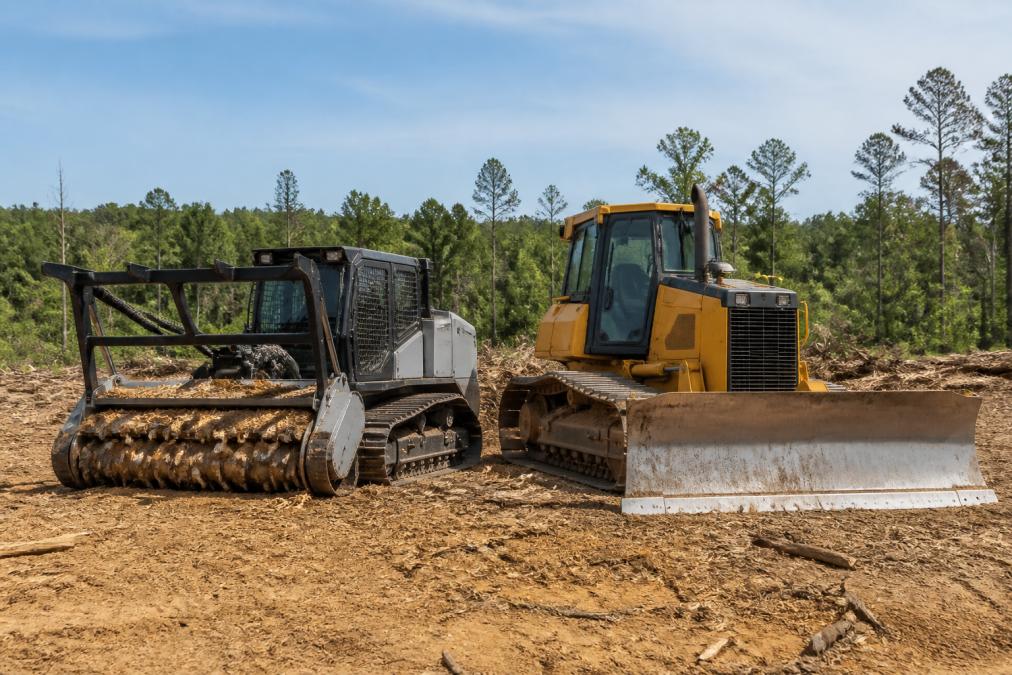
Bulldozing is the traditional brute-force approach to land clearing, using a heavy machine with a steel blade to push vegetation over and out of the ground. This method is designed to handle the toughest clearing scenarios, including complete stump removal and significant earthmoving.
However, what the bulldozer removes, it must also relocate. Pushed trees and stumps accumulate into large piles that require separate debris disposal, often through burning or hauling to an off-site facility. The process also disturbs the soil profile significantly, frequently removing the nutrient-rich topsoil layer along with the vegetation.
Land Clearing Methods Comparison: Key Differences
The core difference between these two land clearing methods is not speed or power, but the relationship between soil disturbance and long-term site health. Comparing them side by side clarifies which outcomes each method reliably delivers.
Soil Disturbance and Erosion Control
Forestry mulching excels at preserving soil integrity because the machine's tracks and mulching head work above the root zone without deep excavation. The resulting mulch layer acts as a natural ground cover that shields the soil from rain impact and slows water runoff, providing immediate erosion control on slopes.
Bulldozing, by contrast, is inherently disruptive. The dozer blade and undercarriage compact the soil, while uprooting trees displaces large volumes of earth. On sloped terrain, this disturbance can accelerate erosion and leave gullies that require additional grading and restoration work before the land is stable.
Vegetation Removal Speed and Efficiency
For clearing speed on large acreage dominated by mature trees and stumps, bulldozing has the advantage. A dozer can push over and stack large timber faster than a mulcher can grind it, making it the efficient choice when the goal is total site clearing for construction.
Forestry mulching trades some raw speed for efficiency in a different sense: it eliminates the multiple passes and separate debris hauling required by dozing. Because the mulcher processes and deposits material in one operation, overall project timelines often compare favorably, especially when factoring in the cost and time of debris disposal.
Debris Disposal and Site Restoration
This is where the methods diverge most sharply. Forestry mulching produces no debris to haul; the shredded organic matter becomes the foundation for site restoration. The mulch layer suppresses weed germination while retaining soil moisture, giving desirable vegetation a head start.
Bulldozing leaves behind piles of stumps, trunks, and brush that must be burned, buried, or trucked away. After removal, the site typically requires additional dozer work to fill holes, smooth ruts, and re-grade before any construction or planting can begin.
Cost of Forestry Mulching Per Acre vs Bulldozing
Comparing the cost of forestry mulching per acre versus bulldozing requires understanding what each method includes and how site conditions drive pricing. Both methods vary widely based on vegetation density, terrain, and accessibility, but the structure of costs differs significantly.
Forestry Mulching Costs
Pricing depends on quantity, dates, and delivery. The price is usually all-inclusive: the mulcher grinds vegetation in a single pass, deposits the mulch on-site, and leaves no debris piles requiring separate removal or burning.
Key cost drivers include:
- Vegetation density and stem diameter: Dense stands with trees 6 inches or larger in diameter take longer to process and cost more per acre.
- Slope and terrain: Steep slopes or rocky ground slow the machine and increase fuel consumption; flat, accessible sites clear faster.
- Soil moisture: Wet or muddy ground reduces machine speed and may require multiple passes or additional equipment to prevent rutting.
- Site accessibility: Properties requiring long travel distances from the road or narrow gate access may include mobilization fees for equipment transport.
Because the mulch layer remains on-site, there are no additional disposal, burning, or hauling costs after the clearing is complete. This bundled approach often makes the final cost competitive with or lower than bulldozing when all post-clearing work is factored in.
Bulldozing Costs
Bulldozing typically costs for the initial push-over and stacking operation, which appears cheaper than mulching on the surface. However, this quote usually covers only the blade work and does not include debris removal, stump grinding, or final grading, all of which are necessary before the land is usable.
Hidden costs that follow the initial dozing include:
- Debris disposal: Burning permits, air quality monitoring, and burn pile management can add to the cost. Hauling debris to a landfill or chipping facility may cost depending on volume and distance.
- Stump grinding: If stumps must be ground below grade (required for construction or planting), expect additional costs.
- Site re-grading and fill: After debris removal, the site often requires additional dozer work to fill holes, smooth ruts, and re-grade to proper slope. This can add to the cost.
- Erosion control and restoration: Disturbed soil may require seeding, erosion blankets, or sediment control measures, adding to the cost.
When all post-clearing work is included, total bulldozing costs often reach more, making the initial "cheaper" per-hour rate misleading.
Real-World Cost Comparison
A 10-acre pasture overgrown with mixed brush and small trees (3-6 inches diameter) might cost:
- Forestry mulching: Pricing depends on quantity, dates, and delivery, all-inclusive, with no follow-up work required.
- Bulldozing: Pricing depends on quantity, dates, and delivery for initial clearing, plus additional costs for debris disposal and re-grading.
For a construction site requiring complete stump removal and a level pad, bulldozing may be the only viable option and cost justification becomes about necessity rather than savings.
Factors That Shift the Cost Balance
Forestry mulching becomes more cost-effective when:
- The property is large (10+ acres), spreading equipment mobilization costs across more acreage.
- Vegetation is uniform in size and density, allowing steady machine operation without repositioning.
- The goal is brush control or pasture restoration, not construction-site preparation.
- Debris burning is restricted or expensive in your area due to air quality regulations.
Bulldozing becomes more cost-effective when:
- The site requires complete stump removal and excavation (construction, pond building, or major grading).
- Vegetation includes very large mature trees (12+ inches diameter) that would take excessive time to mulch.
- The property is small (under 2 acres), where mulcher mobilization fees represent a larger percentage of total cost.
- Debris can be burned on-site without permit restrictions and burning cost is negligible.
Most reputable contractors provide free on-site assessments to evaluate vegetation type, density, terrain, and intended end-use, then deliver a detailed quote with all costs itemized. This is the only reliable way to compare methods accurately for your specific property.
Environmental Impact and Soil Health Benefits
Forestry mulching is widely regarded as the more environmentally sustainable option because it mimics natural forest floor processes (peer-reviewed research). The mulch layer retains moisture, moderates soil temperature, and gradually decomposes to build organic matter, which improves soil structure and fertility over time.
Bulldozing, while sometimes necessary, carries a heavier environmental cost. Topsoil removal and soil compaction degrade the land's ability to support future vegetation, and the practice of burning debris piles releases smoke and particulates into the air. For landowners focused on long-term soil health and wildlife habitat, the advantages of leaving biomass on site are significant.
When to Choose Forestry Mulching and When to Choose Bulldozing
The decision framework comes down to your end goal for the property. Forestry mulching is the clear winner for vegetation management, pasture restoration, fence line clearing, and creating wildlife habitat, because it preserves the soil and prevents rapid regrowth of undesirable brush. Bulldozing is the necessary choice when the project demands complete stump removal, significant earth grading, or construction-ready pads.
Choose Forestry Mulching When
- Your goal is brush control, pasture reclamation, or establishing food plots and wildlife trails
- You want to preserve topsoil and prevent erosion on slopes
- You are clearing fence lines or understory without needing to alter the grade
- You prefer a clean, natural-looking result without burn piles or debris hauling
Choose Bulldozing When
- You are preparing a site for a building foundation, driveway, or pond that requires excavation
- Mature trees with large stump systems must be completely removed
- The land needs significant grading or leveling to be usable
- You are clearing large timber for commercial sale or development
Permitting and Regulatory Requirements
Before any land clearing begins, property owners must verify local permitting requirements, which vary by county and municipality across the United States. Many jurisdictions require permits for activities that disturb soil, alter drainage, or involve burning debris, and some have specific regulations protecting wetlands and waterways. The U.S. Environmental Protection Agency guidance on construction site runoff outlines federal requirements for erosion and sediment control on disturbed sites, which often trigger permitting at the state level.
Additionally, the Natural Resources Conservation Service resources on soil health provides useful guidance on minimizing compaction and preserving topsoil during land management activities. Checking with your local county office before scheduling work can prevent costly fines and delays. A qualified clearing contractor familiar with regional regulations can also help navigate these requirements.
The choice between forestry mulching vs bulldozing for land ultimately reflects your vision for the property. If you want to improve soil health, control regrowth, and leave a clean, productive site, forestry mulching is the superior method. If you are building a structure that requires deep excavation and grading, bulldozing is a necessary step. For most landowners managing overgrowth, pasture, or fence lines, a professional forestry mulching service delivers the best balance of cost-effectiveness and environmental stewardship.
Choosing the right land clearing method is a significant decision, but it does not have to be a stressful one. At SemperFi Land Clearing LLC, our veteran-owned team provides expert forestry mulching and land management solutions tailored to East Texas properties, backed by a free land assessment to ensure your project scope is accurate from the start. We deliver precision and efficiency for everything from specialized fence line clearing to comprehensive overgrowth removal, so your land is ready for its next chapter. Get an estimate today and see how professional vegetation management can improve your property.
Frequently Asked Questions
Is forestry mulching more cost-effective than bulldozing?
Cost-effectiveness depends on your specific project. Forestry mulching eliminates debris hauling and disposal expenses, which can offset equipment costs. Bulldozing may cost less upfront for small projects but requires separate stump removal and debris hauling. For heavy overgrowth on larger acreage, forestry mulching often proves more economical overall. Request a free land assessment to compare pricing for your property.
Does bulldozing damage topsoil more than forestry mulching?
Yes, bulldozing typically causes greater soil disturbance. The blade compacts soil, disrupts root systems, and removes topsoil along with vegetation. Forestry mulching preserves topsoil, reduces soil compaction, and leaves organic matter in place to improve soil structure. This makes forestry mulching better for properties where soil health and erosion control matter.
What are the primary downsides of forestry mulching compared to bulldozing?
Forestry mulching works best on vegetation up to about 6-8 inches in diameter. For extremely dense stands of mature trees or large stumps requiring complete removal, bulldozing is more efficient. Forestry mulching also requires more precise equipment operation and may take longer on heavily rooted understory. Additionally, it's less effective for complete site leveling needed for construction.
How long does it take to clear land with forestry mulching versus bulldozing?
A forestry mulcher can clear 1-3 acres per day depending on vegetation density and terrain. Bulldozing typically covers similar acreage but efficiency varies with stump size and debris disposal logistics. Forestry mulching's speed advantage grows on larger projects because it eliminates the time needed for separate debris hauling and disposal operations.
Will weeds and brush grow back after forestry mulching?
Forestry mulching reduces regrowth significantly by creating a mulch layer that suppresses ground cover and improves soil structure. However, some regrowth typically occurs over time, especially on previously overgrown land. The mulch layer slows regrowth compared to bulldozed sites and supports healthier vegetation. Post-clearing maintenance like targeted herbicide application or periodic light clearing helps control regrowth long-term.
Frequently Asked Questions
Q: Is forestry mulching more cost-effective than bulldozing?
A: Cost-effectiveness depends on your specific project. Forestry mulching eliminates debris hauling and disposal expenses, which can offset equipment costs. Bulldozing may cost less upfront for small projects but requires separate stump removal and debris hauling. For heavy overgrowth on larger acreage, forestry mulching often proves more economical overall. Request a free land assessment to compare pricing for your property.
Q: Does bulldozing damage topsoil more than forestry mulching?
A: Yes, bulldozing typically causes greater soil disturbance. The blade compacts soil, disrupts root systems, and removes topsoil along with vegetation. Forestry mulching preserves topsoil, reduces soil compaction, and leaves organic matter in place to improve soil structure. This makes forestry mulching better for properties where soil health and erosion control matter.
Q: What are the primary downsides of forestry mulching compared to bulldozing?
A: Forestry mulching works best on vegetation up to about 6-8 inches in diameter. For extremely dense stands of mature trees or large stumps requiring complete removal, bulldozing is more efficient. Forestry mulching also requires more precise equipment operation and may take longer on heavily rooted understory. Additionally, it's less effective for complete site leveling needed for construction.
Q: How long does it take to clear land with forestry mulching versus bulldozing?
A: A forestry mulcher can clear 1-3 acres per day depending on vegetation density and terrain. Bulldozing typically covers similar acreage but efficiency varies with stump size and debris disposal logistics. Forestry mulching's speed advantage grows on larger projects because it eliminates the time needed for separate debris hauling and disposal operations.
Q: Will weeds and brush grow back after forestry mulching?
A: Forestry mulching reduces regrowth significantly by creating a mulch layer that suppresses ground cover and improves soil structure. However, some regrowth typically occurs over time, especially on previously overgrown land. The mulch layer slows regrowth compared to bulldozed sites and supports healthier vegetation. Post-clearing maintenance like targeted herbicide application or periodic light clearing helps control regrowth long-term.