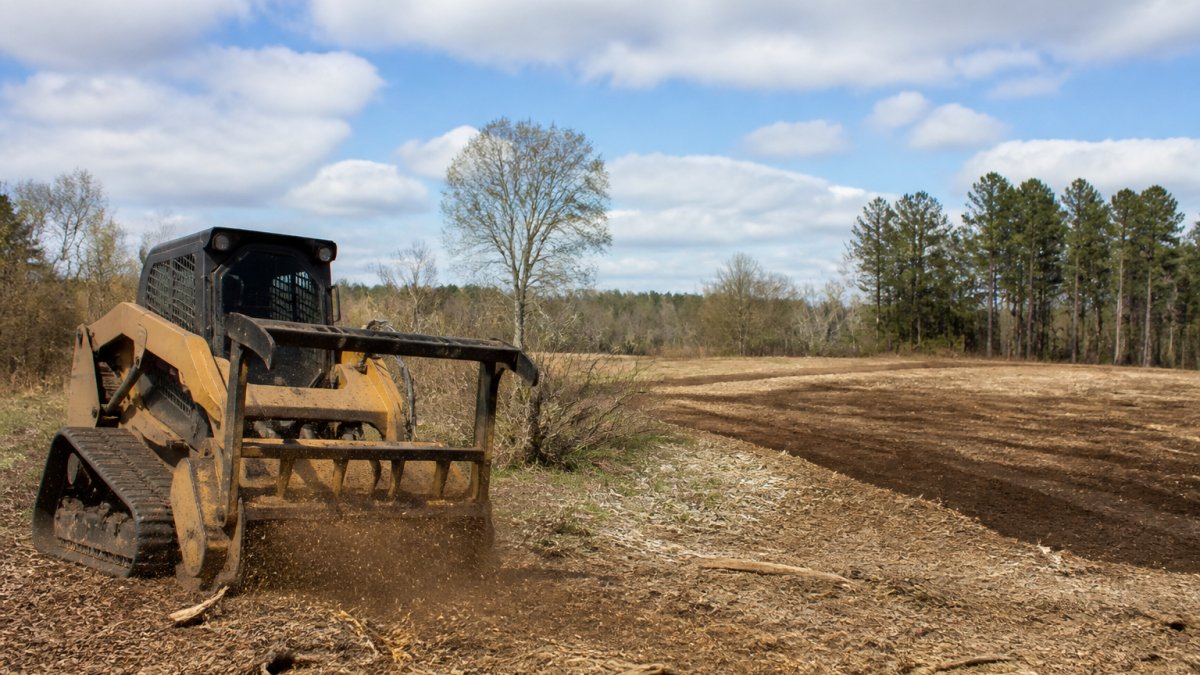
 comparison
Is Professional Pasture Reclamation Worth It?
Table of Contents
- What Professional Pasture Reclamation Actually Delivers
- Professional Land Clearing vs. DIY: The Real Trade-offs
- Pasture Reclamation Cost Per Acre and Budget Reality
- Pasture Reclamation Equipment and Methods Explained
- Pasture Renovation Timeline: From Clearing to Usable Grazing Land
- When Professional Reclamation Makes Financial Sense
- Frequently Asked Questions
Last Updated: October 12, 2026
What Professional Pasture Reclamation Actually Delivers
Professional pasture reclamation transforms overgrown, unproductive land back into usable grazing space. When brush and unwanted vegetation take over, the land loses value and grazing capacity fast. A professional service removes that overgrowth, restores soil health, and establishes conditions for forage to grow again.
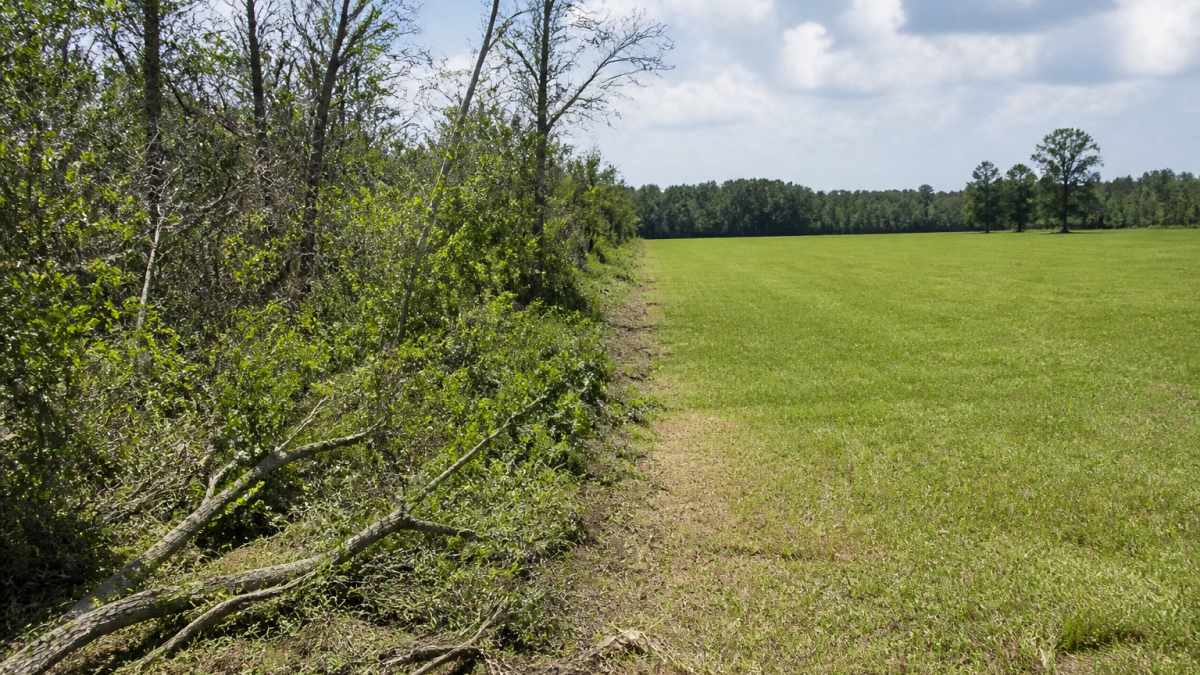
The core work involves three things: clearing unwanted vegetation and debris, improving soil conditions, and sometimes establishing new forage species. What sets professional reclamation apart from DIY cleanup is equipment, expertise, and follow-through. Contractors bring forestry mulching equipment that grinds woody material into mulch, improving soil rather than leaving debris piles, and they understand drainage, compaction, and regrowth patterns.
Landowners can regain usable acreage after reclamation work. The real benefit isn't just cleared space, it's that the land stays productive longer because the soil improves. Forestry mulching leaves nutrient-rich mulch on site, building soil health over time. Without that step, brush comes back in two or three years.
Timeline matters too. Professional reclamation typically takes weeks to months depending on acreage and overgrowth severity, and a crew with the right equipment can handle three to five acres a week. DIY clearing often stretches across seasons because the work is physically demanding and rental costs add up.
Professional Land Clearing vs. DIY: The Real Trade-offs
The choice between hiring professionals and doing it yourself comes down to acreage, equipment access, timeline, and soil impact. Both approaches work. The question is which one makes sense for your situation.
DIY clearing costs less upfront: you rent equipment, supply the labor, and avoid contractor markups. For small areas, a quarter acre of fence line or a half-acre patch, DIY makes financial sense if you have the time and physical capacity. Rental runs daily or weekly, so small jobs stay cheap, and the risk is low.
But DIY has real limits. Standard equipment like a brush hog or skid steer handles light to moderate overgrowth, but heavy woody growth, thick brush, and compacted soil push past what rentals do well.
Professional reclamation uses forestry mulching equipment that grinds brush, trees, and debris into fine mulch on site, where it stays and improves soil. The machines are expensive, so they only make sense at scale, but professionals amortize that cost across jobs.
The labor difference is significant. Professional crews finish in days what takes weeks of DIY work, and if you're managing a ranch with other demands, that time savings has real value. You also avoid the physical strain of heavy clearing.
Soil impact is where professional work really differs. Heavy equipment can compact soil if used wrong, but professional operators understand soil conditions and weight distribution, and they know when to wait for drier conditions. DIY operators often lack that expertise, and compacted soil takes years to recover. Forestry mulching improves soil rather than damaging it.
The trade-off: DIY is cheaper for small jobs and gives you control. Professional work is faster, handles heavy overgrowth, improves soil, and delivers results that last. For anything over two acres or heavy woody growth, professional reclamation usually pays for itself in regained grazing capacity.
Pasture Reclamation Cost Per Acre and Budget Reality
Cost per acre varies widely based on overgrowth severity, acreage, site access, and scope of work. There's no flat rate: a quarter acre of light brush costs differently than five acres of thick woody growth.
Light overgrowth, scattered brush, and small trees run lower per acre because the work moves faster. Heavy overgrowth, dense brush, large trees, compacted soil, and poor drainage cost more because equipment works longer and the site may need grading or drainage work afterward.
Acreage matters too. Per-acre costs drop as total acreage increases. A one-acre job costs more per acre than a ten-acre job because setup, mobilization, and crew time get spread across more land. Many contractors offer better rates for larger projects.
Site access affects cost. If equipment can drive directly to the work area, costs stay lower. Remote sites, narrow gates, or maneuvering around structures increase labor and time, and some properties need access improvements before clearing starts.
The type of work also changes cost. Basic brush removal is one price; adding soil grading, drainage correction, or forage establishment increases the total. Many landowners find doing these steps together costs less than doing them separately over time.
Getting an accurate estimate requires a site assessment. SemperFi Land Clearing LLC offers free land assessments to evaluate overgrowth severity, acreage, site access, and what restoration work makes sense, giving you a real number instead of a guess.
A useful comparison: what does regained acreage and improved grazing capacity add to your land value?
| Factor | Impact on Cost | Notes |
|---|---|---|
| Overgrowth density | Light = lower, Heavy = higher | Heavy woody growth requires more equipment time |
| Total acreage | Larger projects = lower per-acre cost | 10 acres costs less per acre than 1 acre |
| Site access | Easy access = lower, Remote = higher | Equipment mobilization and maneuvering affect labor |
| Soil work | Clearing only = lower, Grading + drainage = higher | Adding soil improvements increases total cost |
| Forage establishment | Clearing only = lower, Seeding included = higher | New seed and planting add to the bill |
Pasture Reclamation Equipment and Methods Explained
Professional reclamation uses specialized equipment designed to clear and improve land at the same time. Understanding what equipment does helps you evaluate whether professional work fits your property.
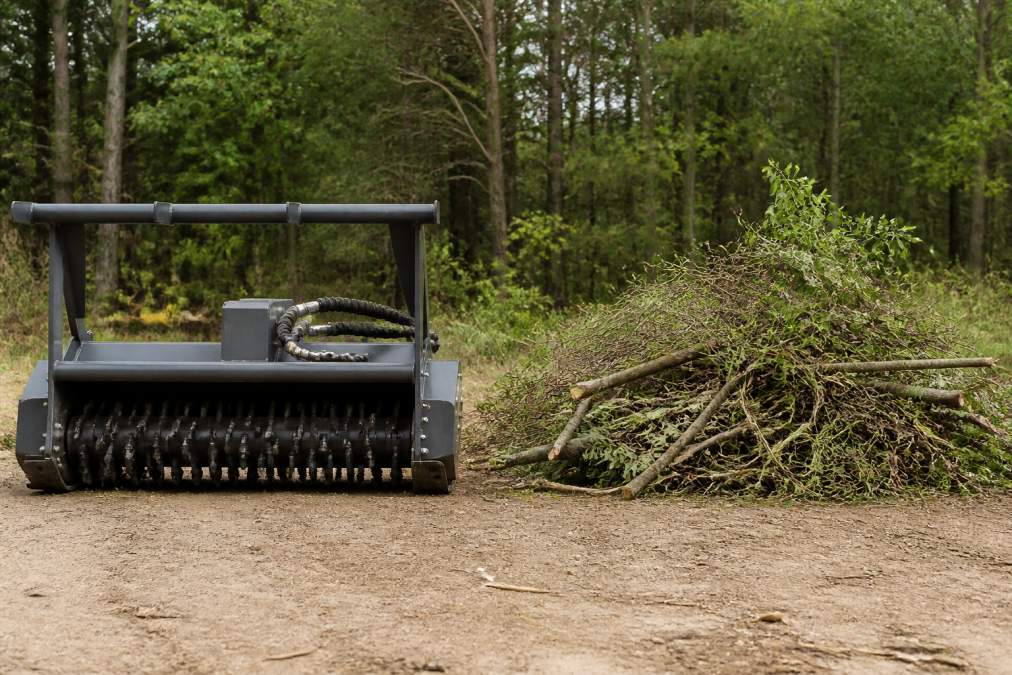
Forestry mulchers are the primary tool: heavy tracked or wheeled machines with a grinding head that turns brush, small trees, and vegetation into fine mulch. The mulch drops to the ground, covering and improving soil over time.
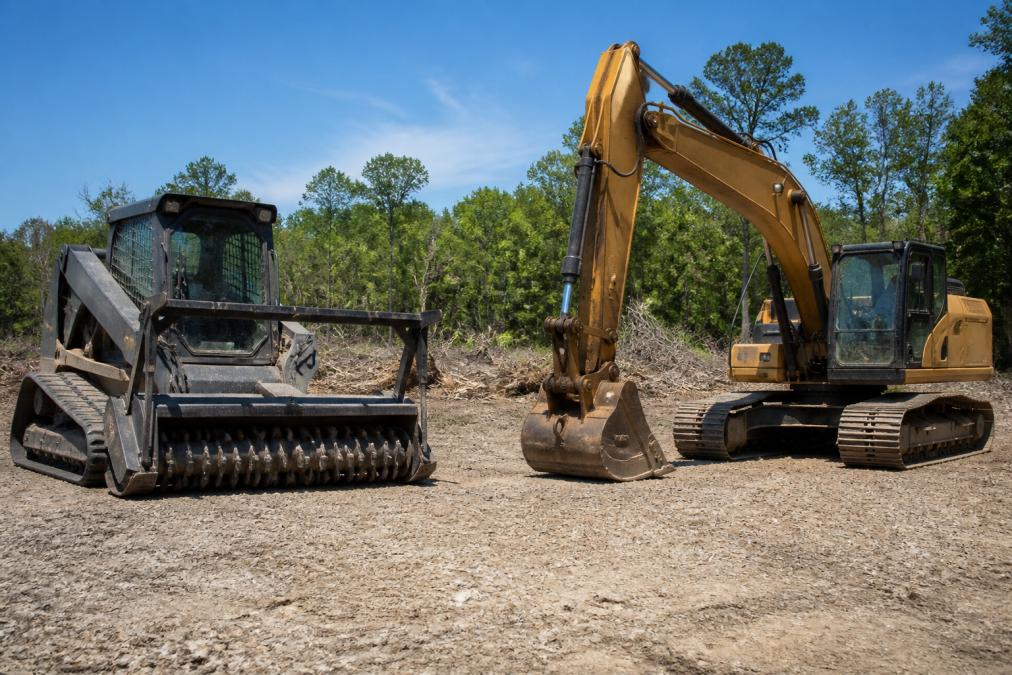
Skid steers and excavators handle site preparation, grading, and debris removal. They shape the land, improve drainage by creating swales or removing low spots, and move material around the property. They're useful for larger projects where terrain needs reshaping.
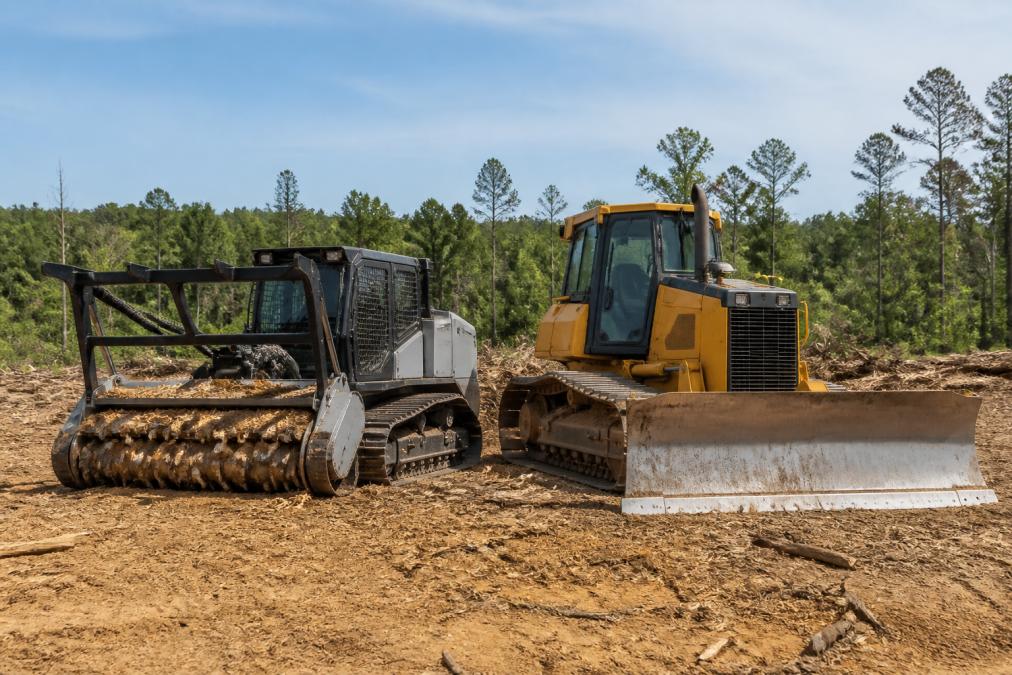
Dozer work handles severe terrain issues. If a pasture has severe compaction, erosion, or drainage problems, a bulldozer can reshape the land. It's heavier-impact equipment, so it's used selectively and usually followed by other work to restore soil.
Method matters as much as equipment.
Forestry mulching is gentler on soil than traditional clearing. Because the equipment grinds material on site instead of removing it, there's no soil disturbance from hauling and no nutrient loss from debris removal.
Some properties need additional work after clearing. Poor drainage may require swales or drainage lines, severe compaction may call for cover crops or temporary pasture, and missing forage may need overseeding or species suited to your grazing goals.
Equipment work is relatively fast: a crew with a forestry mulcher can handle three to five acres per week depending on density. What takes longer is the follow-up: waiting for forage to establish, monitoring regrowth, and managing the restored pasture.
Pasture Renovation Timeline: From Clearing to Usable Grazing Land
Timeline varies based on overgrowth severity, acreage, and what restoration steps you include. But the general sequence is: assess, clear, improve soil if needed, establish forage, then manage.
The assessment phase takes a day or two. A contractor walks the property, evaluates overgrowth density, checks soil and drainage, and identifies obstacles. SemperFi Land Clearing LLC's free assessment gives you a clear picture of what the work involves and how long it takes.
Clearing itself is fast. A crew with forestry mulching equipment typically completes one to five acres per week depending on density. Light to moderate overgrowth might clear in a week or two, while heavy woody growth with large trees takes longer.
Soil work, grading, drainage correction, or compaction relief, happens during or immediately after clearing and adds days or weeks depending on how much reshaping is needed.
Forage establishment is the longest phase. If the site has existing forage, it may regrow quickly once overgrowth is gone; if bare, you may overseed or plant specific species.
The full timeline from start to usable grazing land is typically four to eight weeks for small to medium properties, longer for large properties or those needing extensive soil work. The actual clearing is fast; forage establishment and regrowth monitoring stretch the timeline.
After clearing, monitoring matters. Unwanted vegetation can return, especially in the first year, so some properties need follow-up maintenance, mowing, targeted herbicide, or light equipment work to keep regrowth in check while forage establishes.
When Professional Reclamation Makes Financial Sense
Professional pasture reclamation makes financial sense when the regained productivity justifies the cost. That calculation depends on acreage, current land value, and your grazing or land-use goals.
If you're managing a working ranch or farm, the productivity gain is direct. Regained acreage means more grazing capacity, supporting more livestock or reducing feed purchases.
For hunting ranches, cleared land creates better habitat. Open grazing land attracts wildlife and improves food plots, and cleared fence lines make access and maintenance easier, delivering both practical and financial benefits.
For property owners planning future use, subdivision, building sites, or pasture conversion, professional reclamation increases land value. A cleared, productive property is worth more than overgrown land. Buyers prefer land that's ready to use. The reclamation cost is often recovered in the sale price.
The break-even calculation is straightforward: compare reclamation cost to the value of regained acreage and improved productivity. If reclamation returns usable acres, the land value gain alone might justify the work, and adding productivity or management benefits strengthens the case.
For small properties or light overgrowth, DIY often makes more sense financially. The cost is lower, and the work is manageable.
The risk of skipping professional reclamation is that overgrowth returns and land value stagnates. Overgrown pasture is harder to sell, harder to use, and needs more maintenance over time. Professional reclamation breaks that cycle and returns the land to productive use.
Professional pasture reclamation is worth it when the regained grazing capacity, improved land value, or management benefits justify the cost.
Frequently Asked Questions
Is it cheaper to reclaim a pasture yourself or hire a professional?
DIY reclamation requires purchasing or renting heavy equipment (forestry mulchers, dozers, skid steers), which can incur costs for rental, fuel, and operator skill. Professional services spread equipment and labor across multiple projects, which can be more cost-effective for larger jobs. However, small parcels under 1 acre may favor DIY if you own equipment. Professionals also handle drainage, soil compaction, and invasive-species control in one pass, avoiding costly do-overs. Get a free assessment to compare options for your specific acreage and land condition.
How long does it take to reclaim an overgrown pasture?
Clearing thick brush typically takes 1-3 weeks depending on acreage and vegetation density. Soil recovery and forage establishment add 4-8 weeks. Total pasture renovation timeline from start to usable grazing land usually runs 8-12 weeks. Larger projects (10+ acres) may extend to 3-4 months if drainage work or erosion control is needed. Weather and soil type affect timing; spring and fall clearing allows faster regrowth. Professional crews can work faster and handle post-clearing restoration, reducing overall project duration compared to DIY work.
What are the cons of land reclamation?
Heavy equipment can cause temporary soil compaction and disturb topsoil if not managed carefully. Brush regrowth occurs if invasive species aren't fully removed or if maintenance is skipped. Equipment access requires adequate land access roads, which may not exist on small or remote properties. Cost is significant for large acreage, and results depend on follow-up care (reseeding, drainage maintenance). Professional work reduces these risks through proper technique and post-clearing restoration, but DIY attempts often result in incomplete clearing or erosion problems that cost more to fix later.
When should you hire a professional to clear pastureland?
Hire professionals if your property exceeds 2-3 acres, has thick woody growth or invasive species, requires drainage or erosion correction, or you lack heavy equipment and expertise. Properties with poor soil health, steep slopes, or mixed terrain also benefit from professional assessment and selective clearing. Small hobby-farm fence lines (under 1 acre) may be manageable DIY, but professionals handle thick overgrowth faster and prevent costly regrowth. A free land assessment helps determine whether professional reclamation will improve your grazing capacity and land value enough to justify the investment.