 ultimate-guide
Cost of Land Clearing Per Acre 2026: Complete Pricing Guide
Table of Contents
- Average Cost of Land Clearing Per Acre in 2026
- Forestry Mulching Cost Per Acre: What to Expect
- Factors Affecting Land Clearing Prices
- Land Clearing Permit Requirements and Legal Compliance
- Comparing Land Clearing Methods: Mulching, Grubbing, and Traditional Clearing
- Hidden Costs and Site Preparation Expenses
- How to Get Accurate Contractor Quotes and Estimate Your Project
- Frequently Asked Questions
Last Updated: September 21, 2026
Average Cost of Land Clearing Per Acre in 2026
The cost of land clearing per acre 2026 varies depending on vegetation density, terrain, and site access. This guide from SemperFi Land Clearing LLC breaks down what drives those numbers, because a single "average" figure hides more than it reveals.
National Averages vs. Regional Variations
National averages are a starting point, not a quote. Industry averages assume moderate vegetation and flat terrain, which describe very few real parcels. The same acre can cost twice as much on a sloped, densely wooded site with no equipment access.
Forestry Mulching Cost Per Acre: What to Expect
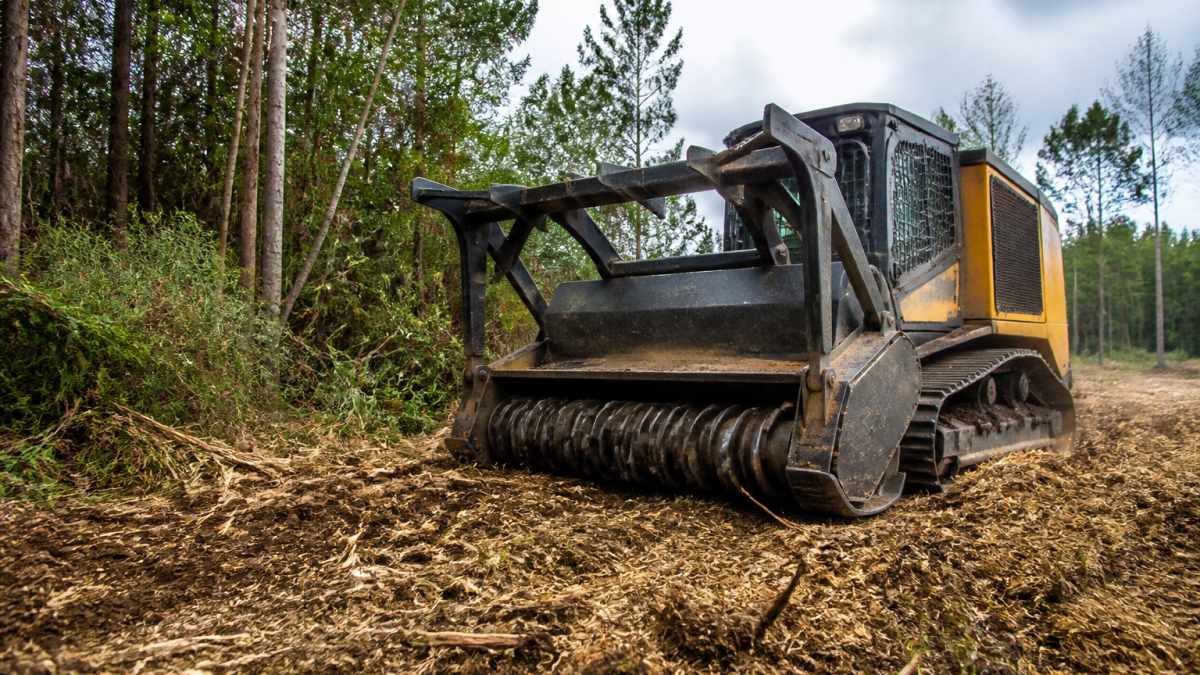
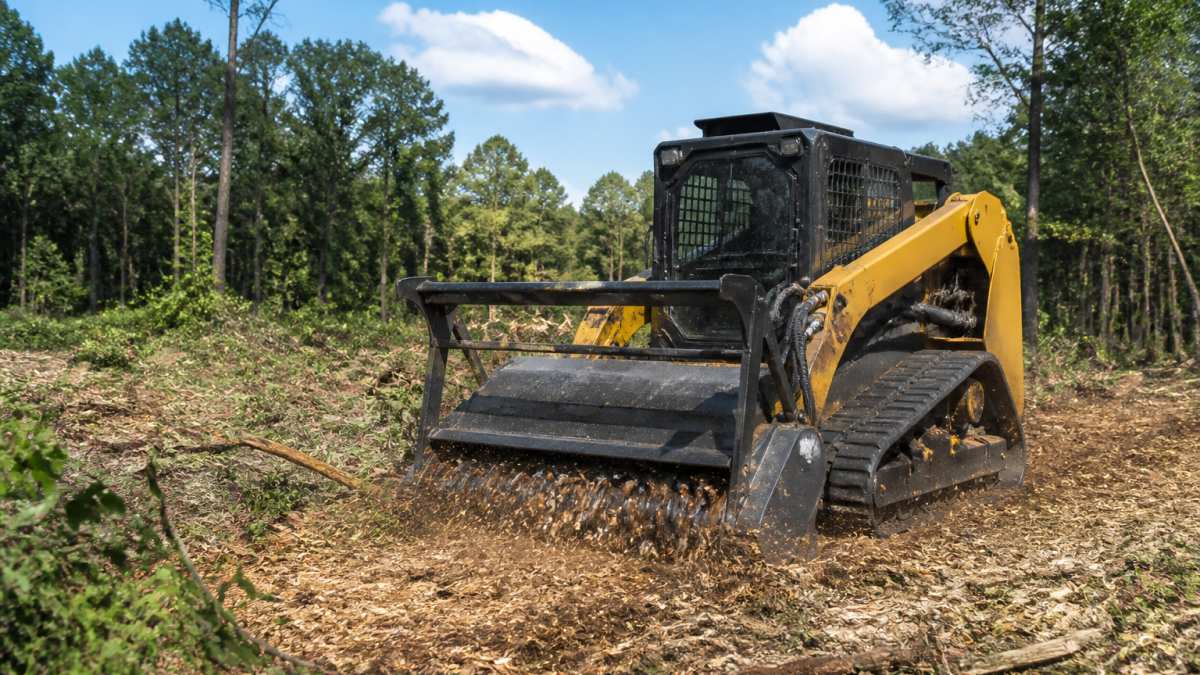
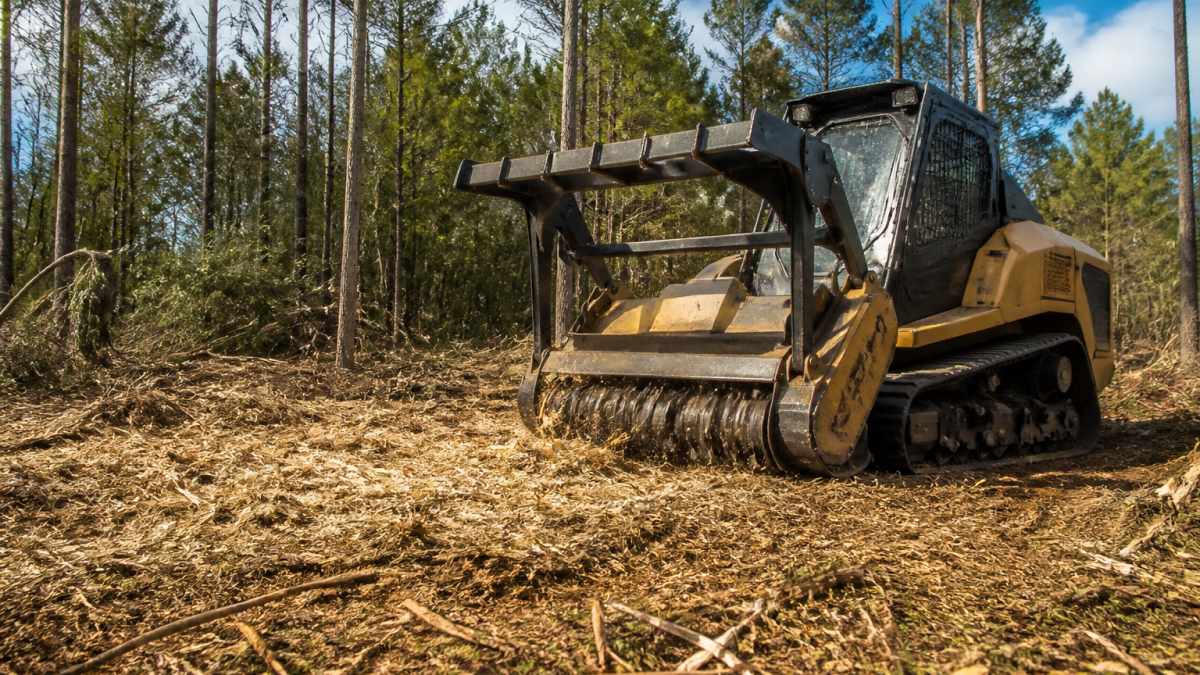
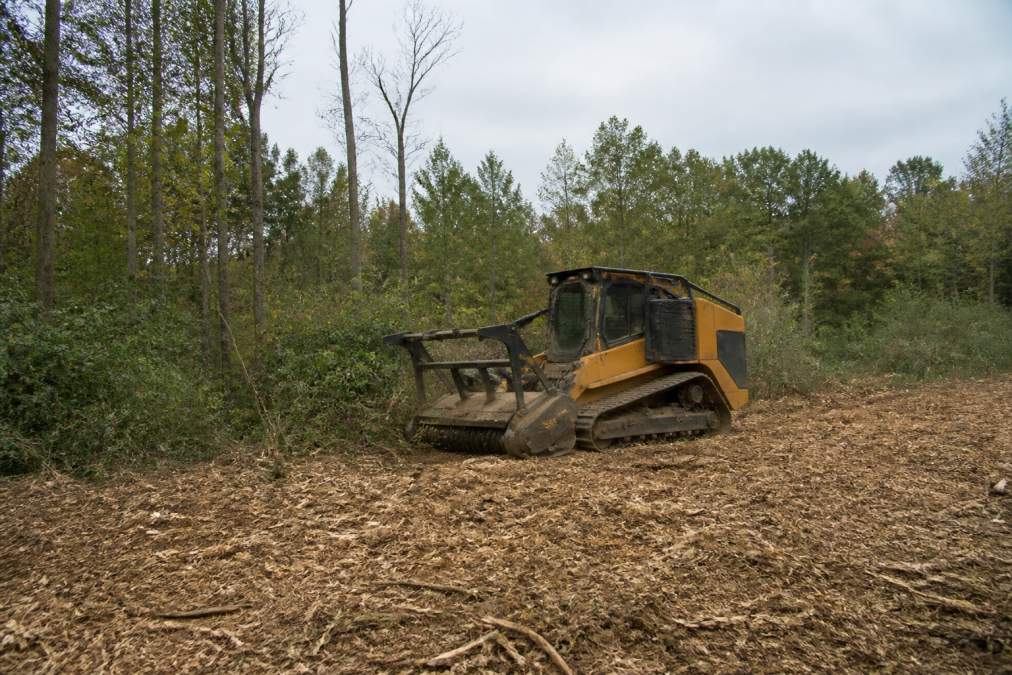
Forestry mulching cost per acre generally runs in the middle of the clearing price range. One machine grinds standing brush, saplings, and small trees into mulch that stays on the ground, eliminating hauling and burning costs.
Factors Affecting Land Clearing Prices
Factors affecting land clearing prices come down to four variables: vegetation density, terrain topography, site accessibility, and debris handling. Every quote is a contractor's estimate of how those four interact on your parcel.
Vegetation Density and Terrain Topography
Vegetation density drives machine hours more than any other factor. Light brush clears quickly; dense acreage with mature trees and heavy undergrowth can multiply the time required.
- Light vegetation: brush, saplings, and undergrowth under a few inches in diameter
- Moderate vegetation: mixed trees and dense brush requiring multiple passes
- Heavy vegetation: mature hardwoods, thick undergrowth, and large stumps
- Difficult terrain: slopes, wetlands, rock, or restricted machine access
Site Accessibility and Equipment Requirements
Site accessibility decides which land clearing equipment can reach the work. A wide, firm entrance lets a bulldozer or excavator move freely. A narrow gate, soft ground, or a long approach through neighboring property changes the plan.
Land Clearing Permit Requirements and Legal Compliance
Permit requirements vary by state, county, and even parcel. There is no universal rule, but several federal triggers apply regardless of location. Confirm local requirements before any machine touches the ground.
Common triggers for permits and review include:
- Working near wetlands, streams, or floodplains
- Clearing above a threshold acreage set by local ordinance
- Sites with endangered species habitat or protected trees
- Erosion and sediment control plans required during and after clearing
The Federal Triggers Most Guides Skip
Three federal programs catch landowners off guard because they apply even on private property with no zoning.
Debris Disposal: Burning vs. Hauling vs. Mulching
- Open burning. Many states and counties restrict or ban open burning, and most require a seasonal burn permit. Smoke complaints, fire escapes, and air-quality rules can shut a burn down mid-project, and even where burning is legal, pile size, distance from structures, and weather restrictions usually apply.
- Hauling off site. Debris hauled to a landfill or biomass facility is the most compliant option but the most expensive, since trucking and tipping fees scale with volume. Some jurisdictions classify green waste separately from construction debris, changing where it can go.
- Mulching in place. Forestry mulching sidesteps most disposal rules by leaving material on site as ground cover, the lowest-compliance-risk option in most jurisdictions, though it does not eliminate erosion-control obligations.
Federal, state, and local rules can all apply at once. A local contractor who works your county regularly will know which apply.
Comparing Land Clearing Methods: Mulching, Grubbing, and Traditional Clearing
Choosing a clearing method is a trade-off between cost, speed, and the finished condition of the land. Forestry mulching, grubbing, and traditional clearing each suit different goals.
| Method | Best For | Debris Handling | Relative Cost |
|---|---|---|---|
| Forestry mulching | Brush, saplings, light-to-moderate trees | Mulch left in place | Lower to mid |
| Grubbing | Stump and root removal for construction | Debris hauled or burned | Mid to high |
| Traditional clearing | Heavy timber, full site prep | Push, pile, haul, or burn | Highest |
Hidden Costs and Site Preparation Expenses
The quoted per-acre price rarely covers everything. Hidden costs surface during site preparation, debris handling, and post-clearing work, and add-ons typically run 15 to 30 percent above the base clearing quote on a residential or agricultural parcel, with a wider spread on sloped or wet sites.
- Grading and finish work. Clearing leaves rough ground. Establishing a buildable pad, driveway base, or pasture grade is separate machine work.
- Culverts and access improvements. A culvert, gravel entrance, or temporary access mat is often required before a machine can reach the work zone.
- Stump removal. When the clearing method leaves stumps behind, grinding them out is a separate line item priced per stump or per inch of diameter.
- Seeding and stabilization. Revegetating exposed soil is almost never bundled into the per-acre clearing price.
- Debris hauling. Trucking and tipping fees scale with volume and distance to the disposal site.
Stump Removal and Debris Disposal
Stump removal and debris disposal are the two most common add-ons. Grinding stumps is separate machine work, priced by stump size, root flare, and access. Hauling debris off site adds trucking and disposal fees that scale with volume.
Soil Erosion Control and Post-Clearing Land Management
Bare soil erodes, the part most price guides skip, and where a cheap clearing job can become an expensive restoration project. Exposed ground loses topsoil to rain and wind unless stabilized, and most loss occurs between clearing and the next heavy rain.
Erosion control measures include:
- Seeding or hydroseeding exposed areas quickly after clearing
- Silt fencing and sediment barriers along slopes and drainage paths
- Leaving a mulch layer in place to hold soil and moisture
- Avoiding clearing on steep slopes right before a rainy season
- Installing temporary diversion berms or swales to slow runoff across disturbed ground
How to Get Accurate Contractor Quotes and Estimate Your Project
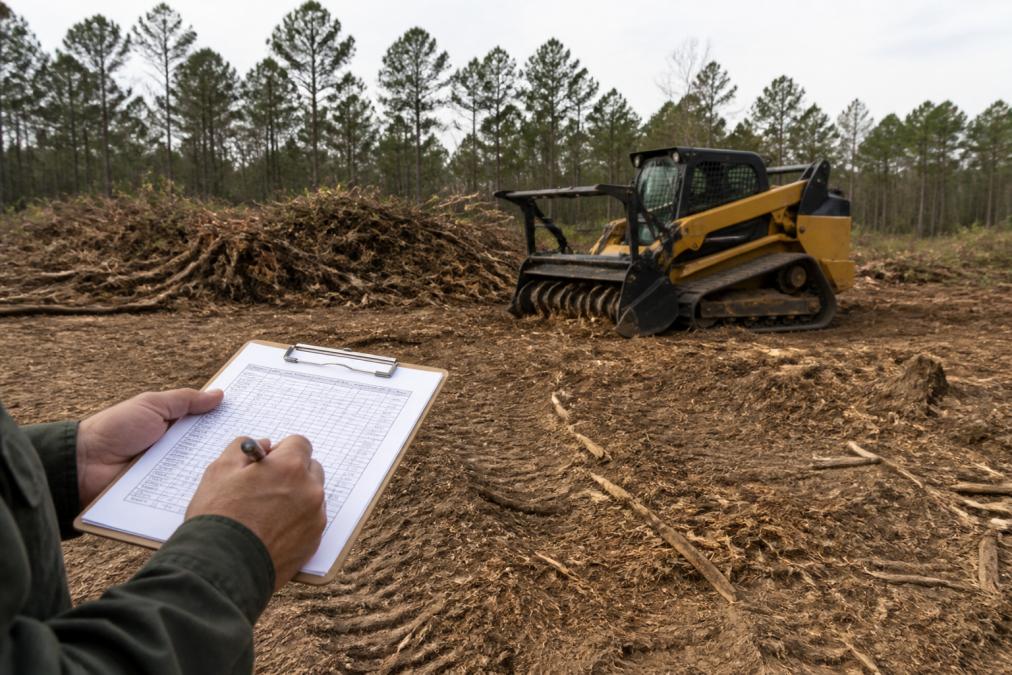
Accurate quotes come from on-site assessments, not phone estimates. A contractor who quotes per acre without seeing your land is guessing, and the guess usually lands low.
Use this checklist when gathering quotes:
- Walk the property with each contractor, not just the driveway
- Ask what the per-acre price includes and excludes in writing
- Confirm how debris will be handled, left, burned, or hauled
- Ask about stump removal as a separate line item
- Request an erosion control plan for post-clearing
- Verify insurance and liability coverage before work begins
- Get the timeline and completion terms in writing
Frequently Asked Questions
How much does it cost to clear one acre of land in 2026?
The cost of land clearing per acre in 2026 varies based on vegetation density, terrain, and method. Light clearing with forestry mulching may cost less per acre than heavy grubbing with stump removal. Dense wooded acreage with large trees requires more machine hours and debris disposal, which can increase costs. Inquire about detailed breakdowns of labor, equipment, and disposal fees to compare accurately.
Is forestry mulching cheaper than traditional land clearing?
Forestry mulching may offer cost advantages over traditional clearing methods as it can eliminate the need for hauling debris off-site. The mulching process grinds vegetation into mulch that remains on the ground, potentially reducing disposal fees and trucking costs. Traditional clearing with excavators and bulldozers typically involves stump removal, root grubbing, and debris hauling, which adds labor and equipment expenses. However, for sites with large trees or rocks, traditional methods may still be necessary.
What factors affect land clearing prices the most?
The biggest factors affecting land clearing prices include vegetation density, terrain topography, site accessibility, and the clearing method chosen. Dense undergrowth and large trees require more machine hours. Steep slopes or wet areas slow equipment and increase labor costs. Sites with limited access for heavy equipment may need smaller machines or additional site preparation. Permit fees and environmental regulations can also add to the total project cost.
Do I need a permit for land clearing in my area?
Land clearing permit requirements vary by state, county, and local municipality. Many jurisdictions require permits for clearing above a certain acreage, near waterways, or in environmentally sensitive areas. Some areas have erosion control ordinances that mandate a site plan before clearing begins. Contact your local planning or environmental department to confirm what applies to your property. Contractors familiar with local regulations can help you navigate the permitting process.
How long does it take to clear an acre of land?
Clearing time depends on vegetation density, terrain, and equipment used. A forestry mulcher can clear light to moderate brush on one acre in a few hours. Dense wooded acreage with large trees and stump removal may take a full day or more per acre. Site accessibility and weather conditions also affect timelines. Ask your contractor for a realistic schedule based on your specific property conditions.
What hidden costs should I expect beyond the quoted price?
Hidden costs in land clearing projects often include stump grinding, debris disposal fees, soil erosion control measures, and site grading after clearing. Some projects require land surveys or environmental assessments before work begins. If the site lacks access for heavy equipment, you may need to pay for temporary road construction or smaller equipment. Always ask for a detailed quote that itemizes these potential expenses to avoid surprises.