 ultimate-guide
Land Clearing Cost Per Acre 2026: What Drives the Price
Last Updated: October 24, 2026
Quick Summary
Land clearing cost per acre in 2026 is not a fixed number, because the price is set by what is growing on the land, how the ground lies, how tight the access is, and which clearing method fits the job. Two parcels of the same size a few miles apart can carry very different price tags, and the reason is almost never the acreage itself.
- Density decides how many machine hours a parcel consumes, and machine hours are the backbone of any per-acre figure.
- Slope and access quietly drive cost more than most landowners expect, slowing equipment and adding mobilization time.
- Forestry mulching grinds vegetation in place, removing debris hauling, burn permits, and pile management from the estimate.
- A site assessment walks the actual property to measure density, species mix, slope, wet spots, and access points.
- Divide the property into zones by vegetation and terrain instead of pricing it as one block.
Table of Contents
- Land Clearing Cost Per Acre in 2026: The Variables That Set Your Number
- Factors Affecting Land Clearing Prices
- How Land Clearing Methods Change the Cost Picture
- Forestry Mulching Benefits That Affect Your Bottom Line
- Why a Land Clearing Site Assessment Comes Before Any Number
- How to Build a Land Clearing Cost Per Acre Estimate
- Conclusion
- Frequently Asked Questions
Land Clearing Cost Per Acre in 2026: The Variables That Set Your Number
Land clearing cost per acre in 2026 is not a fixed number you can look up and budget against. It is an output: the sum of what is growing on the land, how the ground lies, how tight the access is, and which method fits the job. Two parcels of the same size a few miles apart can carry very different price tags, and the reason is almost never the acreage itself.
At SemperFi Land Clearing LLC, we quote East Texas jobs every week, and the pattern is consistent: the land tells you the price, not the map. Below, we break down exactly which variables move a per-acre figure, how each clearing method shifts the economics, and how to build your own estimate before anyone walks your property.
Factors Affecting Land Clearing Prices
Three factors do most of the work in any quote: what is growing, how the ground lies, and how easily equipment reaches it. Everything else is a modifier on top of those.
Vegetation Density and Species
Density decides how many machine hours a parcel consumes, and machine hours are the backbone of any per-acre figure. Sparse pasture with light saplings clears quickly. Thick, multi-stemmed brush that has grown unchecked for years is a different job entirely, and density matters more than species in most cases.
Species still matters at the margins. Hardwoods take longer to process than soft growth, and large-diameter timber usually requires a different approach than mulching alone can deliver. A common mistake is estimating from a photo taken at the fence line. The interior of a parcel is often denser than the edges suggest.
Terrain, Access, and Slope
Slope and access quietly drive cost more than most landowners expect. Steep ground slows equipment, limits which machines can safely work, and adds time to every pass. Wet areas, ravines, and rock outcrops force workarounds.
Access is the other half. A parcel with a wide gate off a paved road lets equipment roll in and out efficiently. A parcel reached through a narrow easement, a soft field, or a neighbor's driveway adds mobilization time and sometimes requires smaller equipment. Fence line work is its own category, since it demands precision rather than raw throughput.
How Land Clearing Methods Change the Cost Picture
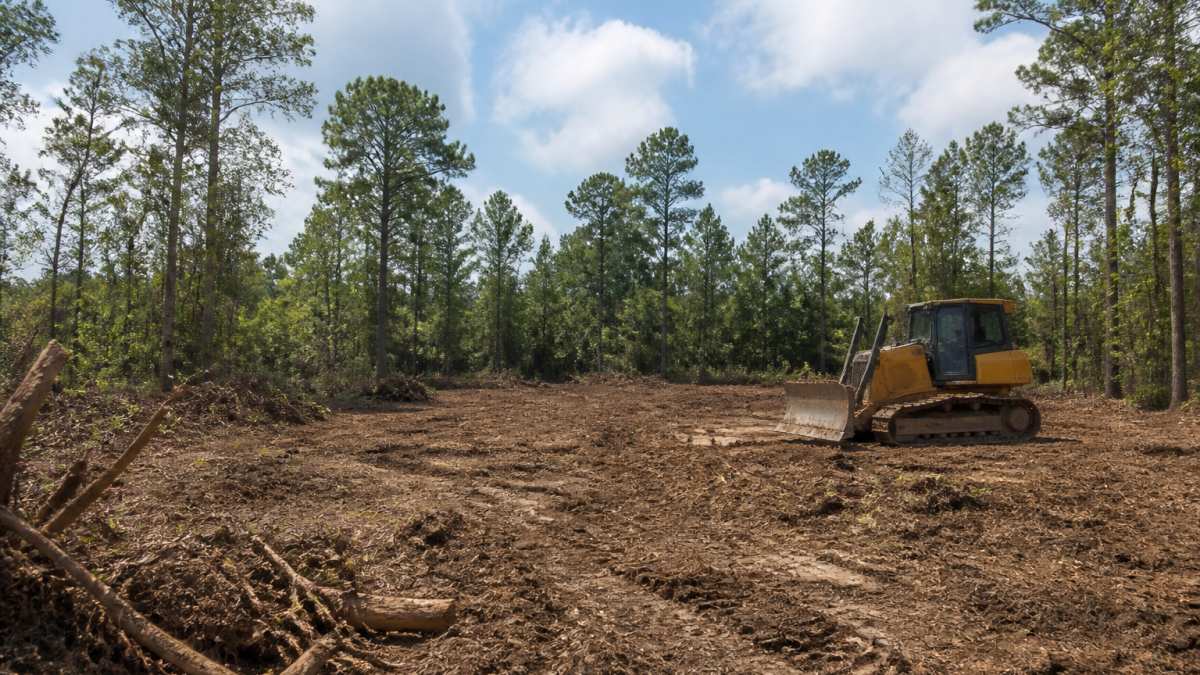
Clearing methods are not interchangeable, and the method chosen reshapes the entire cost structure. Bulldozing and similar push-and-pile approaches move soil along with vegetation, then require disposal of the debris. That means hauling, burning, or burying, each with its own time and equipment demands.
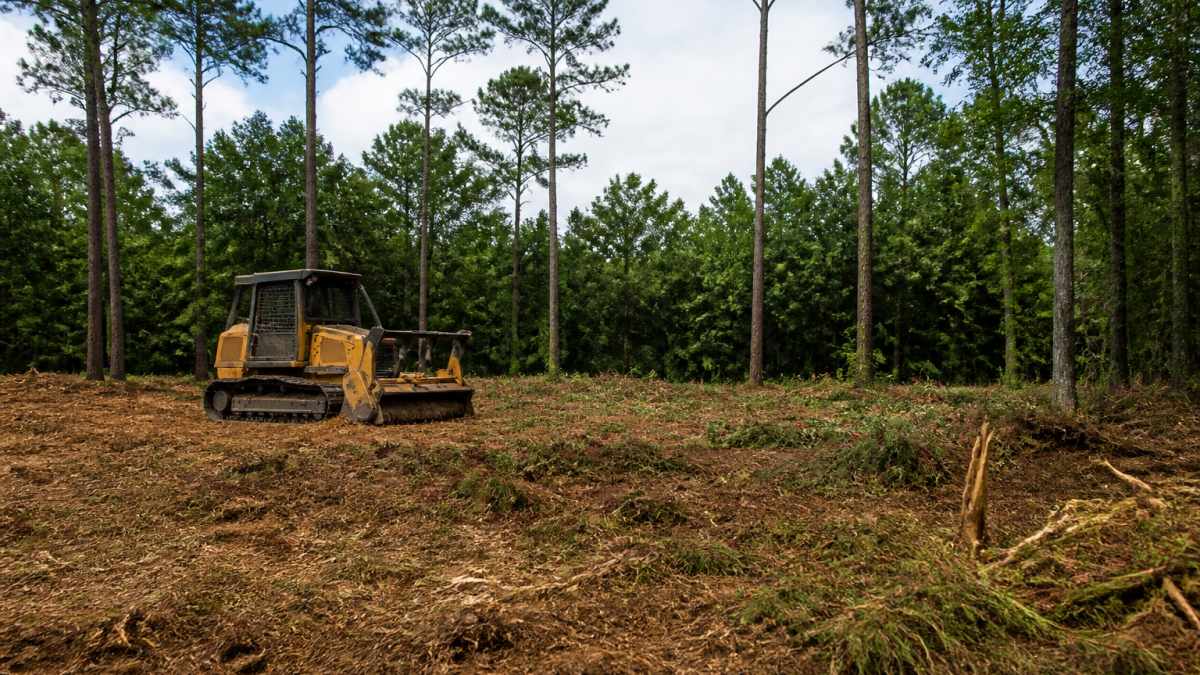
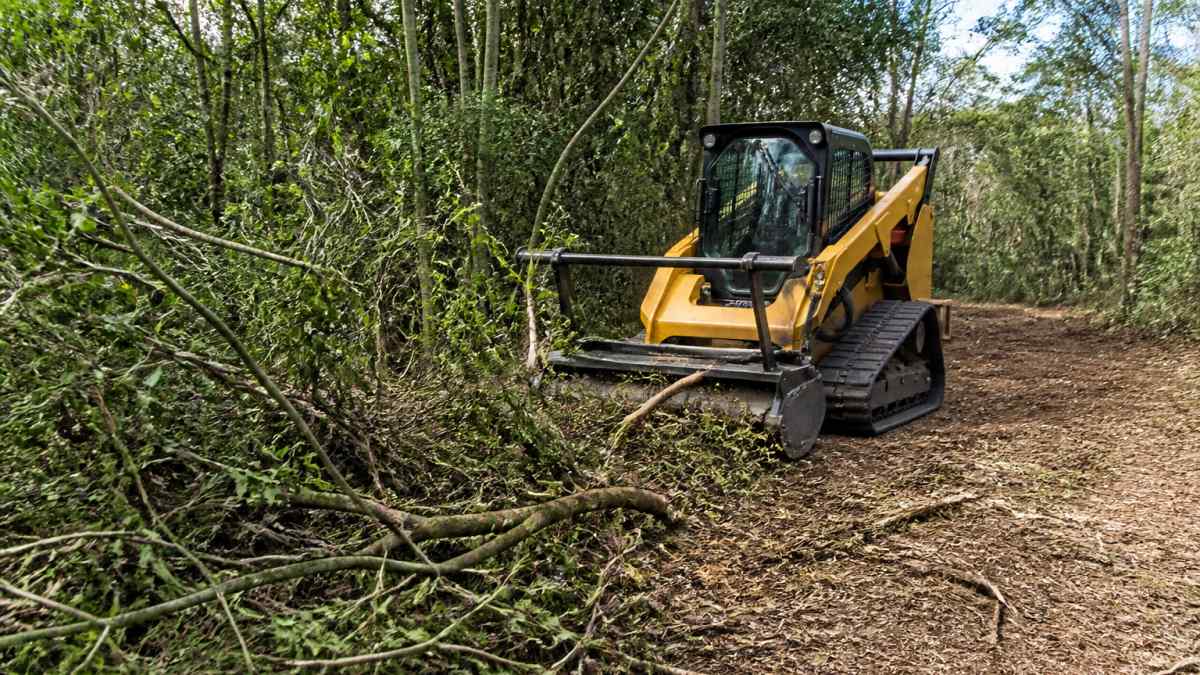
Forestry mulching works differently: a single machine grinds vegetation in place, leaving mulch on the ground. There is no pile to burn and no debris to haul, which removes entire line items from the estimate. The trade-off is that mulching handles brush and small trees best, while large timber may need a different plan.
For a closer look at how the two approaches stack up, see our forestry mulching vs bulldozing comparison. If mulching looks like the fit for your ground, our guide walks through what drives those numbers.
| Method | Debris Handling | Ground Disturbance | Best Fit |
|---|---|---|---|
| Bulldozing | Pile, burn, or haul | High | Large timber, full site prep |
| Forestry mulching | None, mulch stays | Low | Brush, overgrowth, fence lines |
| Hand clearing | Cut and stack | Minimal | Tight or sensitive areas |
Forestry Mulching Benefits That Affect Your Bottom Line
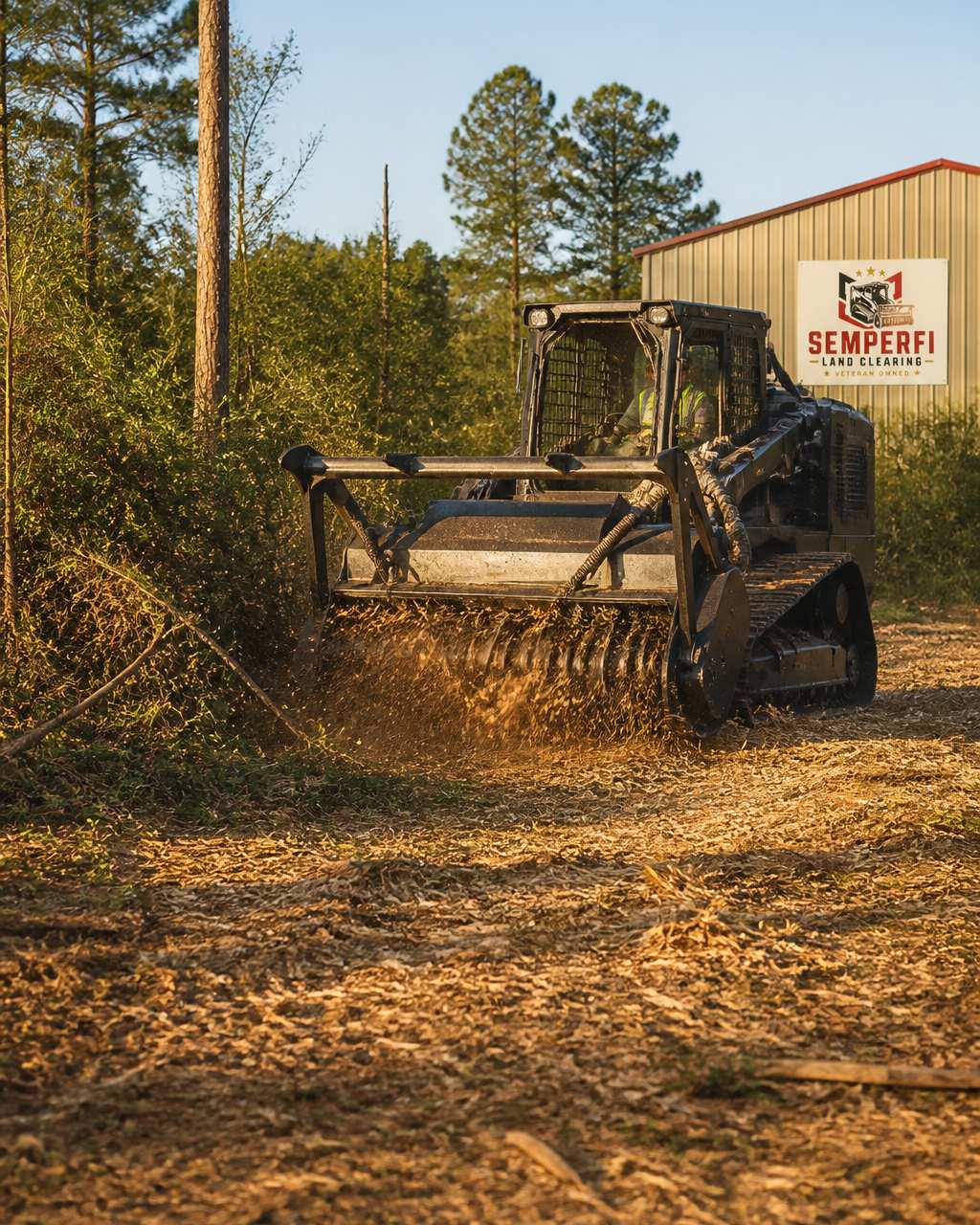
The financial case for mulching shows up in what you do not pay for. No debris hauling, no burn permits or pile management, and no bare-soil restoration afterward. Mulch left in place holds moisture and moderates soil temperature, which many landowners find helps the ground recover and resist immediate regrowth better than bare dirt does.
That last point answers the question we hear most: will the brush come right back? Mulching does not sterilize the seed bank, so some regrowth is normal. What mulch does is suppress the flush and give you a manageable maintenance window instead of an immediate re-infestation. The forestry mulching benefits go beyond cost into soil health and erosion control, which matters if the cleared land will be pasture, food plots, or building sites.
Why a Land Clearing Site Assessment Comes Before Any Number
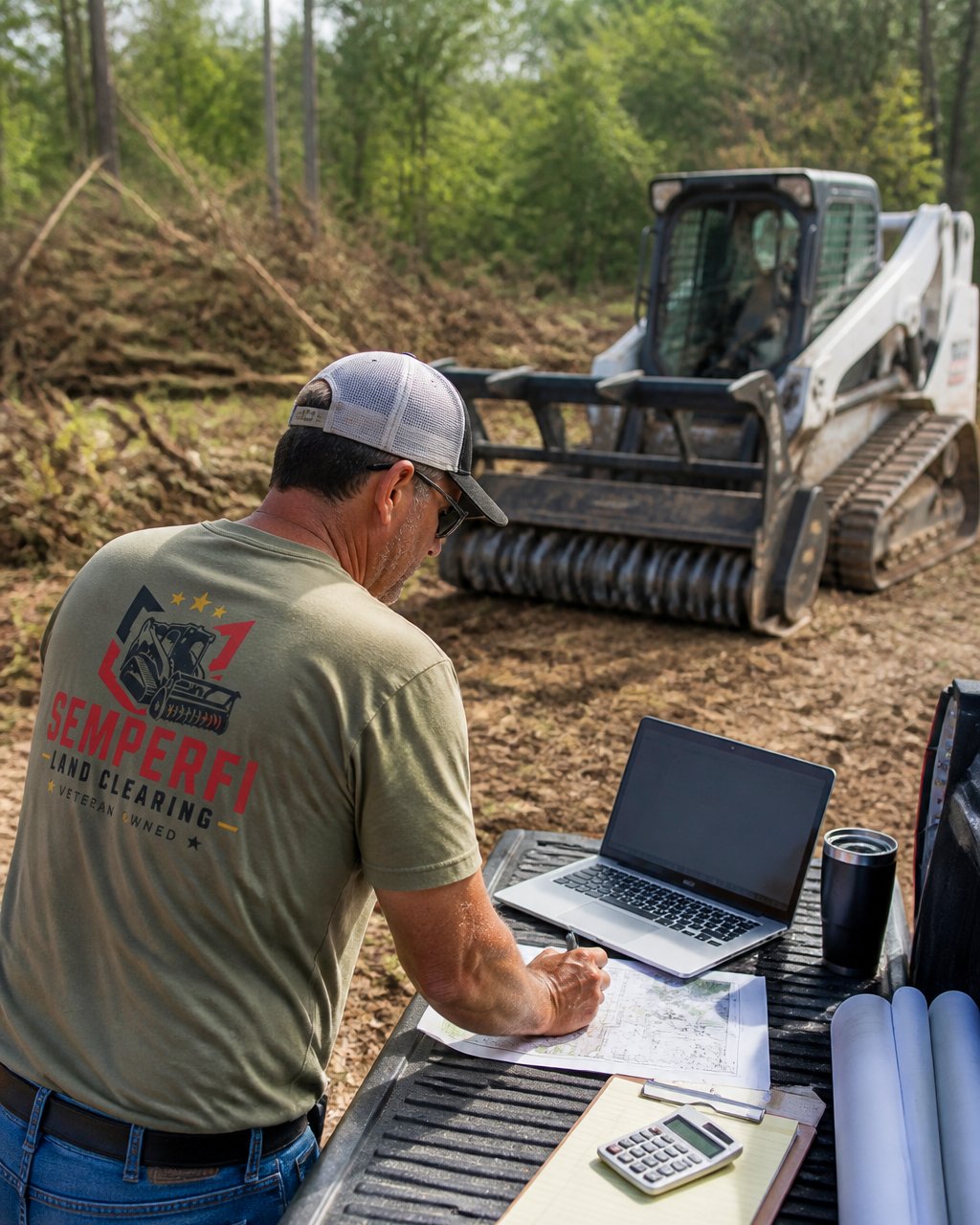
A site assessment is a walk of the actual property to measure the variables that set price: density, species mix, slope, wet spots, access points, and any structures or fencing in the way. It is the step that converts a guess into a defensible estimate.
Remote quotes are where most pricing disputes begin. Land that looked manageable from the road turns out to hide a ravine or a stand of hardwoods, and the number moves after the fact. An on-site look catches those before the figure is set. It also lets you ask about scope: a quarter-acre of fence line and a fifty-acre pasture are different jobs, and a reputable provider will tell you which ones they take.
Our free land assessment is exactly that: a walk of your property with no obligation attached. No pressure, no contract waiting at the end.
How to Build a Land Clearing Cost Per Acre Estimate
Start by dividing the property into zones rather than pricing it as one block. Dense brush, open pasture, fence lines, and wet areas each carry different time demands, and blending them into a single average hides where the money actually goes.
A workable framework:
- Map the parcel into zones by vegetation and terrain.
- Estimate the relative machine hours each zone will consume.
- Choose the method per zone, not per property.
- Add mobilization and access time as a separate line.
- Ask for a written scope that names what is included and what is not.
That structure gives you something to compare quotes against. For a full breakdown by method and region, our guide covers it in detail, and it is the natural next read once your zones are mapped.
Conclusion
The number that lands on your estimate will come from your land, not from a national average. Density, slope, access, and method decide it, and the only way to price them honestly is to look at the ground.
SemperFi Land Clearing LLC is veteran-owned and built around precision and reliability, from specialized 10-foot fence line clearing to full forestry mulching. We finish what we start, and we put the scope in writing. Request a free land assessment and get a number built on your property instead of a guess.
Frequently Asked Questions
What factors have the biggest impact on land clearing estimates?
The biggest drivers are vegetation density and species, terrain and slope, how easily equipment can reach the work area, and the method chosen. A quarter acre of light saplings is a different job from three acres of dense hardwood and tangled fence lines, even though both are small parcels. Distance from the nearest equipment staging point and how much debris must be hauled off also move the number. Because these vary so much from property to property, a land clearing cost per acre figure only becomes meaningful after someone has walked the site.
Does the density of vegetation change the complexity of land clearing?
Yes, and it is often the single largest swing factor. Light grass and scattered saplings clear quickly, while mature hardwood, thick understory, and decades of accumulated brush slow equipment and require more passes. Density also affects what happens to the material: mulching it in place is faster than piling and hauling it away. Property owners with overgrown fence lines and heavy brush should expect the density question to dominate the conversation during an assessment.
What is the difference between forestry mulching and traditional land clearing?
Traditional clearing typically pushes, piles, and removes vegetation, which means soil disturbance and hauling costs. Forestry mulching grinds vegetation in place into a layer of mulch on the ground. That leaves the root structure and topsoil largely intact, reduces truck traffic, and often speeds up the job. The forestry mulching benefits show up later too: the mulch layer helps hold moisture and suppress new growth. The right choice depends on what you plan to do with the land afterward.
Why is a professional site assessment important before starting a project?
A land clearing site assessment turns a guess into a plan. It identifies vegetation types, slope, wet areas, access routes, and any obstacles such as fences or structures that affect how equipment moves. It also reveals whether the job is a one-pass mulching project or something more involved. Skipping this step is how estimates go sideways after work starts. A free assessment lets you compare approaches on equal footing and understand what is actually driving your quote.
Does terrain affect the equipment needed for land clearing?
It does. Flat, dry ground allows larger, faster equipment. Slopes, soft spots, and tight access points may require smaller or tracked machines that work more slowly. Wet areas can limit when the work is even possible. Each of these constraints adds time, and time is what you are really paying for. That is why two properties of the same acreage can receive very different quotes once terrain is factored in.
How do I compare land clearing quotes without a fixed price per acre?
Ask each provider what is included: method, debris handling, stump treatment, cleanup, and timeline. Confirm the quote reflects an on-site assessment rather than a phone estimate. Then compare the scope, not just the total. A lower number that excludes hauling or leaves piles behind is not the same job. For a land clearing cost per acre comparison that means anything, every quote should describe the same work on the same ground.