 ultimate-guide
Brush Clearing East Texas: Land Clearing Costs & Tips
Table of Contents
- Why Overgrown Land Costs You More Than You Think
- Brush Removal Techniques: Which Method Fits Your Land
- Forestry Mulching Cost Per Acre: What Actually Drives the Price
- Fence Line Clearing: Why 10-Foot Access Matters
- Site Preparation, Stump Grinding, and Dirt Work for New Builds
- Permits, Soil Health, and What East Texas Landowners Should Know
- How to Prepare for a Free Land Assessment
- Conclusion
- Frequently Asked Questions
Last Updated: September 30, 2026
Why Overgrown Land Costs You More Than You Think
Brush clearing in East Texas is rarely just about looks. Left alone, dense thickets choke fence lines, swallow pasture, and turn usable acreage into land you can't walk through, let alone build on. At SemperFi Land Clearing LLC, we see the same pattern across Longview and Tyler: a few seasons of neglect, and a property that once had clear boundaries now has none.
Brush Removal Techniques: Which Method Fits Your Land
The right brush removal technique depends on what's growing, how thick it is, and what you plan to do with the land afterward. Three methods dominate this region, and each leaves your property in a different condition.
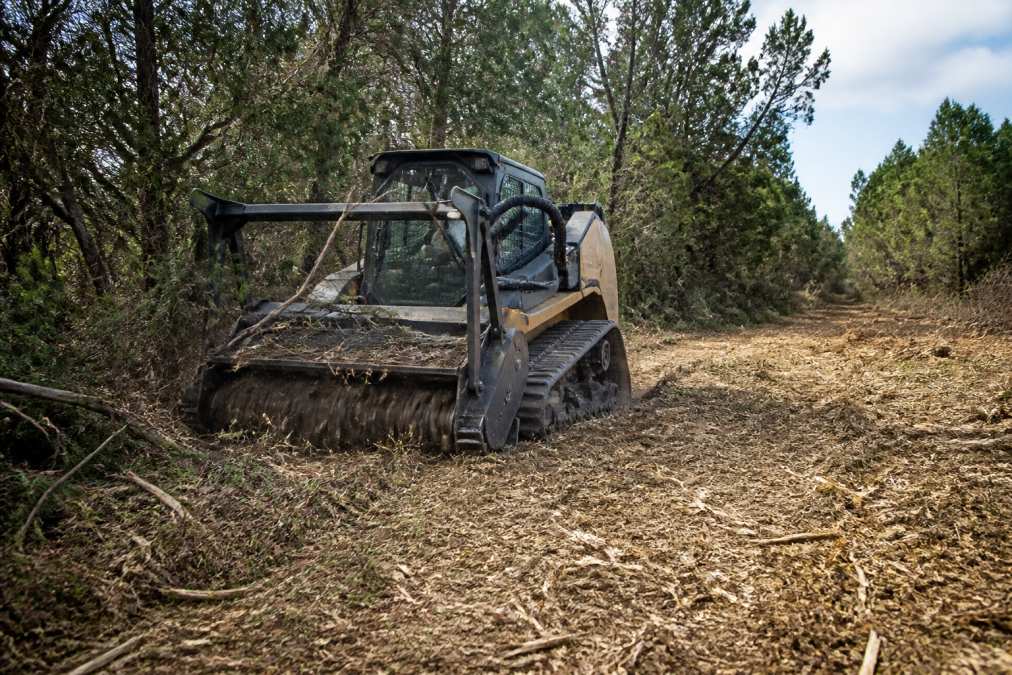
Forestry Mulching vs. Bulldozing vs. Brush Hogging
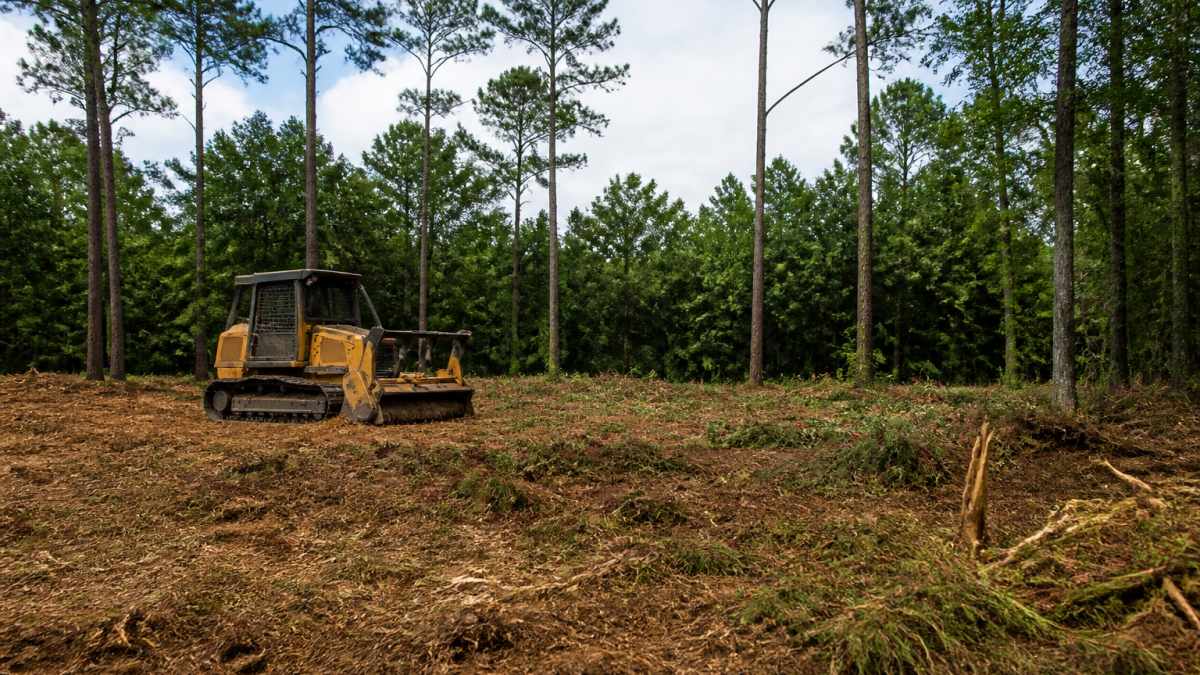
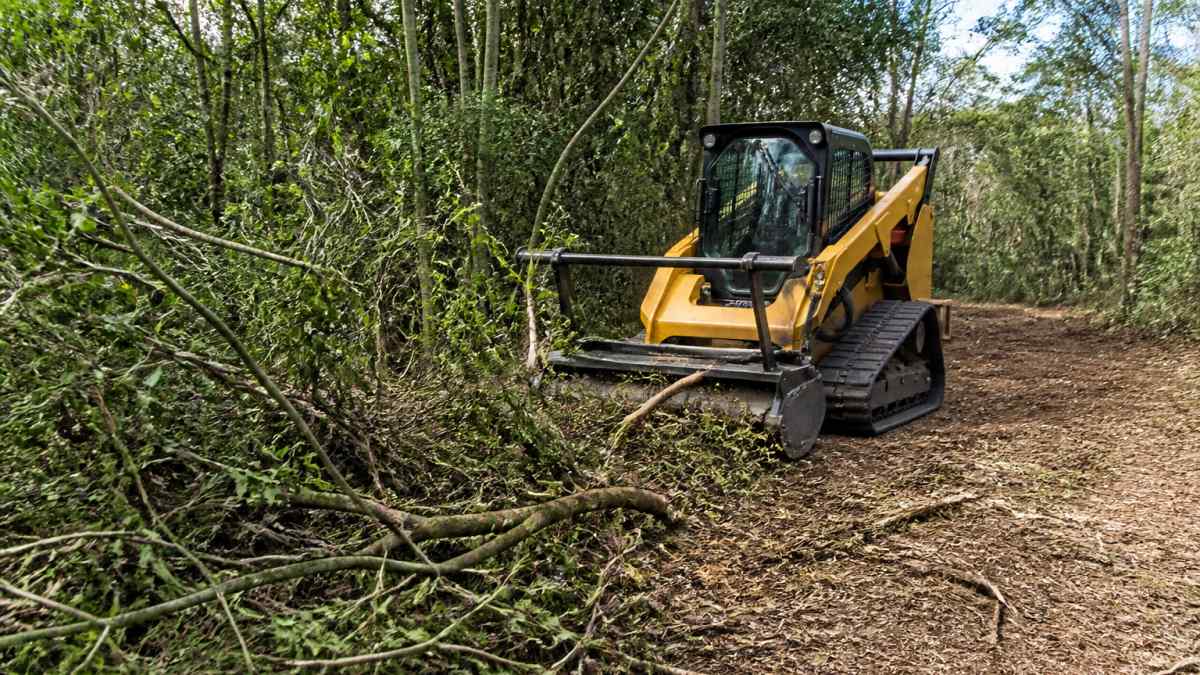
Forestry mulching grinds standing brush, small trees, and undergrowth into mulch using a specialized attachment on a tracked machine. The mulch stays on the ground, holding moisture and slowing erosion on sloped acreage.
| Method | Best For | Leaves Behind | Regrowth Risk |
|---|---|---|---|
| Forestry mulching | Dense thickets, fence lines, uneven terrain | Ground mulch layer | Low to moderate |
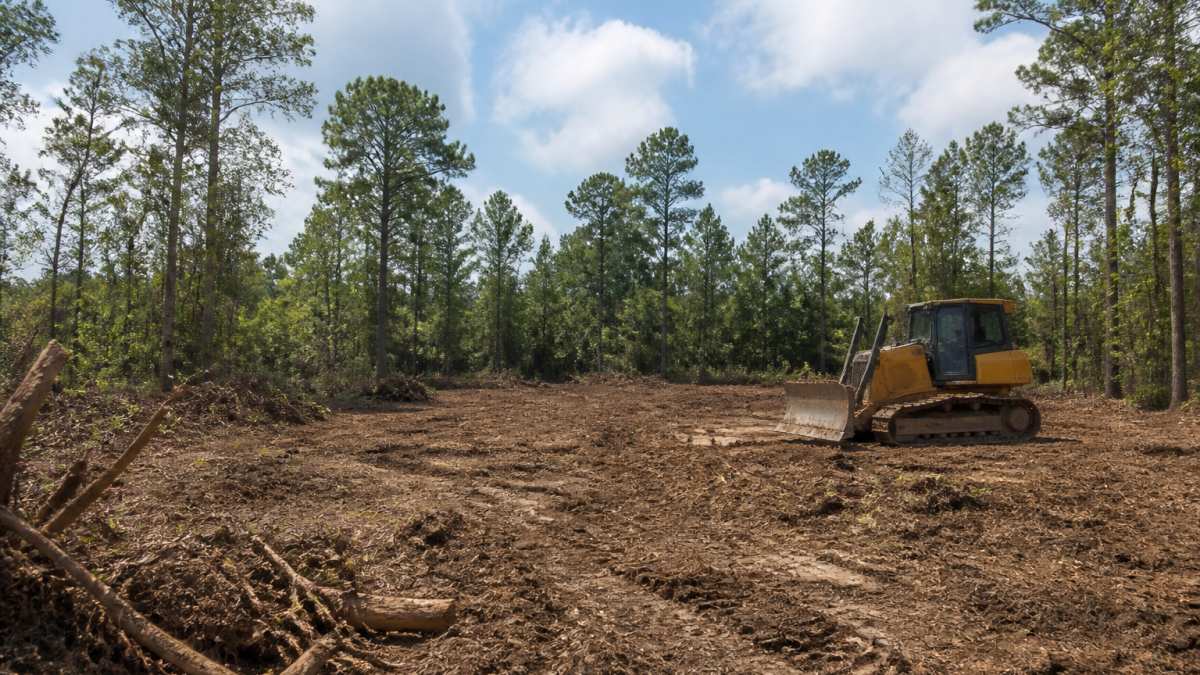
| Bulldozing | New builds, pad sites, lot clearing | Bare soil, debris piles | Low, but topsoil removed |
| Brush hogging | Light pasture maintenance | Cut stems at ground level | High |
Forestry Mulching Cost Per Acre: What Actually Drives the Price
Forestry mulching cost per acre varies widely, and any contractor quoting a flat number before walking your property is guessing. Pricing depends on density, terrain, access, and what's growing. A quarter acre of light fence line brush and five acres of mature cedar are completely different jobs, even though both get called "brush clearing."
The Cost Factors That Move the Number
- Density and species. Cedar, yaupon, and heavy undergrowth take longer to grind than soft brush. A light scatter of saplings clears in a fraction of the time a solid cedar thicket takes.
- Terrain. Steep slopes, creek bottoms, and wet ground slow equipment and sometimes require different machines. A track machine that handles a 20% grade may not be safe on a 35% slope.
- Access. If equipment can't reach the work zone through a gate or along a fence line, you pay for extra setup and sometimes hand work.
- Acreage and scope. Larger jobs often cost less per acre because mobilization spreads across more ground. A one-acre job can carry the same mobilization cost as a twenty-acre job.
- Debris handling. Mulching leaves material in place. Hauling and burning add cost, labor, and often a burn permit.
- Rock and buried debris. Old fence wire, concrete, and stumps hidden in the brush can damage teeth and slow the job.
How to Estimate Your Own Job Before You Call
You can get a rough sense of scope before anyone walks the property. Note three things: how thick the brush is, how sloped the ground is, and how easy it is to get a machine to the work zone. Then multiply by acreage. A lightly overgrown flat pasture and a densely wooded slope of the same size are not the same job.
- Is this a per-acre, hourly, or flat rate?
- What's included, and what's billed extra (mobilization, hauling, stump grinding)?
- What happens if the job takes longer than estimated?
- Is the mulch left in place or removed?
- Is the contractor insured, and can they show a certificate?
DIY vs. Hiring a Land Clearing Contractor
Renting a skid steer with a mulching head can make sense for a small, flat, lightly overgrown lot and a patient weekend schedule. For anything with dense thickets, stumps, or slopes, the math shifts fast. Rental, fuel, blade and tooth replacement, and damage risk often erase the savings, and the learning curve on a machine that costs more per day than most people expect narrows the gap further.
Fence Line Clearing: Why 10-Foot Access Matters
Fence line clearing is one of our most requested jobs, for a practical reason: you cannot maintain, repair, or replace a fence you can't reach. A 10-foot cleared corridor gives you room to run equipment, set posts, string wire, and walk the boundary without fighting brush.
Site Preparation, Stump Grinding, and Dirt Work for New Builds
Site preparation for a new build follows a sequence, and skipping steps causes expensive problems later. Clearing comes first, then stump grinding, then dirt work and grading to bring the pad to grade.
Permits, Soil Health, and What East Texas Landowners Should Know
Permitting and regulations for land clearing depend on your county, whether you're near a waterway or wetland, and whether the work is tied to a development. Many residential and agricultural clearing jobs need no permit at all, but work near creeks, floodplains, or protected areas often does. Before any contractor starts, confirm local requirements with your county and check [U.S.
The Permits and Rules That Actually Apply
A few categories of rules come up again and again on rural acreage:
- Burn bans and burn permits. Most counties restrict outdoor burning during dry periods, and some require a permit year-round. If your plan involves pile burning, check the county burn ban status the week you plan to burn, not the week you signed the contract.
- Waterway and wetland crossings. Work in or near a creek, stream, or wetland can trigger federal permitting under the Clean Water Act. The U.S. Army Corps of Engineers administers that program, and what counts as a regulated water isn't always obvious from the ground.
- Floodplain and drainage rules. Counties and some municipalities regulate fill and grading in floodplains. Clearing that changes drainage onto a neighbor's property can create a civil dispute even when no permit is required.
- Erosion and sediment control. Larger or development-related clearing often requires a sediment and erosion control plan. On sloped ground, that plan keeps your topsoil on your property after the first hard rain.
- Tree ordinances. Some cities and counties protect certain tree species or sizes. If you're clearing near a municipality, confirm before the saw starts.
Why Soil Health Should Drive Your Method Choice
Soil health deserves equal attention to permits, because the method you choose determines what your land can do next season. Bulldozing removes topsoil and compacts what's left, which can take years to recover. Forestry mulching leaves a mulch layer that feeds soil biology and holds moisture. For pasture reclamation and acreage maintenance, that difference matters: mulch conversion supports regrowth of desirable grasses instead of bare dirt.
- Topsoil is the asset. The dark top layer holds most biological activity and available nutrients. Scraping it off for a clean look is a trade that takes years to reverse.
- Mulch is not waste. Forestry mulching grindings break down into organic matter, feed soil microbes, and slow runoff on sloped ground.
- Compaction is the hidden cost. Heavy equipment on wet ground compacts soil and reduces infiltration. Timing work for drier conditions is often worth more than any post-job amendment.
- Regrowth follows sunlight. Any method that exposes bare soil invites whatever seed is already in the ground. Mulch-covered ground favors grasses and forbs over the woody species you just removed.
How to Prepare for a Free Land Assessment
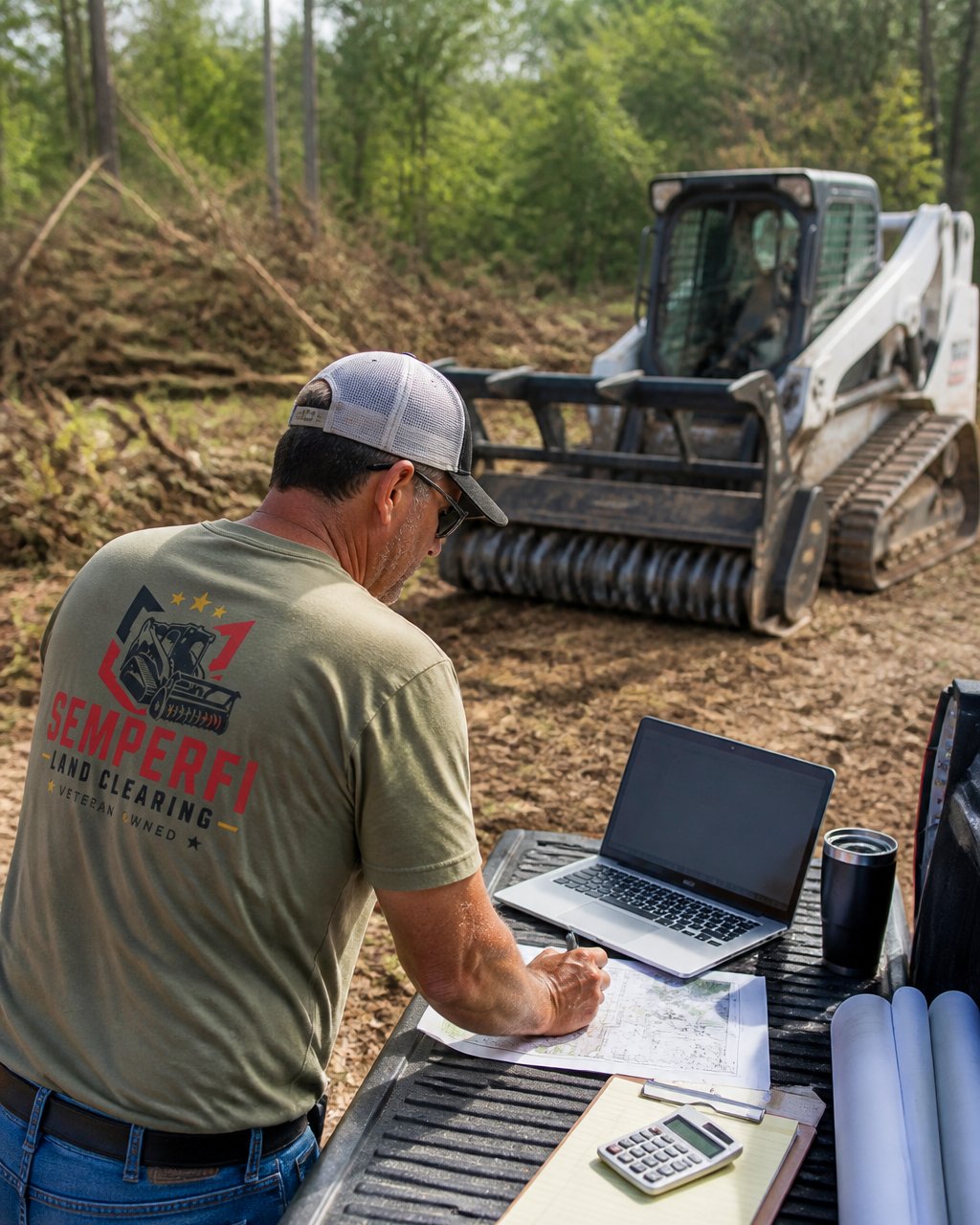
A free land assessment is exactly what it sounds like: a contractor walks your property, measures the scope, and gives you a real number. No pressure, no obligation. To get the most out of it, do a little prep first.
- Mark your property boundaries and any fence corners you know
- Note what you want the land to do afterward (pasture, build site, hunting, resale)
- Point out anything to protect: wells, septic, buried lines, specimen trees
- Identify wet areas, creek crossings, and steep slopes
- Have a rough acreage figure ready, even if it's an estimate
- Ask about timing, equipment, and what happens to the mulch
Conclusion
Overgrown land doesn't fix itself, and the longer brush sits, the more it costs you in lost pasture, damaged fences, and delayed projects. Whether you need fence line clearing, pasture reclamation, or full site preparation for a new build, the right method and crew make the difference between land you can use and land you keep putting off.
Frequently Asked Questions
What is the average cost of clearing brush per acre?
Pricing depends on density, terrain, access, and acreage, so there is no single flat rate. Thick cedar and heavy undergrowth take more machine time than light pasture brush, which raises the cost. Ask for a free land assessment so a contractor can walk the property, measure the actual density, and give you a written quote instead of a phone estimate that changes later.
Is forestry mulching better than bulldozing for my property?
Forestry mulching grinds brush and small trees in place, leaving mulch that holds moisture and reduces soil erosion. Bulldozing pushes topsoil into piles and leaves bare ground that washes in heavy rain. For pasture reclamation, fence line clearing, and wildlife trails, mulching usually keeps the land healthier. Bulldozing still makes sense when you need stumps fully removed for a building pad or driveway installation.
How do I prepare my land for a professional clearing assessment?
Walk the property first and mark the boundaries, fence lines, and any trees you want kept. Note wet spots, septic lines, buried utilities, and gate widths. Clear a path so equipment can reach the work area. Take photos of the densest thickets. When the contractor arrives, share your end goal, whether that is pasture, a food plot, a homesite, or better curb appeal for a listing.
Does brush clearing help with wildfire prevention?
Reducing fuel load lowers wildfire risk. Dense thickets, dead cedar, and overgrown weeds near structures give a fire continuous fuel to spread. Clearing a defensible band around homes, barns, and fence lines slows that spread and gives firefighters room to work. Pair brush removal with regular acreage maintenance, since regrowth returns within a few seasons and fuel builds back up.
Get an estimate from SemperFi Land Clearing LLC and turn overgrown acreage into land you can actually use.