 ultimate-guide
Cost of Forestry Mulching Per Acre: 2026 Guide
Table of Contents
- What Does Forestry Mulching Cost Per Acre?
- Factors Affecting Forestry Mulching Price
- Understanding the Forestry Mulching Hourly Rate
- Forestry Mulching vs. Bulldozer Clearing: Cost Comparison
- Hidden Costs: Permitting, Soil Health, and Post-Clearing Maintenance
- DIY vs. Professional Forestry Mulching: A Realistic Cost Analysis
- How to Get an Accurate Forestry Mulching Cost Estimate
- Frequently Asked Questions
Last Updated: August 30, 2026
What Does Forestry Mulching Cost Per Acre?
The cost of forestry mulching per acre depends on vegetation density, terrain, equipment required, and how the contractor structures billing. What appears as a simple per-acre figure often shifts significantly once a crew walks your land.

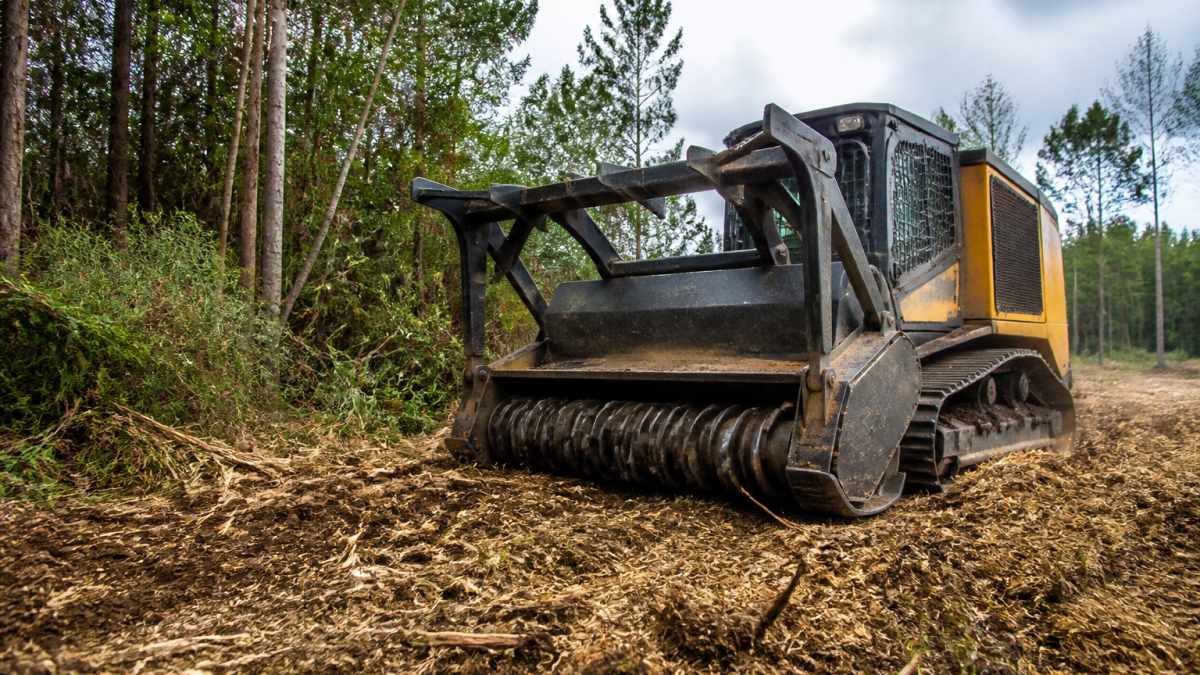
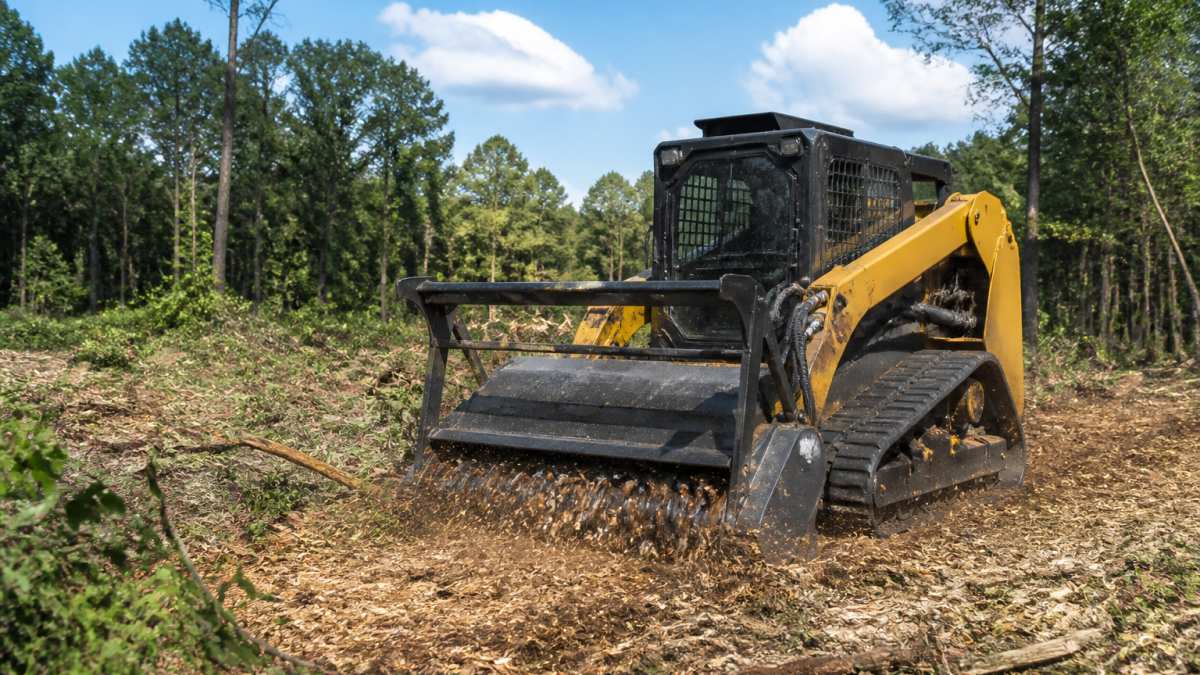
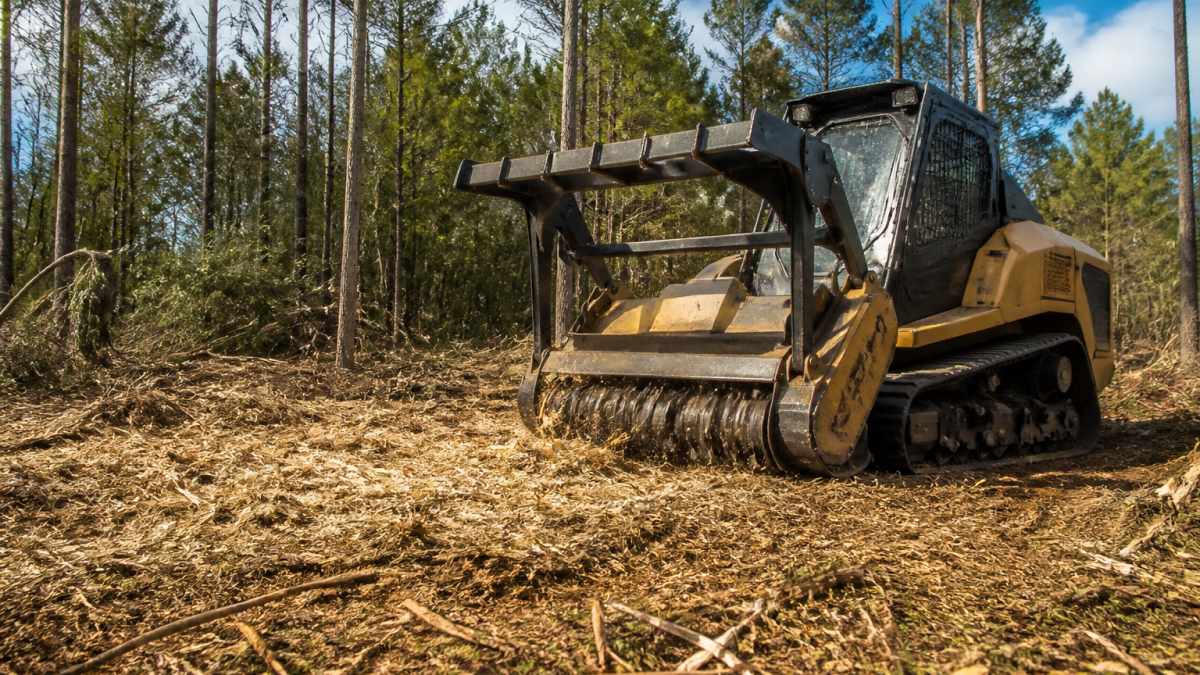
Forestry mulching uses a single machine fitted with a rotating drum and carbide teeth to grind standing trees, brush, and underbrush directly into mulch on the ground. Unlike bulldozer clearing, it preserves topsoil and eliminates separate debris hauling. Pricing generally follows two models: per-acre rates for uniform sites and hourly rates for highly variable conditions.
Per-Acre vs. Hourly Billing: Which Model Applies to Your Project?
Per-acre pricing works best for projects with relatively uniform vegetation density and terrain, offering predictable total costs. Contractors typically conduct a site survey first, then price based on expected clearing efficiency.
Hourly billing suits jobs with highly variable conditions: thick hardwood stands mixed with open sections, steep terrain, or properties where clearing time cannot be reliably estimated. Many contractors use a hybrid approach: a base per-acre rate adjusted upward for heavier vegetation or difficult terrain. Flat per-acre quotes issued without a site visit warrant caution.
Project Minimums and Mobilization Fees
Most forestry mulching operations carry a project minimum, often expressed as minimum hours or a minimum job total. Mobilizing equipment, loading it onto a trailer, and transporting it to your site carries real cost in fuel, time, and wear. Mobilization fees are sometimes listed separately and sometimes baked into the base rate. For smaller properties under half an acre, mobilization cost relative to job size can make professional mulching less cost-effective than renting equipment.
Factors Affecting Forestry Mulching Price
| Factor | Effect on Price | Notes |
|---|---|---|
| Vegetation density | High impact | Dense hardwoods cost significantly more per acre than light brush |
| Tree diameter | High impact | Larger diameter trees slow the mulching head and increase teeth wear |
| Terrain difficulty | High impact | Slopes, wet ground, and rocky soil slow production rates |
| Site accessibility | Moderate impact | Narrow access points limit equipment options |
| Regional location | Moderate impact | Fuel, labor, and overhead costs vary by market |
| Project size | Moderate impact | Larger acreage often brings a lower per-acre rate |
| Mobilization distance | Variable | Longer hauls add cost regardless of project size |
Vegetation Density and Tree Diameter
Vegetation density is the single biggest driver of forestry mulching cost. A skid steer can move through light underbrush and saplings efficiently, but dense mature hardwoods with eight to twelve inch diameter trunks sharply reduce production. Larger material demands more passes, more torque, and accelerates carbide teeth replacement, a significant operational cost. Properties with dense cedar, oak, or pine stands carry higher per-acre rates than those with light brush and saplings. Thorny vegetation like greenbriar or dense blackberry canes can be harder on equipment than small-diameter trees.
Terrain Difficulty and Site Accessibility
Flat, dry ground is ideal for forestry mulching. Slopes slow the machine, increase fuel consumption, and add operator fatigue. Wet or soft ground creates track wear and equipment-stuck risk. Site accessibility matters too: narrow gates or soft field roads limit which machines can reach the site. A smaller skid steer may be required, which can actually raise the per-acre rate due to slower production through heavy vegetation.
Regional Pricing Variations
Labor costs, fuel prices, equipment depreciation, and insurance overhead vary by region. Markets with more forestry mulching contractors tend to be more competitive. Rural markets with fewer operators often see higher rates due to longer mobilization distances and thinner competition.
According to USDA Forest Service land management guidance, vegetation management costs vary significantly by region based on species composition, terrain, and local labor markets.
Understanding the Forestry Mulching Hourly Rate
The forestry mulching hourly rate reflects the true cost of running a specialized machine in the field. Hourly rates cover equipment depreciation, fuel consumption, routine maintenance, teeth replacement, track wear, and contractor insurance overhead. A mulching head represents significant capital investment that must be recovered across billable hours.
What Drives Operator and Equipment Costs
Experienced operators work more efficiently, protect equipment, and avoid costly mistakes. That experience commands higher wages, flowing directly into quoted rates. Fuel consumption on forestry mulching machines is substantial, heavy vegetation demands maximum engine output, and contractors factor fuel variability into pricing.
Maintenance costs are ongoing and non-negotiable. Teeth replacement, hydraulic service, and track maintenance are regular expenses. A contractor pricing too low to cover these costs either cuts corners on maintenance or fails. Neither outcome serves the landowner.
As documented in equipment cost analysis guidelines from the American Society of Agricultural and Biological Engineers, machinery operating costs include fixed costs like depreciation and insurance alongside variable costs like fuel and repairs, all recovered through billing rates.
Forestry Mulching vs. Bulldozer Clearing: Cost Comparison
The comparison between forestry mulching and bulldozer clearing extends beyond initial invoice. Bulldozer clearing may appear cheaper upfront, but full cost changes when accounting for debris disposal.
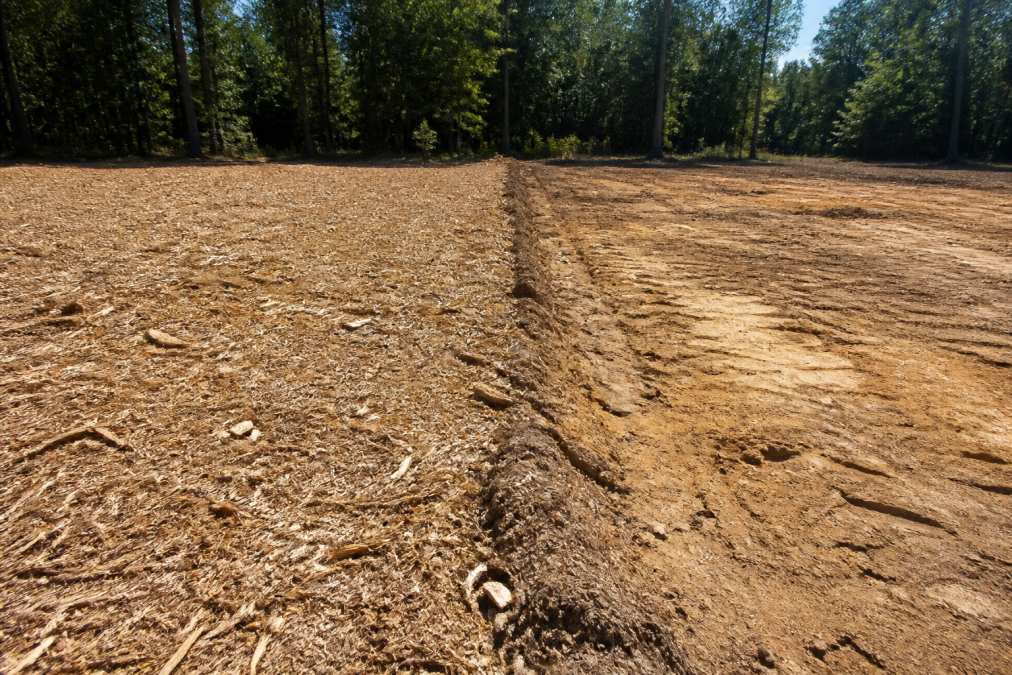
Bulldozer clearing pushes material into piles requiring burning, hauling, or burial, each carrying additional cost. Burning requires permits and creates air quality concerns. Hauling adds equipment time and tipping fees. Burying can create long-term soil compaction and settling problems.
Forestry mulching eliminates debris disposal. The mulch layer acts as ground cover, reducing erosion and retaining soil moisture, valuable for pasture establishment, food plots, or resale.
| Clearing Method | Debris Disposal | Topsoil Impact | Erosion Risk | Permit Needs |
|---|---|---|---|---|
| Forestry mulching | None required | Minimal disturbance | Low | Generally lower |
| Bulldozer clearing | Burn, haul, or bury | Significant disruption | Higher | Often required for burn |
| Combination clearing | Partial | Moderate | Moderate | Varies |
For brush management, pasture reclamation, or fence line clearing where soil health matters, forestry mulching typically delivers better long-term value even at comparable per-acre rates.
Hidden Costs: Permitting, Soil Health, and Post-Clearing Maintenance
Permitting, erosion control, and ongoing brush management are real costs that belong in any honest total-cost analysis.
Permitting and Environmental Regulations
Land clearing is regulated at federal, state, and local levels. The U.S. Army Corps of Engineers regulates clearing near wetlands and navigable waters under Section 404 of the Clean Water Act. Properties with seasonal drainage features may require permits before clearing begins. Clearing without authorization can result in significant fines and mandatory restoration orders.
State-level regulations add another layer. Many states require permits for clearing above certain acreage thresholds. According to EPA guidance on wetlands and land disturbance, landowners are responsible for identifying whether their project triggers permitting requirements before work begins. Local ordinances may also apply, particularly in areas with tree preservation codes or burn bans.
Erosion Control and Long-Term Maintenance Costs
Post-clearing maintenance is often underestimated. Forestry mulching leaves a mulch layer that suppresses initial regrowth and protects soil, but does not eliminate regrowth permanently. Aggressive species like yaupon holly, eastern red cedar, and Chinese tallow will resprout from root systems if not managed.
A realistic land management plan includes at least one follow-up treatment in the first growing season after clearing, a second mulching pass, targeted herbicide application, or mechanical mowing depending on vegetation type and end goal. Erosion control is particularly important on sloped properties. Seeding with appropriate cover crops or native grasses shortly after clearing reduces both erosion risk and weed pressure.
DIY vs. Professional Forestry Mulching: A Realistic Cost Analysis
Forestry mulching equipment is not available at typical equipment rental yards. Specialized mulching heads are available through some regional rental operations, but availability varies significantly by market.
Renting a skid steer with a mulching attachment requires real operator experience. Incorrect operation damages equipment quickly. Carbide teeth are expensive to replace, and rental agreements typically hold renters responsible for damage beyond normal wear. An inexperienced operator working dense vegetation can destroy teeth in a single day.
DIY makes sense for small projects under a quarter acre, light brush and saplings, flat accessible terrain, and operators with actual skid steer experience. It does not work for heavy timber, steep terrain, wet ground, or projects where equipment damage would cost more than the professional rate.
Professional crews bring purpose-built machines, experienced operators, and the ability to absorb equipment issues without stopping your project. For most landowners with more than half an acre of significant clearing, professional forestry mulching is more cost-effective when the full DIY cost is honestly calculated.
How to Get an Accurate Forestry Mulching Cost Estimate
An accurate estimate starts with accurate site description. The more specific you are about vegetation type, tree diameters, terrain, and access conditions, the more reliable the quote.
- Walk your property before contacting contractors. Note the densest sections, wet areas, and largest diameter trees.
- Measure your acreage accurately. Use a property survey, county records, or GPS mapping app.
- Photograph representative sections. Photos of the densest brush and most challenging terrain give contractors far more context than verbal description.
- Ask about mobilization fees separately. Confirm whether the quoted rate includes mobilization or is an additional charge.
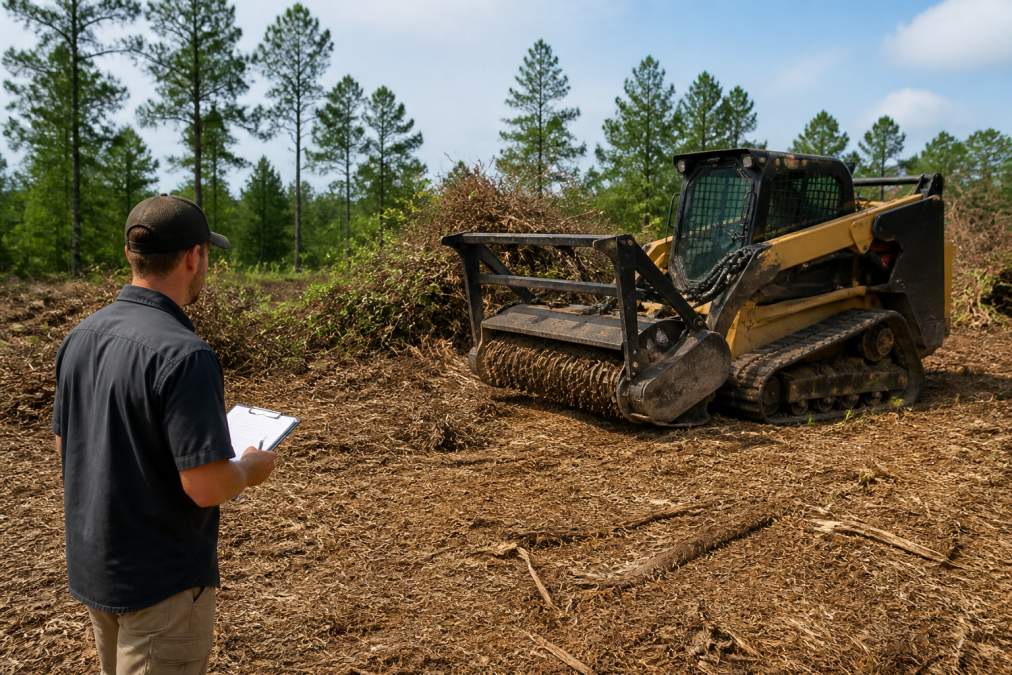
- Request a site visit before finalizing the quote. Reputable contractors will want to see the property.
- Ask about project minimums. Confirm whether the contractor has a minimum job size or minimum billing amount.
- Clarify what the quote includes. Does it cover all vegetation, or only material above a certain diameter? What happens to large stumps?
SemperFi Land Clearing LLC offers free land assessments for property owners who want reliable, no-pressure estimates before committing to work. A site visit lets us evaluate vegetation density, terrain, and access conditions accurately so the quote reflects the actual project.
Land clearing decisions carry real financial weight, and the cost of forestry mulching per acre should not be accepted from a website alone. Every property is different, and variables like vegetation density, terrain, equipment requirements, and regional overhead interact in ways only a site visit can fully reveal. SemperFi Land Clearing LLC brings veteran-owned reliability and specialized mulching expertise to every assessment, with no pressure and no obligation. Get an estimate from our team and know exactly what your project will take before any equipment rolls onto your land.
===
Frequently Asked Questions
Q: How long does it take to clear an acre of land with a forestry mulcher?
A: Clearing time depends heavily on vegetation density, tree diameter, and terrain. Light underbrush on flat ground can take under an hour per acre for an experienced operator with a properly sized machine. Dense stands of trees, thick brush, or uneven terrain can slow that to several hours per acre. A site survey before the project starts gives the most accurate time estimate for your specific land.
Q: What factors influence the cost of forestry mulching per acre?
A: The biggest drivers are vegetation density, the diameter of trees being processed, terrain difficulty, and site accessibility. Thicker brush and larger trees wear mulching head teeth faster and slow clearing efficiency, raising cost. Remote or steep sites increase fuel consumption and equipment wear. Regional labor rates, mobilization fees, and whether the contractor bills hourly or per acre also shape the final number. A free land assessment is the most reliable way to get an accurate figure.
Q: Is forestry mulching more cost-effective than traditional land clearing?
A: For most residential and ranch-scale projects, forestry mulching is often a highly effective solution once you account for the full picture. Bulldozer clearing is faster on large flat tracts but adds costs for debris hauling, stump grinding, and topsoil replacement. Forestry mulching leaves mulch in place, which suppresses regrowth, reduces erosion, and improves soil health, potentially cutting post-clearing maintenance costs. On smaller or wooded parcels, the all-in cost of mulching can be very competitive with traditional methods.
Q: Does terrain density affect the price of forestry mulching?
A: Yes, significantly. Dense vegetation with trees above roughly 6 inches in diameter puts far more stress on the mulching head, accelerating teeth replacement and track wear. Operators slow down in heavy material to protect equipment, which increases hours on the job. Steep or wet terrain adds fuel consumption and raises the risk of equipment damage. These factors can push the forestry mulching cost per acre substantially higher than a quote for light brush on flat ground.