 how-to
Get Free Land Assessment 2026: What to Expect
Table of Contents
- What a Free Land Assessment Covers in 2026
- How a Professional Land Clearing Site Evaluation Works
- What Your Forestry Mulching Cost Estimate 2026 Includes
- How to Prepare Land for Forestry Mulching Before the Visit
- Free Land Assessment vs. Tax Appraisal: Know the Difference
- Common Mistakes to Avoid When Booking Your Assessment
- Get Your Free Land Assessment and Project Plan
- Frequently Asked Questions
Last Updated: September 5, 2026
A free land assessment is a professional on-site evaluation of your property's clearing needs, provided at no cost to help you plan your project. For landowners in East Texas, this 2026 service has become the standard first step before any forestry mulching or land clearing work begins. At SemperFi Land Clearing LLC, we perform these walkthroughs to give you an accurate picture of what your property requires, so you can make informed decisions without committing to a contract.
What a Free Land Assessment Covers in 2026
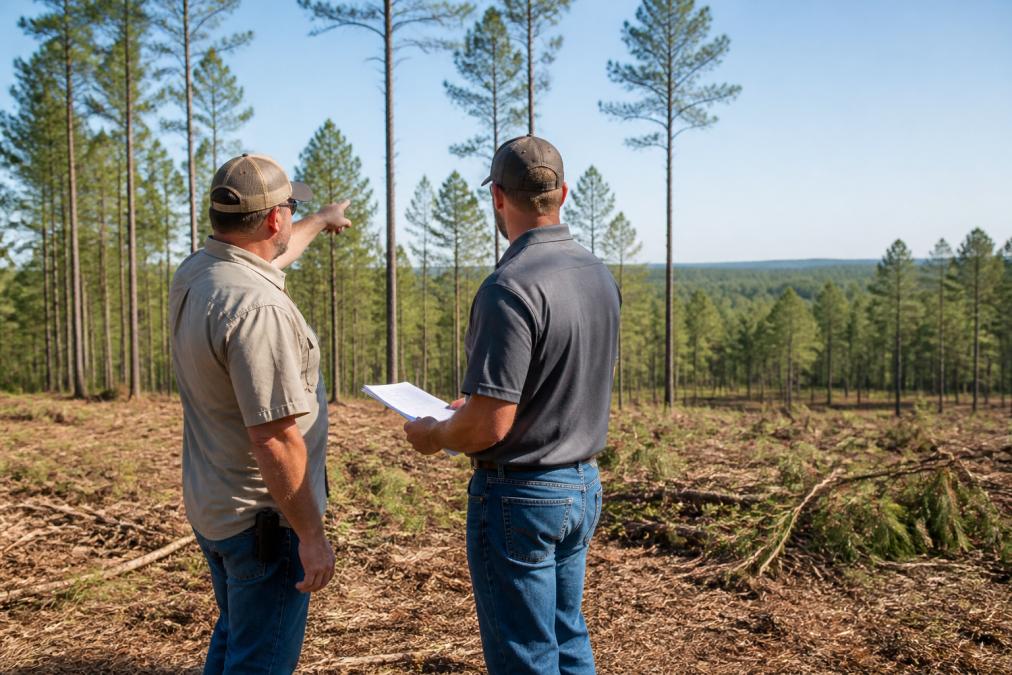
A free land assessment in 2026 covers the full scope of your property's clearing needs, from vegetation density to soil conditions and access challenges. The assessor walks your property, documents overgrowth patterns, and identifies the specific equipment and techniques that will deliver the best results. This is not a quick drive-by estimate; it is a thorough inspection that forms the basis of your project plan.
During the visit, the professional evaluates several key factors that determine the complexity and cost of your job:
- Property size and boundary lines
- Type and density of vegetation, including invasive species
- Terrain conditions, such as slopes, ditches, and wet areas
- Existing structures, fences, and utility lines that need protection
- Access points for heavy equipment
The goal is to give you a clear, itemized understanding of what needs to happen before any machinery arrives, preventing costly surprises later.
How a Professional Land Clearing Site Evaluation Works
A professional land clearing site evaluation typically takes 30 to 60 minutes depending on acreage and involves a systematic walkthrough of your entire property (fs.usda.gov). The assessor examines how the land drains, where the heaviest growth is concentrated, and how equipment will move across the terrain, directly informing equipment selection and project timeline.

The evaluation process is broken into two main areas of focus, each with its own considerations.
Terrain and Access Points
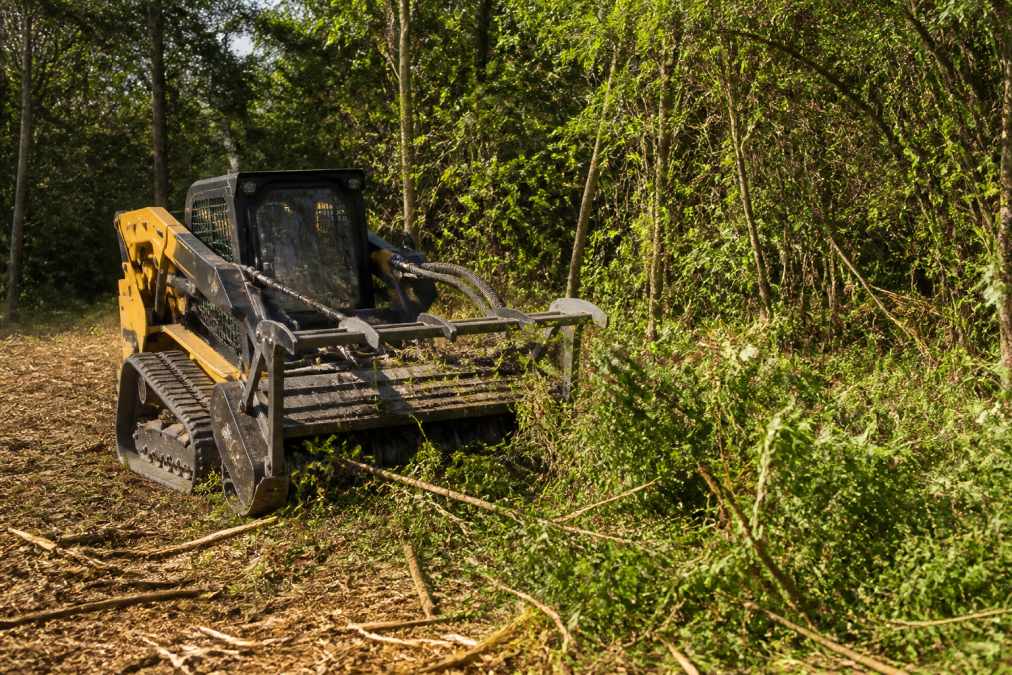
Terrain dictates everything from equipment choice to safety protocols. Steep slopes, soft soil, or narrow gate access are noted and planned for, as large mulching machines need room to maneuver; a tight entry can require smaller equipment or alternative approaches.
Vegetation Density and Species
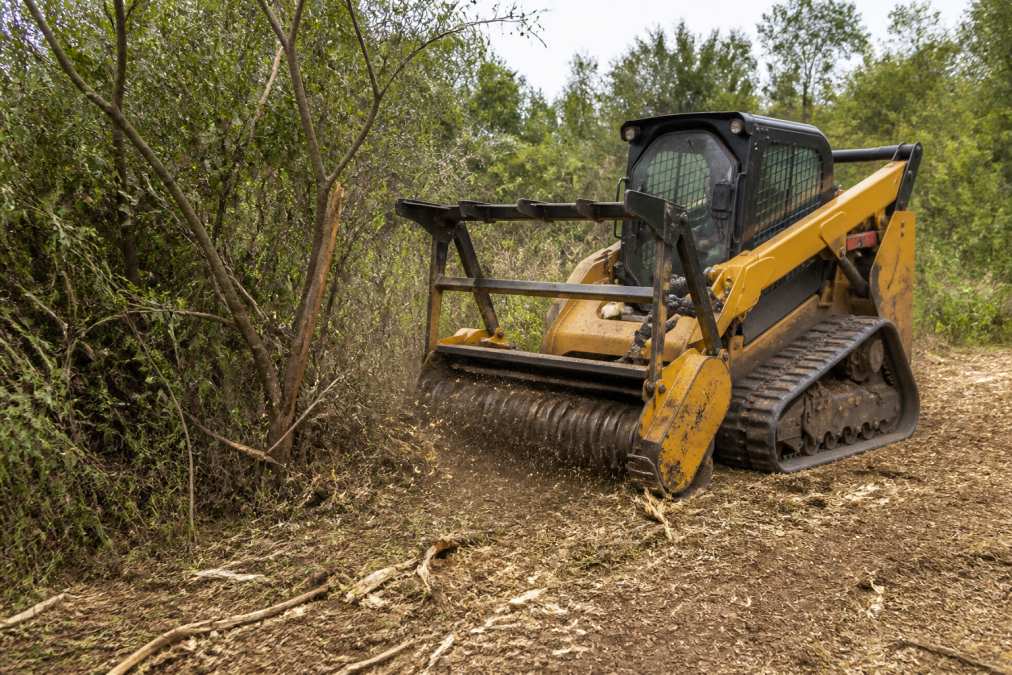
Vegetation density determines whether the job needs heavy-duty forestry mulching or lighter brush clearing. Dense cedar and yaupon require different treatment than scattered grass and saplings, so the assessor identifies what is growing for complete removal and proper disposal.
What Your Forestry Mulching Cost Estimate 2026 Includes
Your forestry mulching cost estimate 2026 includes a detailed breakdown of labor, equipment operation, and disposal methods tailored to your property's specific conditions. Because it reflects what the assessor actually saw on the ground, it is far more accurate than a phone quote and protects you from lowball bids that balloon once work begins.
A thorough cost estimate should cover the following components:
- Equipment mobilization and setup fees
- Hourly or per-acre mulching rates based on vegetation density
- Disposal of cleared material, whether mulched in place or hauled away
- Additional services such as stump grinding or fence line clearing
- Timeline estimates for project completion
This transparency separates a professional estimate from a vague number. Since pricing varies with conditions, the estimate you receive after assessment is your most reliable planning tool.
How to Prepare Land for Forestry Mulching Before the Visit
Preparing land for forestry mulching before the visit means ensuring clear access, marking boundaries, and identifying any buried utilities or protected areas. A little preparation makes the assessment faster and more accurate, leading to a better estimate and fewer delays once the crew arrives.
Walk your property lines and mark unclear corners. Point out outbuildings, wells, or septic systems, and have underground utility lines flagged if you are unsure of their position. Clearing a path to the main work area, even just mowing a strip of grass, helps the assessor move freely.
Free Land Assessment vs. Tax Appraisal: Know the Difference
A free land assessment for clearing services is fundamentally different from a property tax appraisal, which determines the assessed value of your land for tax purposes. Both involve someone walking your property, but their purposes could not be more different.
A land clearing assessment focuses on vegetation, terrain, and the work required to make your property usable. A tax appraisal estimates market value based on comparable sales and property characteristics, governed by local appraisal districts with formal deadlines for filing protests.
If you are questioning your property tax bill, contact your local appraisal district, not a land clearing company. A free land assessment will not change your tax liability, but it will tell you exactly what it costs to reclaim your overgrown acreage.
The DIY Valuation Audit: How to Check If Your Assessment Is Fair
Most government portals tell you that you can appeal, but they rarely explain how to determine if your home is actually over-assessed. Here is a step-by-step audit you can perform before you ever file a protest, no appraiser required.
Step 1: Pull your property record card. Your local appraisal district publishes a property record card online. It lists your assessed value, your land classification, your improvement (building) value, and the details the appraiser used, square footage, year built, number of baths, and any condition adjustments. Search for your county or district name plus "property record card" or "property search" to find it.
Step 2: Identify your assessment ratio. Some states assess at 100% of market value; others use a fractional ratio like 40% or 50% (taxpolicycenter.org). Your record card or tax bill will show the assessed value. Divide the assessed value by the estimated market value to find your effective ratio. If your state uses a 100% ratio, your assessed value should track closely with recent sales.
Step 3: Find three to five true comparables. Do not rely on Zillow or Redfin estimates, those are automated valuations, not appraisals. Instead, use your appraisal district's online sales search tool (most districts publish recent arm's-length sales). Look for homes sold within the last 6 to 12 months that match your property's square footage, bedroom count, year built, and lot size. Ideally, they are within a half-mile of your home.
Step 4: Calculate the median sale price per square foot. Take the sale price of each comparable and divide by its square footage. Then find the median of those numbers. Multiply your home's square footage by that median. This gives you a rough market value based on actual local sales.
Step 5: Compare your assessed value to your calculated value. If your assessed value is more than 10% above your calculated market value, you have a strong case for an appeal (taxfoundation.org). Most appraisal districts will not adjust for a 2% or 3% discrepancy, that is within normal valuation tolerance. A 10% gap is worth your time.
Step 6: Check for unequal appraisal. Even if your value is in line with the market, you may still win an appeal if your property is assessed higher than similar homes. This is called unequal appraisal. Compare your assessed value per square foot against the assessed value per square foot of your three to five comparables. If your number is significantly higher, you can argue for a reduction based on equity, even if the absolute value is defensible.
What This Means for Your 2026 Assessment
In a volatile market, assessments often lag behind actual sales. If home prices in your area dropped in late 2025, your 2026 assessment may still reflect the higher peak values. The DIY audit above is the fastest way to identify whether you are paying taxes on a value your home no longer supports. If the numbers show a gap, your next step is filing a formal protest with your local appraisal review board, not a land clearing company.
Common Mistakes to Avoid When Booking Your Assessment
The most common mistake landowners make when booking a free land assessment is failing to prepare the property for the evaluator's visit, leading to incomplete evaluations and estimates that miss key problem areas. Another frequent error is choosing a company based solely on a phone quote without an on-site assessment, which almost always results in surprises when work begins.
Avoid these pitfalls when scheduling your assessment:
- Not walking the property lines beforehand, leaving the assessor to guess boundaries
- Failing to mention hidden obstacles like buried stumps or old foundations
- Assuming all clearing companies offer the same scope in their free assessments
- Waiting until peak season, which delays your assessment and project start
- Choosing a bid without verifying the company's equipment and experience
A professional assessment should feel thorough, not rushed. If a company offers an estimate without seeing your property, treat that as a red flag.
The National vs. Local Trap: Why One Search Query Leads to 50 Different Answers
When you search for a "free land assessment," the results are almost always hyper-local. A homeowner in rural Ohio gets a different set of rules, deadlines, and forms than one in suburban Arizona. The federal government does not run a national property assessment program, assessments are handled by counties, municipalities, and independent appraisal districts, so advice from one source may be completely wrong for your location.
The fix is to build a repeatable process for finding your local rules. Here is the three-step method that works in any jurisdiction:
Step 1: Identify your assessing authority. This is usually your county assessor or an independent appraisal district. Search for your county name plus "assessor" or "appraisal district." If you live in a city with its own tax assessor, include the city name. The official website will list your property's assessed value and the contact information for the office that handles appeals.
Step 2: Find your state's property tax code. Every state has a property tax code that sets the legal framework for assessments, appeals, and exemptions. Search for your state name plus "property tax code" or "revenue code." Look for the sections that cover residential assessment ratios, appeal deadlines, and homestead exemptions. You do not need to read the entire code, just the sections that apply to owner-occupied homes.
Step 3: Search for your local appeal form and deadline. Most assessing authorities publish a formal appeal form online. Search for your county or district name plus "appeal form" or "protest form." The form will list the filing deadline, which is often a narrow window, typically 30 days after your assessment notice is mailed. Missing that deadline means waiting another full year to appeal.
What Changed for 2026: Legislative Updates You Need to Know
Property tax legislation changes frequently, and 2026 is no exception. While specific laws vary by state, a common pattern in recent sessions is an increase in homestead exemption amounts, an expansion of income limits for senior or disabled homeowner freezes, and caps on annual assessment increases for owner-occupied homes.
Because these changes are state-specific, check your state's department of revenue or taxation website for a "2026 property tax changes" or "legislative update" page. Your local appraisal district is also required to notify you of any changes, read those notices carefully.
How to Prepare for the 2026 Assessment Cycle
The assessment cycle repeats every year. Mark these dates now: when your assessment notice is typically mailed (often late winter or early spring), the appeal deadline (usually 30 days after the notice), and the hearing date (often 60 to 90 days after filing). If you are planning a land clearing project, schedule your free assessment early in the year, before peak season, so you have time to complete the work before the next assessment cycle begins.
Get Your Free Land Assessment and Project Plan
Getting your free land assessment is the single best way to move from uncertainty about your overgrown property to a clear, actionable plan. For East Texas landowners facing dense brush, overgrown fence lines, or property they want to develop, this first step removes the guesswork.
At SemperFi Land Clearing LLC, our free land assessment includes a detailed project plan tailored to your property. As a veteran-owned business, we bring precision and efficiency to every site evaluation, from small fence line clearings to comprehensive overgrowth removal. Our team handles projects of all sizes and provides expert forestry mulching solutions that improve soil health and prevent regrowth. Request your free land assessment today and get the clarity you need to manage your property with confidence.
Frequently Asked Questions
What is the difference between a tax assessment and a professional land assessment?
A tax assessment is a government valuation of your property for calculating property taxes. A professional land assessment for clearing focuses on physical conditions: vegetation density, tree species, soil moisture, terrain slope, and access points. The free land assessment helps you plan forestry mulching work and get an accurate cost estimate, while a tax assessment only determines your tax bill. They serve completely different purposes.
How can I request a free land assessment for forestry mulching?
Contact SemperFi Land Clearing LLC directly through the website or phone to schedule a visit. A professional walks your property, notes the overgrowth conditions, checks access for equipment, and discusses your goals. You receive a project plan with no obligation. There is no catch and no pressure to sign a contract.
Does a professional land assessment include soil quality analysis?
No. A land assessment for clearing evaluates surface conditions like brush density, tree size, and ground stability for equipment. Soil quality analysis requires laboratory testing of samples and is a separate service. During your free assessment, the professional can note visible soil issues like erosion or standing water, but you will need a soil test if your goal is agricultural planting after clearing.
Why should I get a land assessment before starting a clearing project?
A professional assessment gives you an accurate picture of what the job involves before you commit money. It identifies hidden factors that affect cost: steep slopes, wet areas, large stumps, or limited access for machinery. You also learn what can stay and what must go. Skipping this step leads to surprise costs and incomplete work.
Your land does not have to stay overgrown and unusable. A free land assessment from SemperFi Land Clearing LLC gives you the professional insight needed to tackle any clearing project, whether you are preparing a building site or reclaiming pasture. Our veteran-owned team delivers precision, efficiency, and reliable results for landowners across the region. Get an Estimate and take the first step toward better land management.
Frequently Asked Questions
Q: What is the difference between a tax assessment and a professional land assessment?
A: A tax assessment is a government valuation of your property for calculating property taxes. A professional land assessment for clearing focuses on physical conditions: vegetation density, tree species, soil moisture, terrain slope, and access points. The free land assessment helps you plan forestry mulching work and get an accurate cost estimate, while a tax assessment only determines your tax bill. They serve completely different purposes.
Q: How can I request a free land assessment for forestry mulching?
A: Contact SemperFi Land Clearing LLC directly through the website or phone to schedule a visit. A professional walks your property, notes the overgrowth conditions, checks access for equipment, and discusses your goals. You receive a project plan with no obligation. There is no catch and no pressure to sign a contract.
Q: Does a professional land assessment include soil quality analysis?
A: No. A land assessment for clearing evaluates surface conditions like brush density, tree size, and ground stability for equipment. Soil quality analysis requires laboratory testing of samples and is a separate service. During your free assessment, the professional can note visible soil issues like erosion or standing water, but you will need a soil test if your goal is agricultural planting after clearing.
Q: Why should I get a land assessment before starting a clearing project?
A: A professional assessment gives you an accurate picture of what the job involves before you commit money. It identifies hidden factors that affect cost: steep slopes, wet areas, large stumps, or limited access for machinery. You also learn what can stay and what must go. Skipping this step leads to surprise costs and incomplete work.