 ultimate-guide
Land Clearing in East Texas: A Complete Guide
Table of Contents
- What Land Clearing Involves in East Texas
- Forestry Mulching Cost Per Acre and Pricing Factors
- Site Preparation for Construction Projects
- Fence Line Clearing: Methods and Benefits
- Permitting and Regulatory Requirements
- Environmental Impact and Soil Health
- Post-Clearing Maintenance and Long-Term Land Management
- Frequently Asked Questions
Last Updated: September 26, 2026
What Land Clearing Involves in East Texas
Land clearing east texas removes dense vegetation, overgrown brush, dead trees, and debris to prepare land for construction, improve pasture conditions, and restore property value.
Scope varies by property size, terrain, and goals, from selective tree removal to comprehensive forestry mulching across multiple acres. SemperFi Land Clearing LLC assesses each property individually to determine the most efficient approach.
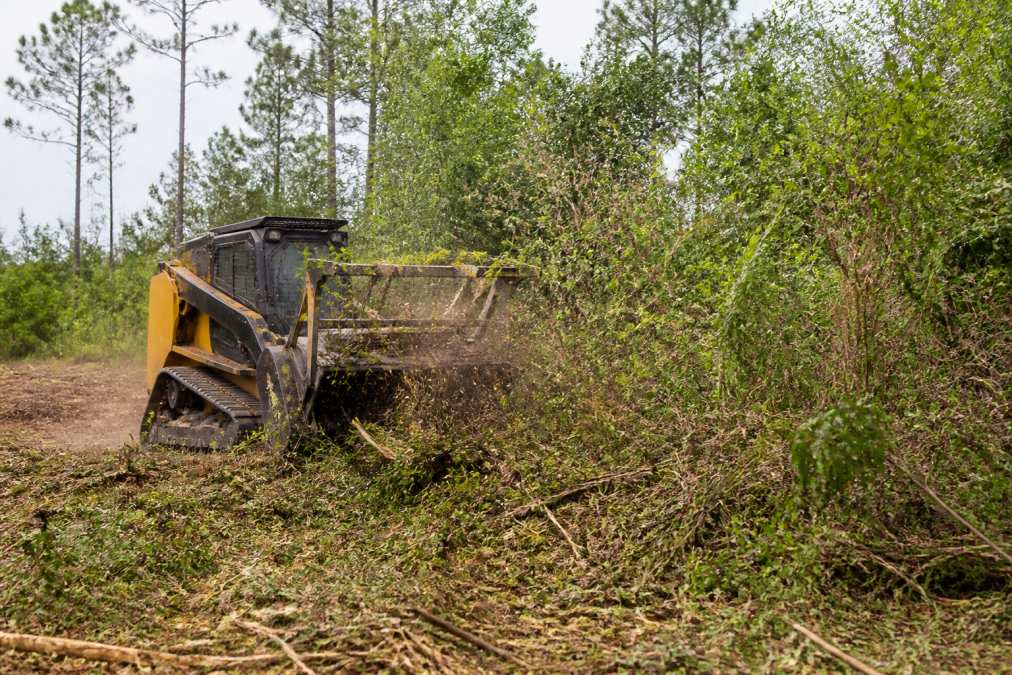
Common scenarios include removing invasive species, grinding stumps, hauling debris, and grading for future use. Thick brush accumulated over years of neglect requires professional equipment for efficient removal.
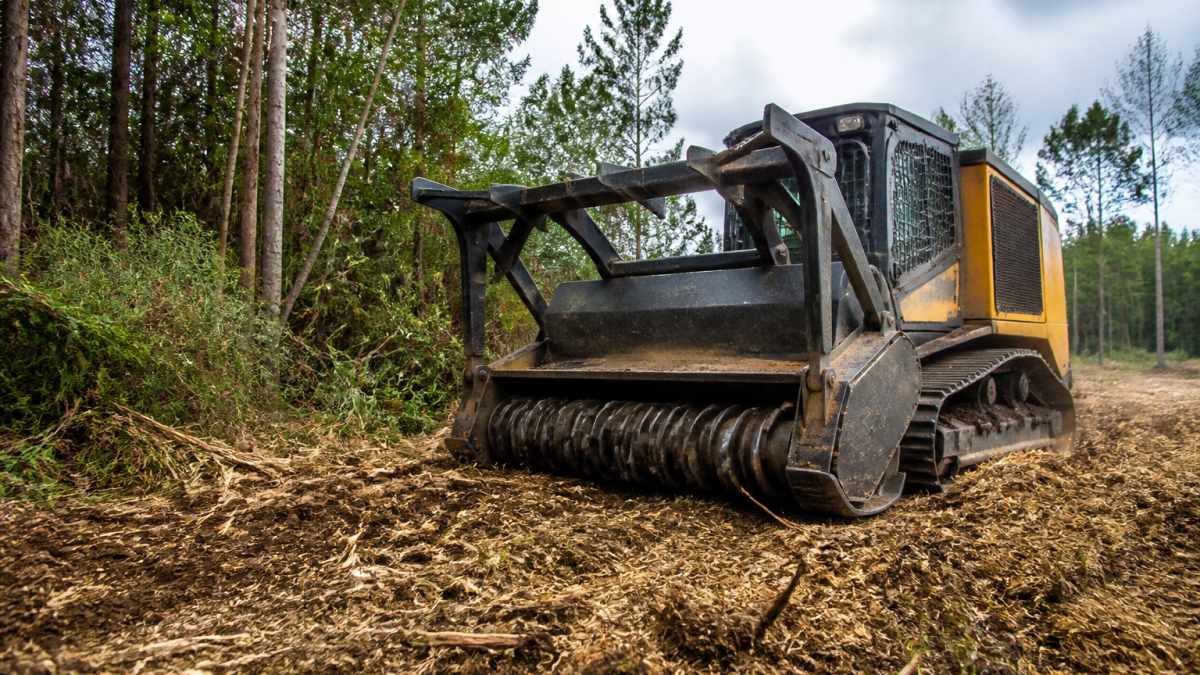
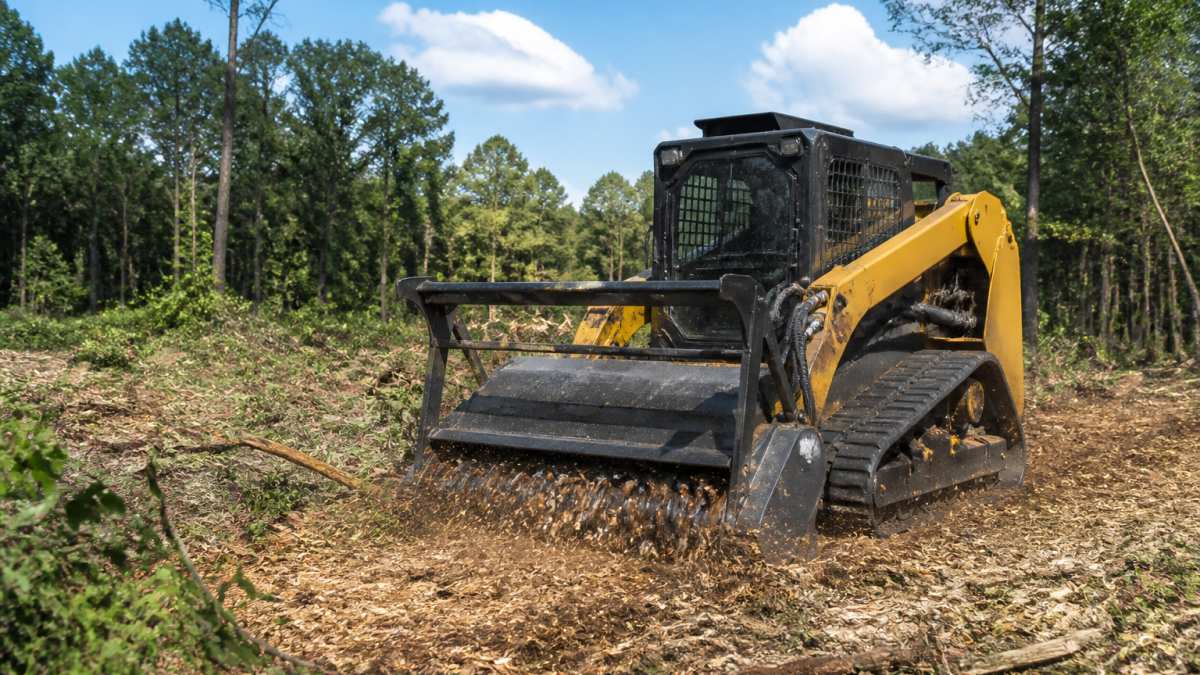
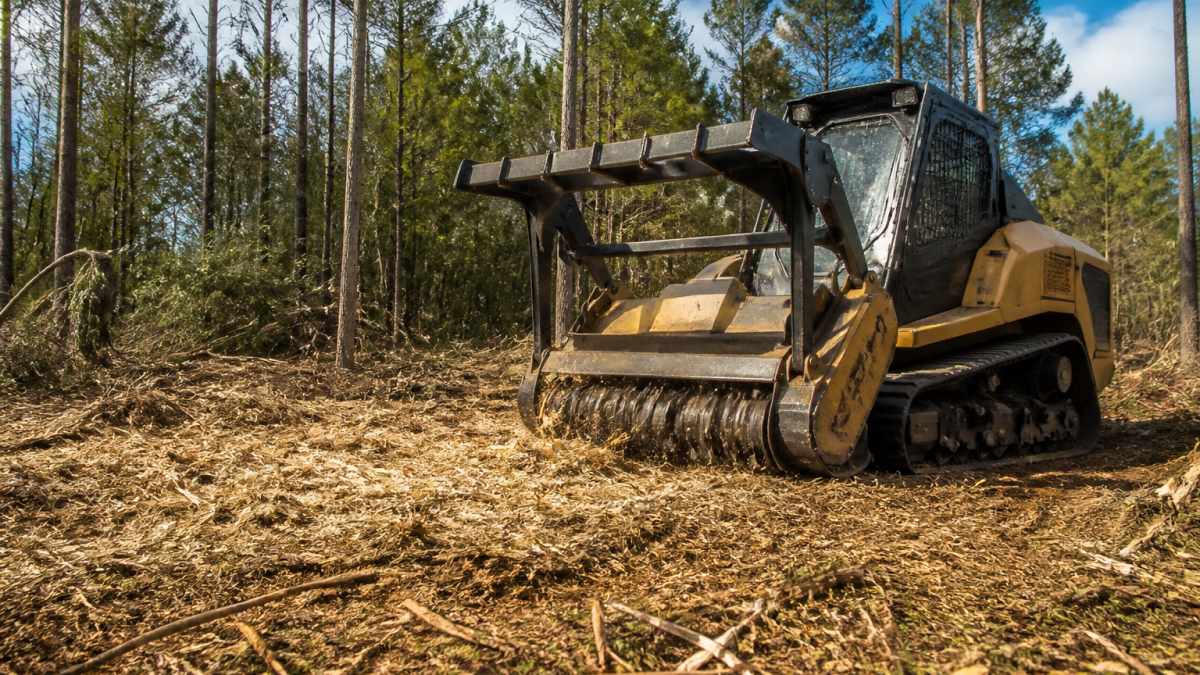
Equipment ranges from small skid steers for tight spaces to full-size forestry mulchers for entire acres. Selecting the right equipment directly impacts timeline and results.
Forestry Mulching Cost Per Acre and Pricing Factors
Forestry mulching is cost-effective, but pricing transparency is rare. Understanding pricing models and cost drivers helps property owners budget accurately and identify fair quotes.
Pricing Models: Per-Acre vs. Hourly vs. Fixed-Bid
Land clearing contractors in the region often use one of three pricing structures:
-
Per-acre pricing: A fixed rate per cleared acre, with the cost depending on vegetation density and terrain.
-
Hourly equipment rates: Rates for equipment are often used for smaller jobs or when the scope is uncertain.
-
Fixed-bid project pricing: A total project cost for larger or complex jobs.
Request a breakdown of how contractors arrived at estimates to compare quotes accurately.
Cost Drivers: What Actually Changes the Price
Vegetation density is the primary cost multiplier. Light brush costs significantly less than dense hardwood thickets or invasive species like privet, Chinese tallow, or kudzu.
Terrain accessibility impacts equipment choice and efficiency. Level terrain with road access allows faster equipment; steep slopes or no access require smaller equipment or hand-clearing, costing more per acre.
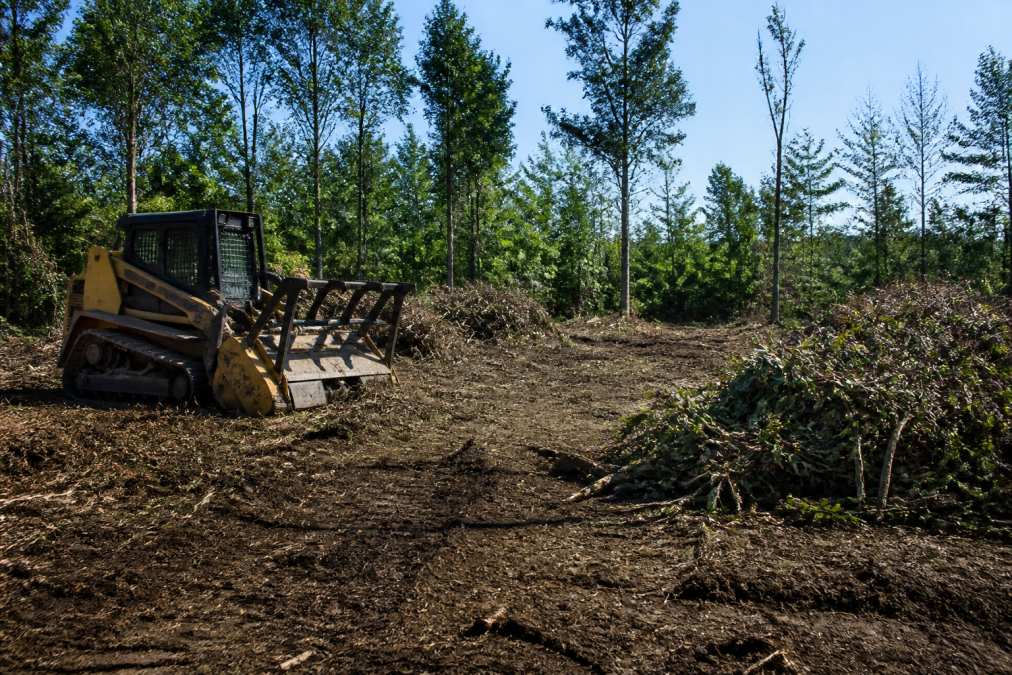
Debris management adds cost variation. Leaving mulch on-site costs less than hauling away.
Winter and early spring (November through March) are peak seasons with easier equipment access. Summer and fall may offer discounts but wet conditions can raise costs or delay work.
Regional Cost Benchmarks
Longview, Tyler, and Marshall areas often see similar pricing; rural properties with limited access may cost more. Properties near waterways or sensitive zones may require permits, which can add to the overall cost.
Getting an Accurate Estimate
To receive a realistic quote, provide contractors with:
- Property size (total acreage and clearing area)
- Vegetation type (dense brush, mature trees, invasive species, or mixed overgrowth)
- Terrain description (level, sloped, rocky, or mixed)
- Access conditions (existing roads, gates, or obstacles)
- Debris preference (mulch on-site or haul away)
- Timeline (flexible or fixed deadline)
SemperFi Land Clearing LLC offers free on-site assessments where we evaluate all these factors and provide a detailed estimate based on your specific property. This approach eliminates guesswork and ensures you understand exactly what your project will cost before work begins.
Comparing Quotes: Red Flags and Fair Pricing
If quotes vary more than 30-40%, ask why. Request itemized estimates breaking down equipment, labor, debris removal, and permits.
Avoid contractors who cannot or will not visit the property before quoting. Accurate pricing requires on-site assessment of vegetation, terrain, and access conditions.
Site Preparation for Construction Projects
Site preparation requires careful planning to meet building codes and ensure stable ground. Proper land clearing removes obstacles, grades terrain, and establishes a foundation-ready surface.
Site preparation involves: removing vegetation and trees, grading for drainage and slope, and evaluating topsoil for landscaping or erosion control.
Inadequate site preparation leads to costly delays and structural problems. Professional contractors assess soil, identify drainage patterns, and minimize disturbance to surrounding properties.
Key considerations for construction site preparation include:
- Drainage assessment: Proper slope and grading prevent water pooling and foundation damage
- Utility clearance: Identify underground lines before equipment operates
- Debris management: Efficient removal keeps the site organized
- Compliance: Meet local zoning and environmental regulations
SemperFi Land Clearing LLC works with construction teams to ensure that site preparation meets project specifications and timeline requirements, allowing builders to move forward without delays.
Fence Line Clearing: Methods and Benefits
Fence line clearing removes overgrowth along property boundaries, restoring visibility and access to fencing infrastructure. This specialized service prevents vegetation from damaging fences, improves property appearance, and establishes clear property lines, but it requires different equipment and techniques than general land clearing.
Why Fence Line Clearing Is Specialized Work
Fence line clearing requires precision to avoid damaging posts, wire, or gates. Vegetation is often intertwined with fence materials, vines wrapped around posts, roots lifting sections, or brush obscuring the fence. The goal is clearing vegetation while preserving the fence structure.
Most East Texas properties have 10-foot buffer zones of overgrowth on both sides of boundary lines. Over 5-10 years, brush and vines grow into fencing, obscuring boundaries and damaging structures.
Equipment and Methods for Fence Line Clearing
Professional contractors use different approaches depending on fence condition and vegetation type:
-
Handheld brush cutters and chainsaws: For light to moderate growth, contractors may cut vegetation at ground level and hand-remove vines. This method is labor-intensive but preserves the fence.
-
Skid steer with brush cutter attachment: This equipment can clear a 10-foot swath and handle denser brush, requiring careful operation to avoid fence damage.
-
Selective tree removal and stump grinding: Fell trees and grind stumps below ground to prevent regrowth and restore fence access. Requires precision near fencing.
-
Vine cutting and removal: Cut climbing vines at the base and remove from posts and wire to prevent damage as they dry or continue growing.
-
Debris hauling vs. chipping on-site: Chip into mulch on-site (lower cost) or haul away. On-site mulch suppresses regrowth but may trap moisture against wooden posts.
Benefits of Professional Fence Line Clearing
Restored fence visibility allows inspection for damage and repairs. Many owners discover hidden damage, loose posts, broken wire, or rot, that early detection prevents from worsening.
A cleared fence line improves curb appeal, defines property boundaries, and signals maintenance, important for property value when selling or refinancing.
A cleared, visible fence eliminates boundary ambiguity and prevents disputes with neighbors.
Regular maintenance (annual or semi-annual mowing) prevents dense regrowth and avoids costly professional clearing again after 5-10 years of neglect.
DIY vs. Professional Clearing: When to Call a Contractor
Small projects (under 500 feet with light brush) are often manageable with basic equipment.
Moderate projects (500 feet to 1 mile) can be time-consuming, and professional clearing can handle dense brush more safely.
Large projects (1+ mile) or properties with mature trees, dense brush, or steep terrain often require professionals.
Professional contractors safely identify and avoid hidden hazards like buried wire, old posts, and underground utilities.
Post-Clearing Fence Maintenance
After clearing, establish a maintenance schedule. Annual mowing during growing season prevents vegetation; semi-annual clearing is more effective for aggressive brush species.
For wooden fences, clear mulch from posts to prevent rot. For wire or metal fences, inspect for rust and repair promptly.
Permitting and Regulatory Requirements
Land clearing east texas projects may require permits depending on property size, vegetation type, and local regulations. Understanding requirements prevents delays and fines.
Common permit considerations include:
- Stream and wetland buffers, Regulations require setbacks from water features
- Erosion control, Requirements for preventing soil loss during and after clearing
- Native vegetation protection, Some areas restrict removal of certain tree species
- Debris disposal, Regulations on burning, burying, or hauling cleared material
Environmental Impact and Soil Health
Proper land clearing practices protect soil health and minimize long-term environmental damage. Forestry mulching, when done correctly, actually improves soil conditions by returning organic matter to the ground.
Environmental benefits of professional land clearing include:
- Erosion control, Proper grading and mulch retention prevent soil loss during heavy rain
- Soil structure improvement, Organic mulch adds nutrients and improves water infiltration
- Reduced chemical use, Mulch suppression of regrowth eliminates herbicide applications
- Wildlife habitat restoration, Clearing invasive species allows native plants to regenerate
Post-Clearing Maintenance and Long-Term Land Management
The work doesn't end when clearing equipment leaves your property. Long-term land management prevents regrowth, maintains cleared areas, and ensures your investment continues delivering value.
Effective maintenance approaches include:
- Seasonal mowing, Annual or semi-annual cutting prevents brush from establishing
- Mulch management, Redistributing or adding mulch suppresses weed growth naturally
- Selective replanting, Establishing native vegetation that prevents invasive species regrowth
- Equipment maintenance, Regular fence line clearing prevents vegetation encroachment
- Monitoring, Annual property walks identify problem areas before they require major work
Frequently Asked Questions
Will forestry mulching actually handle heavy overgrowth on 3+ acres?
Yes. Forestry mulching equipment is designed to process thick brush, underbrush, and dense vegetation across large acreage. The machinery chips and grinds material in place, turning it into mulch that stays on-site to improve soil health. Heavier overgrowth simply requires more time and potentially multiple passes, but professional land clearing services handle this routinely. A free site assessment will confirm what your specific property requires.
Do I need a permit for land clearing in East Texas?
Permit requirements vary by county and local jurisdiction in East Texas. Some areas require permits for significant vegetation removal, especially near waterways or protected habitats. Check with your county commissioner's office or local planning department before starting any clearing work. Professional land clearing contractors are familiar with local regulations and can advise on what permits apply to your project.
How does forestry mulching prevent brush from coming back?
Forestry mulching doesn't permanently stop regrowth, but it significantly slows it. The mulch layer suppresses new seedlings and reduces soil exposure that encourages weed germination. Combined with ongoing maintenance (brush hogging or spot treatment), you can keep cleared areas manageable for years. Post-clearing land management plans help prevent the rapid re-establishment you've experienced in the past.
Will heavy equipment damage my topsoil and soil structure?
Professional operators minimize soil damage through proper equipment selection and technique. Forestry mulching, in particular, preserves topsoil because material is processed in place rather than excavated and hauled away. Grinding vegetation into mulch actually improves soil structure over time by adding organic matter. A professional assessment can identify any soil concerns specific to your property and recommend the best approach to protect it.