 how-to
Does Forestry Mulching Prevent Brush Regrowth?
Table of Contents
- How Forestry Mulching Actually Suppresses Regrowth
- Which Species Grow Back and How Fast
- How to Stop Brush From Growing Back After Mulching
- The Cost of Forestry Mulching Per Acre and Ongoing Maintenance
- Forestry Mulching Maintenance Tips for Long-Term Control
- Common Mistakes That Let Brush Return
- Conclusion: Setting Realistic Expectations
- Frequently Asked Questions
Last Updated: September 17, 2026
How Forestry Mulching Actually Suppresses Regrowth
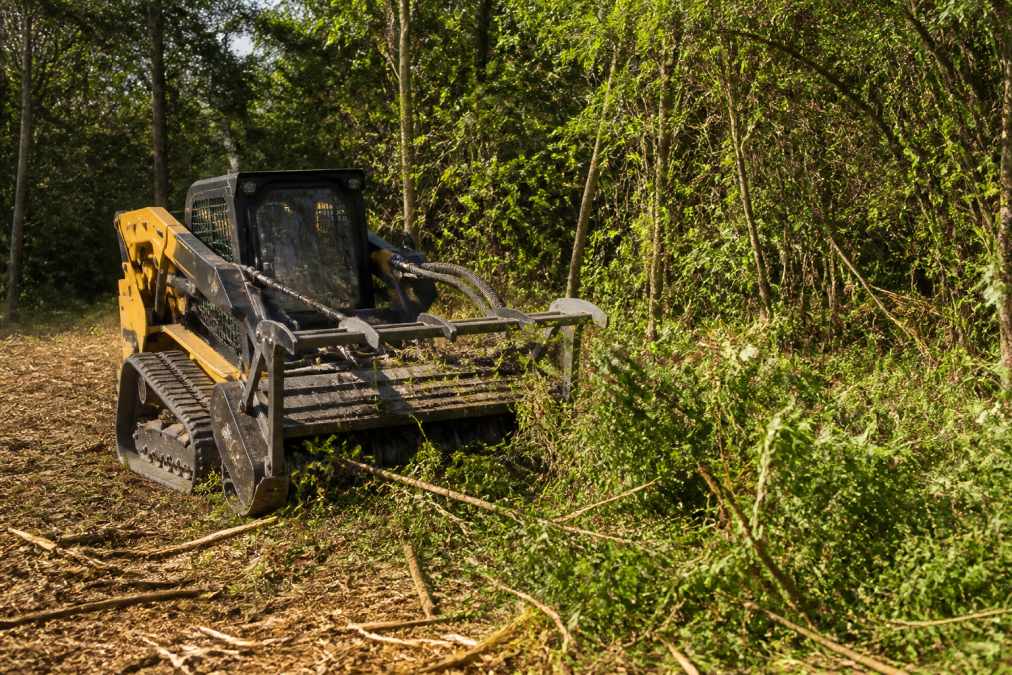
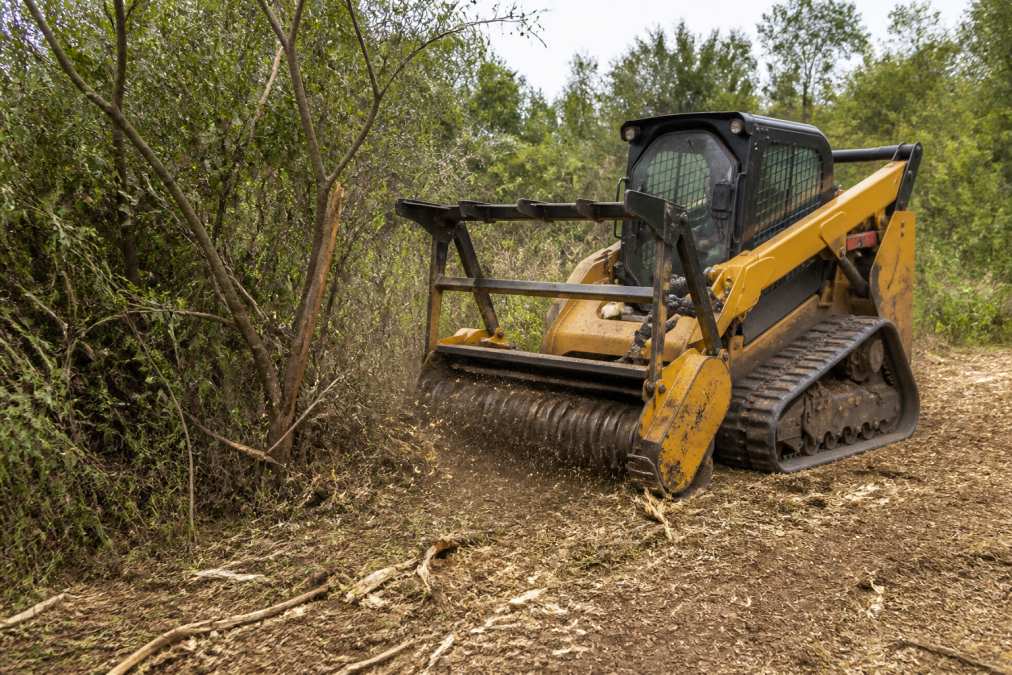
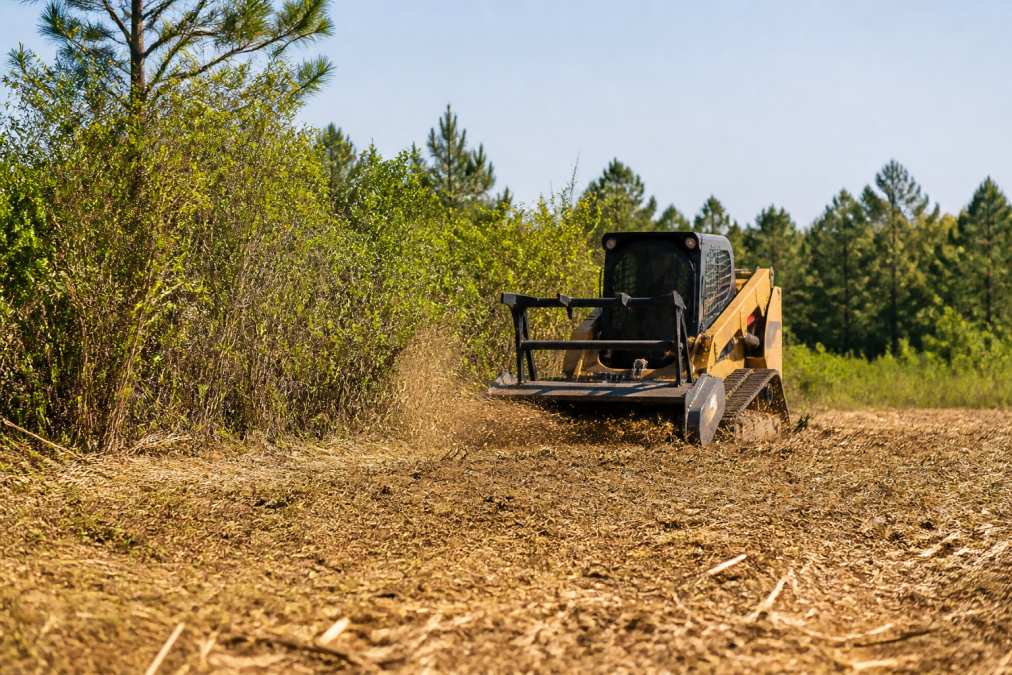
Forestry mulching is a land clearing method that grinds standing brush, saplings, and underbrush into a layer of shredded organic material using a specialized cutting head. That mulch layer is the key to how it controls regrowth. At SemperFi Land Clearing LLC, we explain it this way: the machine doesn't just cut brush, it turns it into ground cover that works against the next generation of weeds.
Does forestry mulching prevent brush regrowth? It slows it down and reduces it, but it does not stop it forever. The mulch layer blocks light, holds moisture, and feeds soil organisms. That combination makes it harder for new seeds to sprout and grow.
The method leaves root systems and topsoil in place. That matters for soil erosion control and nutrient cycling. It also means some plants can push back up from surviving roots.
USDA Natural Resources Conservation Service guide to mulching for vegetation management
Which Species Grow Back and How Fast
Regrowth speed depends on the plant species, not just the mulch. Two plants sitting side by side under the same mulch layer can behave completely differently, because what matters is where the plant stores its regrowth energy, in roots, in rhizomes, or in a seed bank waiting for light.
Here's a practical guide to what returns, how it returns, and how fast:
| Species Type | Regrowth Source | Return Speed | Follow-Up Priority |
|---|---|---|---|
| Sweetgum, yaupon, sumac | Root sprouts from surviving root collar | Fast, same season | High; treat within 60 days |
| Privet, Japanese honeysuckle, multiflora rose | Seeds, root sprouts, and layered stems that root where they touch soil | Fast to moderate | Very high; invasive, spreads aggressively |
| Pine saplings | Seed bank and stump sprouting on some species | Moderate, 1 to 2 years | Medium; watch the seed bank |
| Blackberry, brambles | Root systems and tip-rooting canes | Moderate | Medium; mow before fruit set |
| Grasses and broadleaf weeds | Seed bank | Very fast, weeks | Ongoing; maintain ground cover |
Why the mechanism matters. Forestry mulching cuts top growth at the soil line. It does not kill the root collar, the swollen base where many woody plants store carbohydrate reserves. A plant with a healthy root collar can push new shoots from that stored energy even with no leaves. That's why sweetgum and yaupon often green up within weeks of a summer mulch pass. Species that spread by rhizomes or that root at the tips of canes, like blackberry and multiflora rose, can also expand sideways rather than just upward.
The seed bank is the second front. Even a plant you fully kill can leave behind years of viable seed in the soil. Pine, privet, and many weeds rely on this. When mulch thins or bare soil appears, that seed bank gets the light and moisture it needs to germinate. This is why a single clearing pass rarely ends the cycle, you're managing two separate regrowth engines, roots and seeds.
A species-first follow-up plan. Before you mulch, walk the property and identify the dominant brush. If it's mostly root-sprouting hardwoods like sweetgum and yaupon, plan a spot-treatment pass within the first 60 days, while sprouts are small and the root reserves are depleted. If it's invasive seed-spreaders like privet and honeysuckle, plan repeated visits across at least two growing seasons and prioritize removing plants before they flower and drop seed. If it's brambles, mow before fruit set to stop the next generation.
The lesson: forestry mulching removes the top growth, but the root systems and seed bank decide what comes back. Match your follow-up to the species you actually have, not to a generic schedule.
Penn State Extension guidance on controlling woody invasive plants
How to Stop Brush From Growing Back After Mulching
Stopping regrowth takes a plan, not a single pass. The mulch layer buys you time. Use that time well.
Follow these steps:
- Mulch in late summer or early fall, when plants store less energy
- Leave a thick, even mulch layer to block light and hold moisture
- Watch for root sprouts in the first 60 days
- Spot-treat new growth before it seeds
- Re-mow or re-mulch thin spots each season
- Seed desirable ground cover where you want permanent control
For heavy infestations, mechanical removal alone rarely wins. Many landowners combine mulching with targeted herbicide application on regrowth. Others stay organic and rely on repeated cutting. Both work if you stay consistent.
The choice comes down to your goals and timeline. Organic methods need more visits. Chemical follow-up is faster but needs care around water and desirable plants.
The Cost of Forestry Mulching Per Acre and Ongoing Maintenance
The cost of forestry mulching per acre depends on vegetation density, terrain, access, and how thick the brush is. Dense underbrush and steep ground take longer, so they cost more. Rather than quote a flat number, we assess each property, but you deserve a realistic framework, not a shrug.
What drives the initial pass. Most contractors price by the hour or by the acre, and the two are linked. A clean pasture with light saplings might take a fraction of the time a choked hillside of mature privet and sweetgum takes. Steep slopes, wet ground, fence lines, and rock all slow the machine and raise the per-acre figure. Your actual number depends on a site walk.
The cost most people miss: maintenance. The initial clearing pass is the visible expense. The recurring cost is the one that decides whether your land stays clear. Budget for two lines, not one:
- The initial clearing pass
- Ongoing maintenance to hold the line
A realistic maintenance cycle is one to two visits a year for most properties, more in the first two seasons after clearing and more again if invasives are present. Each visit costs less than the original pass because the growth is smaller and the machine moves faster, but skip a season and you can be back near square one, which means paying clearing prices again. That's the hidden cost of ownership: the money you save by skipping maintenance is often repaid with interest when the brush returns.
A simple way to think about total cost. Add the initial pass plus two to three years of maintenance visits. Compare that total against the cost of doing nothing and letting the brush reclaim the land, lost pasture, lost access, lost use. For most landowners, the maintenance line is the cheaper of the two over a five-year horizon, but only if it's planned from day one rather than treated as an afterthought.
How to keep maintenance costs down. Mulch at the right time of year so regrowth is slower.
Forestry Mulching Maintenance Tips for Long-Term Control
Good forestry mulching maintenance tips start with timing and observation. Walk the site every few weeks in the first season. Catch new growth early, when it's cheap to remove.
A few habits that pay off:
- Re-mulch thin spots before bare soil shows
- Keep a mulch layer over exposed ground to stop weed seeds
- Mow trails and fence lines on a set schedule
- Replant bare areas with grasses to crowd out brush
- Track which species return and where
Common Mistakes That Let Brush Return
Other common errors:
- Mulching too shallow, leaving roots exposed and ready to sprout
- Clearing in spring, right when plants push new growth
- Ignoring invasive species that spread by root
- Skipping follow-up visits for a full season
- Removing all ground cover and inviting erosion
A second mistake is expecting a permanent result. No method erases a seed bank. Successional growth is natural. Your job is to steer it, not stop it.
Conclusion: Setting Realistic Expectations
Forestry mulching reduces regrowth and sets up better soil health, but it doesn't end the cycle on its own. The mulch layer, root systems, and seed bank all shape what comes next.
Frequently Asked Questions
Does forestry mulching kill the root system of brush?
Forestry mulching cuts vegetation at or slightly below the ground surface but does not kill most root systems. Woody shrubs and invasive species with extensive root networks will send up new shoots from surviving roots. The mulch layer can slow that process by blocking light and reducing soil contact, but it does not eliminate the roots themselves. Species like privet, yaupon, and Chinese tallow are particularly likely to resprout because their root systems store enough energy to push new growth even after the top growth is removed.
How long does it take for brush to grow back after mulching?
Regrowth timelines depend on species, season, and rainfall. Fast-growing woody species can push new shoots within 30 to 60 days during the growing season. Most properties see meaningful regrowth within the first full growing season after mulching. Slower species might take a full year or more to return to a noticeable density. The mulch layer left on the ground delays regrowth by shading the soil surface, but it breaks down over time and loses that suppression effect.
What is the best way to prevent regrowth after land clearing?
The most effective approach combines mechanical removal with follow-up treatments. After forestry mulching, monitor the site and address new shoots while they are still small. Spot herbicide application on cut stumps or fresh regrowth is common for invasive species. For organic-focused landowners, repeated mowing or mulching before plants go to seed can exhaust root reserves over several seasons. The key is timing: treat regrowth before it matures and produces seed, or you restart the cycle.
Will grass grow after forestry mulching?
Grass typically returns if the seed bank in the soil is intact or if you seed after mulching. The mulch layer can suppress some grass germination initially because it blocks light, but as the mulch breaks down it adds organic material that improves soil health. Many landowners seed warm-season grasses after mulching to establish ground cover that competes with brush seedlings. Without seeding, you may see a flush of weeds and woody seedlings instead of desirable grass.