 how-to
Forestry Mulching Companies: How to Choose and Compare
Table of Contents
- What Forestry Mulching Companies Actually Do
- Forestry Mulching vs. Traditional Land Clearing Methods
- Forestry Mulching Pros and Cons You Should Know
- How to Get a Land Clearing Estimate
- Understanding Forestry Mulching Cost Per Acre
- How to Vet and Compare Forestry Mulching Companies
- What to Expect Before, During, and After Your Project
- Frequently Asked Questions
Last Updated: October 5, 2026
What Forestry Mulching Companies Actually Do
Forestry mulching companies operate specialized heavy equipment that grinds trees, brush, and vegetation into fine mulch while clearing land in a single pass. Unlike traditional land clearing methods that remove material and leave bare soil, forestry mulching companies process everything on-site, creating ground cover that protects your property.
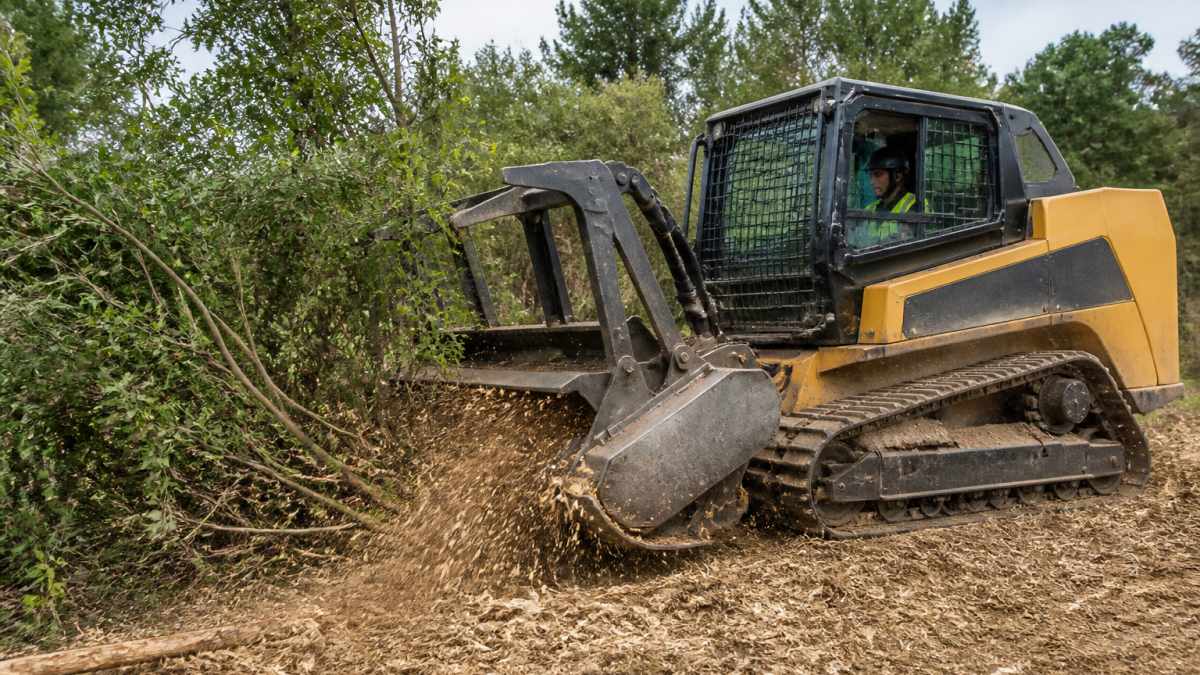
At SemperFi Land Clearing LLC, we use forestry mulching equipment to handle overgrown acreage, dense brush, saplings, and underbrush that traditional methods struggle with. The process is efficient because the mulch stays on your land, improving soil health and reducing erosion.
Forestry mulching companies typically handle several types of projects. Brush clearing removes unwanted vegetation from fence lines and pastures. Land clearing and property reclamation tackle thick overgrowth on abandoned or neglected acreage. Right-of-way clearing maintains utility corridors and access roads. Site preparation readies land for new construction, subdivisions, or development. Each project requires assessing vegetation density, terrain accessibility, and the specific goals for your property.
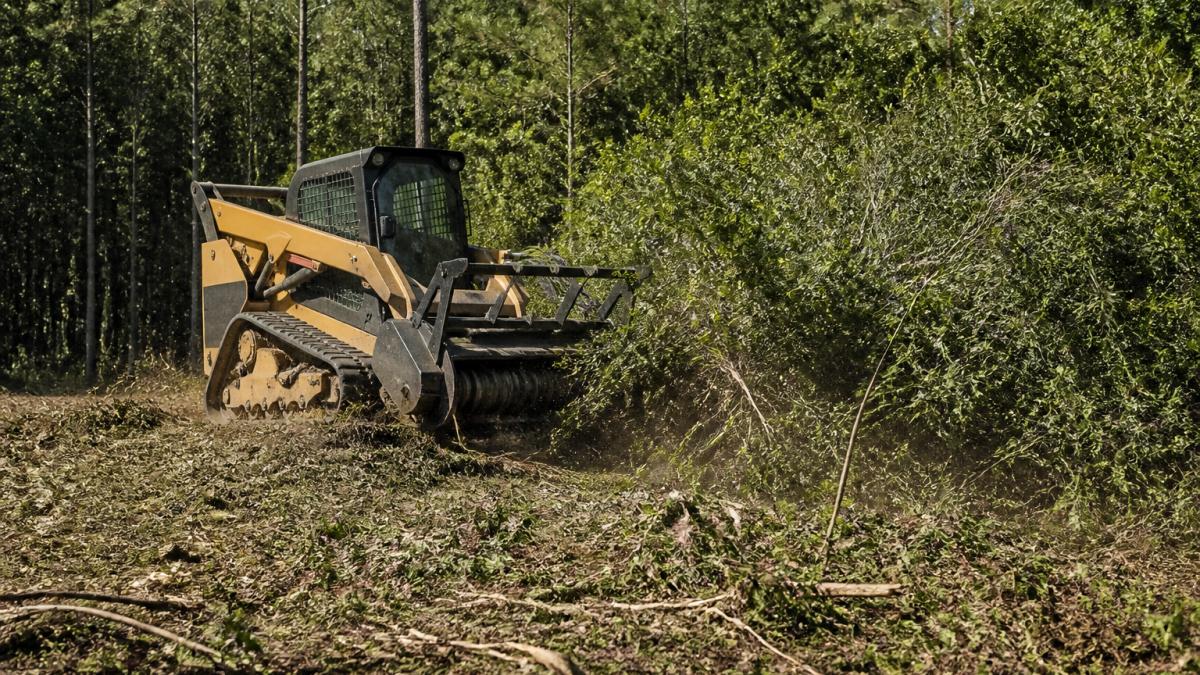
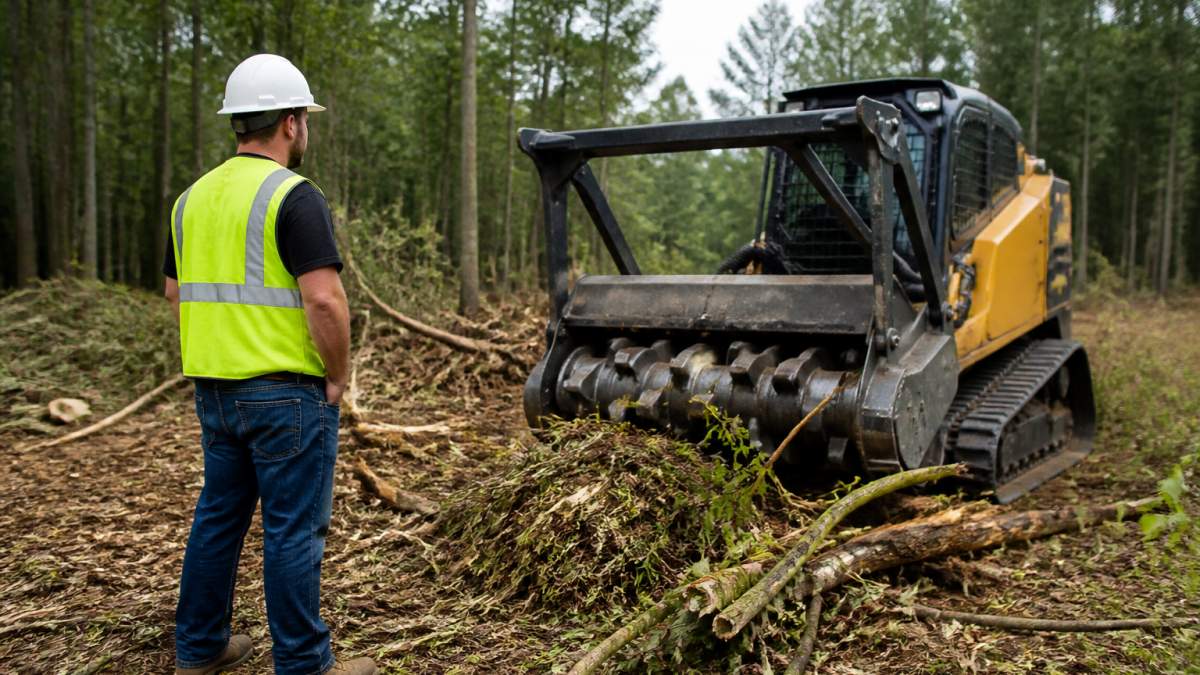
The equipment itself is a specialized forestry mulcher, a tracked or wheeled machine with a rotating drum or head that chips material as it moves. The operator controls the depth and aggressiveness of grinding based on what's being cleared. Small saplings take one pass. Mature trees and thick brush require multiple passes or repositioning. The result is consistent mulch that covers the cleared area, reducing regrowth and stabilizing soil.
Forestry Mulching vs. Traditional Land Clearing Methods
Forestry mulching and traditional land clearing achieve the same end goal, reclaiming overgrown property, but the methods and outcomes differ significantly. Understanding these differences helps you choose the right approach for your land.
Traditional land clearing typically involves cutting trees and brush, removing stumps with heavy equipment, and hauling material off-site to a landfill or processing facility. Mulching equipment sits idle while crews load trucks.
Forestry mulching companies take a different approach. The mulching equipment grinds everything on-site in one continuous process. No material leaves your property. The resulting mulch blanket covers exposed soil, slows water runoff, and discourages weed and brush regrowth. Your land is immediately usable after clearing.
Cost and timeline can be a factor. Because material stays on-site and processing happens during clearing, the job can move faster. Traditional clearing requires multiple steps: cutting, stump removal, hauling, debris disposal, and separate grading or mulching if you want ground cover afterward.
Soil disturbance is another key difference. Traditional equipment can tear up topsoil during removal and hauling operations. Forestry mulching equipment is designed to minimize ground disturbance while processing vegetation. The mulch layer actually protects remaining soil and improves its structure over time.
For small residential properties or fence line clearing, either method works. For larger acreage with dense vegetation, forestry mulching can be a beneficial option. The choice depends on your budget, timeline, and what you plan to do with the land afterward.
Forestry Mulching Pros and Cons You Should Know
Forestry mulching has genuine advantages and real limitations. Being honest about both helps you decide if it's right for your property.
Pros of forestry mulching:
Efficiency is a key advantage. A single machine clears, grinds, and spreads mulch in one pass. Your land is immediately accessible after clearing.
Soil health improves with the mulch layer. The ground cover reduces erosion, retains moisture, and breaks down over time to add organic matter.
Cost-effectiveness can be a benefit due to fewer steps and less equipment needed. There are no hauling trucks or landfill fees, and no separate grading or mulching afterward.
Environmental benefits matter to many landowners. Nothing leaves your property. The mulch breaks down naturally, feeding the soil.
Cons of forestry mulching:
Regrowth happens if you don't follow up. The mulch layer slows regrowth but doesn't stop it permanently. For long-term vegetation control, you need a maintenance plan, either periodic re-mulching or herbicide treatment.
Heavy equipment can compact soil in some cases, particularly if the land is wet or has poor drainage. The forestry mulcher's weight is distributed across tracks, but wet clay soil can still get pushed down.
Mulch depth varies depending on how dense the original vegetation was. Thin mulch in some areas means faster regrowth there. A skilled operator manages this, but uneven coverage is possible on challenging terrain.
Accessibility matters. If your land is steep, rocky, or has large trees too close together, the equipment may not fit or may struggle. A site assessment determines whether forestry mulching is feasible before any commitment is made.
How to Get a Land Clearing Estimate
Getting an accurate estimate requires more than a phone call. Here's how the process actually works.
SemperFi Land Clearing LLC offers free assessments. This is not a sales pitch, it's a site visit where the operator evaluates vegetation density, terrain accessibility, tree sizes, and any obstacles. Photos and measurements inform the quote.
During the assessment, be clear about your goals. Are you clearing for pasture maintenance? Preparing for new construction? Establishing wildlife trails? Removing a hazard? Your end goal affects what the operator recommends and how thoroughly they approach the work.
Ask about acreage. Most estimates are quoted per acre or as a total project cost. Density matters more than acreage, one acre of thick brush costs more than one acre of scattered trees. The assessment captures this detail.
Timing affects pricing. Seasonal demand can shift costs.
Get multiple estimates if you're uncertain. Different companies may approach the same property differently based on their equipment and experience. SemperFi Land Clearing LLC's free assessment can provide a baseline.
Ask what's included in the estimate. Does it cover stump grinding? Debris removal? Site grading? Mulch spreading? Different companies bundle services differently. A clear estimate breaks down what you're paying for.
Understanding Forestry Mulching Cost Per Acre
Cost per acre varies widely based on vegetation density, accessibility, and local market conditions. Understanding what drives pricing helps you evaluate quotes fairly.
Dense brush and saplings cost more to clear than scattered trees because the equipment spends more time grinding material. A heavily overgrown acre with thick underbrush, vines, and small trees takes longer than an acre with mature trees spaced apart.
Terrain accessibility affects equipment mobility. Steep slopes, rocky ground, or soft wet soil slow the operation. Equipment that can't move efficiently burns more fuel and takes longer, increasing the per-acre cost.
Tree size matters. Small saplings and brush grind quickly. Mature hardwoods require multiple passes or repositioning. Mixed vegetation with a range of sizes costs more to process uniformly than uniform density.
Stump grinding is sometimes quoted separately from forestry mulching. If you want stumps ground below ground level, that's additional work beyond the basic mulching pass.
Local market conditions and equipment availability influence pricing. Rural areas may have fewer forestry mulching companies, affecting competition and cost. Seasonal demand peaks in spring and early summer, potentially raising prices.
How to Vet and Compare Forestry Mulching Companies
Choosing the right company matters more than finding the cheapest option. Here's how to evaluate forestry mulching companies fairly.
Check licensing and insurance. Legitimate forestry mulching companies carry general liability insurance and workers' compensation coverage. Ask for proof before signing any contract. Licensed operators understand local regulations and property boundaries, critical for avoiding disputes.
Ask about experience. How long has the company been doing forestry mulching? Have they worked on similar properties? Experience with your specific situation, residential, commercial, agricultural, or development projects, matters.
Request references. Talk to past clients about their experience. Did the company show up on time? Was the work thorough? Did regrowth happen faster than expected?
Verify equipment condition. Well-maintained equipment works faster and produces better results. Ask about the age and maintenance schedule of their forestry mulcher. Older, poorly maintained equipment may leave uneven mulch or require multiple passes.
Evaluate communication. How responsive are they during the assessment and quoting process? Do they answer questions clearly? Good communication during the sales process usually means better service during the project.
Compare what's included. Different companies include different services in their quotes. One may include site grading; another may not. One may haul away large debris; another may leave it. Detailed quotes let you compare apples to apples.
Check online presence. Reviews, testimonials, and a professional website suggest a stable business. Social media activity and photos of completed projects show they're actively working. Be cautious of companies with no online presence or negative reviews.
What to Expect Before, During, and After Your Project
Knowing the timeline and what happens at each stage removes surprises and helps you prepare your property.
Before the project:
Schedule your assessment and get a detailed quote. Confirm dates and weather conditions, wet ground can delay or complicate the work.
Remove personal items, vehicles, and obstacles from the work area. The forestry mulcher needs clear access.
During the project:
Expect noise and dust. Forestry mulching equipment is loud and creates a visible dust cloud. Projects typically take one to three days depending on acreage and density.
Stay back from the work area for safety. The equipment operator has limited visibility in some directions. Debris can kick up unexpectedly. Let the operator work without interruption.
Monitor mulch coverage as the work progresses. Uneven areas can be addressed during the project. If the operator is missing spots or the mulch depth is inconsistent, speak up while they're still on-site.
After the project:
Your land will look dramatically different. The mulch layer covers exposed soil and creates a uniform appearance. Some areas may have larger wood chips; others finer mulch. This breaks down over time.
Plan for follow-up maintenance. If regrowth is a concern, schedule herbicide treatment or re-mulching within the first year. For pasture restoration, overseed after the mulch settles.
Document the results with photos. This baseline helps you track regrowth patterns and plan future maintenance. Share photos with SemperFi Land Clearing LLC if you need recommendations for next steps.
Choosing the right forestry mulching company means weighing experience, equipment, pricing, and reliability. We offer a free land assessment to evaluate your property's specific needs and provide a detailed estimate before any work begins.
Frequently Asked Questions
What should I ask a forestry mulching company before hiring?
Ask about their licensing, insurance coverage, and experience with projects similar to yours. Request references from recent residential or commercial clients. Clarify what equipment they'll use, whether they handle debris removal, and if they offer site assessments. Ask about their timeline, any permits they'll secure, and how they handle property boundaries and environmental considerations. Finally, confirm whether they provide a written estimate and what factors might affect the final cost.
How do I compare forestry mulching quotes?
Request estimates from multiple forestry mulching companies that detail acreage, vegetation density, equipment used, and timeline. Compare the scope of work, some quotes include stump removal or debris hauling while others don't. Check whether pricing is per acre, hourly, or project-based. Verify that all quotes address site accessibility, soil conditions, and any environmental or permit requirements. Don't choose based on price alone; factor in the contractor's experience, insurance, and customer references.
What are the downsides of forestry mulching?
Forestry mulching isn't ideal for all situations. It may not fully remove large stumps, and on wet or sensitive soil, heavy equipment can cause temporary compaction. The process generates significant dust and noise, which might affect neighbors. In some cases, the mulch layer can harbor invasive plant seeds if not managed properly. Additionally, if vegetation regrowth prevention isn't part of your plan, brush and saplings may return. The initial cost can also be higher than basic mowing for small projects.
How long does forestry mulching typically take?
Timing depends on acreage, vegetation density, terrain, and equipment accessibility. Small residential projects (under 1 acre) often take one to three days. Larger properties with thick brush, saplings, and trees may require a week or more. Weather conditions, soil moisture, and site layout also affect duration. Most forestry mulching companies provide a timeline estimate during the initial assessment. Requesting a detailed project schedule upfront helps you plan for equipment access and any property disruptions.