 ultimate-guide
Forestry Mulching East Texas: Cost, Benefits & Guide
Table of Contents
- What Forestry Mulching Does for Overgrown East Texas Land
- Benefits of Forestry Mulching for Pasture, Fence Lines, and Hunting Land
- Forestry Mulching vs Bulldozing: Which Fits Your Property
- Cost of Land Clearing Per Acre: What Drives the Price
- Choosing the Right Equipment for East Texas Terrain
- Pre-Service Checklist: What to Do Before Crews Arrive
- After the Mulch: Maintaining Cleared Ground
- Conclusion
- Frequently Asked Questions
Last Updated: September 29, 2026
What Forestry Mulching Does for Overgrown East Texas Land
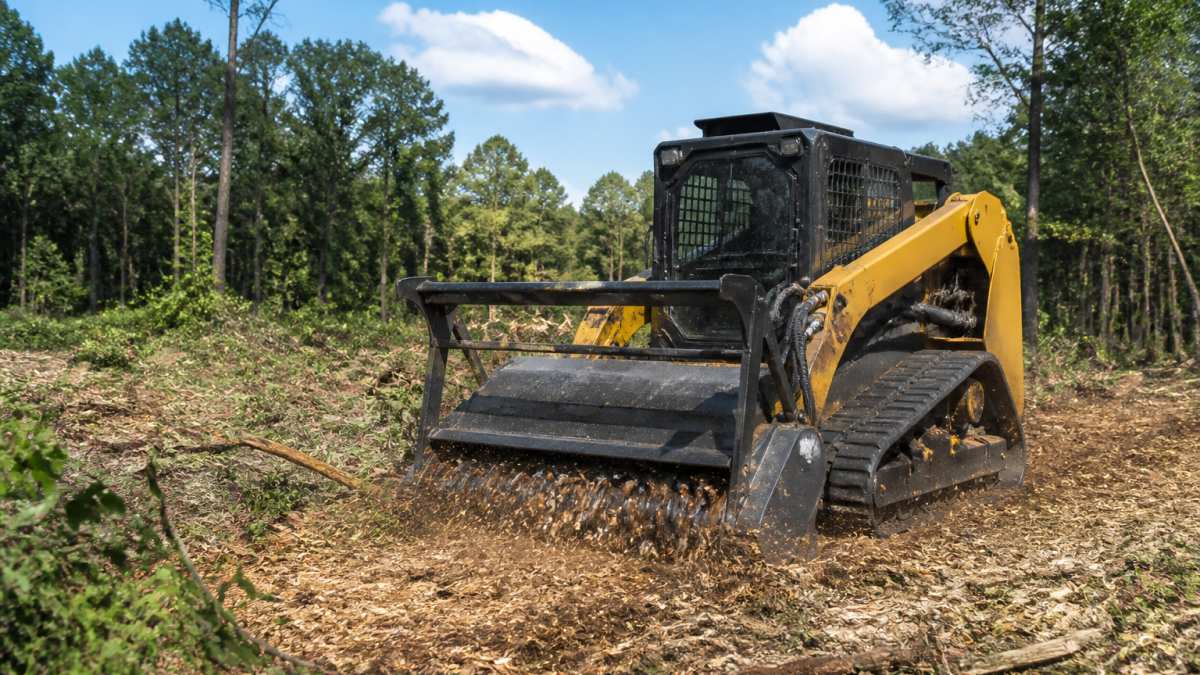
Forestry mulching uses a tracked machine with a rotating drum head to grind standing brush, saplings, and small trees into a layer of wood chips left on the ground. For East Texas landowners, it turns years of neglected growth into usable ground in a single pass. At SemperFi Land Clearing LLC, we run this work across the region's pine and hardwood country weekly.
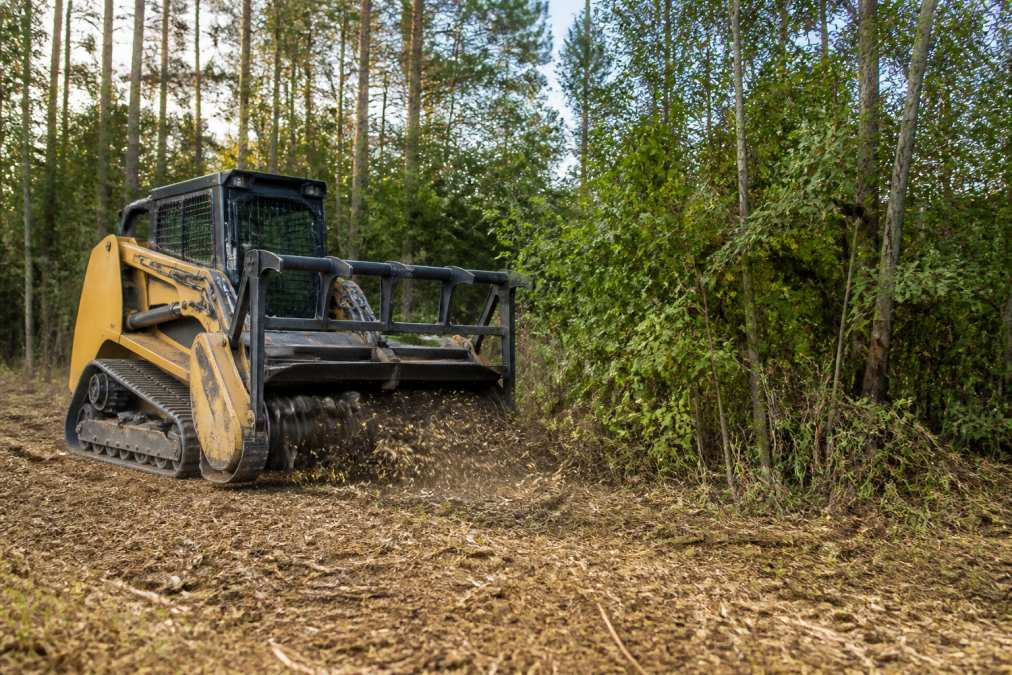
How the Mulching Process Works
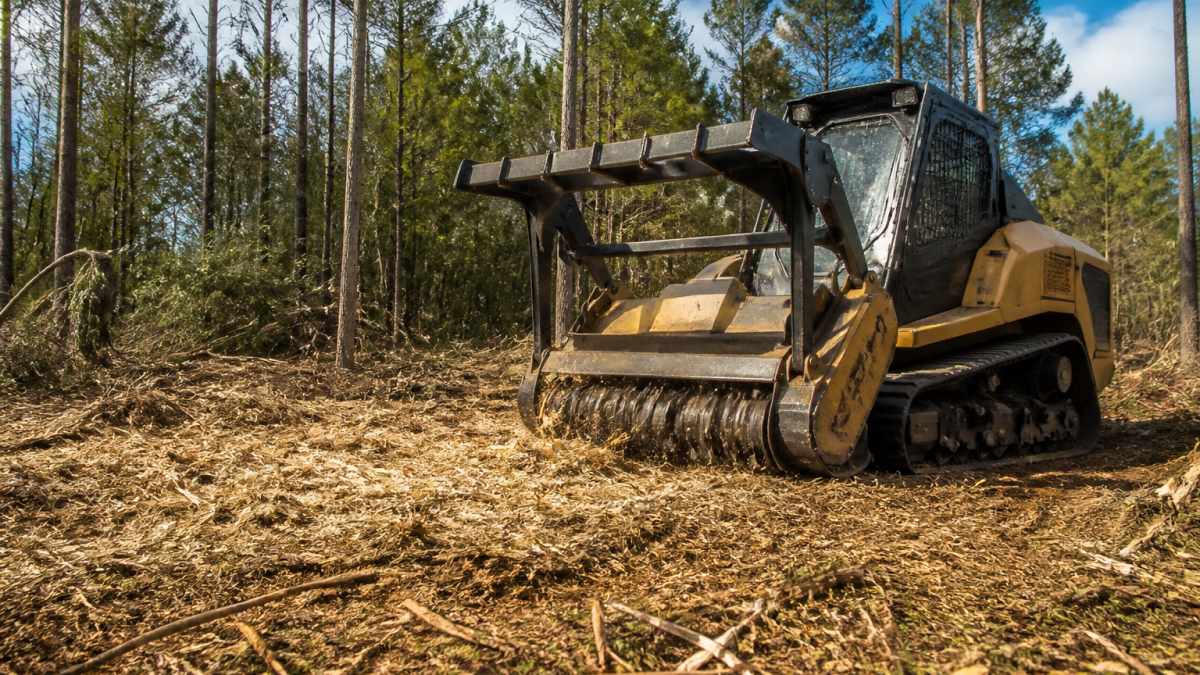
A mulching head mounts on a skid steer or dedicated tracked carrier. The drum spins at high speed, grinding vegetation to the soil line and leaving chips two to four inches deep.
Benefits of Forestry Mulching for Pasture, Fence Lines, and Hunting Land
The benefits of forestry mulching come down to speed, soil condition, and a finished surface you can use. A mulcher clears an acre of heavy brush in hours, not the days a dozer and burn crew need.
- Pasture reclamation. Overgrown fields return to grazing ground without the topsoil loss that comes with pushing and piling.
- Fence line clearing. Our specialized 10 ft fence line clearing opens a clean corridor so you can inspect, repair, and replace fencing without fighting vines and saplings.
- Hunting land. Cleared senderos and food plot sites give deer and hogs edge habitat and give you shooting lanes through timber.
- Right-of-way clearing. Utility corridors, easements, and property boundaries stay passable and accessible.
Forestry Mulching vs Bulldozing: Which Fits Your Property
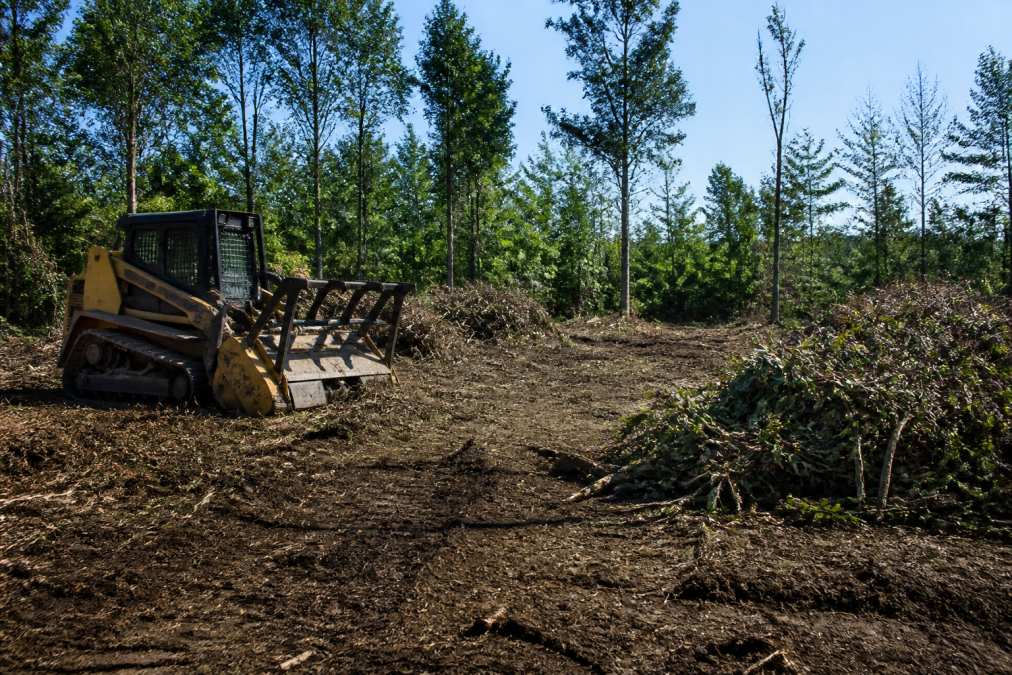
Forestry mulching wins on most residential and agricultural jobs because it preserves topsoil, leaves no burn piles, and finishes faster. Bulldozing still has a place, but a narrower one than most assume.
The trade-offs we walk through with landowners:
| Factor | Forestry Mulching | Bulldozing |
|---|---|---|
| Topsoil | Left in place | Often scraped and mixed |
| Debris | Chipped and spread | Piled and burned or hauled |
| Speed | Fast, single pass | Slower, multiple steps |
| Best for | Brush, saplings, pasture, fence lines | Stumps, large trees, grading |
| Soil disturbance | Low | High |
| Finished surface | Walkable mulch layer | Bare, uneven ground |
Where Bulldozing Still Makes Sense
Bulldozing is the better call for large-diameter trees, deep stumps, or actual earthmoving. For a house pad, driveway, or pond, you need a machine that moves soil, not one that grinds vegetation.
Cost of Land Clearing Per Acre: What Drives the Price
The cost of land clearing per acre depends on density, terrain, access, and how much material must be handled rather than mulched. Light pasture brush and a quarter-acre fence line cost far less per acre than a tangled creek bottom full of large hardwoods.
- Vegetation density and size. Thick saplings and large trees take longer per acre than open pasture.
- Terrain. Slopes, creek crossings, and wet ground slow any machine.
- Access. Narrow gates and soft driveways limit how close equipment can get.
- Debris handling. Mulching in place is faster than piling, burning, or hauling.
- Stumps and rocks. Grinding stumps is a separate operation from clearing brush.
Why Two Quotes for the Same Acreage Differ
Two contractors can quote the same acreage thousands of dollars apart, and neither is necessarily wrong. The gap usually comes from debris handling, estimated machine time, and whether stumps are included.
Choosing the Right Equipment for East Texas Terrain
Most articles stop at "tracked mulchers beat wheeled machines." True, but not the decision that determines your outcome. The two variables that matter most are the carrier (what the mulching head is mounted on) and the head (the cutting attachment itself). Match them to your ground and vegetation and the job runs clean; mismatch them and you pay in torn-up pasture, stalled passes, or a finish that looks nothing like the photos.
Carrier Classes: Skid Steer vs. Compact Track Loader vs. Dedicated Tracked Mulcher
- Skid steer with mulching attachment. Best for tight residential lots, fence lines, and house pads where a full-size carrier cannot fit through a gate. Limitation: wheeled skid steers rut soft ground and lose traction on wet slopes; a compact track loader (CTL) solves most of that by spreading weight across tracks.
- Compact track loader. The workhorse for most residential and small-acreage jobs. Fits through standard gates, handles moderate slopes, and runs a mulching head well in saplings and light hardwoods, with low ground pressure that avoids the deep ruts a wheeled machine leaves.
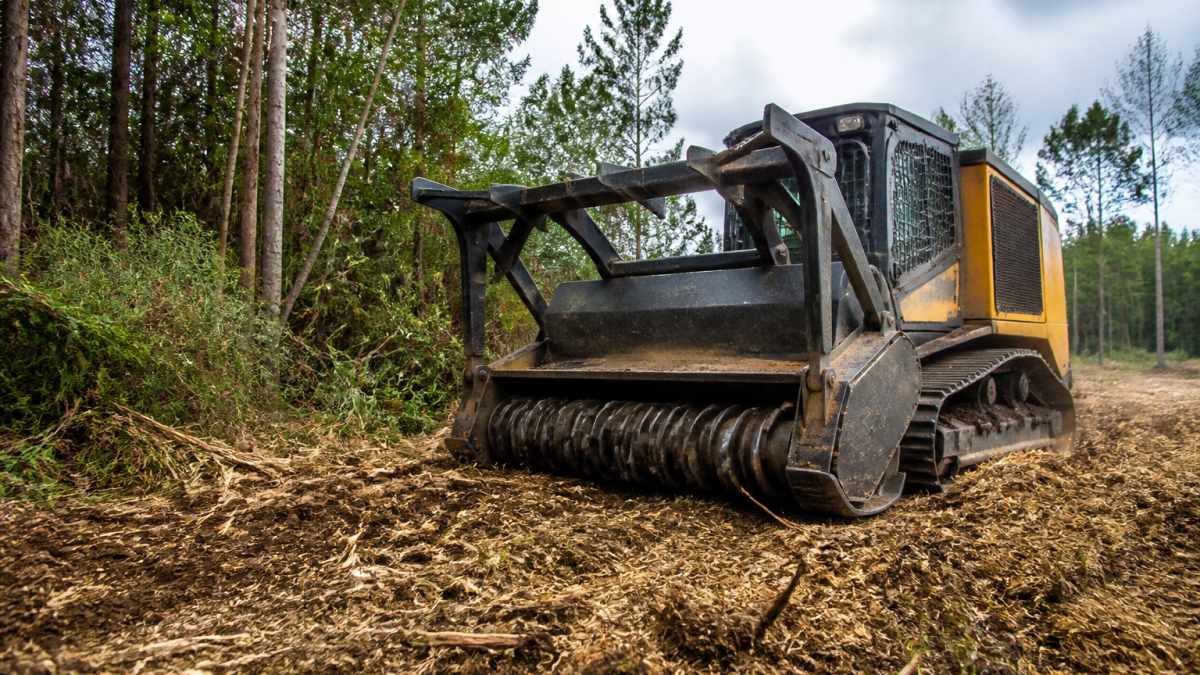
- Dedicated tracked mulcher. A purpose-built carrier with the head integrated into the chassis rather than hung off a lift arm. Higher hydraulic flow, better cooling, and all-day running in heavy material make it the machine for large acreage, thick creek bottoms, and sustained sapling work where a CTL would overheat or stall.
The practical rule: match the carrier to access first, then to volume of material. A dedicated mulcher that cannot fit through your gate is useless; a CTL that stalls every twenty minutes in heavy hardwoods is worse because you pay for the downtime.
Head Types: Drum vs. Disc
The head is where most buyers get talked into the wrong machine.
- Drum head (fixed-tooth rotor). Grinds material finer and leaves a more even mulch layer. Better for heavy brush, saplings, and anything you want reduced to a consistent chip size. Slower in light material, but the finish quality makes it most crews' default.
- Disc head (rotating disc with swinging teeth). Cuts faster in light brush, grass, and small saplings. Less consistent chip size, and it struggles in dense hardwoods. Good for right-of-way maintenance and pasture touch-ups where speed matters more than finish.
Matching Machine to Terrain
- Soft ground and creek bottoms. Tracks only. Wheeled machines bury themselves and tear up the surface you are trying to improve.
- Slopes. Low center of gravity and wide tracks. A dedicated tracked mulcher handles grades a CTL cannot safely climb with a head extended.
- Tight residential lots. CTL or skid steer. Confirm gate width and overhead clearance before the crew arrives; a machine that cannot reach the work area is a wasted trip.
- Large acreage with heavy saplings. Dedicated tracked mulcher, hydraulic capacity keeps the head spinning at full speed instead of bogging down.
Pre-Service Checklist: What to Do Before Crews Arrive
A short walkthrough before the crew shows up prevents most delays: mark what you want protected, clear a path for equipment, and confirm exactly what is being cut.
- Mark property lines, survey pins, and fence corners
- Flag trees, plants, or structures you want left untouched
- Remove vehicles, equipment, and debris from the work area
- Note any septic fields, buried lines, or irrigation you know of
- Confirm gate widths and access routes for the equipment
- Verify the scope in writing, including stump handling and cleanup
After the Mulch: Maintaining Cleared Ground
Cleared ground does not stay clear on its own. The mulch layer suppresses new seedlings by blocking light and holding moisture at the surface, but it is not a herbicide. Established woody plants, especially those with root systems the mulcher could not reach, resprout from the root crown; yaupon, sweetgum, and privet are notorious for this. The mulch buys you time, and how much depends on what was growing there and how you manage it afterward.
What to Expect in the First Year
- Months 1-3. The mulch layer is fresh and thick, so regrowth is minimal. Walk the ground and note anything you want to keep or remove.
- Months 4-9. Warm-season growth pushes through: grass and forbs first, then woody seedlings. Spot-treat or mow before saplings harden off.
- Months 10-12. The mulch layer has begun breaking down and thinning. Root-crown resprouts from cut hardwoods are the main concern. This is when a follow-up pass pays for itself.
A Maintenance Plan That Actually Works
- Walk the ground twice a year. Spring catches new growth before it thickens; fall catches what survived summer. Bring a flag or spray marker and tag anything you want gone next pass.
- Mow where you can. Pasture and senderos respond well to regular mowing; clipping saplings at ground level prevents the root reserves that make them hard to kill later.
- Spot-treat resprouts. Cut-stump or foliar treatment on individual resprouts is far cheaper than re-mulching an acre. Target the root crown, not just the top growth.
- Re-mulch on a cycle, not a schedule. Heavy brush typically needs a follow-up pass every two to four years; light pasture may go five or more. The trigger is regrowth height, not the calendar.
- Protect the soil. Keep the mulch layer in place. Avoid driving heavy equipment over wet ground, which compacts soil and undoes the porosity the mulch was building.
Why Regrowth Speed Varies So Much
- Species composition. Yaupon, sweetgum, and privet resprout aggressively. Pines generally do not resprout from the stump. A pine-dominated tract stays cleaner longer than a hardwood bottom.
- Soil moisture. Wet bottomland grows faster than dry upland. Expect more frequent maintenance on creek-bottom ground.
- Mulch depth and distribution. Even, thick mulch suppresses more than thin or windrowed material. This is why asking for even spread matters.
- Sun exposure. Full-sun pasture regrows differently than shaded timber edge, which tends to produce more woody regrowth.
The goal is not a one-time clearance. It is ground you can keep using, grazing, hunting, or a building site, with a maintenance rhythm that fits how the land actually grows.
Conclusion
Overgrown acreage gets worse every season you wait, and clearing costs do not go down. The right approach depends on your ground: mulching for brush, saplings, and fence lines, bulldozing for stumps and earthwork, plus a maintenance plan to keep it open.
Frequently Asked Questions
What is the average cost per acre for forestry mulching?
There is no single flat rate. The cost of land clearing per acre depends on brush density, tree size, terrain, access, and how much acreage you have. Light saplings on open ground cost far less per acre than decades of tangled underbrush. SemperFi Land Clearing LLC offers a free land assessment so you get a real number based on your property, not a generic estimate. Ask for a written quote before work starts so there are no surprises.
Will grass grow back after forestry mulching?
Yes, and usually faster than after bulldozing. The mulcher leaves a layer of shredded organic material on the surface, which holds moisture and breaks down into the soil. Existing grass and root systems are largely left in place rather than scraped away. Many East Texas pastures green up within a season after clearing. If you want a stronger stand, plan to seed and fertilize after the mulch settles.
Is forestry mulching worth it for residential land?
For most homeowners with overgrown fence lines, thick brush, or acreage they cannot walk through, yes. Forestry mulching opens up usable space, improves curb appeal, and handles small jobs. A quarter-acre fence line is a normal project, not too small to quote. It also avoids the burn piles and hauled-off debris that come with bulldozing, so your yard is not torn up for weeks.
How does forestry mulching compare to traditional land clearing?
Traditional clearing with a bulldozer pushes topsoil, roots, and vegetation into piles, then you burn or haul the debris. Forestry mulching grinds everything in place, leaving the topsoil and root structure intact. That means less erosion, fewer ruts, and no burn permits to worry about. Bulldozing still wins when you need a bare, graded pad for a foundation or driveway.