 How-to
Is Land Grading Necessary for New Homes? What to Know
Last Updated: November 8, 2026
Quick Summary
Land grading is necessary for new homes because it sets the foundation elevation and directs water away from the structure. Without it, water pools against the foundation, soil settles unevenly, and the slab or crawlspace takes on moisture.
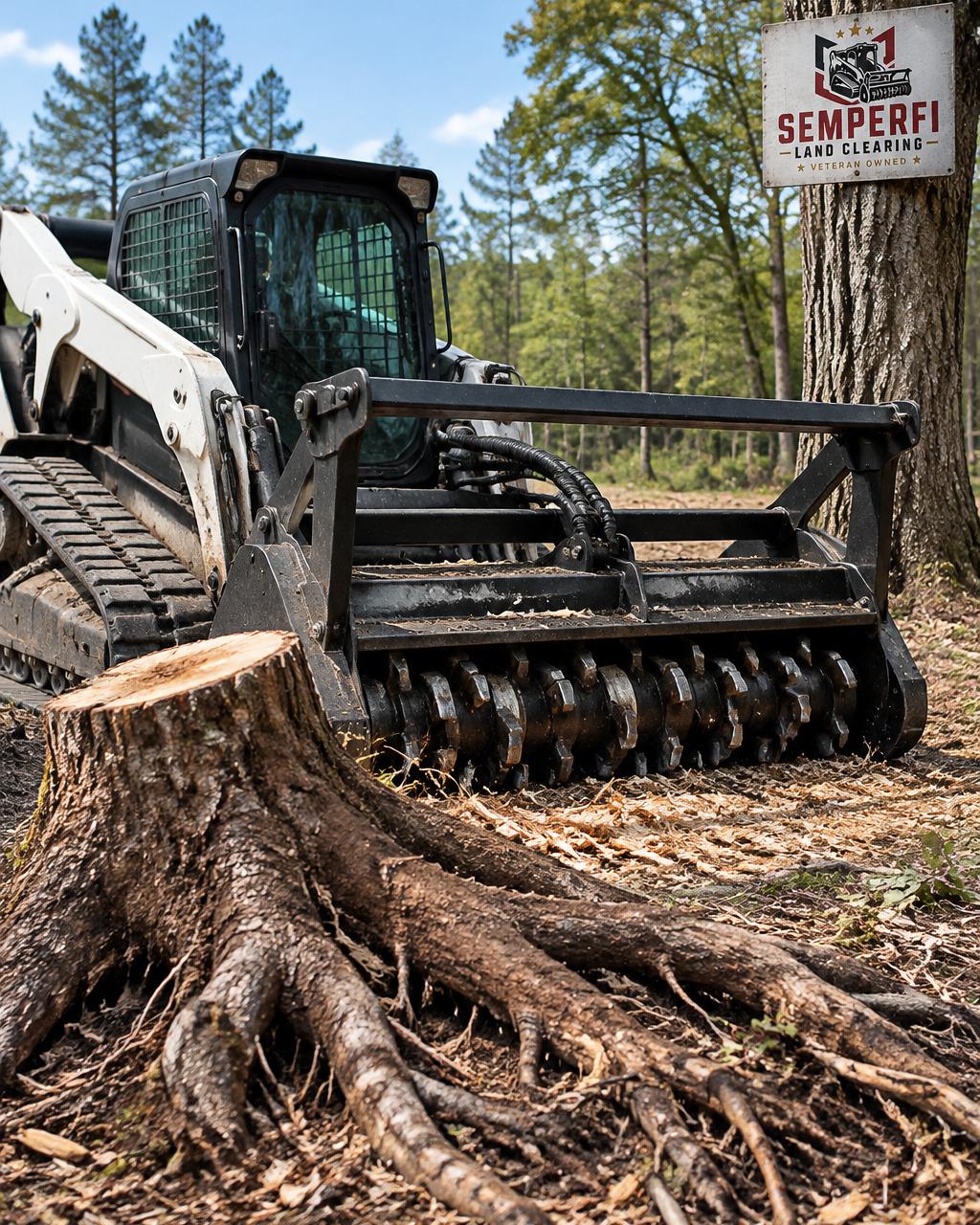
- Grading a lot starts with clearing brush, stumps, and roots from the footprint.
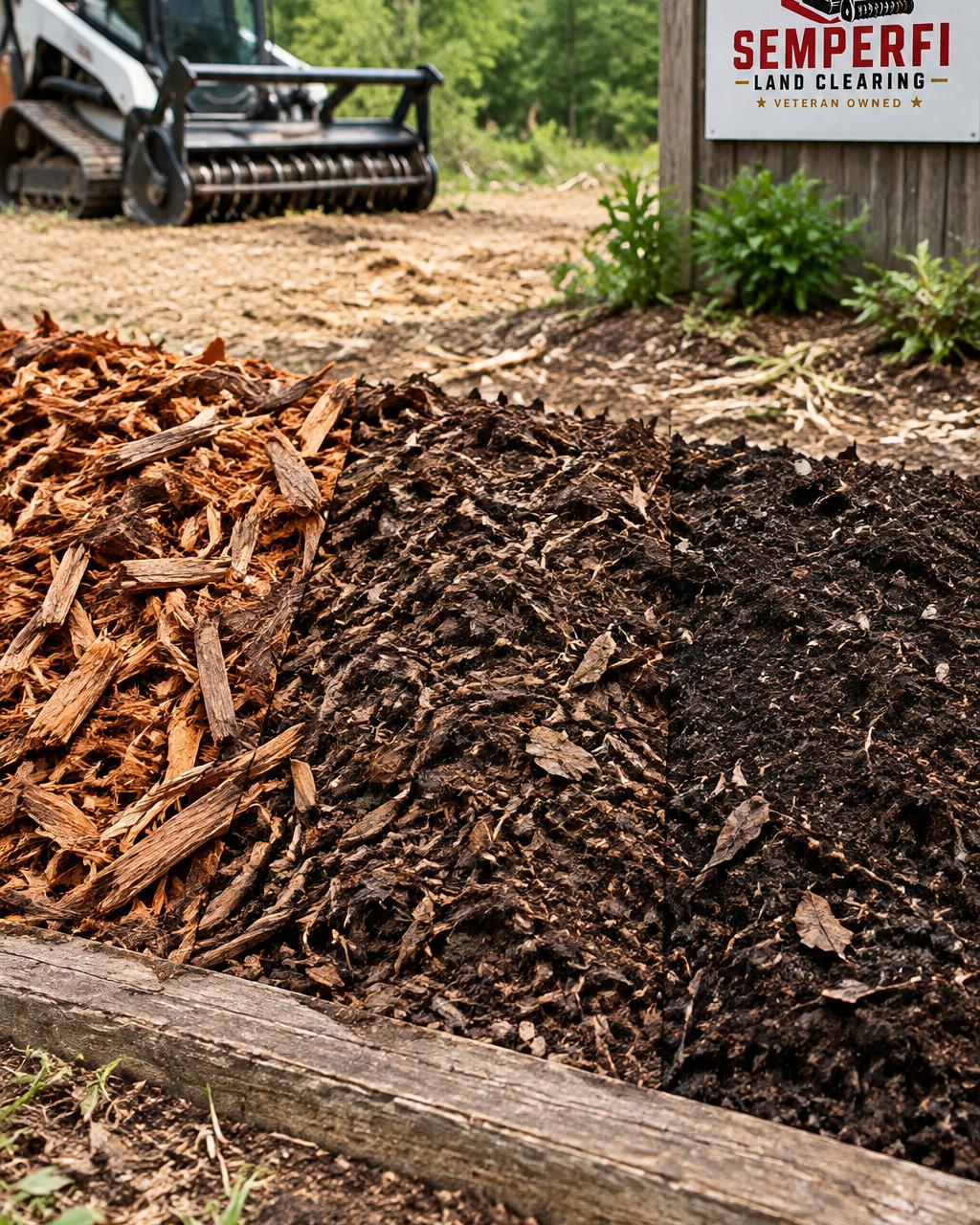
- Strip and stockpile topsoil during grading so it can be used for later landscaping.
- The ground should fall away from the foundation on every side for positive slope.
- Swales should carry water to a ditch, street, or dry creek.
- Walk the perimeter after a hard rain to check that water flows away from the walls.
Table of Contents
- Is Land Grading Necessary for New Homes?
- Site Grading Before Building a House: Preparing the Pad
- Grading Around a House for Drainage and Foundation Protection
- Frequently Asked Questions
Is Land Grading Necessary for New Homes?
Land grading is generally part of preparing a lot for a new home because it shapes the ground so water runs away from the structure instead of into it. Readers in Longview can explore full-service land clearing for brush removal, forestry mulching, and site prep. In East Texas, homesite clearing and local soil issues also shape how the grading work is set up.
Site Grading Before Building a House: Preparing the Pad
Site grading before building a house means cutting and filling soil until the ground sits at the right height and slope for the foundation. For the complete sequence, see these site preparation steps for building a custom home.
Here is a rough sequence commonly followed on a lot:
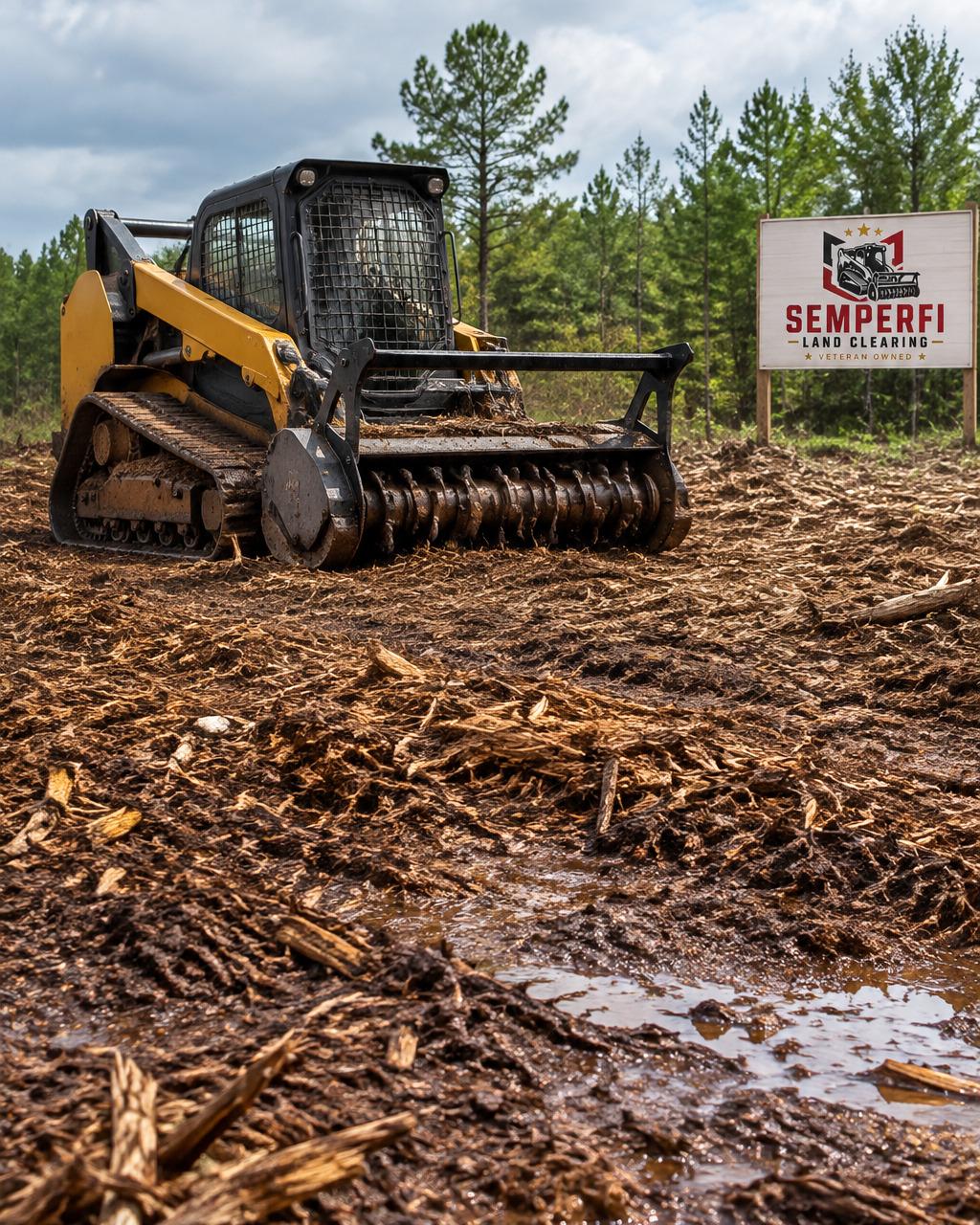
- Clear brush, stumps, and roots from the footprint
- Strip and stockpile topsoil for later landscaping
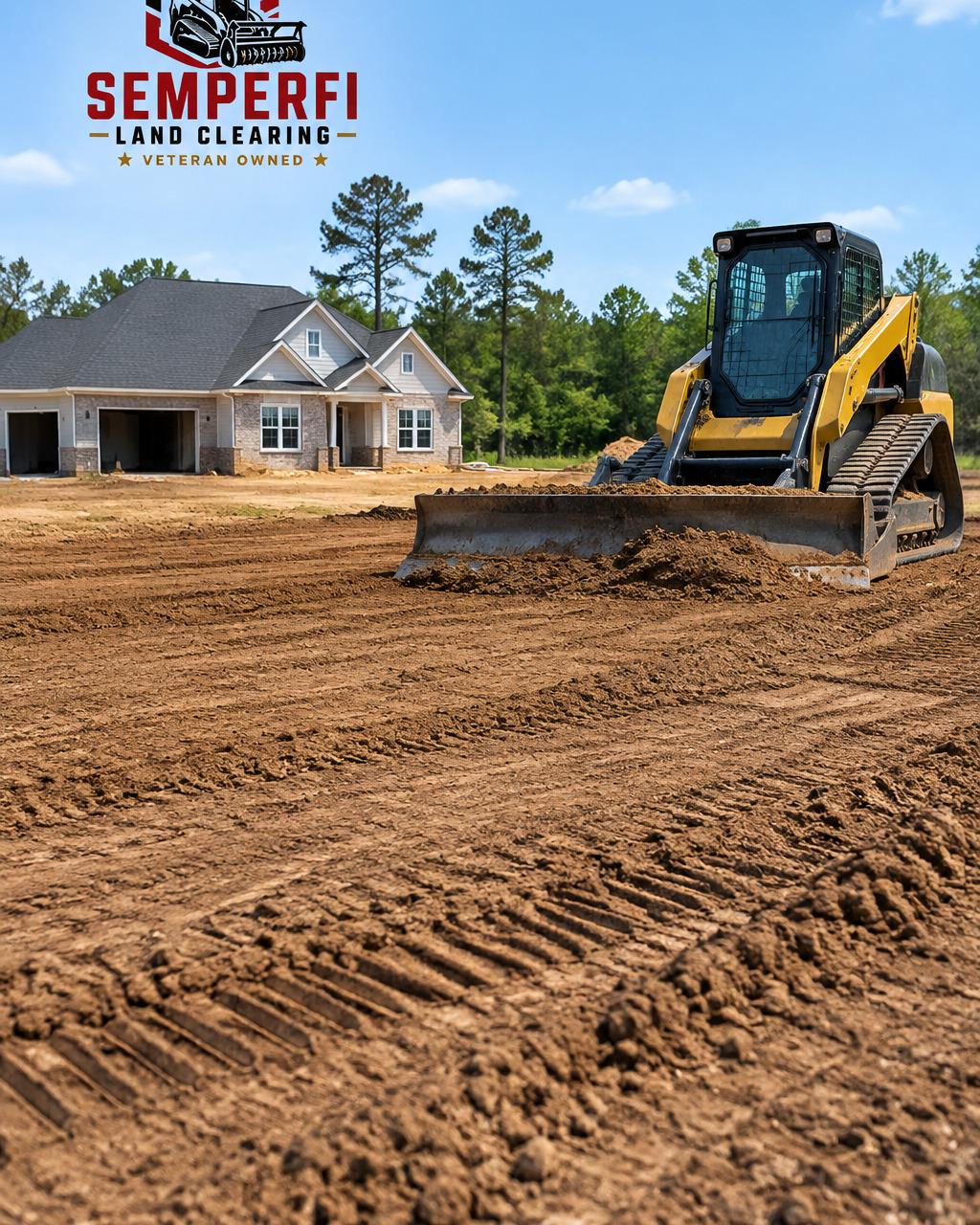
- Cut high spots and fill low spots with compacted fill dirt
- Shape the pad to the foundation elevation on the site plan
- Compact in lifts and re-check the slope
Good dirt work is quiet work, you notice it later, when the yard drains and the slab does not move. For the full picture, our step-by-step construction site prep process walks through permits, grading, and drainage in order.
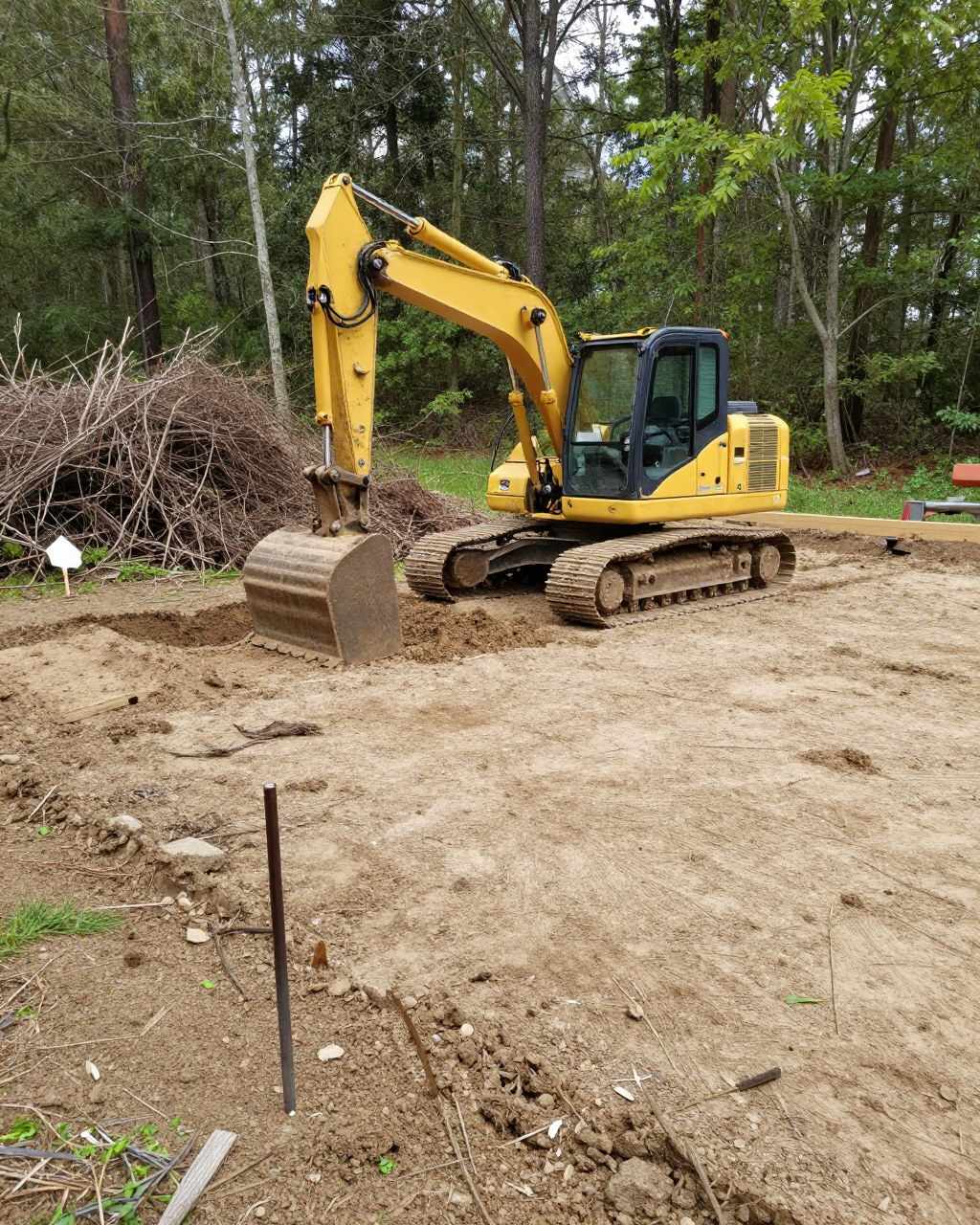
Here is the rough sequence commonly followed when grading a lot for a new home.
| Step | What to do |
|---|---|
| 1 | Clear brush, stumps, and roots from the footprint |
| 2 | Strip and stockpile topsoil for later landscaping |
| 3 | Cut high spots and fill low spots with compacted fill dirt |
| 4 | Shape the pad to the foundation elevation on the site plan |
| 5 | Compact in lifts and re-check the slope |
Grading Around a House for Drainage and Foundation Protection
Grading around a house for drainage means shaping the soil so surface water moves away from the foundation. The goal is a positive slope: high at the wall, lower as you move out.
A few rules of thumb we work by:
- The ground should fall away from the foundation on every side
- Swales should carry water to a ditch, street, or dry creek
- Downspouts should discharge well away from the wall
- Low spots near the slab are the first place water will pool
The U.S. Department of Housing and Urban Development treats site drainage as a core part of home construction because water against a foundation starts most basement leaks and crawlspace problems. For practical steps, see our guide on how to grade land for drainage.
Grading is not glamorous, but it is the difference between a dry house and a wet one. If your lot is overgrown and needs clearing before any of this can start, SemperFi Land Clearing LLC can help. We are veteran-owned, we offer a free land assessment, and we handle everything from specialized 10 ft fence line clearing to full forestry mulching. Our customers tell us we are on time, on schedule, and on budget. Get an estimate and let us get your land ready for what comes next.
Frequently Asked Questions
Is land grading necessary for every new home?
In practice, yes. Almost every building lot needs some land grading to create a level building pad, set the foundation elevation, and slope the ground away from the house. Even a lot that looks flat usually needs rough grading before construction and final grading afterward. Skipping it can leave surface water pooling against the foundation, which leads to basement leaks, water intrusion, and uneven settling over time.
What slope should the ground have around a new home?
The ground should fall away from the foundation on all sides, which builders call a positive slope. A common rule of thumb is about 6 inches of drop in the first 10 feet, then a continued gentle grade away from the structure. Gutters and downspouts should discharge well beyond the foundation. This grading around a house for drainage is what directs water runoff away from the basement and foundation instead of letting it pool.
How much does it cost to grade land for a house?
The cost to grade land for a house depends on acreage, how heavy the overgrowth is, how much fill dirt and soil compaction the site needs, and how far equipment has to travel. Clearing thick brush and establishing a building pad costs more than touching up a mostly open lot. Because pricing depends on the actual property, the reliable step is a free on-site land assessment and a written estimate before work starts.