 How-to
How to Manage Land With Forestry Mulching: A Step-by-Step Plan
Quick Summary
Forestry mulching manages land by using a tracked machine with a rotating drum to grind trees, brush and overgrowth into a fine layer of mulch in one pass. The mulch stays on the ground to break down and feed the soil. Plan the treatment around your land goals, mulch in thin even passes, and schedule follow-up upkeep to control regrowth.
- Forestry mulching grinds trees, brush and overgrowth into mulch in one pass.
- Plan the treatment around your land goal before work begins.
- Work across slopes, not straight up and down, to reduce erosion risk.
- A thin, even mulch layer breaks down faster and protects the soil.
- Plan a follow-up schedule, since some brush may sprout again.
Table of Contents
- What Forestry Mulching Does and When to Use It
- Step 1: Plan the Treatment Around Your Land Goals
- Step 2: Mulch the Site and Manage the Mulch Layer
- What to Do After Forestry Mulching: Regrowth Control and Upkeep
- Frequently Asked Questions
What Forestry Mulching Does and When to Use It
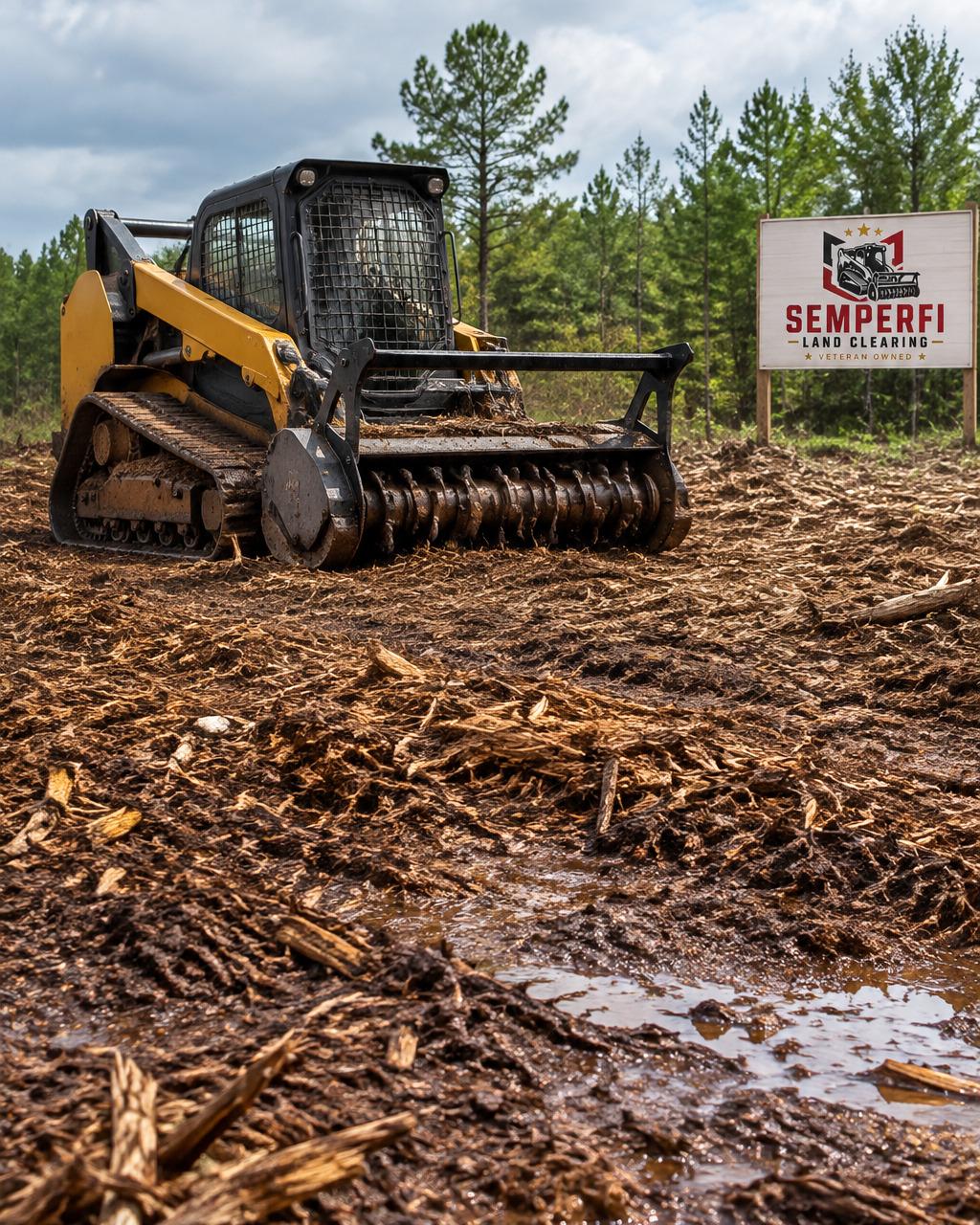
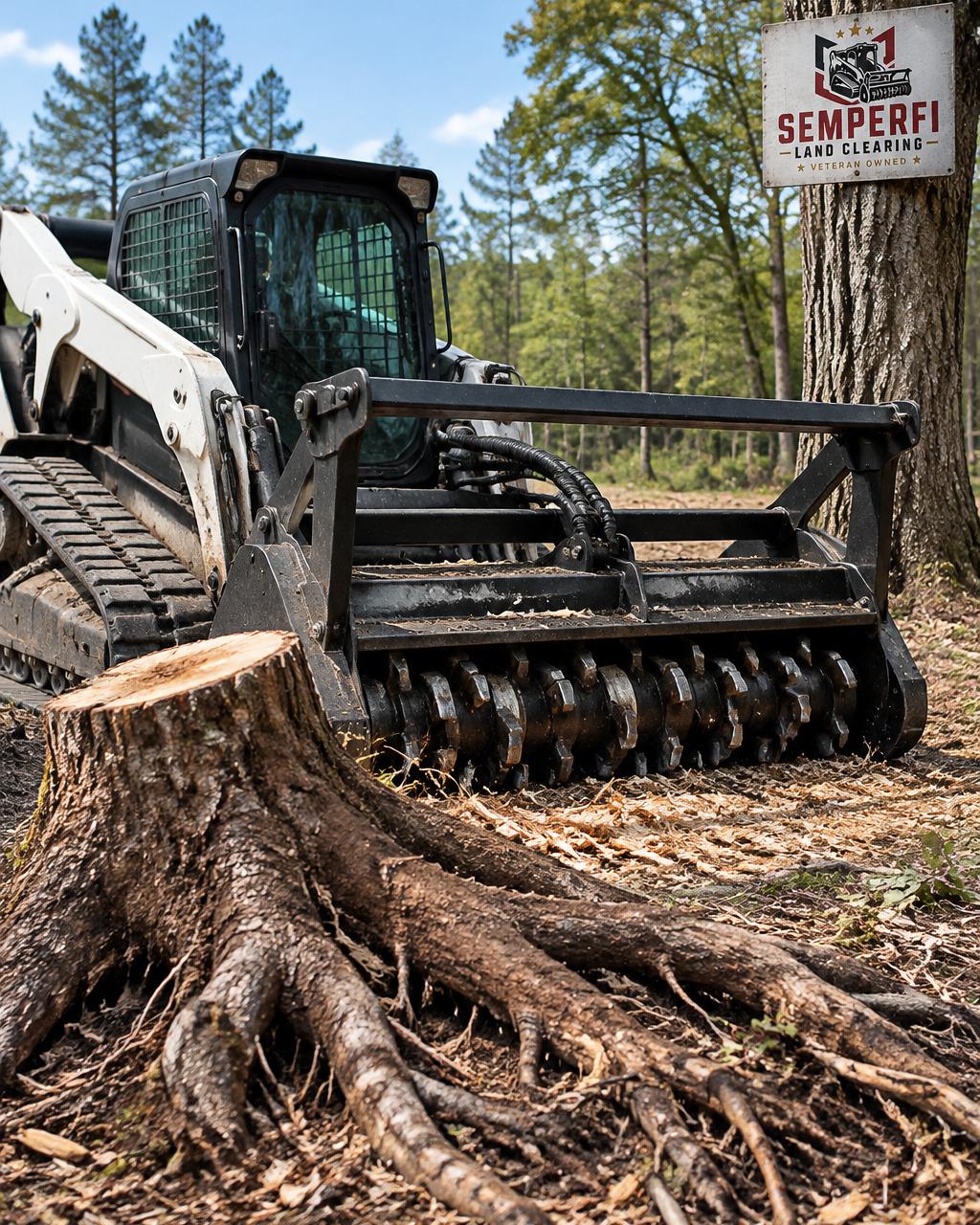
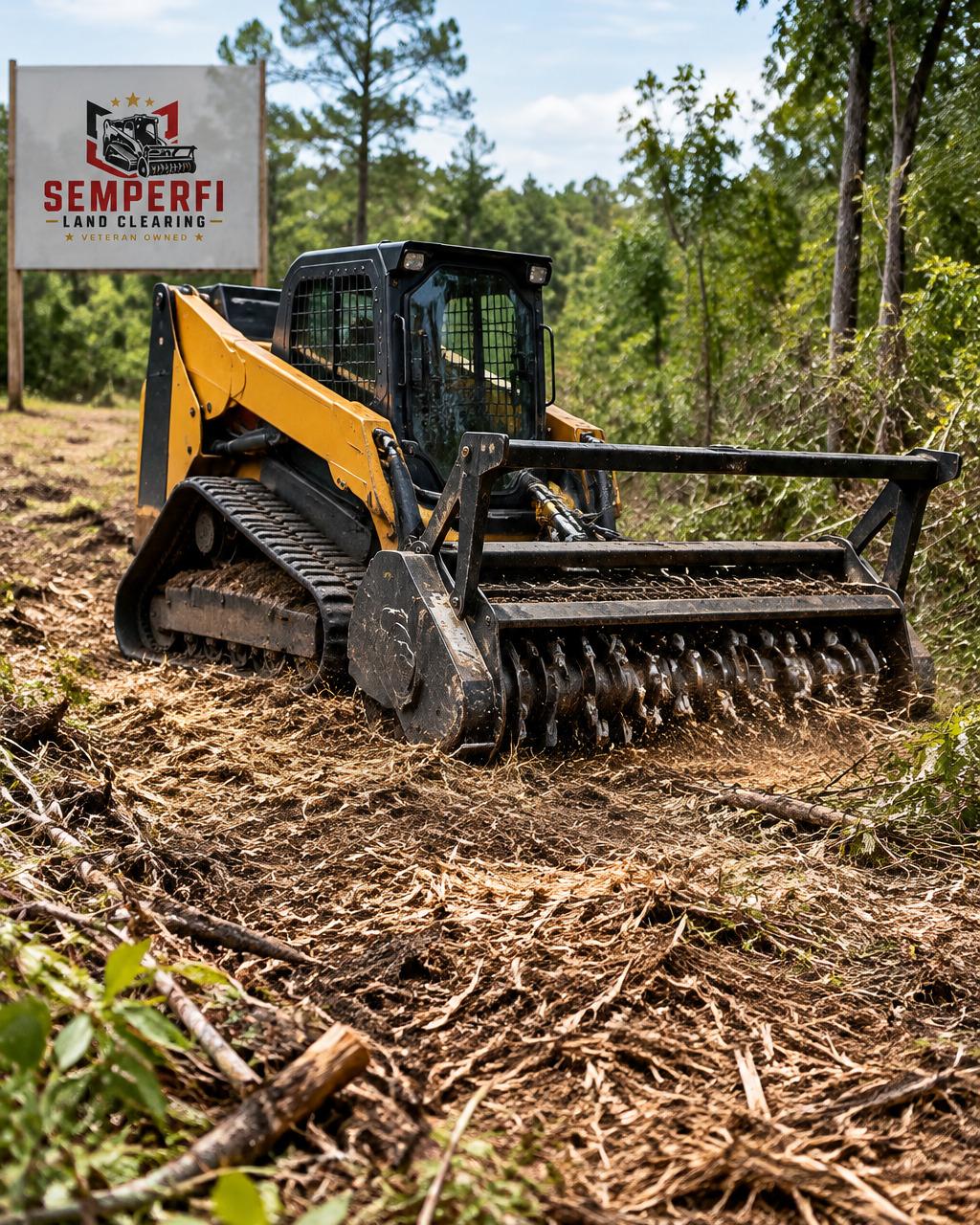
Forestry mulching is a land-clearing method that uses a tracked machine with a rotating drum to grind trees, brush and overgrowth into a fine layer of mulch in one pass. Instead of hauling away debris, the material stays on the ground, where it breaks down and feeds the soil. This makes forestry mulching a practical choice for managing overgrown acreage, from fence lines to pastures.
It works best when the vegetation is thick, woody or hard to access. Heavy brush, small trees and invasive growth are the usual targets. Mulching is also a good fit when you want to keep the topsoil in place, since the root systems stay in the ground and help hold it.
Watch out: mulching a steep slope too aggressively can leave bare soil exposed to rain. Plan your passes around the terrain before work begins.
Step 1: Plan the Treatment Around Your Land Goals
Start with one question: what do you want the land to do? A pasture, a hunting property, a building site and a fence line each need a different approach. A goal-based plan keeps you from clearing too much or too little.
- Pasture: Clear brush and open the ground for grazing grass.
- Hunting land: Leave cover and clear openings for food plots and wildlife trails.
- Building site: Clear enough space for access, structures and utilities.
- Fence lines: Clear a strip wide enough for the fence and for regular inspection.
Walk the property before booking work. Note the brush types, slopes, wet areas and any trees you want to keep. A quick sketch helps you explain the plan clearly to your contractor. A free land assessment from SemperFi Land Clearing LLC can help map these details before any equipment arrives.
If you have questions about scope, get help with the planning step. Contact us to schedule a free land assessment and walk the site with a professional.
For a deeper look at how mulching fits small acreage projects, see our small acreage land clearing guide.
Match the treatment to what you want the land to do, using these goal-based approaches from the plan.
| Land goal | What to clear | Key note |
|---|---|---|
| Pasture | Brush, opening ground for grass | Clears space for grazing |
| Hunting land | Clear openings, keep cover | Food plots and trails |
| Building site | Access, structures, utilities | Clear enough space needed |
| Fence lines | Strip wide enough for fence | Allows regular inspection |
Step 2: Mulch the Site and Manage the Mulch Layer
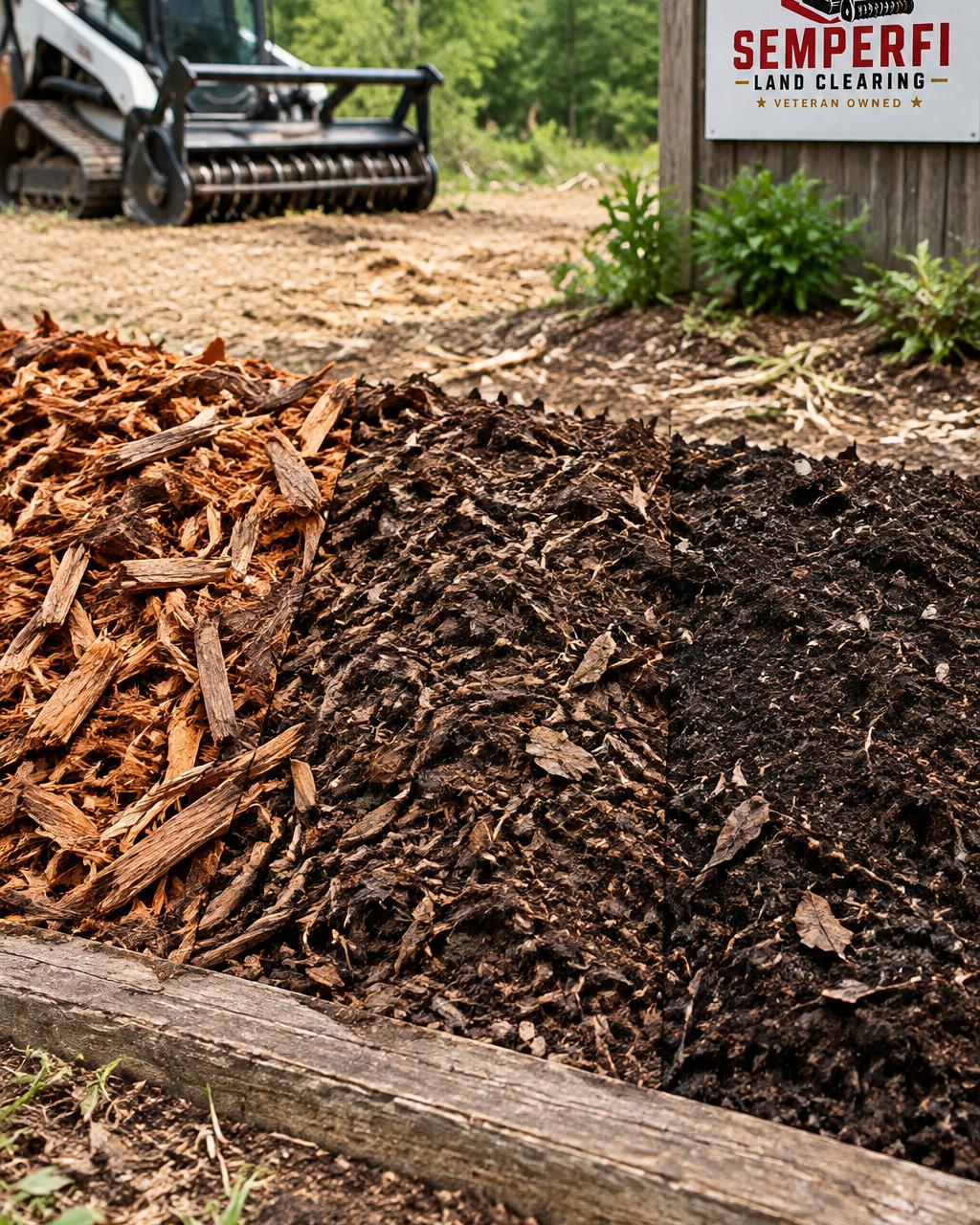
Once the plan is set, the mulcher works the site in passes. The machine grinds material into chips and spreads them across the ground. A thin, even layer breaks down faster and protects the soil. A thick pile can smother new growth and slow decomposition.
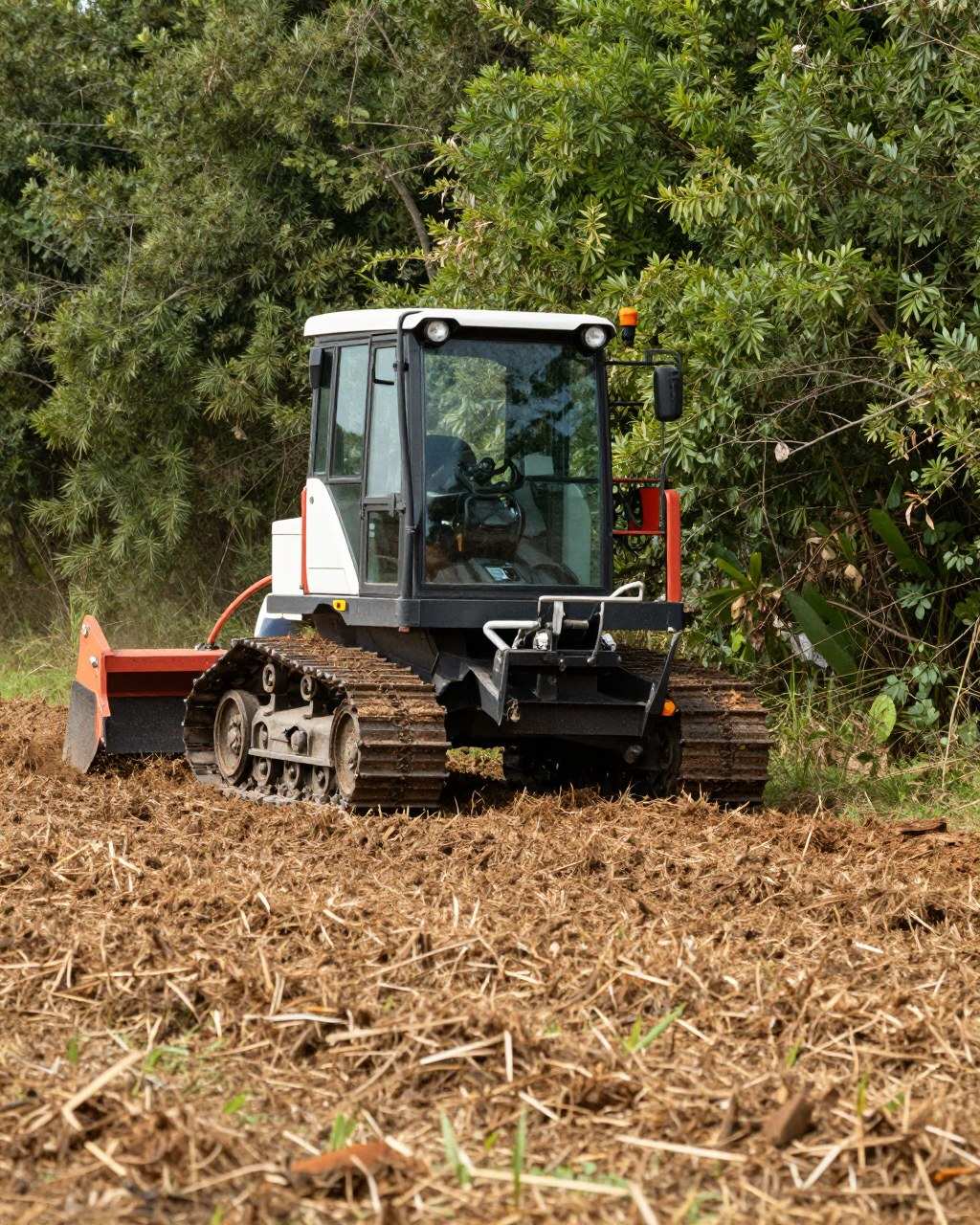
Keep the mulch layer in check by making a few passes instead of one heavy pass. Work across slopes, not straight up and down, to reduce erosion risk. Leave the mulch where it falls unless it blocks access or the grazing area.
Mulch depth varies with the vegetation you cleared. Check the ground after work to see whether the layer is even.
What to Do After Forestry Mulching: Regrowth Control and Upkeep
Mulching cuts vegetation at the base, and some regrowth may follow. Some brush will sprout again, especially fast-growing species. Plan a follow-up schedule so the cleared land stays open.
Reseeding can help pastures recover, depending on the site and conditions. For fence lines and access trails, a yearly mow or light mulch pass keeps the path clear.
Regular upkeep is generally easier to manage than clearing heavy regrowth later. Get a free estimate for your property's follow-up work, or learn how to prevent regrowth after land clearing with a step-by-step plan.
For pasture owners, forestry mulching for pasture maintenance covers reseeding and grazing timing in more detail.
Frequently Asked Questions
How much does forestry mulching cost per acre?
Forestry mulching pricing depends on acreage, vegetation density, slope, access and the amount of debris to be processed. SemperFi Land Clearing LLC does not publish a standard per-acre rate because every property is different. Request a free land assessment and you will receive a quote based on your specific site. Compare written estimates that list the scope of work, cleanup terms and timeline so you can judge value accurately.
How do you control regrowth after forestry mulching?
Regrowth control starts with a follow-up plan. Monitor the site during the first few months and treat sprouts early while they are small. Mowing or spot treatment of new growth, along with maintaining ground cover, slows the return of brush. Note which species return most often, since those will need targeted attention. Consistent light maintenance usually costs less over time than letting growth build up again.
What should you do after forestry mulching?
After mulching, let the mulch layer settle and begin to decompose, which typically takes several months. Walk the site to check for stumps, deadfall or uneven ground that needs attention. Plan seeding or ground cover if bare soil is exposed, and schedule regular inspections for regrowth. Keep access trails clear so future maintenance stays manageable.