 how-to
How to Improve Deer Browse on Acreage
Table of Contents
- Assess Your Current Acreage and Deer Habitat
- Native Plants for Deer Browse: Species Selection and Placement
- Deer Food Plot Planting: Timing, Species, and Establishment
- Timber Stand Improvement for Deer: Creating Forest Openings and Browse Access
- Small Acreage Deer Management: Maximizing Limited Space
- Managing Competing Vegetation and Maintaining Browse Quality
- Measuring Success and Adjusting Your Strategy
- Frequently Asked Questions
Last Updated: October 10, 2026
Assess Your Current Acreage and Deer Habitat
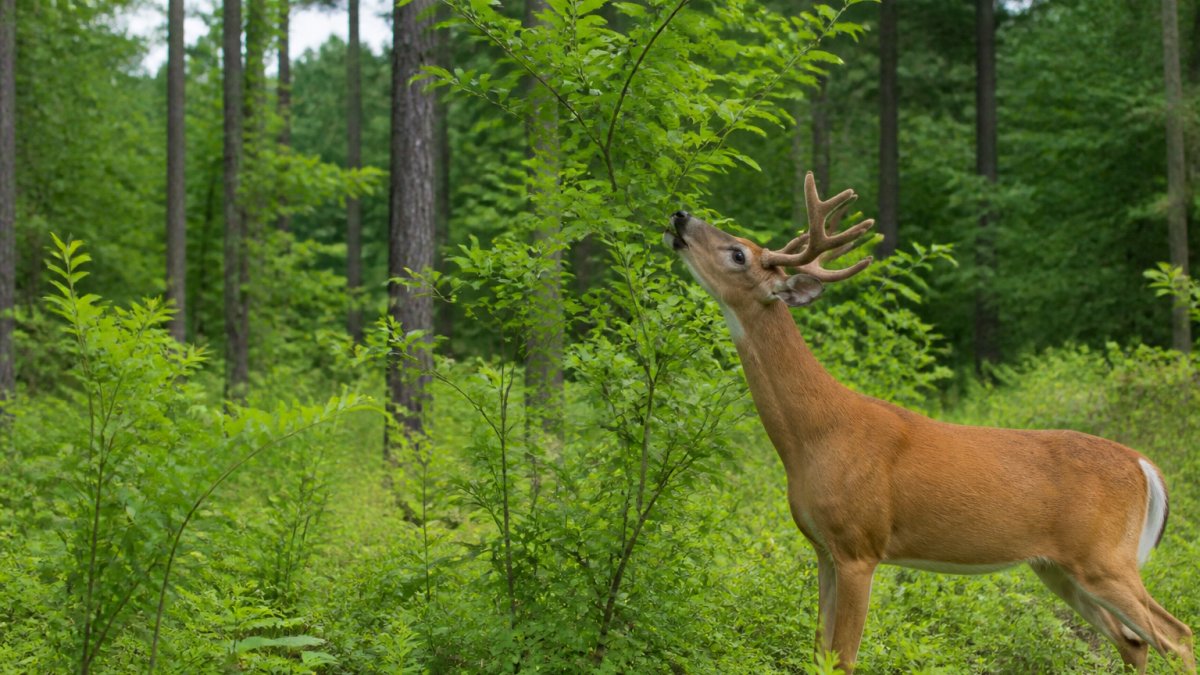
Walk your property and check for browse lines, stripped branches showing where deer have fed, to help improve deer browse on your land. This reveals whether your land has enough food or if deer are overusing available forage.
Assess soil, slope, and vegetation. Deer need cover, water, and food sources close together. Open fields or dense forests without understory lack the habitat layers that support browse.
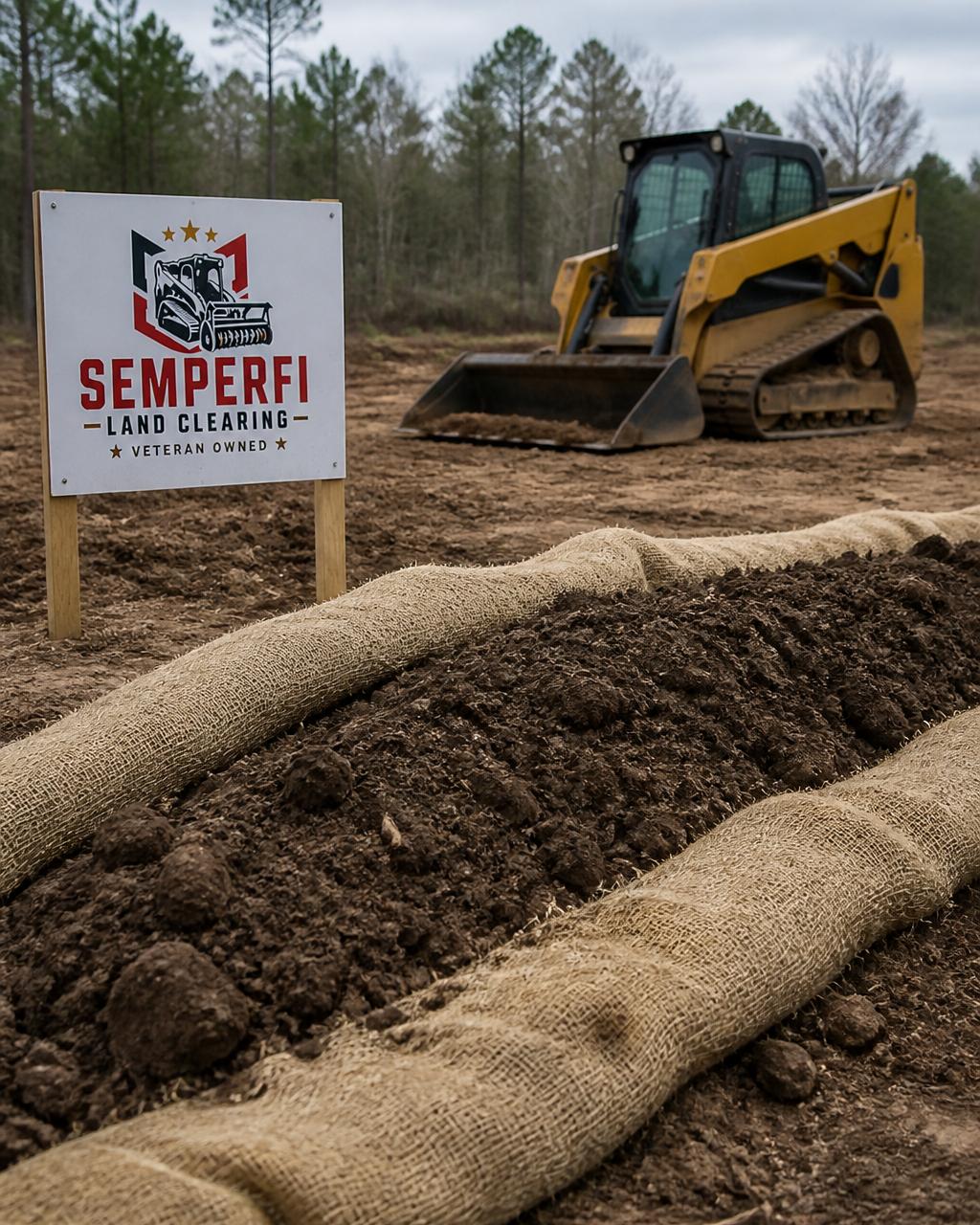
Take photos of problem areas and note which plants deer eat and avoid. This baseline data guides all improvements. SemperFi Land Clearing LLC offers free consultations to assess your land.
Assess deer population. High populations strip vegetation faster than low ones, requiring strategy adjustments based on how many deer your acreage can support.
Native Plants for Deer Browse: Species Selection and Placement
Native plants are the foundation of healthy deer browse. Deer prefer native species they've evolved eating; non-native ornamentals often lack nutrition or taste bitter.
Select species based on your region and soil type. In East Texas, productive native browse includes:
- Serviceberry, early spring leaves and berries
- Blackberry and raspberry, year-round browse and fruit
- Dogwood, twigs and berries
- Greenbrier, persistent forage through winter
- Acorns from native oaks, high-nutrition mast crop
- Persimmon, fruit and branch browse
- Redbud, tender spring growth
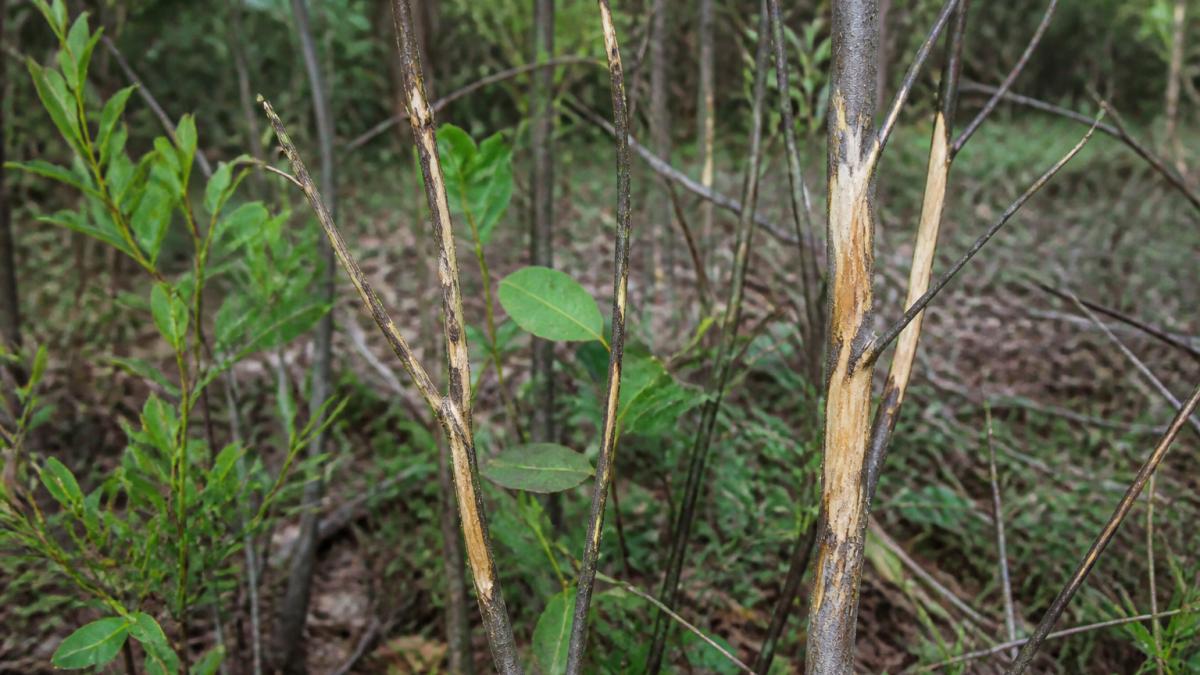
Plant browse species in dense clusters near cover along field edges, timber, and travel corridors. Deer won't venture far from shelter to feed.
Space plantings along deer trails to encourage consistent use. Avoid wide-open areas where deer feel exposed.
Deer Food Plot Planting: Timing, Species, and Establishment
Deer food plot success depends on timing, regional species selection, and proper seeding depth and rate. Spring and fall are ideal windows.
Spring and Summer Plots (March-June)
Plant spring plots by late April, 4-6 weeks before peak heat stress:
- Clover (white, red, or crimson): Seed at 8-12 pounds per acre, ¼-inch depth. Prefers pH 6.0-7.0. Germinates in 7-10 days.
- Chicory: Seed at 3-5 pounds per acre, surface to ¼-inch depth. Tolerates pH 5.5-8.0. Slower to establish but drought-tolerant once rooted.
- Alfalfa: Seed at 15-20 pounds per acre, ¼-inch depth. Requires pH 6.5-7.5 and good drainage. Highly nutritious but slower to establish than clover.
Water consistently for the first 3-4 weeks; seedlings with 2-3 true leaves tolerate normal rainfall.
Fall and Winter Plots (August-November)
Plant fall plots by mid-September, 60-90 days before first frost:
- Brassicas (turnips, radishes, rape): Seed at 4-8 pounds per acre, ¼-½-inch depth. Prefer pH 6.0-7.5. Germinate in 5-7 days. Highly palatable and persist through winter cold.
- Cereal grains (oats, wheat, rye): Seed at 60-100 pounds per acre (broadcast) or 40-60 pounds per acre (drilled), ¾-1½-inch depth. Tolerate pH 5.5-7.5. Establish quickly and provide cover and forage.
- Winter legumes (hairy vetch, crimson clover): Seed at 25-40 pounds per acre, ¼-½-inch depth. Prefer pH 6.0-7.0. Nitrogen-fixing and highly nutritious.
Soil Preparation and pH Correction
Test soil pH before planting. Most forage prefers pH 6.5-7.5. Apply agricultural lime 3-4 months before planting if pH is below 6.0 (typically 1-3 tons per acre); use sulfur if pH exceeds 8.0.
Till to break compacted soil and remove competing vegetation. Create a firm seedbed with loose surface texture, removing debris and dead grass.
Seeding Depth and Rate
Plant small seeds (clover, chicory, alfalfa) no deeper than ¼ inch; larger seeds (grains, brassicas) at ¾-1½-inch depth. General rule: plant to 2-3 times seed diameter.
Follow seed packet guidance for your specific species and adjust rates based on your seeding method. Broadcast seeding typically requires 20-30% higher rates than drill seeding to account for uneven coverage and seed loss.
Establishment and First-Year Management
Water new plots consistently for 3-4 weeks (1-1.5 inches per week). Once plants have 4-6 true leaves, they tolerate normal rainfall.
Delay grazing until forage reaches 6-8 inches tall with strong roots (6-8 weeks for spring plots, 8-10 weeks for fall plots). Early grazing kills seedlings.
Monitor for weeds during establishment. Mow at 3-4 inches if grasses outpace legumes, or use selective herbicide for broadleaf weeds.
Year-Round Plots
Perennial species require 2-3 years to establish. Seed at 5-10 pounds per acre, ¼-inch depth. Avoid heavy grazing year one; use rotational grazing in years 2-3.
Timber Stand Improvement for Deer: Creating Forest Openings and Browse Access
Timber stand improvement removes competing trees to stimulate understory browse. Thinning allows light to reach the forest floor, promoting shrub and herbaceous growth.
Selectively harvest mature trees that block sunlight and don't produce mast. Remove competition from productive oaks and hickories to create mixed-age forest with canopy gaps.
Create quarter-acre to half-acre clearings. These openings warm soil and promote browse growth. Multiple small openings work better than one large clearing.
Remove low-hanging branches to improve travel corridors. Clear paths distribute grazing pressure and prevent erosion from overused trails.
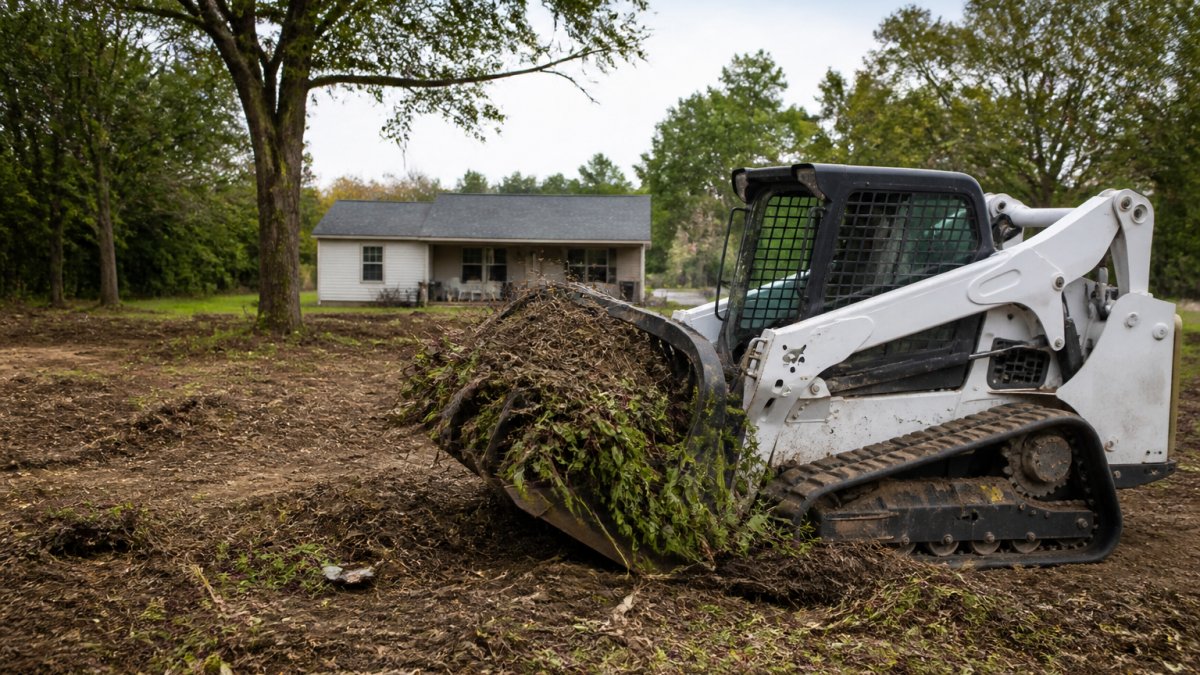
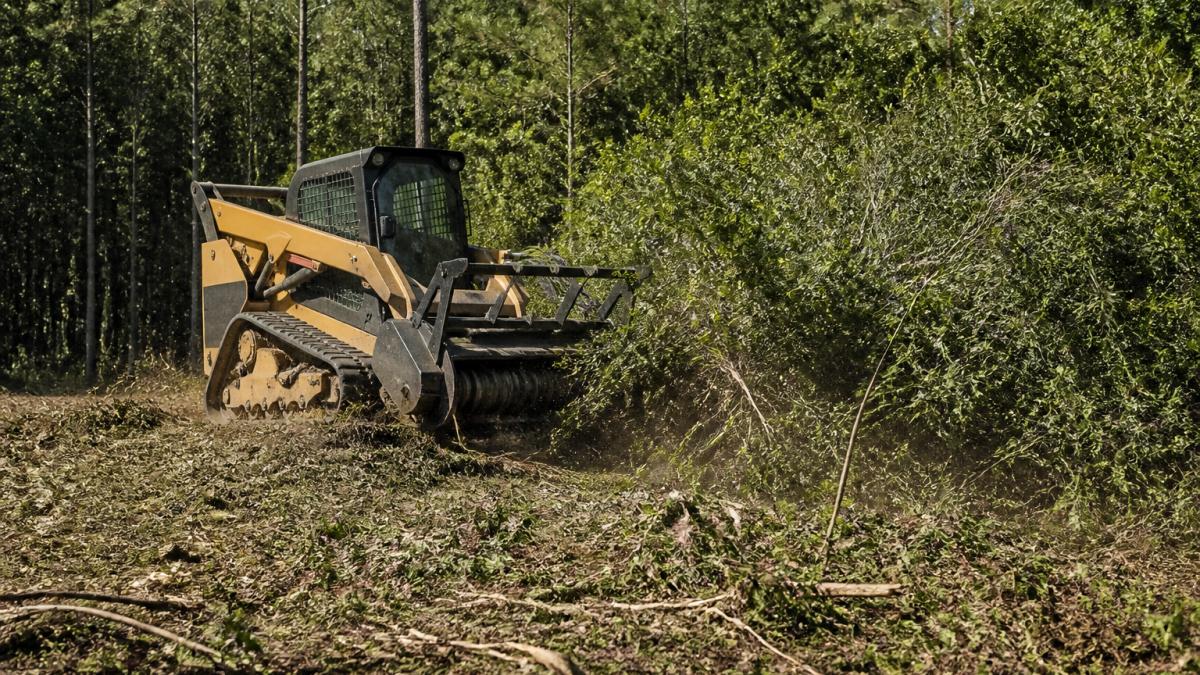
SemperFi Land Clearing LLC specializes in forestry mulching and selective clearing that improves wildlife habitat while maintaining forest health.
Small Acreage Deer Management: Maximizing Limited Space
Small acreage management requires stacking habitat elements vertically and horizontally to maximize browse production.
Create overlapping zones: bedding (dense cover), feeding (browse and plots), travel corridors, and escape cover. Manage density carefully to prevent overgrazing.
Limit deer populations to prevent overgrazing. Coordinate with neighbors to prevent deer from moving to adjacent land.
Rotate food plots sequentially to reduce overuse and allow recovery.
Managing Competing Vegetation and Maintaining Browse Quality
Managing competing vegetation keeps browse plants healthy. Weeds, invasives, and grasses reduce forage and force overuse of remaining browse.
Identifying and Controlling Invasive Species
Invasive species like multiflora rose, privet, autumn olive, and Japanese honeysuckle spread rapidly, tolerate poor conditions, and recover aggressively after cutting if roots survive.
Control Strategy by Species:
Privet: Cut to ground level, then apply triclopyr or glyphosate to cut stems. Privet regenerates from root fragments, so repeated cutting or herbicide application is necessary.
Autumn olive: Cut and treat cut surfaces with triclopyr, or girdle trees by removing a 2-3-inch band of bark around the trunk.
Japanese honeysuckle: Cut vines at ground level and apply glyphosate or triclopyr to cut stems and remaining foliage.
Apply herbicides during active growth (spring through early fall) when plants translocate compounds to roots. Avoid drought stress periods.
Managing Grass Competition in Food Plots
Grasses shade out legumes within weeks. Manage grass pressure through:
Mowing: Mow before grass seed heads form (late May-early June). Set height at 3-4 inches to remove seed heads while preserving legumes.
Selective herbicide: Use grass-specific herbicide (sethoxydim or fluazifop) when grasses are 4-8 inches tall and actively growing.
Overseeding legumes: If grass dominance is severe, overseed legumes at 5-8 pounds per acre into existing sod using a no-till drill or by broadcasting followed by light harrowing.
Controlling Woody Encroachment in Open Areas
Young trees and saplings shade out herbaceous browse and reduce forage productivity. In food plot areas and open feeding zones, remove woody competition:
- Saplings under 2 inches diameter: Cut at ground level or pull by hand if soil is moist. Repeat annually to prevent regrowth.
- Seedlings (under 1 inch diameter): Hand-pull or cut with a brush cutter. These are easiest to remove before they establish deep roots.
- Larger trees (2-6 inches diameter): Cut and treat cut surfaces with triclopyr to prevent sprouting, or girdle by removing bark around the trunk.
Remove woody competition every 2-3 years to maintain open forage areas. Neglected plots revert to shrubland within 5-7 years.
Monitoring Browse Condition and Detecting Overuse
Regular monitoring reveals whether browse is sustainable or being overgrazed. Walk your property quarterly and assess browse use:
Light use (25-30% of available browse consumed): Twigs show scattered bite marks; most branch tips remain intact. This level is sustainable and indicates adequate forage for current deer population.
Moderate use (50-75% consumed): Branches show obvious stripping; many twig tips are eaten; some plants show stress but are recovering. This is acceptable short-term but unsustainable if prolonged.
Heavy use (75%+ consumed): Branches are stripped bare; plants show extensive damage; little regrowth occurs between grazing periods. This indicates overpopulation or insufficient forage and requires immediate intervention.
Response to Overuse:
If you observe heavy use, take action within 2-3 weeks:
- Reduce plot size or access: Fence off portions of food plots to limit deer access and allow plants to recover. Rotate access every 2-3 weeks.
- Increase forage diversity: Plant additional plots in different locations to distribute grazing pressure.
- Assess population: Heavy use across multiple plots suggests overpopulation. Consider coordinating with neighbors on population management or consulting a wildlife biologist.
- Monitor recovery: After limiting access, check plots every 2 weeks. Most plants recover within 4-6 weeks if grazing pressure is removed.
Tracking Plant Health Over Time
Document plant vigor and productivity annually:
- Clover and legume plots: Measure stand density (plants per square foot) in spring and fall. Healthy stands maintain 15-25 plants per square foot. Declining density suggests overgrazing, disease, or poor soil.
- Native shrubs and trees: Assess branch density and new growth annually. Healthy plants show vigorous new shoots; heavily browsed plants show little regrowth.
- Invasive pressure: Note the extent of invasive species encroachment. Increasing invasive coverage indicates control efforts are insufficient.
- Weed pressure: Identify dominant weeds and track their spread. Rapid increase suggests soil disturbance or nutrient imbalance.
Adjust management based on these observations. If legume plots decline despite adequate grazing management, soil testing may reveal pH or nutrient issues.
Measuring Success and Adjusting Your Strategy
Measuring success means tracking browse availability and deer response. Walk your property quarterly and record observations. Are deer using the browse you've established? Are plants recovering between grazing periods?
Count browse use. Look at twigs and branches. Light use shows 25-30% of available browse consumed. Moderate use is 50-75%. Heavy use exceeds 75% and indicates overpopulation or insufficient forage. Adjust management based on these observations.
Track plant health. Are your native plantings thriving? Are food plots producing well? Poor performance indicates soil issues, pest pressure, or unsuitable species selection. Replant or modify species as needed.
Document deer observations. Note when and where you see deer. Increased sightings in specific areas suggest good habitat. Declining sightings might mean browse is insufficient or habitat has degraded.
Adjust timing and species based on results. If fall plots consistently fail, switch to spring plantings. If certain native species underperform, replace them with alternatives. Wildlife management is adaptive, what works one year may need adjustment the next.
To improve deer browse on acreage takes time and consistent effort, but the payoff is reliable food sources that support healthy deer populations. The key is matching your improvements to your specific site conditions and deer population. Start with honest assessment of what you have, then layer in native plantings, food plots, and timber improvements that work together.
If you're managing overgrown acreage or need help clearing space for browse habitat, SemperFi Land Clearing LLC offers free land assessments and professional forestry mulching services. Our team understands East Texas wildlife habitat and can help you prepare your property for success. Get an Estimate today and start building better deer browse on your acreage.
Frequently Asked Questions
What native plants provide the best browse for deer on limited acreage?
Dogwood, serviceberry, viburnum, and young oak saplings are excellent native browse species. Fruit-bearing shrubs like hawthorn and crabapple also attract deer. For maximum impact on small acreage, focus on species adapted to your soil type and moisture level. Plant in clusters near field edges where deer feel secure moving between cover and feeding areas.
When should I plant food plots for deer, and what's the best timing?
Fall planting (August through October) is ideal for cool-season food plots like clover, brassicas, and winter wheat. These establish before winter when natural forage is scarce. Spring planting works for warm-season plots but requires consistent moisture. Plant at least 60 days before the season you want deer to use the plot, allowing time for germination and plant establishment.
How can I improve deer habitat if I can't clear large areas of timber?
Selective thinning of dense stands improves browse access without removing all trees. Remove competing vegetation around valuable browse plants, create small openings (quarter-acre or less) to boost sunlight and regeneration, and maintain existing clearings. This approach preserves cover while increasing food availability on small acreage.
What's the difference between overseeding and clearing for deer browse improvement?
Overseeding adds forage directly into existing vegetation without removing cover, preserving habitat structure. Full clearing creates open food plots but removes protective cover. For small acreage, overseeding is often more practical because it improves browse while maintaining the security deer need. Combine both methods: clear small plots for concentrated feeding, overseed edges and openings for supplemental browse.