 how-to
Clearing Land for Food Plots: A Complete Guide
Table of Contents
- Selecting the Ideal Location for Your Food Plot
- Assessing Heavy Equipment vs. Manual Labor Requirements
- Removing Timber and Managing the Forest Canopy
- Stump Removal and Root System Management
- Forestry Mulching for Food Plots: Debris Management and Soil Health
- Soil Testing for Food Plots and Ground Preparation
- Cost to Clear 1 Acre of Land: Budget Planning and Rental Options
- Creating Pinch Points and Wildlife Travel Corridors
- Frequently Asked Questions
Last Updated: September 2, 2026
Selecting the Ideal Location for Your Food Plot
The success of your food plot depends almost entirely on location. Evaluate sunlight exposure first, food plots require a minimum of 6-8 hours of direct sunlight daily (extension.oregonstate.edu). Walk your potential site at different times to track shadows from surrounding timber, as dense forest canopy will stunt growth even after clearing.
Soil drainage is your second priority. Visit after heavy rain to observe water pooling. Low-lying areas become swamps, making equipment access impossible. Slightly elevated terrain with gentle slope is ideal. Assess access routes before clearing begins, can heavy equipment reach your plot without damaging property or neighboring land? Finally, scout wildlife patterns. Position your plot along natural travel corridors between bedding cover and water sources to ensure consistent traffic. Evaluate current vegetation too; 30-year-old timber demands different clearing approaches than light undergrowth.
Assessing Heavy Equipment vs. Manual Labor Requirements
Heavy equipment like skid steers with forestry mulchers handles dense timber and extensive root systems in days. However, machinery compacts soil, which can damage topsoil structure. Manual labor and chainsaws preserve soil better but demand significant time, a quarter-acre of brush might take two people 3-4 weeks part-time.
For most residential projects in the 0.5 to 2-acre range, a hybrid approach works best: use manual labor or small equipment to fell trees and cut brush, then bring in a forestry mulcher to process debris and prepare the seedbed. This balances soil health, cost, and timeline. Consider your planting deadline, if you need the plot ready for fall, equipment may be necessary. A forestry mulcher also eliminates debris disposal costs by grinding material in place, improving soil health as it decomposes.
At SemperFi Land Clearing LLC, we assess each property individually to recommend the right balance based on your specific site conditions and goals.
Removing Timber and Managing the Forest Canopy
Clearing for food plots requires removing mature timber and thinning the canopy to allow sunlight to reach your planting area. Mark trees shading your target plot and any dead or diseased timber posing safety risks. Leave strategically positioned trees for bedding cover, deer need places to rest and hide.
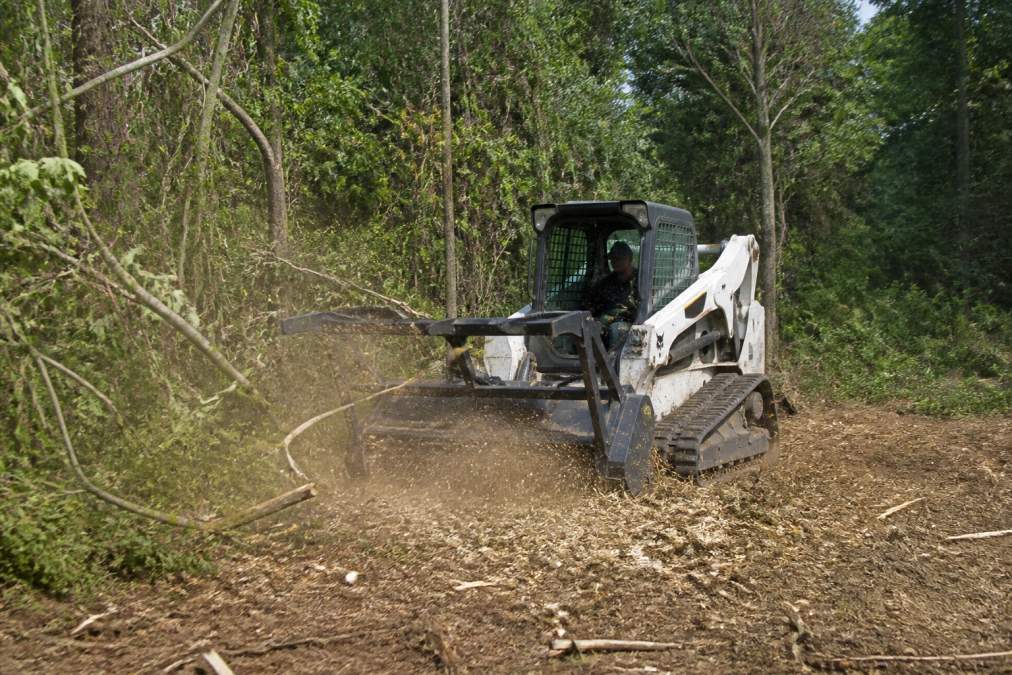
Make clean cuts at ground level using sharp chainsaws. Skid steers with forestry mulchers excel at processing large diameter logs, reducing them into fine mulch that enriches soil as it decomposes. This eliminates debris piles and improves your seedbed simultaneously. Clear smaller branches and brush completely from your plot area, leaving debris prevents soil contact for seeds and creates an uneven seedbed.
Timing matters: ideally remove trees in late fall or winter when ground is firm and soil compaction is minimized. Spring clearing on wet ground can create ruts and damage topsoil structure.
Stump Removal and Root System Management
Stumps and root systems are the biggest obstacles to establishing a successful food plot. Complete stump removal requires a stump grinder or excavator, but partial removal is often practical, remove stumps in your direct planting area but leave stumps around plot perimeter where they won't interfere with equipment. Roots left in place will eventually decompose, improving soil structure over time.
Chemical stump removal using herbicides accelerates decay but takes months. Large roots near the surface create obstacles for equipment; shallow roots can be pulled or dug out manually. Deep roots that don't interfere with your plot can be left to decompose naturally over 2-3 years. Evaluate whether removing every root is necessary, heavy excavation can damage soil structure.
Forestry Mulching for Food Plots: Debris Management and Soil Health
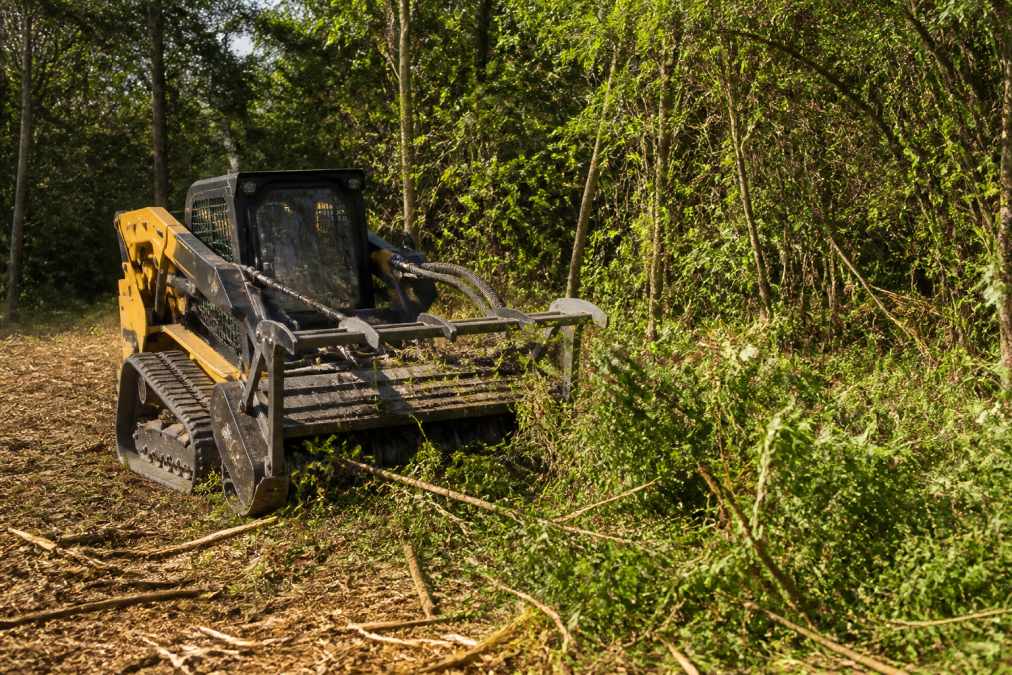
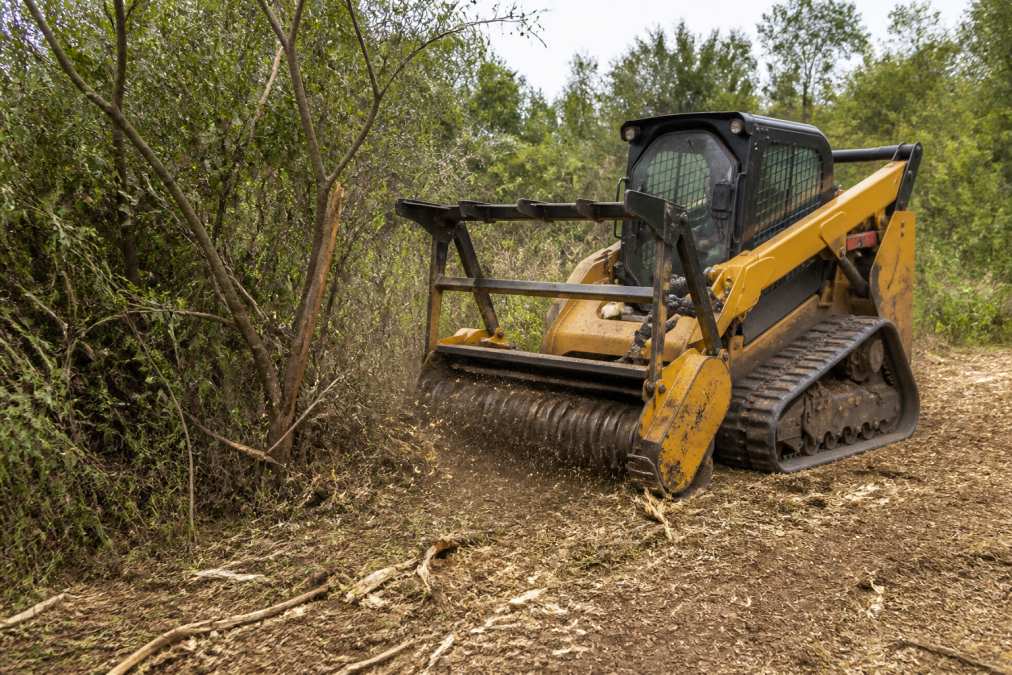
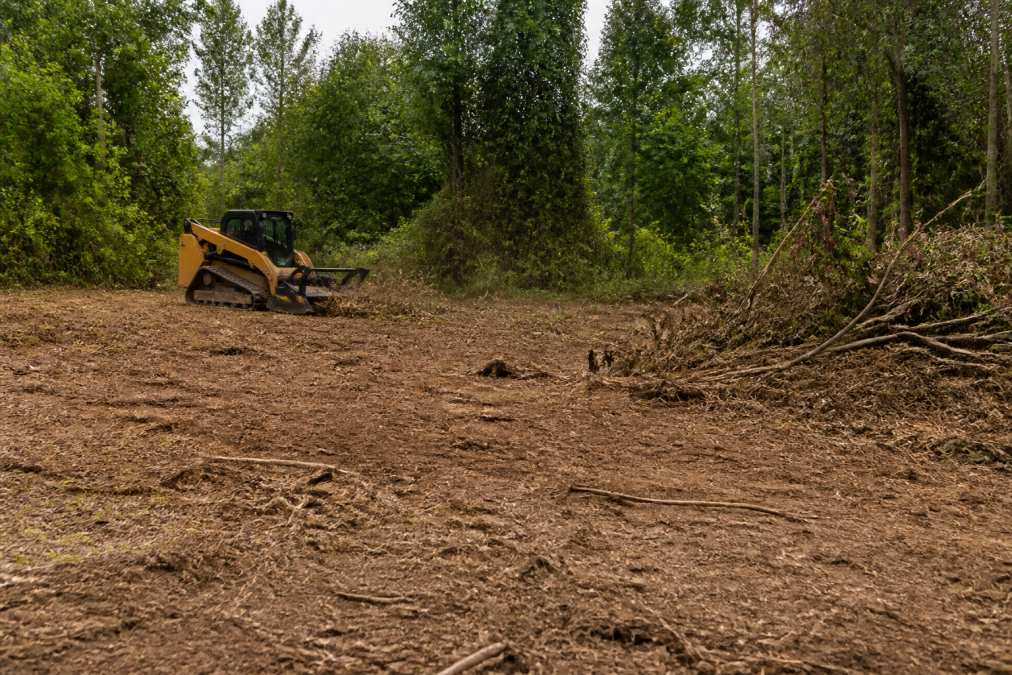
Forestry mulching addresses debris removal and soil preparation simultaneously. A forestry mulcher grinds trees, brush, logs, and debris into fine mulch that stays on-site, enriching soil as it decomposes. Unlike traditional clearing methods that leave brush piles or require haul-off, mulching processes everything on-site.
The soil health benefits are significant. Organic matter from mulch improves water retention, adds nutrients, and feeds beneficial soil microorganisms, creating a richer seedbed that supports stronger forage growth. A 2-4 inch layer of mulch is ideal for food plots, providing organic matter without smothering seeds. Mulch applied in fall has winter and spring to begin breaking down before planting. Spring mulching gives less decomposition time, so you may need to wait 4-6 weeks before planting.
At SemperFi Land Clearing LLC, forestry mulching is a key solution for debris elimination and soil improvement for food plot preparation.
Soil Testing for Food Plots and Ground Preparation
Before planting, understand your soil chemistry and structure through testing. Collect soil samples from 4-6 different areas across your plot and mix them for a composite sample. Most university extension services offer soil testing through local agricultural offices, analyzing pH, nutrient levels, and organic matter.
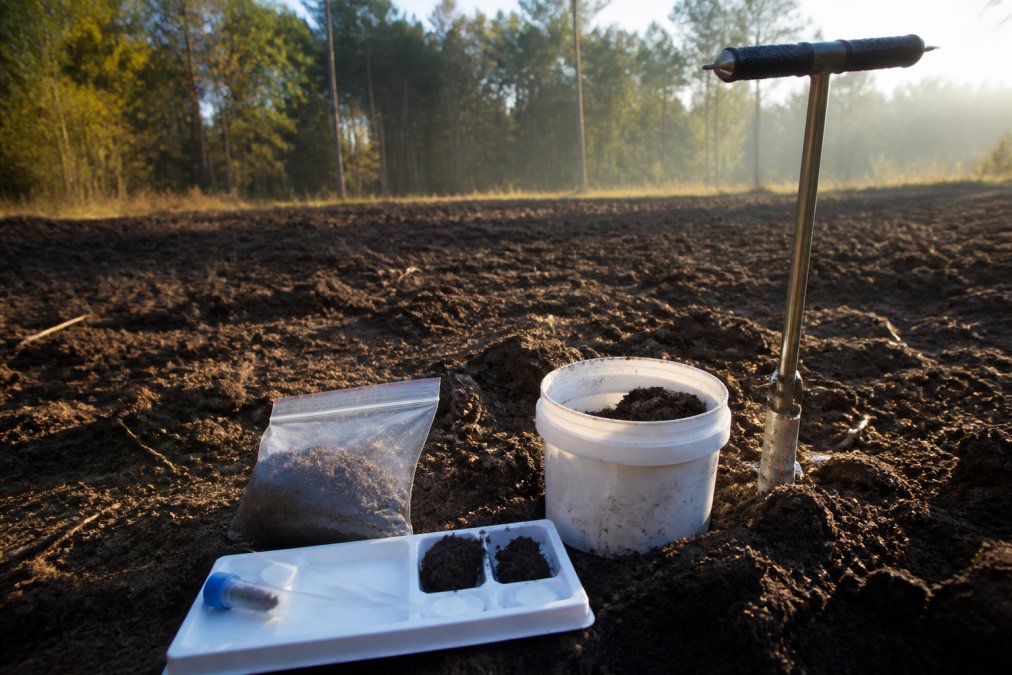
Soil pH is critical, most food plot species prefer pH 6.0-7.0. If your soil tests acidic (below 6.0), apply lime to raise pH. If alkaline (above 7.5), apply sulfur to lower it. Allow 4-6 weeks for amendments to work into soil before planting (extension.wisc.edu). Nutrient levels determine what fertilizer you'll need. Soils with less than 3% organic matter benefit from mulch application or compost incorporation (extension.psu.edu). Ground preparation involves incorporating amendments and creating a level seedbed through disking or harrowing to break up compacted soil and mix amendments evenly. Complete testing and amendment application 4-6 weeks before planting.
Cost to Clear 1 Acre of Land: Budget Planning and Rental Options
Clearing costs vary based on site conditions, equipment choices, and labor. Heavy overgrowth with mature timber costs more than light brush. Equipment rental is one option if you have operating skills, but hiring professional operators is often safer and more cost-effective when you factor in learning curve and potential equipment damage.
Professional clearing services handle equipment, labor, and expertise. Difficult sites with poor equipment access cost more because work proceeds slowly. SemperFi Land Clearing LLC offers free land assessments to help you understand what your property requires and what realistic costs should be. Debris disposal affects total cost, forestry mulching eliminates haul-off expenses by processing debris on-site. Projects with flexible timelines often cost less because operators can schedule work efficiently.
Creating Pinch Points and Wildlife Travel Corridors
Your food plot's effectiveness depends on whether wildlife actually visits it. Pinch points are natural or created bottlenecks where wildlife concentrates as they move between bedding and feeding areas. Position your plot near a natural pinch point to ensure regular traffic.
Creating artificial pinch points involves selective timber removal. Leave trees standing on plot sides to funnel movement through the forage itself. Identify existing trails by scouting in early morning or late afternoon, looking for worn paths and droppings. Your plot should connect to or enhance these corridors, not sit isolated in open ground.
Dense bedding cover near your plot is essential, wildlife won't use a plot without nearby hiding places. Maintain timber or brush within 50-100 yards of your plot. Position your plot between water sources and bedding cover to create natural movement patterns. After establishing your plot, monitor it with trail cameras to reveal whether animals are using it and when they're visiting. If traffic is light, adjust plot position, improve nearby cover, or enhance corridor connections.
Clearing land for food plots is a significant undertaking, but the payoff, a thriving forage area that consistently attracts wildlife, justifies the effort. The key is planning each phase carefully, from location selection through soil preparation. SemperFi Land Clearing LLC provides free land assessments that help you understand exactly what your property needs and what clearing approach will deliver results. Get an estimate today and let our team handle the heavy lifting so your food plot succeeds.
Frequently Asked Questions
What is the cheapest method of clearing land for a food plot?
Manual clearing works for small quarter-acre plots with light brush, but becomes time-prohibitive on larger acreage. Forestry mulching offers a middle ground: it grinds debris on-site, eliminating disposal costs and improving soil structure simultaneously. For budget-conscious landowners, hinge cutting mature timber (felling trees to create bedding cover while leaving root systems intact) reduces stump removal costs. The most economical approach depends on acreage, brush density, and whether you prioritize speed or long-term soil health.
Do I need a permit to clear land on my property?
Permit requirements vary by county and municipality. Many jurisdictions require permits for clearing mature timber, especially near water sources or protected habitats. Check with your local county extension office or planning department before starting work. Some areas regulate stump grinding or debris burning. Getting approval upfront prevents costly delays or violations. A professional land clearing company can guide you through local requirements during the assessment phase.
Should I use forestry mulching or traditional clearing for food plots?
Forestry mulching excels at managing heavy overgrowth and logging debris while preserving soil structure, critical for food plot success. The ground mulch suppresses invasive species regrowth and improves soil amendment over time. Traditional clearing (felling, stump removal, and separate debris disposal) works well for smaller plots or when you need faster results, but costs more and requires additional site prep. For thick brush and long-term plot productivity, forestry mulching can be a highly effective solution for soil health and lower maintenance.
How much does it cost to clear 1 acre of land for a food plot?
Cost depends on brush density, timber volume, equipment access, and debris disposal method. Light clearing on accessible acreage costs less than dense overgrowth in remote areas. Forestry mulching, stump grinding, and site preparation add to the total. Rather than estimate, request a free land assessment from a professional clearing company, they can evaluate your specific conditions and provide accurate pricing based on what's actually on the ground.