 blog
Brush Control Alternatives for Ranches: Beyond Chemicals
Table of Contents
- Why Ranchers Are Moving Away From Chemical Brush Control
- Mechanical Brush Control: Equipment and Application
- Forestry Mulching for Brush Control on Pasture and Rangeland
- Prescribed Burning for Brush Control: Safety and Timing
- Targeted Grazing for Brush Management
- Comparing Cost, Labor, and Long-Term Outcomes
- Building an Integrated Brush Management Plan
- Frequently Asked Questions
Last Updated: October 18, 2026
Why Ranchers Are Moving Away From Chemical Brush Control
Chemical herbicides have long been the default for managing heavy brush and invasive woody plants on ranches, fast, cheap, and low-labor compared to manual removal. But ranchers increasingly question whether speed and cost are worth the trade-offs.
Chemicals treat the symptom, not the cause: a single spray removes the visible plant but leaves the root system intact, triggering aggressive regrowth.
The shift isn't about ideology, it's about results. Non-chemical methods often deliver better outcomes when applied strategically: some cost more upfront but eliminate repeat treatments, others integrate with existing grazing management.
Mechanical Brush Control: Equipment and Application
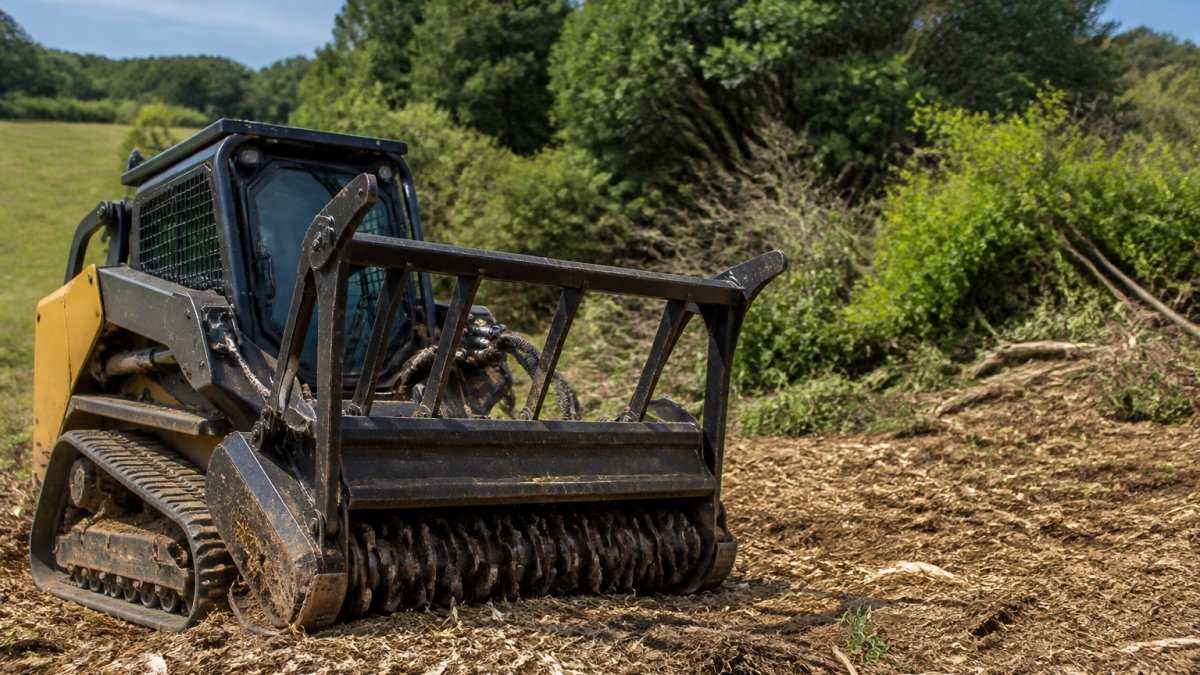
Mechanical brush removal uses heavy equipment to physically cut, mulch, or remove woody plants and underbrush.
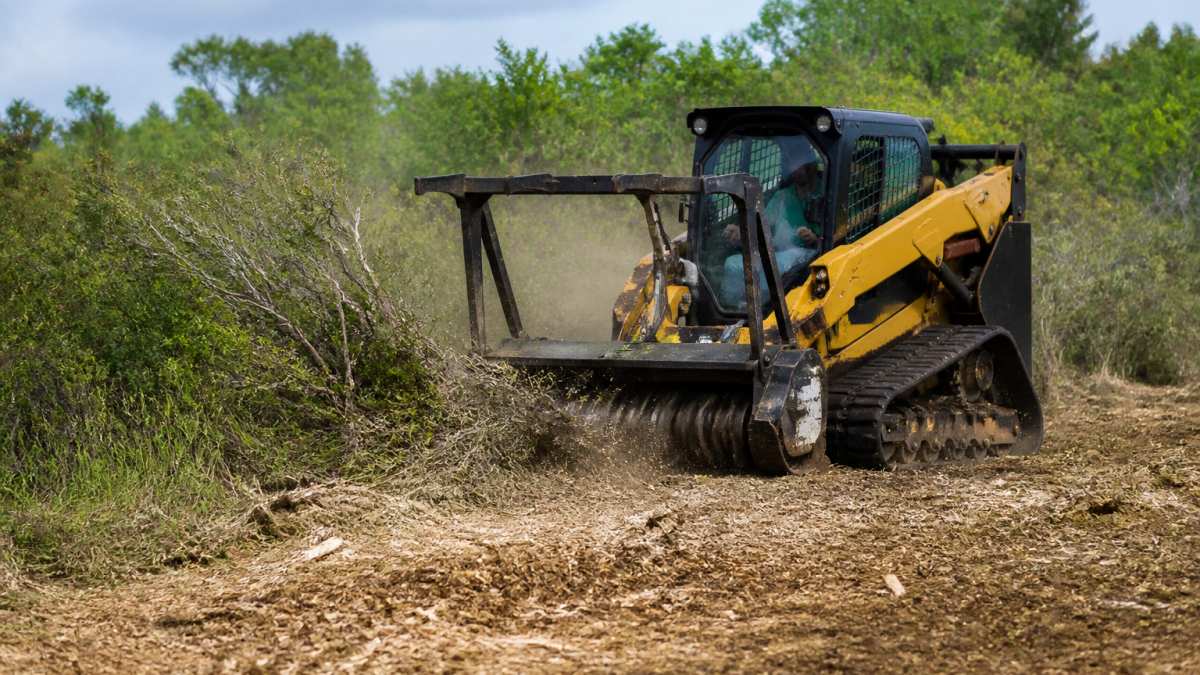
For thick brush, this method removes material in a single pass, handling trees up to 10 inches in diameter and dense underbrush simultaneously.
The trade-off is equipment cost and soil impact: heavy machinery compacts wet ground, and mobilization requires planning.
SemperFi Land Clearing LLC specializes in precision forestry mulching tailored to ranch conditions, assessing soil moisture, brush density, and terrain to minimize compaction while maximizing mulch coverage.
Forestry Mulching for Brush Control on Pasture and Rangeland
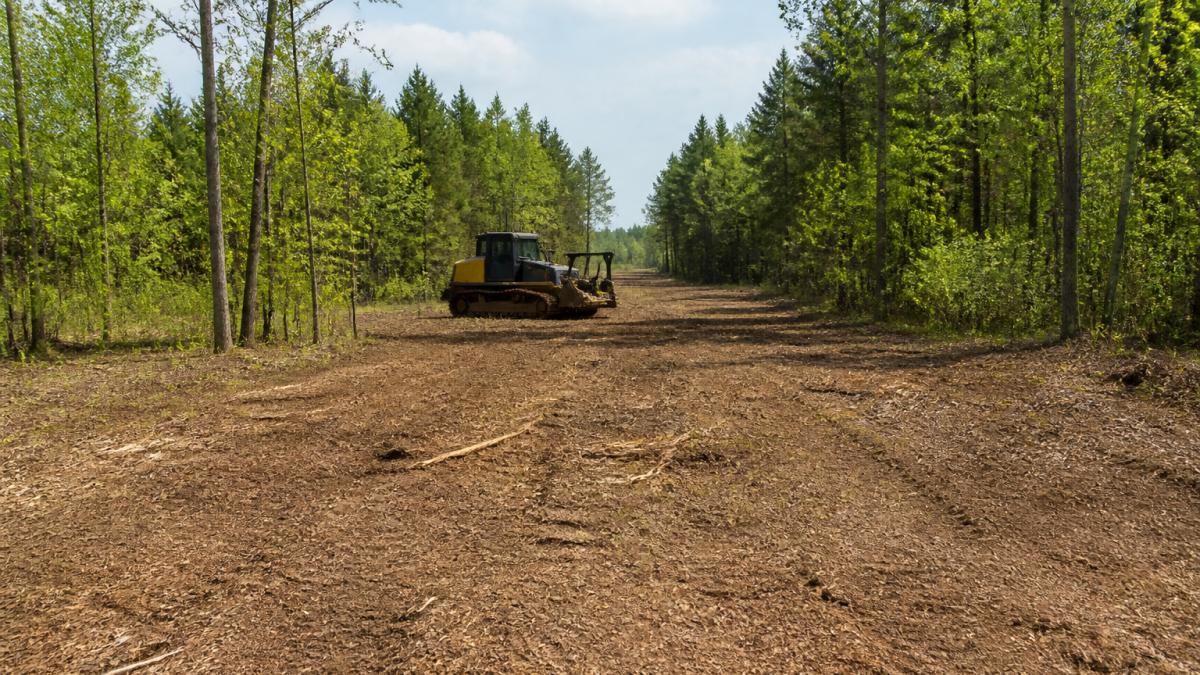
Forestry mulching represents a significant shift in how ranches approach brush control alternatives.
The mulch blocks light from dormant seeds and root crowns, slowing regrowth by months or years depending on species.
Healthier soil grows better forage, supporting higher cattle performance and weight gain. The mulch layer also reduces weed pressure by competing for space and nutrients, and ranchers report improved grass establishment and less reseeding.
The limitation: aggressive species (mesquite, cedar, saltcedar) can regenerate even under heavy mulch. Follow-up is essential, targeted grazing or light mowing 12-18 months post-treatment prevents regrowth from establishing.
Cost depends on brush density and acreage.
Prescribed Burning for Brush Control: Safety and Timing
Prescribed burning is one of the oldest and most effective brush control alternatives, especially for rangeland.
The challenge is complexity: burns require careful planning, weather windows, equipment, trained personnel, and regulatory compliance, calm winds, appropriate fuel moisture, and sufficient firebreaks.
Safety is the primary concern, fire spreads unpredictably and liability exposure is significant, so most ranchers hire certified burn specialists.
For ranches with 10+ acres and supportive neighbors, burning is cost-effective and ecologically beneficial: it reduces fuel loads that could feed catastrophic wildfires, improves wildlife habitat, and resets brush cycles naturally.
Targeted Grazing for Brush Management
Targeted grazing uses livestock, primarily goats, but also sheep or cattle, to selectively consume brush and invasive plants.
Move a herd of goats into a brushy area for 2-4 weeks of intensive grazing.
The limitation is selectivity and speed: goats won't consume all species equally, very dense brush may need supplemental clearing, and significant reduction typically takes 6-12 months versus weeks for mulching.
Cost depends on herd rental or ownership. Many ranches hire specialized grazing contractors who bring herds for seasonal work, eliminating infrastructure investment but adding scheduling complexity.
Comparing Cost, Labor, and Long-Term Outcomes
Most brush control comparisons stop at a feature table. Ranchers need a decision framework they can run against their own acreage, terrain, and brush species. The table below compares the main non-chemical alternatives on upfront cost per acre, labor hours per acre, equipment and infrastructure, regrowth window, and follow-up passes over five years.
| Method | Typical Upfront Cost per Acre | Labor Hours per Acre | Equipment / Infrastructure | Regrowth Window | Follow-Up Passes (5 yr) | Best Fit |
|---|---|---|---|---|---|---|
| Forestry mulching | $600-$1,200 | 0.5-1.5 (operator + support) | Tracked mulcher, skid steer, transport | 18-36 months | 1-2 | 3+ acres of dense brush, uneven terrain |
| Prescribed burning | $50-$200 | 4-10 (planning, firebreak, burn day) | Drip torch, water truck, PPE, firebreaks | 12-24 months | 2-3 | 10+ acres of open rangeland with fine fuel |
| Targeted grazing (contract herd) | $150-$400 | 1-3 (fencing, water, moves) | Portable fencing, water hauling | Varies by species | 2-4 | Integrated livestock operations, light-to-moderate brush |
| Targeted grazing (owned herd) | Infrastructure amortized | 2-5 | Permanent fencing, water development | Varies by species | 2-4 | Ranches already running goats or sheep |
| Hand cutting / chainsaw | $400-$900 | 8-20 | Chainsaws, PPE, trailer, disposal | 12-24 months | 2-3 | Fence lines, small acreage, sensitive areas |
| Mowing / rotary cutting | $150-$350 | 1-2 | Tractor, rotary cutter, fuel | 6-18 months | 3-5 | Seedlings and light brush on accessible ground |
These ranges are planning figures, not quotes. Actual pricing depends on brush density, slope, distance from the equipment yard, and access-road needs. Per-acre price drops sharply once acreage exceeds roughly 20 acres because mobilization and setup costs spread across more ground.
The cost-per-acre math that matters
The number that should drive your decision is the five-year cost per acre of keeping brush suppressed, not the upfront invoice.
Run the math on your own ground. Multiply the upfront cost per acre by the number of passes you realistically expect, then add the labor hours times your own hourly cost (including equipment ownership, fuel, and your time). The method with the lowest five-year total is usually not the one with the lowest first invoice.
Labor and timing realities
Labor is the hidden cost in every non-chemical method. Mechanical mulching concentrates labor into a short window, one operator and one support vehicle for a few days. Burning concentrates labor into planning and a single burn day, but planning hours are substantial and often require a certified burn manager.
Timing also drives cost. Mechanical work on dry or frozen ground reduces compaction and rutting, lowering the risk of a second pass. Burning requires a narrow weather window; missing it pushes treatment to the next season.
Where each method wins on cost
Forestry mulching wins on dense, mixed brush needing a single-pass reset with a follow-up mowing or grazing pass. Burning wins on large, open acreage with fine fuel and a supportive burn window. Grazing wins where fencing and water already exist and brush control can fold into a livestock enterprise. Hand cutting and mowing win on fence lines, small acreage, and sensitive areas heavy equipment can't reach.
No single method is cheapest across all ranch conditions. Compare method-by-terrain and method-by-species, using five-year cost per acre as the tiebreaker.
Building an Integrated Brush Management Plan
The most successful ranches treat brush control as a multi-year program, not a single project. An integrated plan sequences mechanical, grazing, burning, and monitoring tactics so each pass builds on the last and brush pressure declines instead of resetting. Adapt the template below to your acreage, species mix, and terrain.
Step 1: Map species, terrain, and priority zones
Start with a walkover or drone survey and divide the ranch into four management zones:
- Fence lines and working pens. Highest priority because brush here interferes with livestock handling and creates fire fuel next to infrastructure.
- Accessible pasture ground (slopes under roughly 15 percent). Suitable for mechanical mulching, mowing, or prescribed grazing.
- Steep or rocky ground. Reserve for hand cutting, targeted grazing, or prescribed burning where fuel and firebreaks allow.
- Riparian and sensitive areas. Avoid heavy equipment; use hand cutting or managed grazing with careful timing.
Record the dominant brush species in each zone. Species drives method choice more than any other factor. Mesquite, cedar (Ashe juniper), saltcedar, honey locust, and huisache each respond differently to cutting, fire, and grazing. A species list from your local Extension office or Natural Resources Conservation Service (NRCS) field office is a reliable starting point.
Step 2: Match method to species and terrain
Use a simple decision matrix rather than a single preferred tool:
| Brush Species / Situation | Primary Method | Secondary Follow-Up |
|---|---|---|
| Mesquite, mature stands | Forestry mulching or grubbing | Targeted grazing or spot mowing on resprouts |
| Ashe juniper / cedar | Mechanical mulching or prescribed burning | Goat browsing on regrowth |
| Saltcedar | Mechanical removal plus root treatment | Repeated cutting or grazing |
| Honey locust, huisache | Cut-stump or mulching | Grazing and mowing |
| Seedlings and light brush | Mowing or prescribed grazing | Monitoring and spot treatment |
| Fence lines | Hand cutting and mulching | Annual inspection |
This matrix is a starting point, not a prescription. Local growing conditions, soil moisture, and prior treatment history change how a species responds, a ranch in continuous herbicide use may see faster resprouting after the first mechanical pass because root systems are already established.
Step 3: Sequence treatments across seasons
An integrated plan spreads work across the calendar so labor, equipment, and weather windows don't collide. A common three-year sequence:
- Year 1, dormant season: Mechanical mulching or hand cutting on priority zones. Dry or frozen ground reduces compaction and rutting.
- Year 1, growing season: Move a contract or owned goat herd onto treated areas to browse resprouts before they harden off.
- Year 2, early growing season: Light mowing or spot cutting on any regrowth. Inspect fence lines and treat escapes.
- Year 2, dormant season: Prescribed burn on large, open blocks where fuel has accumulated and weather windows allow.
- Year 3, growing season: Grazing pass and monitoring. Adjust the plan based on regrowth density.
This sequence isn't rigid. Ranches with limited equipment access may front-load hand cutting and grazing; large open acreage may lead with prescribed burning. The principle: alternate a primary removal pass with a lighter follow-up so no single method does all the work.
Step 4: Monitor and adjust
Monitoring is the step most often skipped. Walk or fly treated zones at least twice a year and record regrowth density, species present, and new invasions. A photo-point system, photos from the same GPS-marked locations each season, makes change visible over time. Adjust follow-up timing: fast-resprouting species may need a grazing pass within the first growing season, slower species can wait until the next year.
Step 5: Budget and review annually
Set an annual brush management budget and review it against the five-year cost per acre for each zone. Track labor hours, equipment costs, and contractor invoices to compare actual costs to plan. Most ranches find the first two years carry the heaviest cost, with follow-up passes becoming cheaper and less frequent as brush pressure declines.
An integrated plan is a living schedule that changes as you learn how your species and terrain respond. The ranches that see the biggest long-term reduction in brush pressure treat the plan as an ongoing operating rhythm rather than a single project.
Frequently Asked Questions
What are the best alternatives to chemical brush control on ranches?
The most effective non-chemical brush control methods include mechanical removal, forestry mulching, prescribed burning, and targeted grazing. The best choice depends on acreage, brush species, terrain, livestock presence, and budget. Mechanical methods work well for heavy woody plants and underbrush on smaller areas. Forestry mulching handles thick brush while improving soil health. Prescribed burning controls brush across large rangeland quickly but requires careful planning. Targeted grazing uses livestock to suppress regrowth over time. Many ranches combine two or more methods for sustained control.
How does forestry mulching for brush control prevent regrowth?
Forestry mulching grinds brush, trees, and woody plants into fine mulch that stays on-site. The mulch layer suppresses new weed and brush seedlings by blocking sunlight and conserving soil moisture, which slows regrowth. However, repeat treatment is typically needed every 2-4 years depending on brush species, rainfall, and soil conditions. The mulch also improves soil structure and organic matter, making pasture and forage more productive over time. Combining mulching with targeted grazing or spot treatment extends the interval between major clearing operations.
Can prescribed fire control brush on ranchland without damaging pasture?
Yes, prescribed burning effectively controls woody plants and heavy brush across large rangeland areas. Timing is critical: burn during dormant season (late winter to early spring) when desired pasture grasses are not actively growing and fire risk is lower. Prescribed burns require a written burn plan, compliance with state and local fire regulations, and often a burn permit. Fires should be conducted by trained personnel or a professional service. Properly timed burns reduce brush density while promoting native grass growth, but they carry fire risk and require careful weather and wind monitoring.
How often does brush need to be controlled without chemicals?
Control frequency depends on the method and brush species. Mechanical cutting or mowing may need repeat treatment every 1-2 years as brush regrows from root systems. Forestry mulching typically requires treatment every 2-4 years. Targeted grazing provides ongoing suppression but works best as a maintenance tool after initial clearing. Prescribed burning controls brush for 3-5 years depending on species and rainfall. Most ranches combine methods: use mechanical or mulching for initial control, then maintain with grazing or spot treatment to reduce labor and cost.