 blog
Landscaping Alternatives for Property Staging
Table of Contents
- Why Full Landscaping Isn't Always the Answer for Property Staging
- Low-Cost Landscaping Ideas for Curb Appeal Without the Budget
- Front Yard Landscaping Alternatives to Grass
- Overgrown Yard Cleanup Before Selling a House
- Forestry Mulching for Overgrown Property Restoration
- Speed, Cost, and Maintenance: A Practical Comparison
- Staging Considerations by Property Type and Timeline
- Frequently Asked Questions
Last Updated: October 16, 2026
Why Full Landscaping Isn't Always the Answer for Property Staging
When preparing a property for sale, the instinct is often a complete landscape overhaul: new sod, fresh plantings, professional hardscaping, but landscaping alternatives property staging can achieve results faster and more cost-effectively.
At SemperFi Land Clearing LLC, we've helped property owners in East Texas understand that landscaping alternatives for property staging can achieve curb appeal faster and more cost-effectively than traditional approaches. Sometimes the best move is strategic cleanup, targeted improvements, and tactical design choices that maximize visual impact without the full investment.
The real question isn't whether your yard needs work, but which improvements move the needle on buyer perception and property value.
Low-Cost Landscaping Ideas for Curb Appeal Without the Budget
Curb appeal doesn't require a six-figure renovation. A few strategic, low-cost improvements can transform how a property photographs and how buyers feel pulling into the driveway. Prioritize changes with the most visual impact per dollar, and, for staging, those that are reversible.
Mulch and Defined Planting Beds
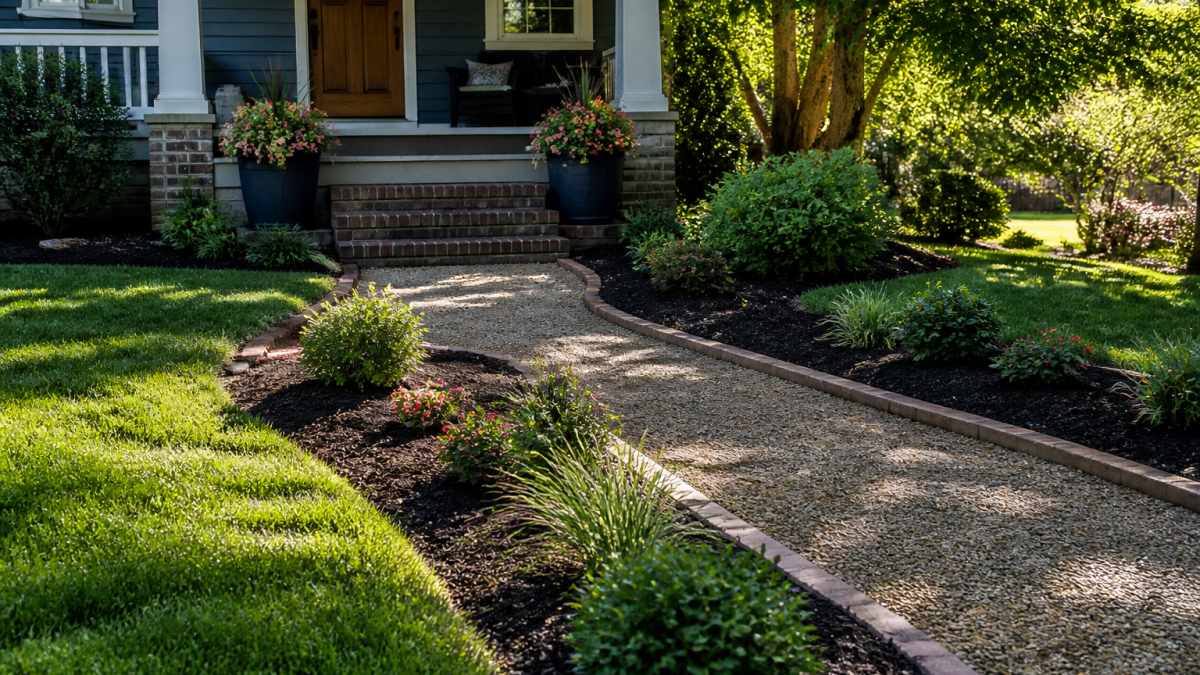
Fresh mulch is one of the highest-ROI improvements you can make: inexpensive, transformative, and a signal to buyers that the property is well-maintained. It also suppresses weeds and creates clean visual lines around plantings and structures.
For staging, the mechanism matters more than the material. A fresh, dark mulch bed creates a high-contrast edge against turf and foundation walls, the same principle real estate photographers rely on to make listing photos pop.
Defined planting beds, even simple rectangular borders with stone edging or landscape fabric, frame the front yard and create intentional design.
Container Gardening and Seasonal Color
Potted plants and container gardens offer flexibility permanent plantings don't. Arrange containers on porches, steps, and entries with seasonal flowering plants that complement the exterior. They can be moved, rotated, or swapped seasonally, and are instantly removable for a neutral look at showings.
This works especially well for rentals or short listing timelines where permanent installations don't make sense. Cluster containers in odd-numbered groups at the entry and porch corners, the eye reads odd numbers as natural, and match pot color to the home's trim. Choose plants that tolerate the entry's light; shade-tolerant ferns and hostas avoid the wilted look that kills curb appeal in photos.
Hardscaping and Pathways on a Budget
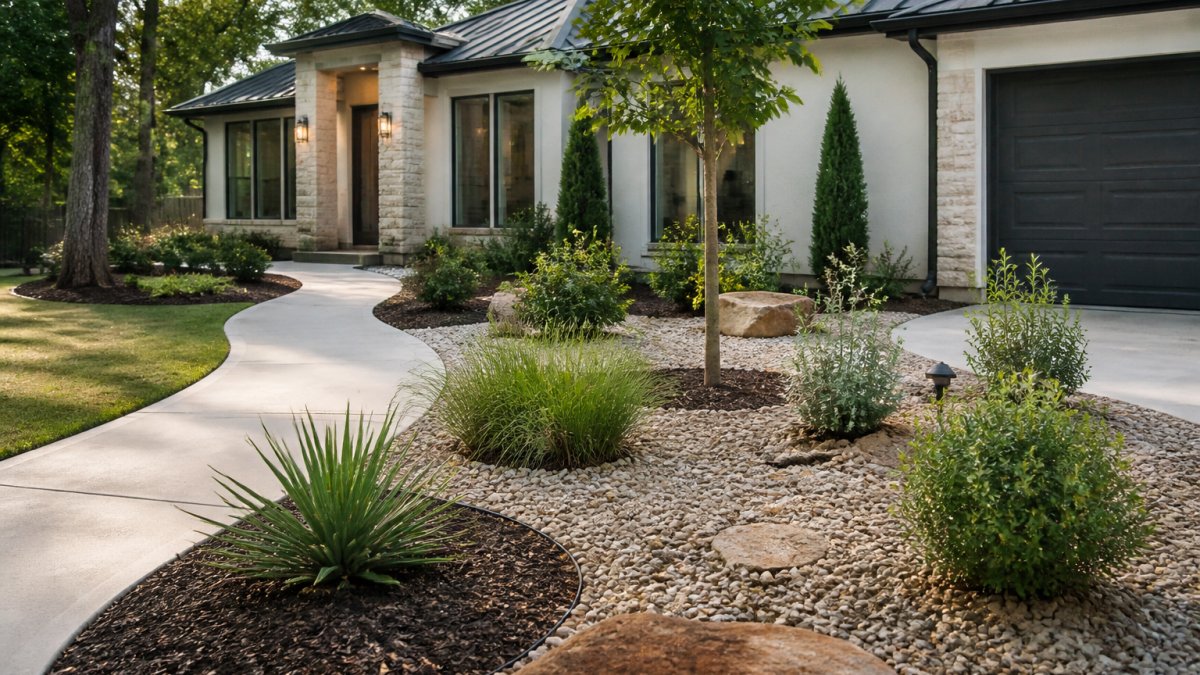
Pathways and hardscaping define movement through a yard and create visual structure. Gravel pathways, stepping stones, or simple pavers guide buyers' eyes toward the home's best features, and a gravel path costs far less than poured concrete while still reading as intentional design.
For staging, the goal is a clear, safe route from street or driveway to the front door. Loose gravel is the most reversible option; pavers set in sand are semi-permanent; stepping stones are least disruptive to install.
Stone edging, decorative borders, and simple retaining walls add visual interest without full reconstruction. Favor low edging that defines beds without walling off the yard.
Front Yard Landscaping Alternatives to Grass
Traditional turf requires constant maintenance, water, and fertilizer. For staging on tight timelines or in dry climates, alternatives to grass eliminate maintenance concerns and often look more intentional than struggling lawn. But lawn alternatives aren't neutral: they change how buyers read the maintenance burden, interact with local water rules and HOA expectations, and can raise inspection questions. The right choice depends on market, climate, and how long the property will sit.
Groundcover Plants and Native Species
Native groundcover plants adapted to your regional climate need less water, fertilizer, and maintenance than conventional lawn.
Options include creeping thyme, sedums, native fescues, and other low-growing spreaders requiring minimal upkeep, ideal in front yard landscaping alternatives to grass where traditional lawn struggles or water conservation matters.
The trade-off is timing: groundcovers need an establishment period, often a full growing season, before they knit together and read as designed rather than bare soil with plugs.
Buyer perception varies by region. In the Southwest and West, where water restrictions are common, a well-designed groundcover or xeriscape front yard can be a selling point.
Xeriscaping for Low Maintenance and Water Savings
Xeriscaping combines drought-tolerant plants, efficient irrigation, and strategic mulch to create attractive, low-water landscapes. In water-conscious regions, it demonstrates forward-thinking resource management and appeals to buyers concerned about utility costs.
Xeriscape designs emphasize native plants, decorative stone, and layered planting for visual depth without high maintenance, a modern, intentional aesthetic buyers respond to.
The staging-specific considerations competitors skip:
- Water restrictions and disclosure. In many states and municipalities, watering restrictions or drought-tolerant landscaping requirements affect what you can install and what you must disclose to buyers. Check local rules before installing irrigation or replacing lawn, and keep receipts and plant lists for the seller's disclosure packet.
- HOA rules. Many homeowners associations have landscaping standards that require a certain percentage of live turf or prohibit certain groundcovers (Drought-resistant HOA Guidelines). Replacing lawn without HOA approval can create a closing problem. Verify before you dig.
- Inspection and drainage. Gravel and stone mulches change how water moves across the yard. Buyers' inspectors look for drainage problems, and a xeriscape that sheds water toward the foundation is a red flag. Grade away from the house and keep rock mulch at least a few inches below siding and trim.
- Maintenance perception. Xeriscape is low-maintenance, not no-maintenance. Weeds still grow in gravel, and dead plants still need replacing. A neglected xeriscape looks worse than a neglected lawn. For vacant properties, plan for someone to walk the yard between showings.
For sellers who want a lawn alternative without the establishment period, a hybrid approach works: keep healthy lawn, convert struggling or shaded areas to mulch and groundcover, and add container color at the entry. It reads as intentional, avoids bare soil during the listing period, and leaves the buyer a manageable landscape.
Overgrown Yard Cleanup Before Selling a House
An overgrown yard signals neglect and raises buyer concerns about hidden problems, structural damage, pest infestations, soil issues. Cleanup is non-negotiable for property staging, but the approach matters.
Quick Wins: Brush Removal and Sight Lines
Removing visible brush, clearing sight lines to the home's best features, and opening up the front yard create immediate visual improvement. Clearing dead branches, brush piles, and overgrown shrubs takes days, not months, and costs far less than replanting.
Sight lines are critical: buyers should see the home clearly from the street. Overgrown vegetation that blocks views kills buyer perception before they step out of the car, clearing sight lines is often the single highest-impact improvement for overgrown properties.
When to Hire Professional Clearing Services
For significant overgrowth, thick brush, or extensive debris, professional clearing services save time and ensure the job is done safely and completely. Crews handle heavy equipment removal, stump clearing, and debris disposal in days rather than weeks of DIY effort.
Professional overgrown yard cleanup before selling a house typically pays for itself through faster sale timelines and higher buyer confidence. For properties with years of neglect, it's often the only practical option.
Forestry Mulching for Overgrown Property Restoration
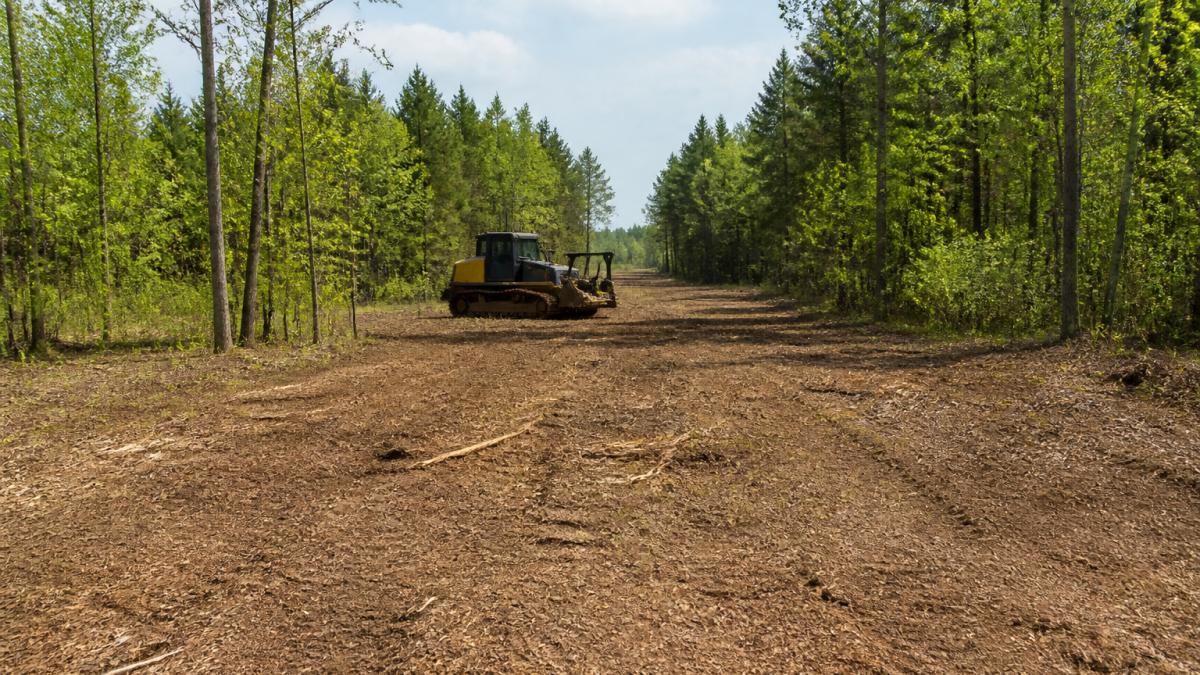
Forestry mulching transforms overgrown acreage into usable, attractive property.
For staging on larger acreage, forestry mulching combined with landscaping alternatives property staging opens up space, improves sight lines, and demonstrates professional land management. It's particularly effective for rural properties, hunting ranches, or development sites where land clearing is part of the staging strategy.
SemperFi Land Clearing LLC specializes in forestry mulching solutions tailored to property goals. A free land assessment helps identify whether forestry mulching aligns with your staging timeline and budget.
Speed, Cost, and Maintenance: A Practical Comparison
Different staging approaches deliver different returns on investment and timelines. Understanding the trade-offs helps you prioritize spending.
| Approach | Timeline | Relative Cost | Maintenance | Best For |
|---|---|---|---|---|
| Mulch and edging | 1-2 weeks | Low | Minimal | Quick visual improvement |
| Container gardening | 1 week | Low | Moderate | Rental or short-term staging |
| Groundcover planting | 4-8 weeks | Moderate | Low | Long-term curb appeal |
| Brush removal | 1-3 days | Moderate | None | Overgrown property cleanup |
| Professional clearing | 1-2 weeks | Moderate to high | None | Heavy overgrowth or acreage |
| Forestry mulching | 1-2 weeks | Moderate to high | None | Large properties or development prep |
Cost-effectiveness depends on timeline and property condition. For tight timelines, low-cost options like mulch and container gardening deliver maximum impact per dollar. For overgrown acreage or significant restoration, professional clearing or forestry mulching justifies the investment through improved marketability and faster sales.
Staging Considerations by Property Type and Timeline
The right approach depends on whether the property is occupied, vacant, or rental, and how quickly you need to sell.
Rental and Vacant Properties
Vacant properties benefit from low-maintenance staging that doesn't require ongoing care between showings. Container gardens relocate easily, mulch and hardscaping need no daily maintenance, and brush removal opens up the property without ongoing upkeep.
For rentals preparing for tenant turnover or eventual sale, reversible improvements make sense. Potted plants can move with tenants, mulch and stone edging stay in place with minimal maintenance, and permanent plantings may not justify the investment if turnover is frequent.
Occupied Properties and Reversible Improvements
Homeowners staging while still living in the property often prefer reversible improvements they can undo after the sale.
For occupied properties, focus on cleanup and sight lines first: remove brush, clear views, and define planting beds. These stay in place during showings with minimal maintenance.
Preparing a property for sale doesn't mean spending like you're building a resort. Strategic landscaping alternatives for property staging deliver buyer confidence and curb appeal on realistic timelines and budgets.
SemperFi Land Clearing LLC offers free land assessments to help you identify which improvements align with your staging goals, timeline, and budget.
Frequently Asked Questions
How can I improve curb appeal without redoing the entire landscape?
Focus on high-impact, low-cost improvements: clear visible debris and overgrowth, refresh mulch in planting beds, add seasonal container plants near the entrance, and define walkways with edging or gravel. These changes take days, not weeks, and cost a fraction of full landscaping. For heavily overgrown properties, professional forestry mulching can clear brush and restore sight lines quickly, making the entire front yard more appealing to buyers without requiring replanting.
What's the difference between landscaping alternatives and full landscaping for property staging?
Full landscaping involves sod installation, new plant beds, irrigation systems, and design work, costing thousands and taking weeks. Alternatives focus on quick wins: clearing overgrowth, adding mulch, planting containers, and defining hardscape. For staging timelines (30-60 days), alternatives deliver visible curb appeal at 20-40% of the cost. Professional clearing services like forestry mulching handle heavy overgrowth efficiently, preparing the canvas for staging without the expense of replanting.
How does forestry mulching help prepare an overgrown property for sale?
Forestry mulching clears brush, dead trees, and dense undergrowth in one pass, turning a neglected yard into an open, appealing space. The process grinds debris into mulch that enriches soil and suppresses future weed growth, reducing maintenance concerns for buyers. It's faster than manual clearing and costs less than full landscaping, making it ideal for properties with years of accumulated overgrowth that need to look market-ready quickly.
What front yard alternatives work best if I can't replace grass?
Groundcover plants, native species, and drought-tolerant plantings replace grass without full lawn renovation. Mulched planting beds with layered native plants reduce maintenance and water use. Decorative stone, gravel pathways, and formal hedges create visual interest and structure. Container gardening adds seasonal color near entryways. These alternatives work for rental properties, short staging timelines, and budgets under $2,000, offering curb appeal without the commitment of new sod or irrigation systems.