 ultimate-guide
Forestry Mulching Tyler TX: Land Clearing Costs & Guide
Table of Contents
- Why East Texas Landowners Choose Forestry Mulching in Tyler
- Land Clearing Costs Per Acre and What Drives the Price
- Forestry Mulching vs Bulldozing: Which Fits Your Property
- Site Preparation for New Construction and Development
- Equipment, Aftercare, and Regrowth Management
- Fence Line Clearing, Tree Trimming, and Storm Debris Cleanup
- Working With SemperFi Land Clearing LLC
- Conclusion
- Frequently Asked Questions
Last Updated: September 28, 2026
Why East Texas Landowners Choose Forestry Mulching in Tyler
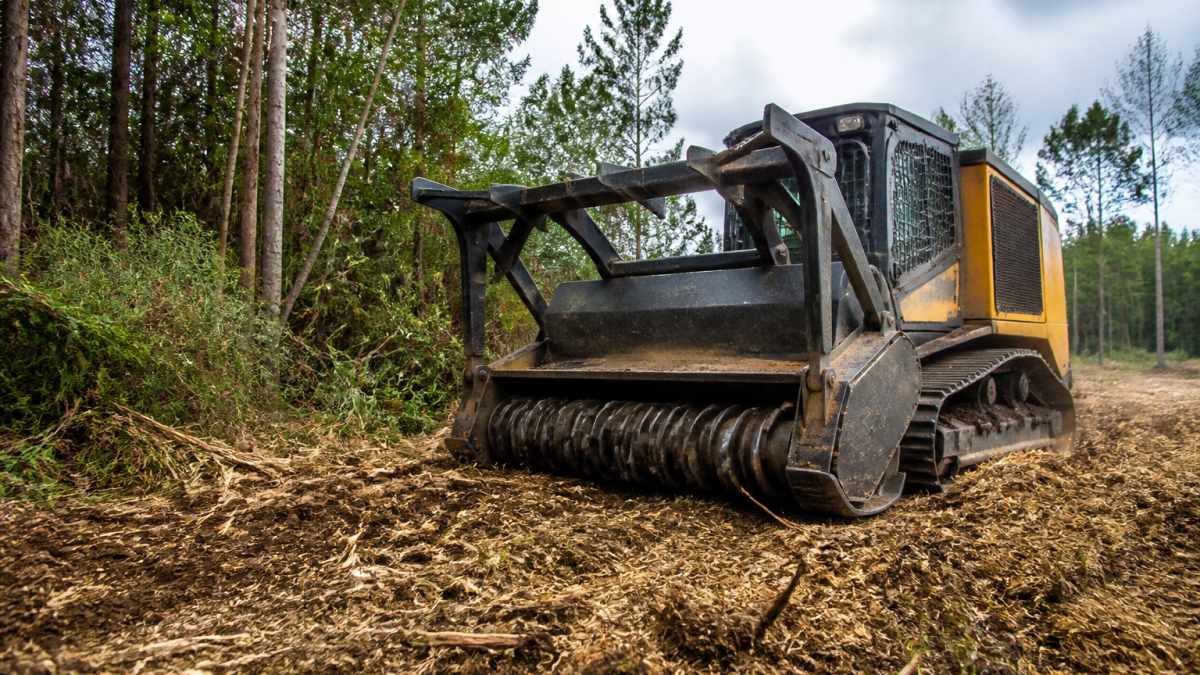
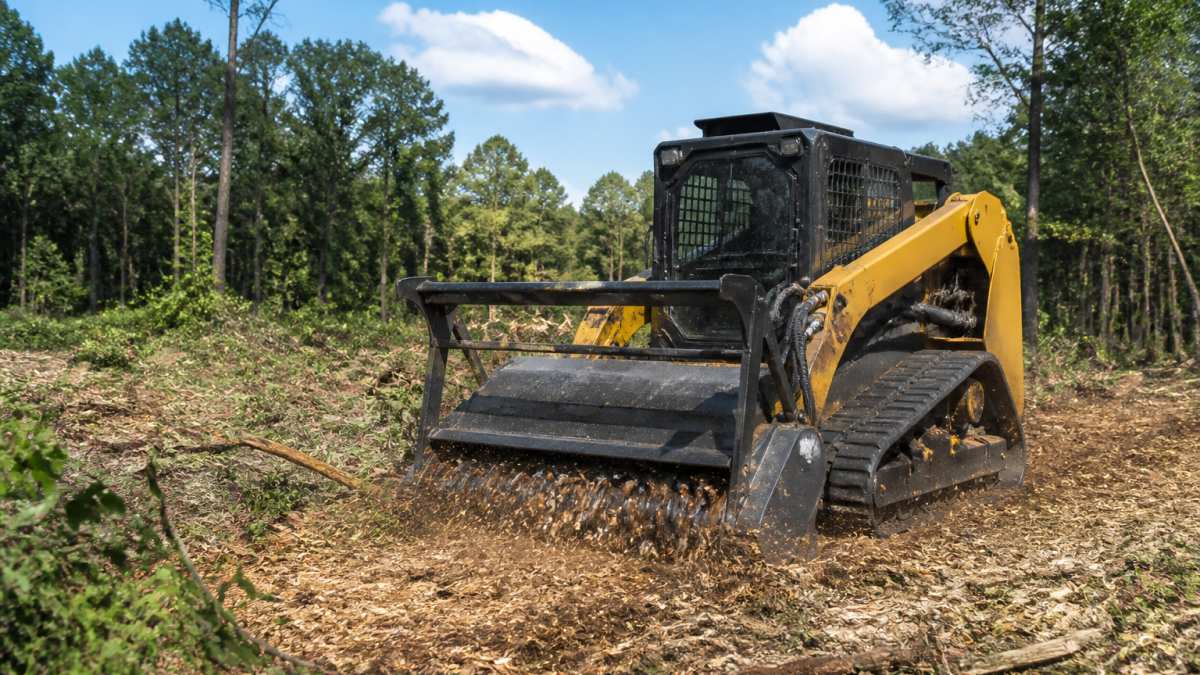
Forestry mulching Tyler is a land clearing method that grinds standing brush, saplings, and small trees into a protective layer of mulch using a specialized cutting head mounted on a skid steer. For landowners around Tyler, it has become the standard approach for reclaiming overgrown acreage without the mess of bulldozing. This guide from SemperFi Land Clearing LLC breaks down what the process actually does, what drives cost, and how it compares with older methods.
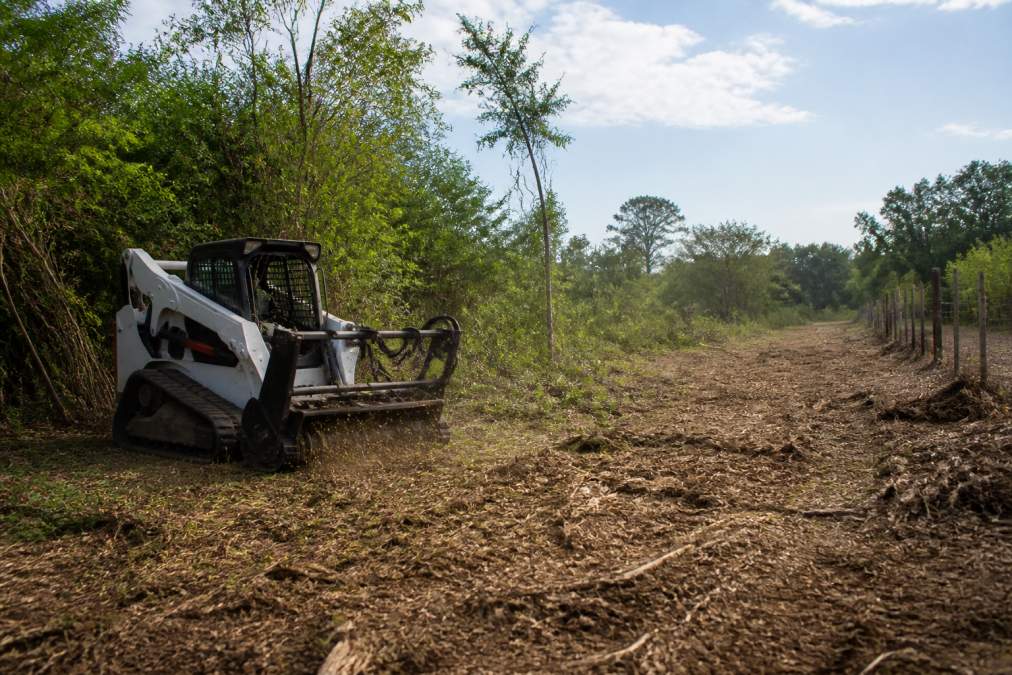
What Forestry Mulching Actually Does
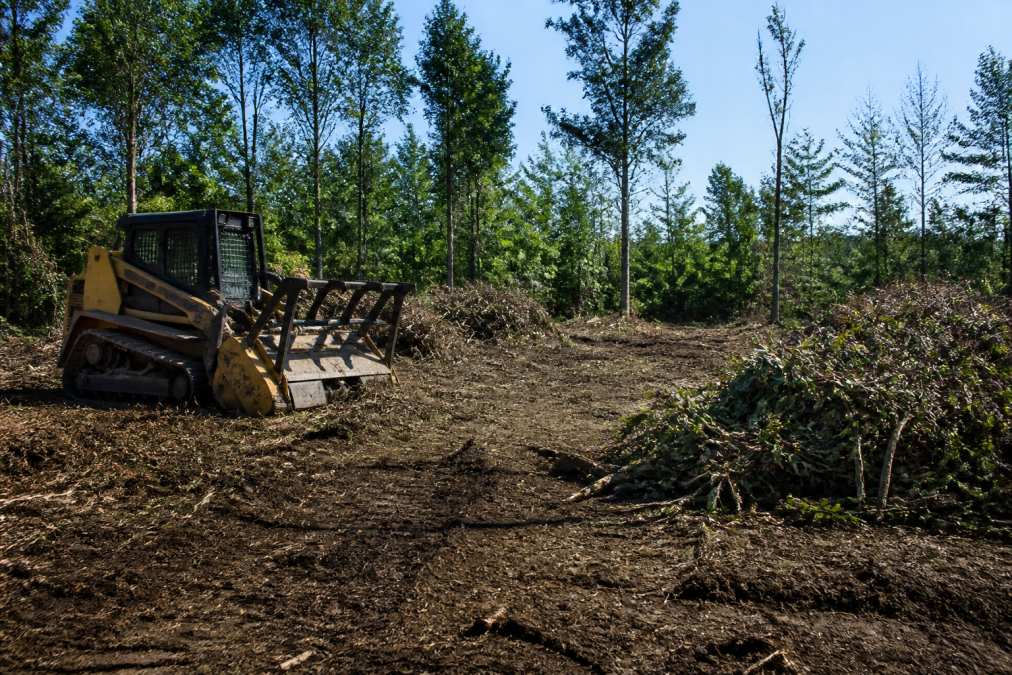
A mulching head cuts vegetation at or just above ground level, then shreds it in a single pass. The result is a carpet of organic mulch that holds moisture and slows erosion instead of bare, scraped earth. Unlike clearing that hauls debris away, forestry mulching leaves the shredded material in place. That reduces trucking, dump fees, and soil disturbance all at once.
Heavy Overgrowth, Fence Lines, and Acreage Clearing
Dense yaupon, briars, and volunteer pines are routine in this region, and a mulcher handles them without the multiple passes a dozer would need. Fence line clearing is one of the most common requests because overgrowth swallows wire and posts, making repairs difficult. On larger tracts, acreage clearing opens pasture, hunting lanes, and building pads while leaving desirable trees standing.
Land Clearing Costs Per Acre and What Drives the Price
Most landowners searching for forestry mulching want one number: what will this cost per acre? The honest answer is that pricing depends on the specific project, as two one-acre parcels can take wildly different amounts of time. That estimate is where the real cost variance lives.
The Four Cost Drivers That Actually Move the Number
1. Vegetation density and diameter. Light saplings and grass can be mulched in a single fast pass. Mature yaupon thickets, volunteer pines over six inches in diameter, and dense briar tangles require slower travel speeds and more passes over the same ground. Density is the single biggest driver of machine hours.
2. Terrain and slope. Level pasture mulches quickly. Slopes, creek bottoms, rocky outcrops, and soft ground force the operator to slow down, change angles, and sometimes switch to a smaller or tracked machine. Steep or wet ground can add substantial time per acre.
3. Site access. Wide, firm entry points let equipment trailer in, unload, and move efficiently between work zones.
A Practical Way to Estimate Your Project
Rather than ask for a per-acre price over the phone, walk your property and note the following before requesting an assessment:
- Approximate acreage to be cleared (pace it off or use a county appraisal district map)
- Average brush height and the thickest stem diameter you can find
- Slope, wet spots, and any gullies or creek crossings
- Gate widths and driveway condition for equipment access
- Whether you want mulch left in place or hauled away
How Forestry Mulching Compares on Cost to Bulldozing and Hauling
Traditional clearing that pushes, piles, burns, and hauls debris carries costs forestry mulching avoids: dozer time, burn permits and burn-day labor, dump fees, and trucking. Because mulching leaves the shredded material in place as a ground cover, those line items largely disappear. The trade-off is that mulching is not the right tool for large stumps, deep root removal, or major grading, and those jobs may still require excavation.
Forestry Mulching vs Bulldozing: Which Fits Your Property
Forestry mulching vs bulldozing comes down to how much soil disturbance you can tolerate. Mulching grinds vegetation in place and preserves topsoil, while bulldozing scrapes and piles everything, often stripping the nutrient-rich layer you need for regrowth.
Soil Disturbance and Erosion
Bare, dozed ground is vulnerable to erosion during heavy rain. The mulch layer from forestry mulching shields soil, retains moisture, and supports healthier regrowth. For anyone worried about turning acreage into a muddy, unproductive mess, mulching is the gentler option.
Speed, Cost, and Finish Quality
Mulching can be an efficient method for brush and small trees. Bulldozing still makes sense for large stumps, deep root removal, or major grading, so the right choice depends on your end goal.
Site Preparation for New Construction and Development
Site preparation for new construction starts with clearing the footprint, then grading and stabilizing the ground. For builders and developers, mulching clears brush and small trees quickly while leaving larger hardwoods where they fit the plan.
Equipment, Aftercare, and Regrowth Management
Matching the Machine to the Job
Forestry mulching is performed by a cutting head mounted on a carrier machine, and the carrier choice matters as much as the head. The three common setups are:
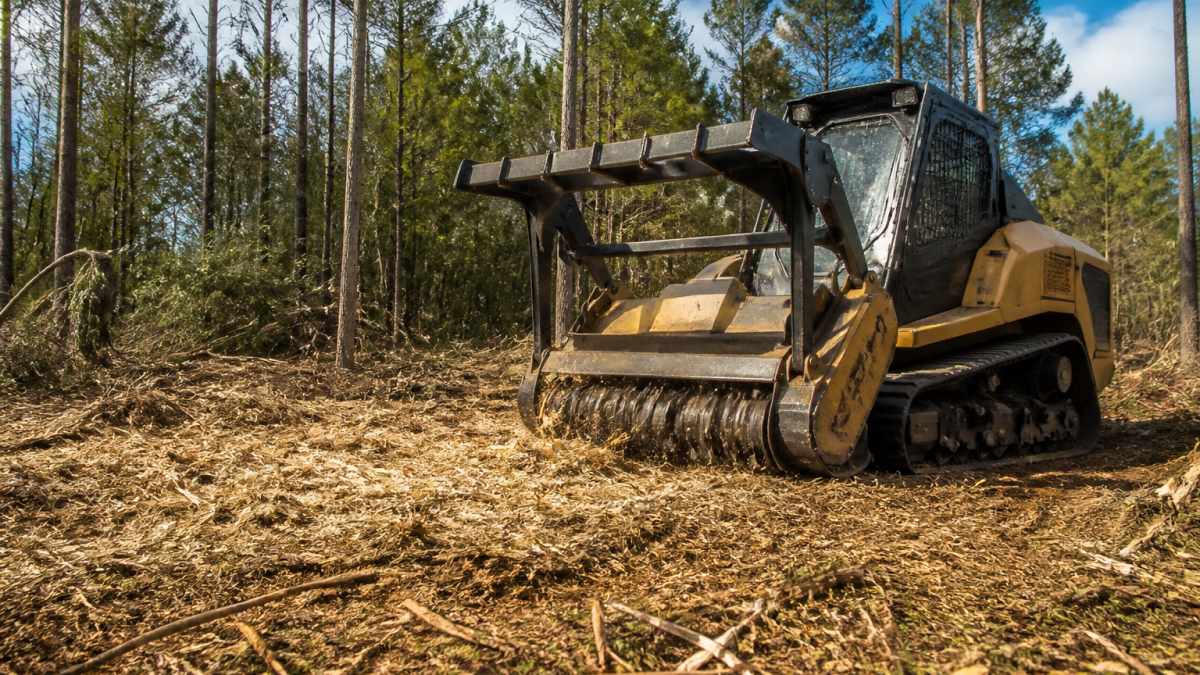
- Skid steer with mulching head. The workhorse for residential lots, fence lines, and smaller acreage. Maneuverable, easy to trailer, and gentle on turf when fitted with the right tracks or tires. Best for light to moderate brush and tight spaces.
- Compact track loader with mulching head. Similar footprint to a skid steer but with lower ground pressure, which helps on soft ground, slopes, and wet areas where a wheeled machine would rut or get stuck. A common choice for East Texas properties with creek bottoms and clay soils.
- Excavator with mulching head. Reaches over fences, into ditches, and down steep banks without driving on the slope. Slower per acre on open ground but unmatched for right-of-way, pond edges, and hard-to-reach overgrowth.
Why Aftercare Determines Whether the Clearing Lasts
Mulching removes the standing vegetation, but it does not sterilize the soil seed bank. Seeds already in the ground, plus seeds carried in by birds and wind, will germinate. Some regrowth after clearing is normal and expected, not a sign the job failed. The difference between a property that stays clear and one that reverts to thicket is what happens in the first two growing seasons.
A Realistic Aftercare Schedule
- Weeks 1-4 after clearing: Walk the area and note where new sprouts are pushing through the mulch. Early detection is far easier than late correction.
- First growing season: Spot-treat or re-mulch regrowth before stems harden and thicken. Small sprouts are cheap to remove; established saplings are not.
- Annually: Re-walk fence lines, lanes, and building perimeters. Mow or mulch on a maintenance interval that matches your growth rate. East Texas' long growing season and ample rainfall mean fast regrowth, so annual attention is realistic for most properties.
- Ongoing: Reassess vegetation changes each year. A pasture that was open may need only light maintenance, while a fence line bordering mature woods may need more frequent attention.
Preventing Regrowth Without Chemicals
Landowners who prefer to avoid herbicides have options. Repeated mowing or mulching on a short interval stresses woody regrowth and gradually reduces its vigor. Maintaining a thick, healthy pasture grass stand shades out many seedlings. For fence lines and lanes, a regular mowing schedule keeps the corridor open without spraying. The key is consistency: skipping a season or two lets overgrowth management turn back into a full clearing project, which costs far more than routine maintenance.
Fence Line Clearing, Tree Trimming, and Storm Debris Cleanup
Fence line clearing, tree trimming, and storm debris cleanup are the recurring jobs that keep rural property usable. Overgrowth hides broken wire and downed posts, and after a storm, limbs and fallen trees can block access or damage fences.
Working With SemperFi Land Clearing LLC
SemperFi Land Clearing LLC is a veteran-owned business serving the Longview and Tyler area with land clearing, forestry mulching Tyler, and land management. The team offers free land assessments.
Conclusion
Overgrown acreage only gets harder and more expensive to reclaim the longer it sits. Forestry mulching offers a faster, lower-impact path to usable land, whether you're opening fence lines, preparing a build site, or restoring pasture. SemperFi Land Clearing LLC brings veteran-owned reliability, free land assessments, specialized 10-foot fence line clearing, and expert forestry mulching to every project.
Frequently Asked Questions
How much does it cost to forestry mulch 1 acre?
Cost depends on brush density, tree size, terrain, and site access. A quarter-acre fence line with light regrowth costs far less per acre than a densely wooded acre with large hardwoods. Because every property differs, SemperFi Land Clearing LLC offers a free land assessment to walk the acreage and give you a firm quote based on what is actually there, not a blanket per-acre rate.
What are the downsides of forestry mulching?
Mulching leaves a layer of organic mulch on the surface, which is good for soil but can look unfinished if you want bare ground. It also cannot remove large stumps or rocks, and very wet ground limits access. Regrowth can return if you never follow up, though a thick mulch layer slows it significantly. For most residential and agricultural clearing, the trade-offs are minor compared to bulldozing.
Do I need a permit for forestry mulching on my private property?
In most cases, forestry mulching on private land does not require a permit. However, local rules can apply near waterways, wetlands, or protected areas, and some counties regulate clearing above certain acreage. Before work starts, confirm requirements with your county or check with the U.S. Army Corps of Engineers if a creek or wetland is involved. A professional crew can help you identify what applies to your site.
Does forestry mulching help with soil erosion and property health?
Yes. Unlike bulldozing, which scrapes away topsoil and leaves bare ground, forestry mulching leaves a mulch layer that holds moisture, reduces runoff, and protects the soil surface. That mulch breaks down into organic matter that feeds the soil over time. On slopes and areas near drainage, this makes mulching a lower-erosion option for vegetation management and long-term land health.