 how-to
How to Book a Forestry Mulching Service in 2026
Table of Contents
- What a Forestry Mulching Service Actually Does to Your Land
- Forestry Mulching Cost Per Acre in 2026: What Drives the Price
- Best Time of Year for Forestry Mulching
- Permitting, Regulatory Compliance, and Environmental Rules
- DIY Equipment Rental vs. Hiring a Professional Forestry Mulching Service
- How to Prepare Your Property and Book the Job
- Post-Mulching Land Management: Keeping Regrowth Under Control
- Frequently Asked Questions
Last Updated: August 31, 2026
What a Forestry Mulching Service Actually Does to Your Land
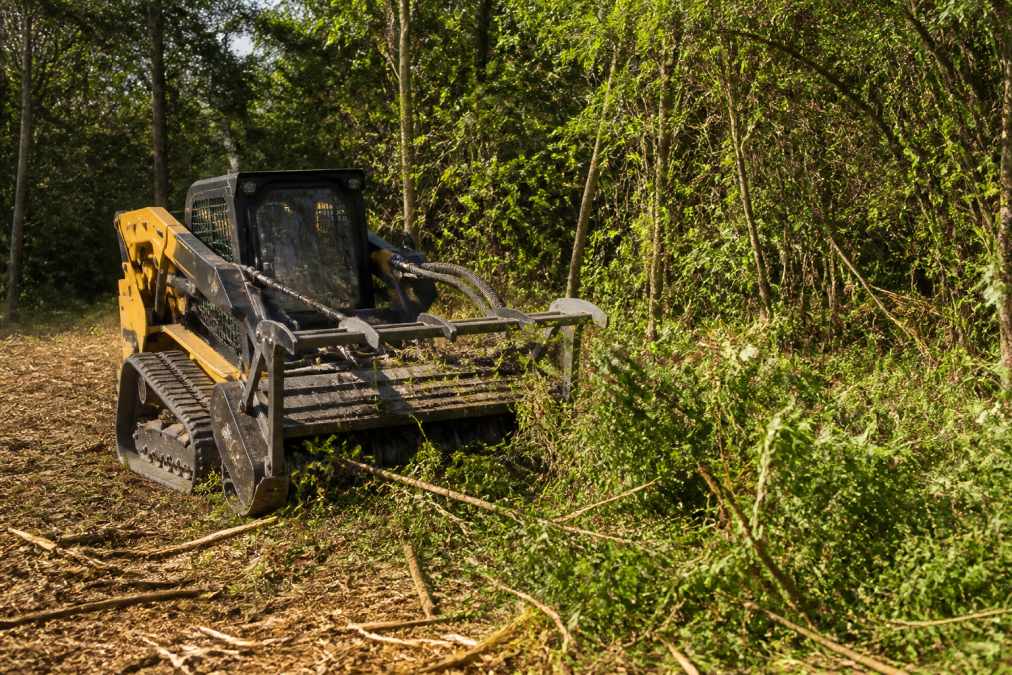
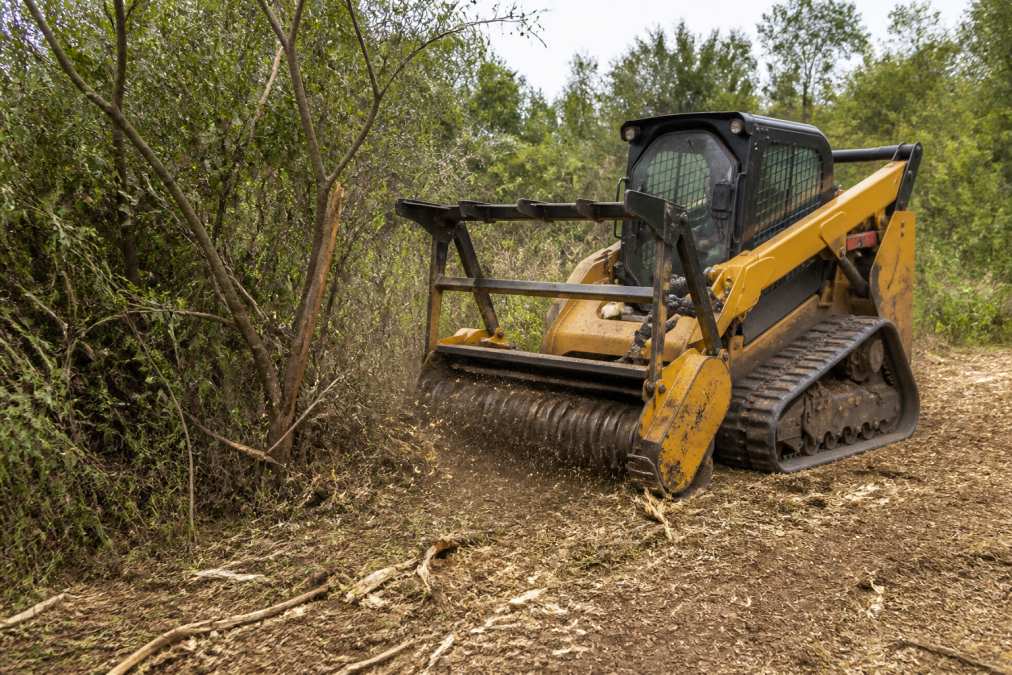
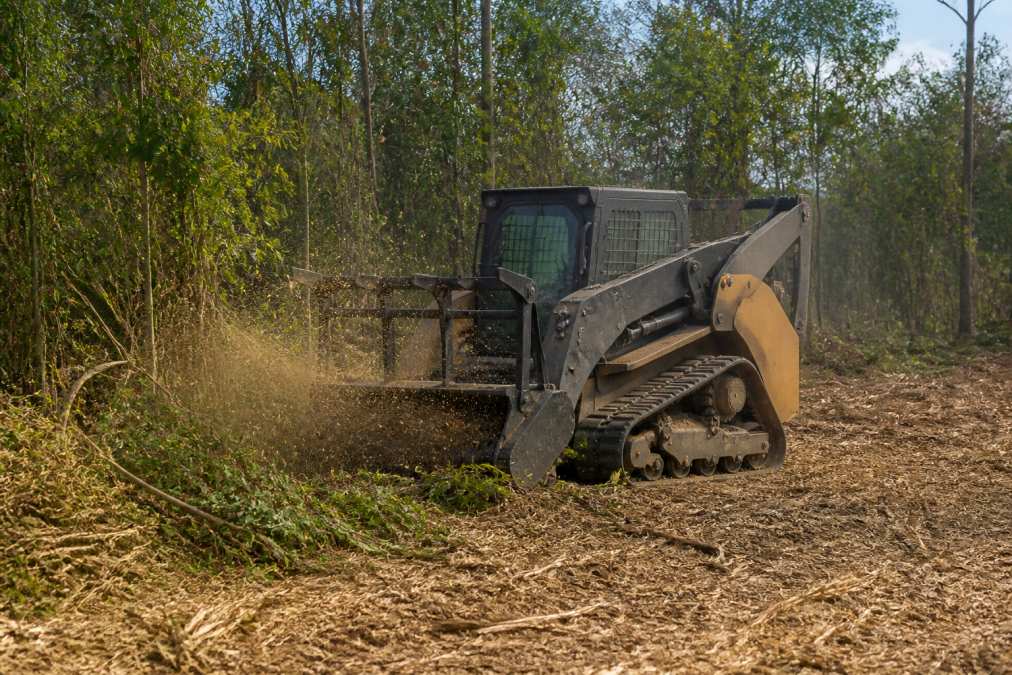
A forestry mulching service uses a single machine to grind standing trees, brush, and undergrowth directly into nutrient-rich mulch on the ground surface, no burning, hauling, or separate stump grinding. The machine moves through the property, converting dense vegetation into protective ground cover in a single pass.
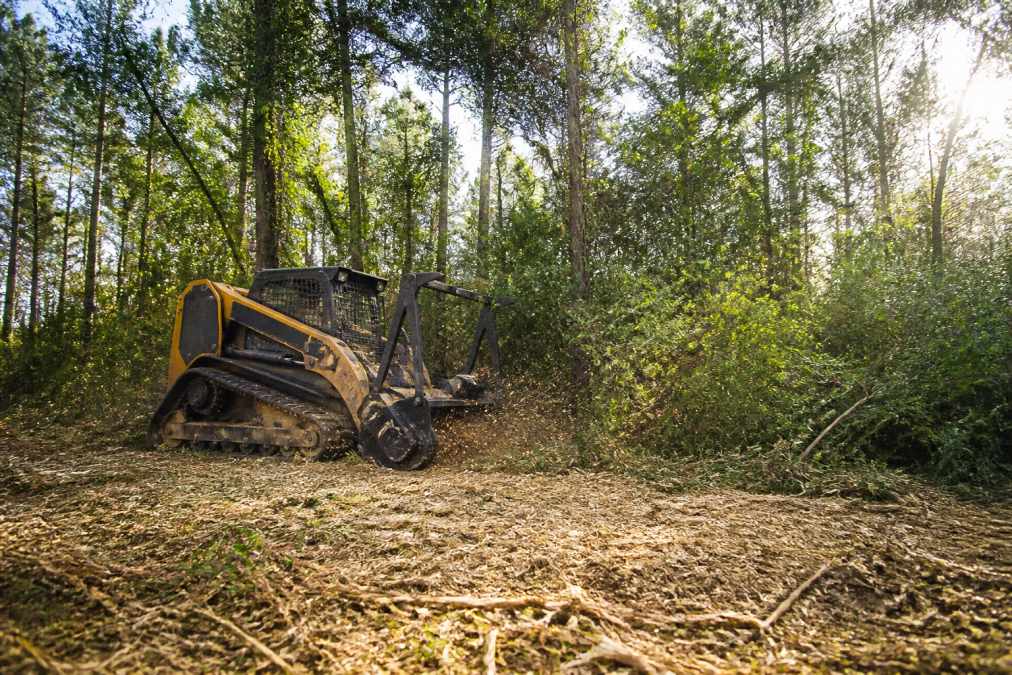
This differs fundamentally from traditional clearing, which uses bulldozers and brush piles that get burned or hauled away, stripping topsoil and creating disposal costs. Forestry mulching leaves root structures intact, protects soil surface, and recycles biomass in place. At SemperFi Land Clearing LLC, we handle everything from overgrown fence lines to multi-acre site preparation using this approach.
How the Equipment Works: Forestry Mowers and Mulchers
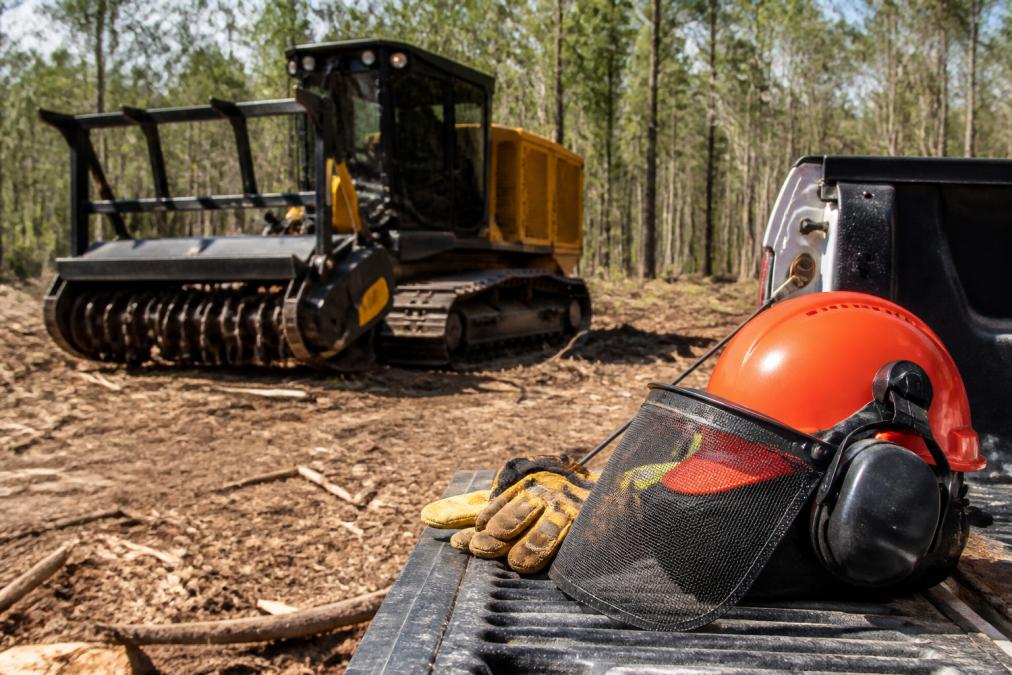
A forestry mulcher is a tracked machine with a high-speed drum or disc head mounted at the front. The head spins carbide or steel cutting teeth at high velocity, shredding vegetation down to ground level. A single forestry mulcher can handle trees up to eight to twelve inches in diameter without slowing significantly.
Tracked machines handle uneven terrain better than wheeled units. Skid steer-mounted attachments work well for tighter access or smaller acreage. Operators control mulch depth by adjusting cutting head height and ground speed, producing a consistent layer that breaks down over time and feeds the soil.
Benefits for Soil Health, Erosion Control, and Vegetation Management
The mulch layer holds moisture, moderates soil temperature, reduces erosion on slopes, and feeds soil microbes as it decomposes. Properties with heavy clay soils benefit from this organic matter addition over following growing seasons.
Erosion control is particularly relevant for sloped land near drainage areas. According to USDA Natural Resources Conservation Service guidance on erosion control, maintaining ground cover is one of the most effective practices for preventing topsoil loss after land disturbance. Forestry mulching keeps that cover in place rather than leaving bare soil exposed.
The mulch layer also suppresses some weed seed germination, slowing re-establishment of competing vegetation long enough for desirable grasses or crops to get established.
Forestry Mulching Cost Per Acre in 2026: What Drives the Price
Forestry mulching cost per acre varies considerably based on site conditions. No two acres are identical, what appears simple on satellite imagery can involve creek crossings, buried debris, or timber density that changes the job entirely.
Most providers price on a per-acre basis, though some use hourly rates for smaller jobs or access-constrained sites. Accurate cost requires a site visit. Providers who quote without seeing the land are guessing, and those guesses tend to be wrong.
Vegetation Density and Terrain Analysis
Vegetation density is the single biggest driver of per-acre pricing. Light underbrush removal moves fast. Dense cedar stands, mature hardwood thickets, or overgrown right-of-way with mixed brush move much slower. Machine hours per acre determine labor and fuel cost.
Terrain analysis matters equally. Flat, accessible land with consistent soil allows full efficiency. Rocky ground, steep slopes, wet areas, or soft soil that risks equipment sinking all slow production and increase risk. Sites near drainage features or with significant grade changes require careful operation and take longer per acre.
A thorough site assessment before booking protects both parties from budget overruns or underperformance.
Project Size, Access, and Regional Pricing Variations
Larger projects typically carry lower per-acre rates than small jobs. Mobilization cost, which covers transporting equipment to the site, is fixed regardless of acreage. On a one-acre job, that cost hits hard. On a twenty-acre job, it spreads across the project and reduces the effective per-acre rate.
Access is a separate pricing factor. Road access to the clearing area is straightforward. Properties where the machine must be walked through existing timber, across a creek, or through a tight gate add time and cost.
Regional pricing variations exist across the country based on labor markets, fuel costs, equipment availability, and local demand. Getting multiple quotes from providers who visit the property remains the most reliable way to understand local pricing.
Best Time of Year for Forestry Mulching
The best time for forestry mulching depends on land use goals, local regulations, and site conditions. For most property owners, late fall through early spring offers practical advantages.
Cooler temperatures reduce heat stress on equipment and operators. Ground conditions are often firmer in winter months, reducing equipment rutting risk. Deciduous vegetation has lost leaves, improving visibility and hazard detection. Dormant season clearing reduces disturbance to nesting wildlife, which matters for hunting properties or wildlife habitat management.
Summer clearing is feasible but creates harder working conditions. Wet spring soil can cause equipment to sink in low-lying areas, so timing around dry periods matters.
For hunting ranch owners establishing food plots or wildlife trails, late fall clearing aligns well with post-season land management goals.
Permitting, Regulatory Compliance, and Environmental Rules
Depending on property location and work scope, you may need permits before clearing begins. The U.S. Army Corps of Engineers Section 404 wetlands permitting program governs any land disturbance activity near wetlands or waters of the United States. Clearing within or adjacent to these areas without a permit can result in stop-work orders, fines, and mandatory restoration at the landowner's expense.
State environmental agencies add another layer. In Texas, the Texas Commission on Environmental Quality oversees stormwater discharge rules for land disturbance projects above certain acreage thresholds. Properties near streams, ponds, or drainage features require particular attention.
Some counties and municipalities have tree removal ordinances requiring permits for clearing above specified canopy area. Utility right-of-way clearing has its own requirements from relevant utility authorities.
Before booking any forestry mulching service, confirm with your county whether permits are required for your project scope. A reputable contractor will ask about this during site assessment and can advise on what applies to your property type.
DIY Equipment Rental vs. Hiring a Professional Forestry Mulching Service
Renting a forestry mulcher is possible. Platforms like Rubbl offer tracked forestry mulchers in Texas markets, and local rental yards carry newer models including BARKO and Caterpillar units.
The question is whether renting makes sense for your project.
| Factor | DIY Equipment Rental | Professional Service |
|---|---|---|
| Operator skill required | High (years of experience ideal) | Provided by contractor |
| Equipment transport | Renter arranges and pays | Included in service |
| Hourly production rate | Varies widely by skill level | Consistent, experienced pace |
| Liability for damage | Renter responsible | Contractor insured |
| Hidden costs | Fuel, transport, damage deposit | Single project quote |
| Best for | Experienced operators, multiple projects | Single projects, all property owners |
The real issue with DIY mulching is operator experience. An inexperienced operator is slow, produces inconsistent results, and risks equipment damage. Rental rates run into thousands per week before fuel and transport. A job taking two days for professionals might take five for inexperienced renters, reversing the cost comparison.
For most residential and agricultural property owners, hiring a professional service delivers better results at comparable or lower total cost.
How to Prepare Your Property and Book the Job
Preparation before booking is straightforward but critical. Skipping it leads to inaccurate quotes, scope disputes, and delays.
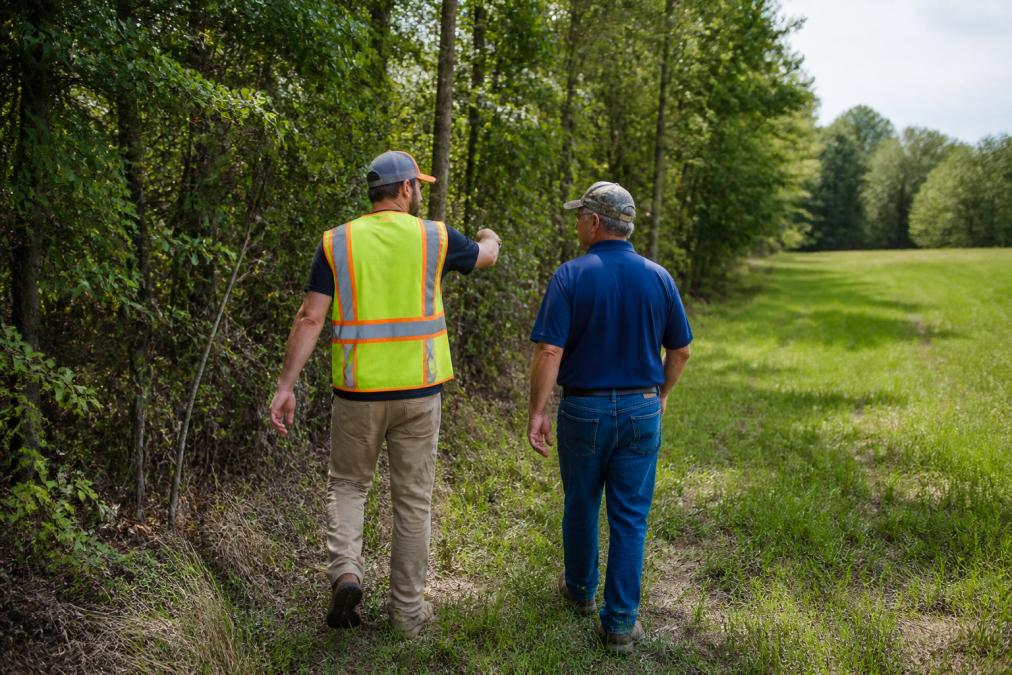
Mark your property boundaries clearly. Contractors need to know exactly where to stop. If survey pins are not visible, walk the lines before the crew arrives. A misunderstanding about property lines is one of the most avoidable problems in land clearing.
Site Assessment and Getting an Accurate Project Estimate
A site assessment produces an accurate project estimate. Satellite tools give rough acreage but cannot show vegetation density, terrain conditions, access constraints, or buried obstacles that affect job costing.
SemperFi Land Clearing LLC offers free land assessments for this reason. An on-site visit produces a reliable quote.
When preparing for a site assessment, be ready to answer:
- What is the intended use of the land after clearing?
- Are there specific areas to avoid, such as septic systems, buried lines, or protected trees?
- Is there existing vehicle access to the clearing area?
- Are there any known drainage features, wet areas, or slope concerns?
According to Texas A&M AgriLife Extension land management resources, having a clear land use plan before clearing helps landowners make better decisions about clearing depth, brush management, and post-clearing seeding strategy.
What to Expect During the Clearing Process
On job day, the crew arrives with the mulcher on a trailer, typically requiring a wide gate or road access. Setup takes thirty to sixty minutes. Once running, production is steady and the sound is significant.
The crew works in passes across the clearing area. You will see vegetation disappear and mulch layer build up behind the machine. The finished surface looks rougher than mowed lawn but settles considerably over following weeks as mulch compresses and breaks down.
Most professional crews flag or avoid obstacles, but communication before the job starts prevents problems. Tell the contractor about buried wire, old fence posts, or concrete debris beforehand.
Post-Mulching Land Management: Keeping Regrowth Under Control
The most common concern after forestry mulching is regrowth. Some regrowth will occur, the mulch layer slows it but does not eliminate it permanently.
Regrowth speed depends on species composition. Hardwoods cut at the base often sprout from root systems. Cedar can come back aggressively from root crowns if the cutting head did not get low enough. Grasses and pioneer species colonize open ground quickly, especially in warm months.
Post-mulching land management depends on your land use goal:
- Pasture establishment: Apply selective herbicide within sixty days of clearing to suppress woody regrowth. Follow with appropriate grass seeding.
- Food plots: Till the mulch layer into top soil inches, test pH, amend as needed, and plant target species.
- Property maintenance: Plan follow-up brush management in twelve to eighteen months. One clearing rarely produces permanently open property without follow-up.
- Fire mitigation: Maintain cleared area with annual mowing or periodic re-mulching to prevent fuel load rebuilding.
The USDA Forest Service guidance on vegetation management and fire mitigation recommends ongoing maintenance schedules rather than single-event clearing for sustained fire risk reduction.
The most effective land management programs combine initial clearing with scheduled maintenance, whether annual mowing, targeted herbicide application, or periodic re-mulching.
Overgrown land does not manage itself, and delaying clearing increases costs. SemperFi Land Clearing LLC offers free site assessments with no obligation, providing an accurate project estimate before commitment. Our veteran-owned team brings precision and reliability to every job, from specialized 10-foot fence line clearing to full site preparation for new construction. Get an estimate from SemperFi Land Clearing LLC and start with a clear picture of what your land needs.
Frequently Asked Questions
What factors influence the cost of a forestry mulching service?
Pricing depends on vegetation density, terrain difficulty, total acreage, site access, and regional lead times. Thick brush, standing water, steep slopes, or large-diameter trees all increase machine time and operator hours. Per-acre pricing is tiered, so smaller parcels typically cost more per acre than larger jobs. Because every site differs, reputable providers conduct a site assessment before quoting. Contact SemperFi Land Clearing LLC for a free land assessment and accurate project estimate.
When is the best time of year to book a forestry mulching service?
Late fall through early spring is generally the best time to schedule forestry mulching. Dormant vegetation is easier to cut, ground conditions are firmer in drier months, and reduced leaf cover lets operators see the terrain clearly. Booking during the off-peak season also improves lead time availability. In East Texas, summer heat and wet soil from spring rains can slow equipment and increase job costs, so planning ahead for a fall or winter start date often delivers better results.
Does forestry mulching require permits or environmental compliance?
Permit requirements vary by project scope and location. Land clearing near wetlands, waterways, or jurisdictions regulated under the Clean Water Act may require permits from the Army Corps of Engineers or your local county. Texas also has burn bans and air quality rules that affect debris disposal options. A professional forestry mulching service familiar with local regulations can identify what approvals your project needs before work begins, helping you avoid fines or stop-work orders.
Should I rent a forestry mulcher or hire a professional land clearing company?
Renting equipment makes sense only if you have a licensed operator, can manage transport logistics, and have multiple projects to justify the weekly rental cost. For most landowners, hiring a professional forestry mulching service is safer and more cost-effective. Professionals bring their own mulcher inventory, carry liability insurance, handle terrain analysis, and complete the job faster. Mistakes with heavy equipment on unfamiliar terrain can damage topsoil, injure operators, or create erosion problems that cost more to fix than the job itself.