 how-to
How to Manage Pasture for Small Acreage: 7 Steps
Table of Contents
- Assess Your Pasture Condition and Property Characteristics
- Set Goals and Create a Pasture Management Plan
- Determine How Many Animals per Acre of Pasture You Can Support
- Implement Rotational Grazing for Small Farms
- Control Grass Height and Prevent Overgrazing
- Manage Pasture Weed Control and Brush Removal
- Maintain Soil Health and Pasture Fertility
- Plan for Seasonal Challenges and Emergency Forage
- Frequently Asked Questions
Last Updated: October 14, 2026
Assess Your Pasture Condition and Property Characteristics
How to manage pasture for small acreage starts with understanding what you're working with. Walk your property: is the grass thick and healthy or thin with bare patches?
Size and soil type matter too. A half-acre supports fewer animals than five acres, and clay soil holds water longer than sandy soil. Both affect what you can graze and when.
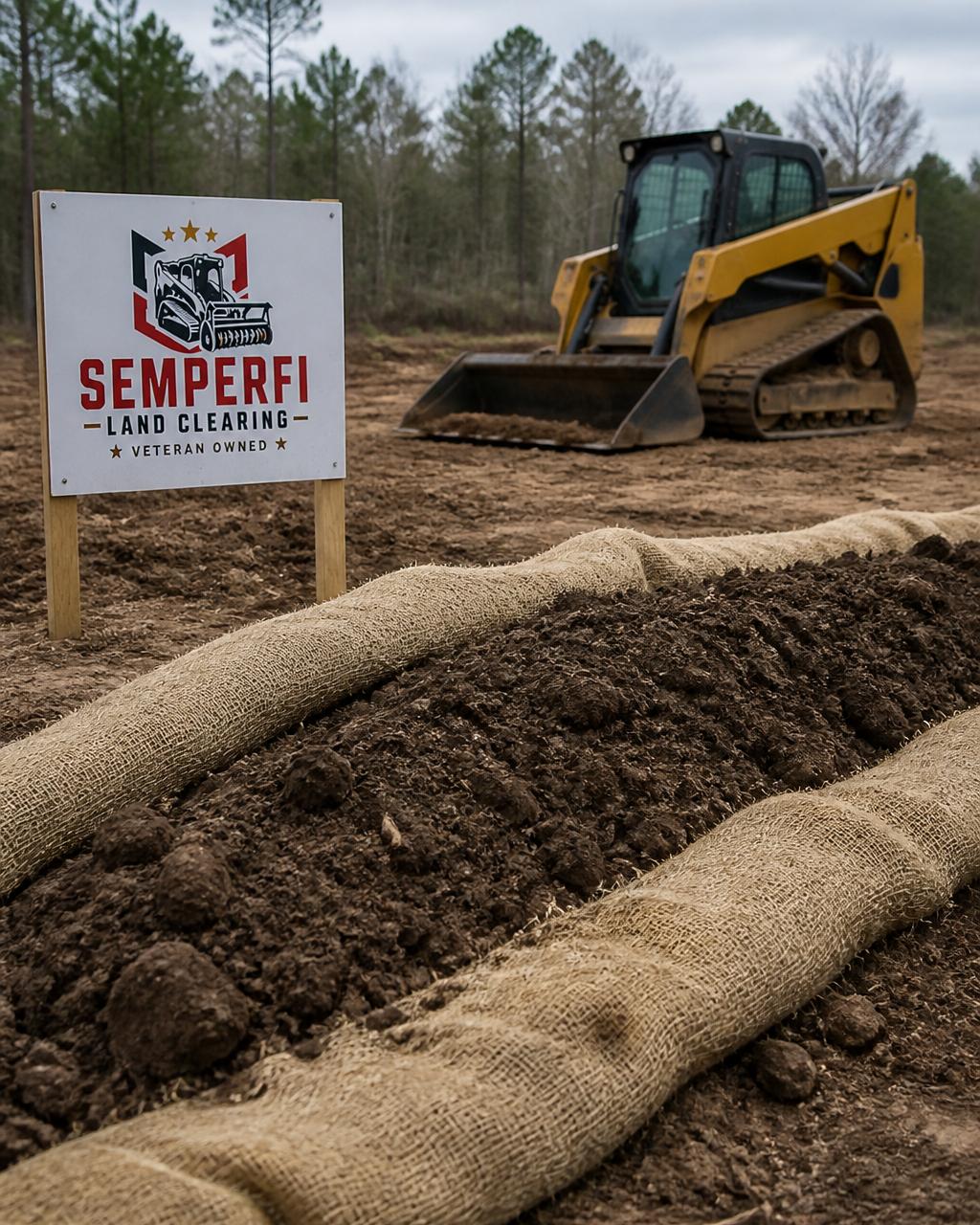
At SemperFi Land Clearing LLC, we start every land project with a free property assessment. We evaluate pasture condition, identify problem areas like overgrown brush along fence lines, and help you see what needs to happen next.
Document what you find with photos, noting wet areas, compacted spots, and weed problems. This baseline helps you measure progress and make better grazing decisions.
Set Goals and Create a Pasture Management Plan
Before moving animals onto pasture, define what success looks like. Do you want better soil health, lower feed costs, or higher forage quality? Different goals require different approaches.
Write down your goals. Be specific. "Improve pasture" is too vague. "Reduce bare spots and increase grass density in the south paddock by spring" is actionable.
Your management plan should include:
- How many animals you'll graze
- When grazing starts and stops each season
- Which paddocks you'll use first
- How long animals stay in each area
- Rest periods between grazing cycles
- Maintenance tasks like mowing or weed control
A written plan keeps you accountable and helps you explain your approach to neighbors or buyers. Review it each season and adjust based on results.
Determine How Many Animals per Acre of Pasture You Can Support
Stocking rate is the number of animals your pasture can support over a grazing season. Get it wrong, and grass disappears, soil compacts, and weeds take over.
Think in animal units (AU) instead. One AU equals roughly 1,000 pounds of live weight, about one mature cow with or without a calf.
A common starting estimate for a well-managed, improved pasture in a favorable climate is 1 to 2 acres per AU for the grazing season, and 2 to 4 acres per AU on thinner, drier, or unimproved ground. That means:
- Horses (1,000-1,200 lb): plan on 1.5 to 3 acres per horse on decent pasture, more if the horse is a hard keeper or the ground is sandy.
- Beef cattle (1,000-1,400 lb): roughly 1 to 2 acres per cow-calf pair on good pasture, 2 to 4 acres on poor pasture.
- Sheep (120-180 lb): about 5 to 8 ewes per acre on good pasture, 2 to 4 on marginal ground.
- Goats (100-180 lb): similar to sheep, but goats browse more than they graze, so they use brush and weeds that sheep and cattle ignore.
These are starting points, not guarantees. The only reliable number is the one you measure on your own land: estimate available forage in pounds per acre, then divide by your animals' daily dry-matter intake.
Factors that shift the number up or down:
- Grass species and stand density: tall fescue, orchardgrass, and bermudagrass produce more tonnage than bluegrass or annual weeds.
- Soil fertility and pH: depleted or acidic soil grows less, no matter how good the seed was.
- Rainfall and season: spring growth can be three to five times summer growth in many regions.
- Animal type and class: lactating animals, growing youngstock, and hard-keeping horses need more than dry, mature animals.
- Grazing system: continuous grazing typically supports 30 to 50 percent fewer animals than a well-managed rotational system on the same land.
Start conservative. Adding animals when you see extra grass is far easier than repairing overgrazed pasture, which can take two or more growing seasons.
Implement Rotational Grazing for Small Farms
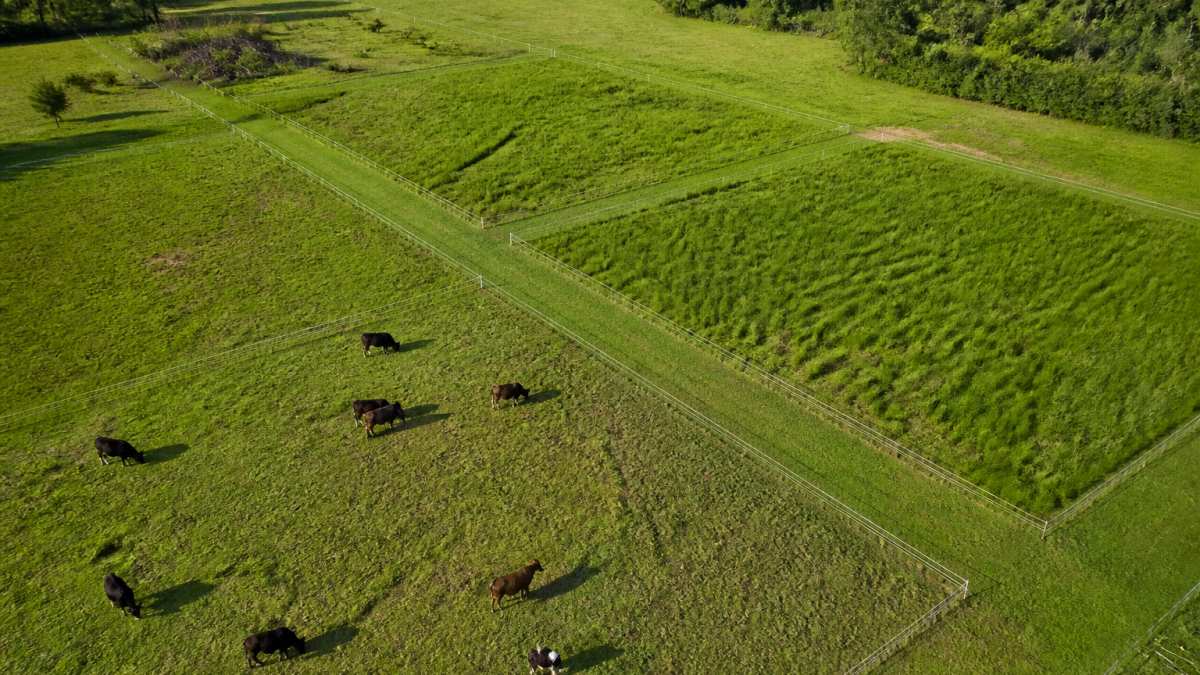
Rotational grazing is the foundation of healthy pasture management: move animals between paddocks instead of letting them graze one area all season, giving grass time to recover.
The principle is simple: grazing pressure plus rest period equals recovery. Animals eat grass, you move them to a fresh area, and the grazed area regrows while they're elsewhere.
How long animals stay depends on grass growth and your goals: three to five days in spring, longer in slow-growth periods. The rested paddock needs at least 21 days to recover, often longer.
Divide Your Pasture Into Paddocks
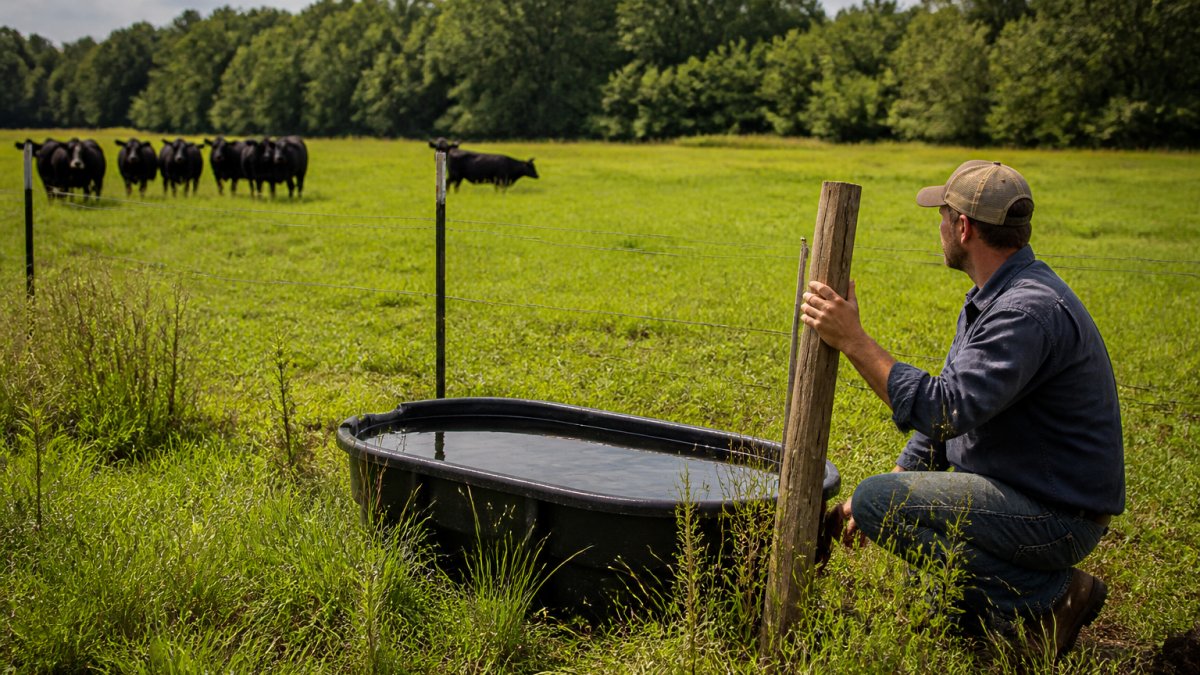
Paddocks are smaller grazing areas within your larger pasture. Electric fencing makes paddock division affordable and flexible.
For small acreage, two to four paddocks is a good start, each sized for several days of grazing. A quarter-acre paddock might feed two sheep for three days; a one-acre paddock might feed four cattle for two days.
Simple electric systems cost less than permanent fencing. Polytape or step-in posts work well for temporary divisions you can move as conditions change.
Set Grazing Timing and Establish a Pasture Rest Period
Timing matters. Graze when grass is actively growing. Spring is ideal. Summer growth slows. Fall regrowth can be strong. Winter grazing depends on stored forage.
A pasture rest period is the time between when animals leave and when they return. It must be long enough for grass to rebuild root reserves: too short and grass weakens, too long and it becomes overmature and less nutritious.
Spring rest is typically 21 days; extend to 28 days or more in summer. Fall rests can be shorter if growth is strong. Watch grass height, not just days.
Control Grass Height and Prevent Overgrazing
Grass height tells you everything about grazing pressure. Measure it when animals enter a paddock and again when they leave; this simple practice prevents overgrazing.
Ideal grazing height varies by species: graze tall fescue and orchardgrass from four inches down to two. Never graze below one and a half inches, since grass needs leaf area to regrow.
Overgrazing happens when animals eat too much or stay too long. Signs include bare soil, short stubble, and trampled areas, and recovery takes years.
Prevent it by:
- Moving animals before grass gets too short
- Adjusting stocking rate to match available forage
- Extending rest periods in slow-growth seasons
- Using sacrifice paddocks for poor-condition areas
A sacrifice paddock is an area you allow to be heavily grazed or trampled, protecting better pastures. Use it in muddy seasons or when forage is scarce.
Manage Pasture Weed Control and Brush Removal
Weeds compete with desirable grass species. Brush shades out forage. Both reduce pasture productivity.
Grazing animals help control weeds: sheep and goats are especially good, and cattle trample and break them up. Grazing alone won't eliminate serious weed problems, though.
Mowing is the most practical tool for small acreage.
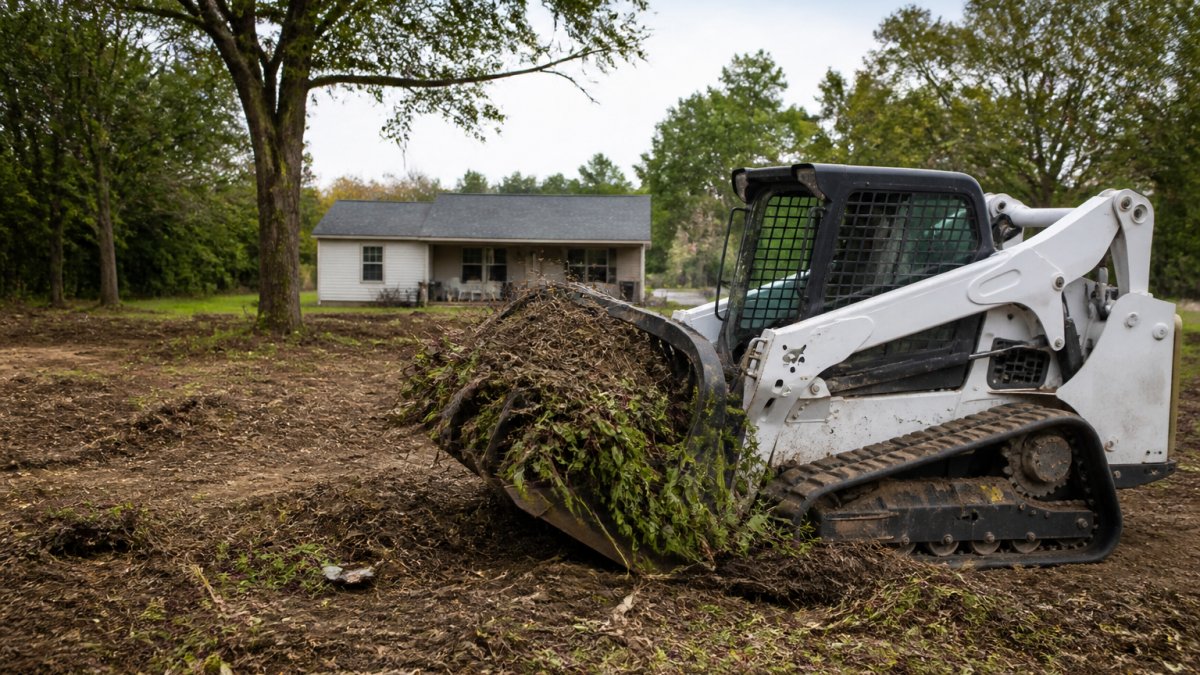
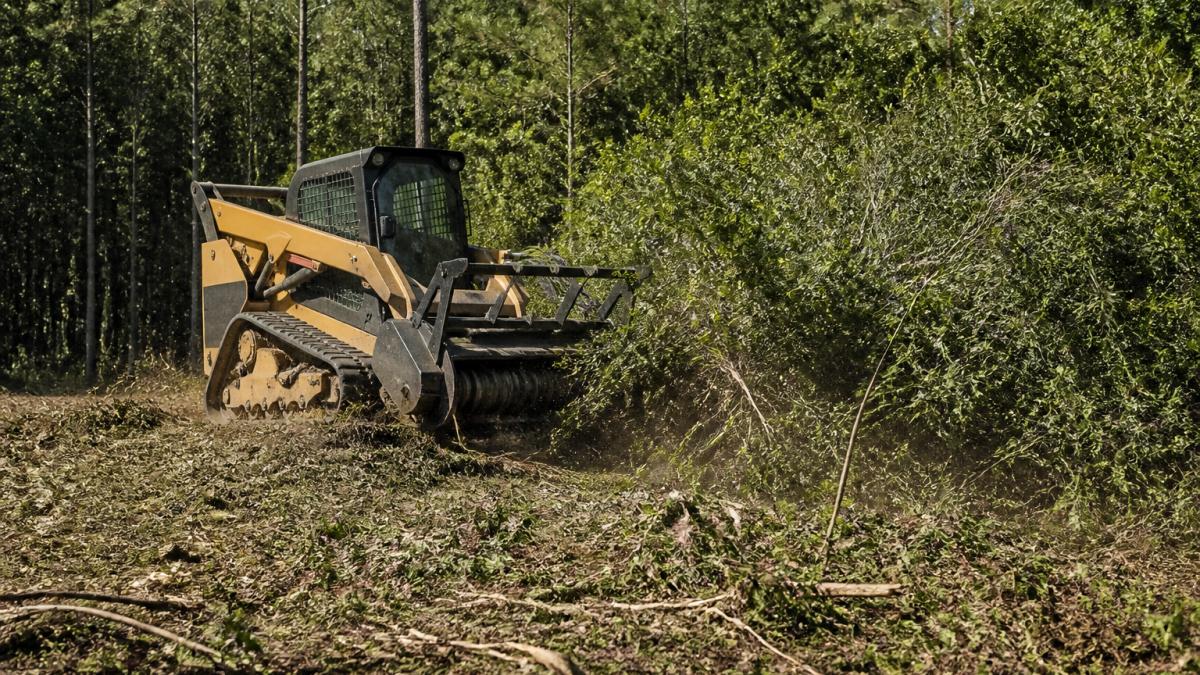
Brush removal is more challenging. SemperFi Land Clearing LLC specializes in fence line clearing and brush removal using forestry mulching, which leaves mulch on the ground to suppress regrowth and improve soil health.
For DIY removal, cutting brush and pulling smaller plants works on small acreage. Remove cut material to prevent regrowth from stumps.
Maintain Soil Health and Pasture Fertility
Healthy soil grows healthy grass. Test your soil every two to three years for pH, nutrient levels, and organic matter; results guide fertilizer decisions.
Most pastures benefit from balanced fertilizer in spring: nitrogen promotes grass growth, while phosphorus and potassium support roots and plant health. Follow soil test recommendations rather than applying random amounts.
Manure improves soil naturally, but animals deposit nutrients unevenly. Drag paddocks after animals move to spread nutrients and prevent parasite buildup.
Overseeding fills bare spots. Broadcast seed in fall or spring when soil is moist. Choose seed that matches your existing grass species and climate.
Plan for Seasonal Challenges and Emergency Forage
Small pastures fail in predictable, seasonal ways. A written seasonal calendar turns general advice into a routine, and an emergency forage plan keeps a bad month from becoming a bad year.
A simple seasonal grazing calendar
Late winter (February-March): Finish soil tests and order seed, fertilizer, and fencing supplies. Check fence lines and chargers before animals go out.
Early spring (March-April): Don't graze too early; grass needs time to build root reserves. Wait until grass is 4 to 6 inches tall and actively growing.
Late spring (May-June): Usually peak growth.
Summer (July-August): Growth slows and heat stress rises.
Early fall (September-October): Regrowth returns in many regions. Use it to rebuild reserves and stockpile one or two paddocks for late grazing.
Late fall and winter (November-January): Stop grazing when grass stops growing or the ground is wet enough to rut.
Drought planning
Drought is a slow squeeze, not a single event. Watch for these triggers and act early:
- Grass stops growing for two weeks in your growing season. Start feeding hay before pasture is gone.
- Grass height drops below 3 inches in most paddocks. Reduce animal numbers or buy supplemental feed.
- Your stored hay will not last to the next growing season. Cull or sell animals now rather than later, when prices and options are worse.
A sacrifice area is your best tool in drought and mud: a small, well-drained paddock or dry lot where animals are confined and fed. It gets beaten up, but it protects the rest of your pasture from damage that takes years to repair. Plan its location near water, shade, and hay storage.
Mud and wet-season management
Mud is more than a mess. It compacts soil, buries forage, and creates hoof and leg problems in horses and cattle. When the ground is saturated:
- Keep animals off pasture and in the sacrifice area.
- Feed hay on a raised pad or in a different spot each day to spread the damage.
- Add wood chips, gravel, or sand to high-traffic areas around gates, waterers, and feeders.
- Do not drag or harrow wet paddocks; you will smear manure and damage roots.
Emergency forage checklist
- Identify two or three local hay producers and save their contacts before you need them.
- Store at least one extra month of hay beyond normal winter needs if you have dry storage.
- Know the going rate for hay so you can buy quickly when a shortage hits.
- Keep a small amount of complete feed or hay extender on hand, and transition animals onto it slowly.
- Have a plan for reducing animal numbers: selling, leasing out grazing, or moving animals to a neighbor's ground.
Frequently Asked Questions
How many animals per acre of pasture can I safely support?
Stocking rate depends on forage quality, grass species, and climate. A well-managed small acreage typically supports 1 to 2 cattle per acre or 4 to 6 sheep per acre during the grazing season. Start conservatively and adjust based on pasture condition. Overgrazing damages soil and reduces forage recovery, so monitor grass height and move livestock before forage drops below 3 inches.
How long should a pasture rest period be between grazing cycles?
Rest periods typically range from 30 to 60 days, depending on grass growth rate and season. Spring growth is faster, so rest periods may be shorter. Summer and fall growth slows, requiring longer rest. Allow grass to recover to 6 to 8 inches before grazing again. Proper rest periods improve forage quality, soil health, and overall pasture productivity on small acreage.
What's the best method for pasture weed control on small farms?
Combine mechanical and grazing management. Mow or clip tall weeds before they set seed, drag pastures to break up manure clumps and spread nutrients, and use targeted herbicide applications for persistent problem areas. Rotational grazing itself suppresses many weeds by improving grass vigor. Overseeding with desirable forage species crowds out weeds naturally. Soil testing helps identify fertility gaps that weeds exploit.
Will my pasture recover after heavy brush and overgrowth removal?
Yes, with proper management. After clearing thick brush and overgrowth, soil health typically improves, allowing dormant grass seed to germinate. Overseeding with adapted forage species accelerates recovery. Avoid heavy grazing for 60 to 90 days post-clearing to let new growth establish. Soil testing and targeted fertilizer support faster recovery. Forestry mulching retains organic matter, which builds soil fertility and supports long-term pasture establishment.