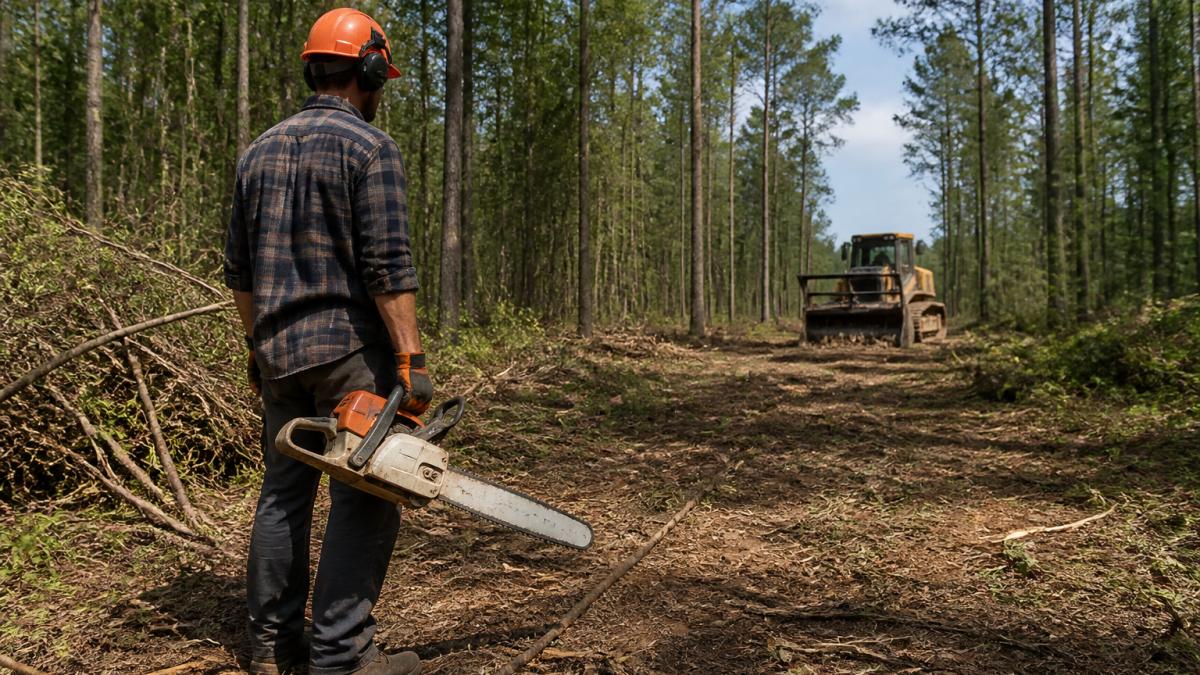
 how-to
How to Clear Shooting Lanes Safely: Step-by-Step Guide
Table of Contents
- What Are Shooting Lanes and Why They Matter
- When to Clear Shooting Lanes for Optimal Results
- Best Tools for Clearing Shooting Lanes
- Step-by-Step Process for Clearing Shooting Lanes Safely
- Shooting Lane Width for Bow Hunting: Getting the Dimensions Right
- Shooting Lane Maintenance and Long-Term Care
- Common Mistakes to Avoid When Clearing Shooting Lanes
- Frequently Asked Questions
Last Updated: October 17, 2026
What Are Shooting Lanes and Why They Matter
Shooting lanes are cleared pathways through vegetation that help you clear shooting lanes safely by providing unobstructed sight lines and safe firing zones. Whether you're setting up a hunting stand, managing a shooting range, or preparing land for sport shooting, these lanes serve a critical purpose: they let you see your target clearly and safely while containing your shot.
A well-designed lane isn't just about visibility, it's about safety, effectiveness, and long-term land management.
Poor shooting lanes create real problems. Brush and branches block your view. Overgrown vegetation forces awkward shooting angles. Dense growth behind your target stops bullets unpredictably. A properly cleared lane eliminates these hazards and gives you a safe, effective shooting area.
The key is understanding what needs to go and what should stay. You're not clearing your entire property, you're creating specific pathways that work for your shooting position and target placement.
When to Clear Shooting Lanes for Optimal Results
Timing matters when you clear shooting lanes. The best time depends on your purpose and local conditions.
For hunting: Clear lanes in late summer or early fall, before hunting season begins. This gives you time to assess sight lines and make adjustments. New growth won't have obscured your view yet, and you'll see exactly what needs trimming.
For range use: Clear lanes before you plan to use the range. If you use it year-round, check lanes quarterly. Winter reveals sight lines better when deciduous trees are bare, but spring growth fills in quickly.
For permanent installations: If you're building a shooting structure or stand, clear lanes during the planning phase. This prevents costly adjustments after construction.
Weather affects clearing too. Work when the ground isn't saturated, wet soil gets torn up by equipment and foot traffic. Dry conditions let you work faster and cleaner. Avoid clearing during extreme heat or storms.
Local regulations may restrict clearing during certain seasons. Check with your county extension office or local forestry guidelines before you start.
Best Tools for Clearing Shooting Lanes
The right tools make clearing faster and safer. Your choice depends on how much vegetation you're removing and how precise you need to be.
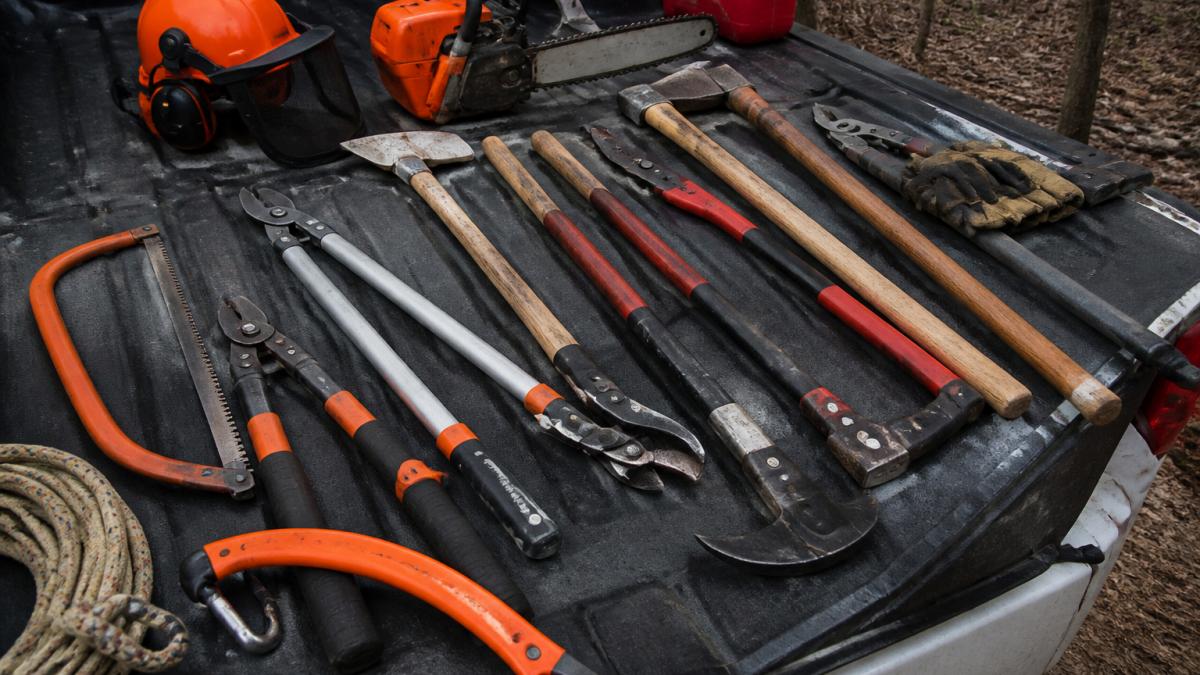
Hand tools work for light clearing:
- Pruning saws cut branches cleanly and let you control exactly what comes down
- Loppers handle branches up to two inches thick
- Machetes clear brush and small saplings quickly
- Hand pruners work for thin branches and vines
Power tools speed up medium jobs:
- Chainsaws cut through larger trees and thick limbs efficiently
- String trimmers handle low brush and grass
- Brush cutters tackle dense undergrowth
Heavy equipment handles large-scale work:
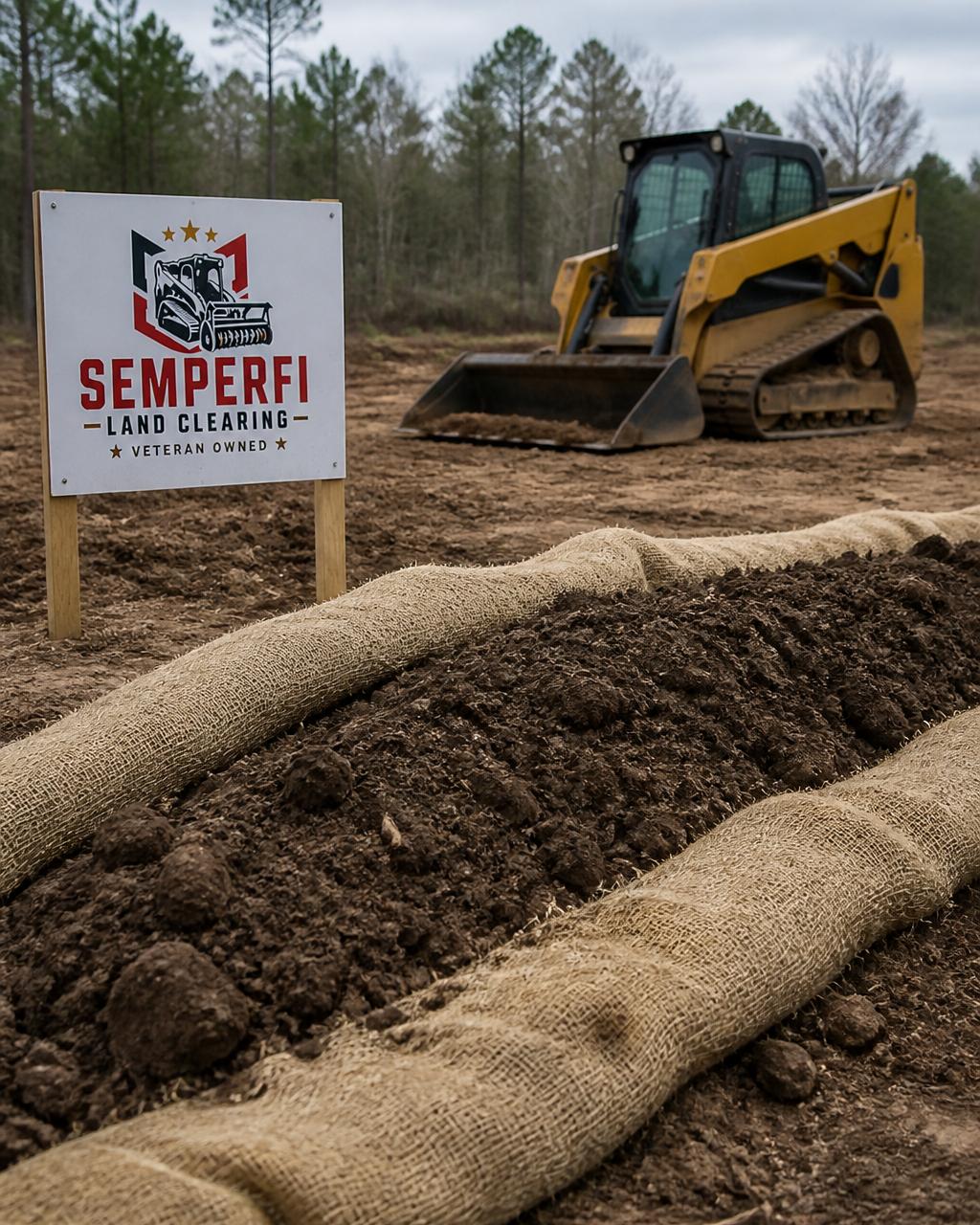
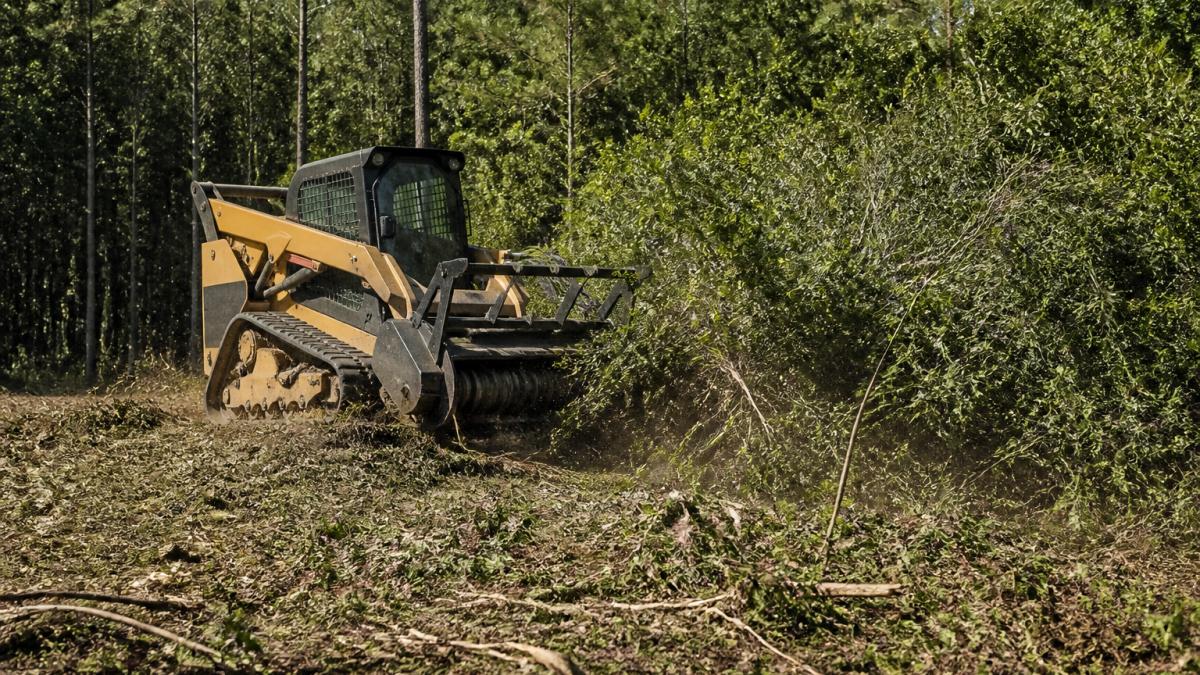
- Forestry mulchers grind vegetation into mulch, which improves soil health and prevents regrowth
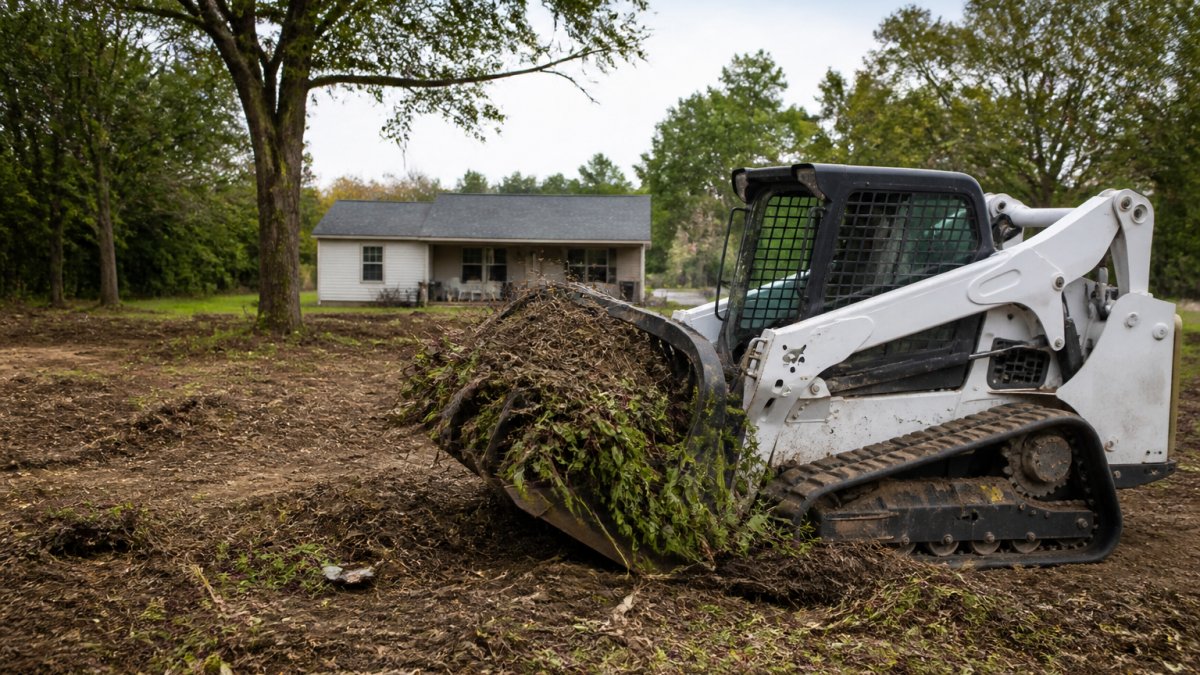
- Skid steers with clearing attachments remove large volumes quickly
- Excavators pull stumps and root systems
For most residential shooting lanes, hand tools and a quality chainsaw handle the job. If you're clearing more than a quarter acre of heavy brush, heavy equipment becomes cost-effective. Forestry mulching for larger projects removes the overgrowth completely and leaves your soil better than it was.
Step-by-Step Process for Clearing Shooting Lanes Safely
To clear shooting lanes safely requires planning, proper technique, and attention to what's around you. Follow this process to create a functional, hazard-free lane.
Assess the target lane and surrounding vegetation
Start by identifying exactly where your lane needs to be. Stand at your shooting position and look toward your target. Draw an imaginary line from your position through your intended target area.
Walk that line and note what's in the way:
- Trees blocking your line of sight
- Branches at eye level or lower
- Dense brush that obscures the ground
- Vines or saplings growing across the path
Check what's beyond your target too. You need clear visibility of the impact zone and what's beyond it. This prevents shooting at something you can't see clearly.
Measure your lane width. For most shooting purposes, you need at least 8-10 feet of clear sight line. Bow hunting typically needs a narrower lane (6-8 feet) than rifle shooting.
Mark the boundaries of your lane with flagging tape or spray paint. This keeps you focused and prevents clearing more than necessary.
Clear brush and small branches manually
Start with the smallest vegetation first. This gives you a clearer picture of what larger obstacles need attention.
Remove vines by cutting them at the base and pulling them down. Don't yank hard, let gravity help. Cut saplings and brush with pruning saws or loppers. Make clean cuts close to the ground or base.
Work systematically from one side of the lane to the other. Don't jump around, this wastes time and leaves gaps.
Stack cleared brush in piles outside your lane. Don't leave it scattered, it creates tripping hazards and looks messy. You can chip small branches later or let them decompose naturally.
Remove low branches from larger trees. Cut branches that hang into your sight line, typically anything below eight feet. Make cuts flush with the trunk to promote healing.
Remove larger trees and limbs with proper technique
Larger trees need careful handling. Never fell a tree toward your shooting position, always fell away from where you stand or shoot.
Before cutting any tree, check what's around it:
- Other trees it might hit
- Power lines or structures
- Steep slopes that affect how it falls
- The direction the tree naturally leans
Cut from the side opposite the lean. Make your first cut (the notch) on the side you want the tree to fall. Cut about one-third through the trunk. Make your second cut (the back cut) on the opposite side, slightly higher than the notch.
Let the tree fall naturally. Don't force it or jump on it. Step back and let gravity do the work.
Once the tree is down, cut it into manageable pieces. Remove branches first, then cut the trunk into sections. Clear all pieces from your lane.
For limbs on standing trees, cut from underneath first to prevent the branch from binding and pinching your saw. Make a small cut on the underside, then cut from the top. This prevents the branch from tearing bark off the trunk as it falls.
Check for visibility and test sight lines
After clearing, walk your lane from your shooting position to your target. Look for any remaining obstacles at eye level or lower.
Stand at your shooting position and look through the lane. You should see your target clearly without moving your head.
Check from different heights. If you're shooting from a stand or elevated position, check sight lines from that height. If you're shooting from ground level, check from standing and kneeling positions.
Look for branches that might deflect your shot. Even small branches can affect projectile trajectory. If you see any questionable branches, remove them.
Test your sight line in different lighting conditions. Morning, midday, and evening light reveal different obstacles. Shadows can hide branches or create false obstacles.
If you're hunting, sit quietly in your shooting position for 15-20 minutes. Let your eyes adjust. You'll notice details you missed during active clearing.
Shooting Lane Width for Bow Hunting: Getting the Dimensions Right
The ideal shooting lane width for bow hunting is 6-8 feet. This width gives you enough space to draw and aim without branches interfering with your bowstring or arrow flight.
Bow hunting demands narrower lanes than rifle shooting because arrows are more sensitive to deflection. Even a small branch touching your arrow changes its flight path significantly.
Measure your lane width at multiple points:
- At your shooting position
- At mid-distance (halfway to target)
- At your target area
Keep the width consistent. Wider lanes take more work to maintain but give you more flexibility in positioning. Narrower lanes require less clearing but demand more precision in your setup.
The height matters too. Clear branches from ground level up to 12 feet high. Your arrow travels in an arc, so obstacles above your shooting height can still interfere with the flight path.
For rifle shooting, lanes can be 10-15 feet wide. Rifles shoot flatter trajectories, so you have more tolerance for nearby vegetation. The wider lane also gives you better target visibility and more options for adjusting your position.
Shooting Lane Maintenance and Long-Term Care
A cleared lane doesn't stay clear without maintenance. Plan to revisit your lanes annually, ideally before your primary use season.
Spring maintenance focuses on new growth. Saplings and brush sprout quickly after winter. Cut them back before they get thick.
Summer checks catch branches that have grown into your sight line and test lane function during good weather.
Fall preparation clears your lane before hunting or shooting season. This is your most important maintenance window.
Winter work is easier in some ways, deciduous trees are bare, so you see obstacles clearly. But wet ground and frozen conditions make equipment work difficult.
Use forestry mulching for ongoing maintenance on larger properties. The mulch layer suppresses regrowth and improves soil health. This reduces the frequency of clearing work.
Don't let cleared lanes grow back completely. Small maintenance jobs twice a year beat major clearing every five years. Thin saplings take minutes to remove. Thick trees take hours.
Common Mistakes to Avoid When Clearing Shooting Lanes
Most people make predictable mistakes when clearing lanes. Avoid these and you'll have better results.
Clearing too wide. Wider isn't always better. You waste time and effort clearing more than necessary. Stick to your required width plus a small buffer.
Leaving branches at eye level. The most common mistake. You clear the ground but miss branches that hang into your sight line. Walk your lane from your shooting position and check carefully.
Failing to clear behind the target. You need to see what's beyond your target. Overgrown brush behind the target creates safety hazards and makes it hard to verify your shot.
Removing too many trees. Don't clear every tree. Keep enough vegetation for natural cover and wind protection. Strategic trees actually improve your shooting position.
Ignoring regrowth. Small maintenance twice yearly prevents large jobs. Neglected lanes grow back thicker than before.
Not checking for hazards. Always check for power lines, property boundaries, and obstacles before clearing. A chainsaw accident or property dispute isn't worth it.
Clearing during wet conditions. Wet ground tears up easily and makes work harder. Wait for dry conditions when possible.
Skipping the visibility test. Clear your lane, then actually stand in your shooting position and look through it. You'll catch problems you missed during clearing.
Clearing shooting lanes safely takes planning and attention to detail, but the payoff is worth it. A well-maintained lane gives you reliable sight lines, safer shooting conditions, and a functional space you can use confidently.
If you're managing significant acreage or dealing with heavy brush, professional clearing saves time and delivers better results. We offer free land assessments to evaluate your property and recommend the best clearing approach.
Frequently Asked Questions
How do you safely clear a shooting lane?
Start by assessing vegetation from your hunting stand to identify which branches block your sight line. Use hand tools like pruning saws and loppers to remove smaller branches, working from the bottom up. For larger limbs, use a chainsaw with proper safety gear including eye protection and hearing protection. Always check your surroundings before cutting to ensure no other hunters are downrange. Remove debris from the lane to prevent tripping hazards, and recheck visibility before your hunt.
What is the ideal shooting lane width for bow hunting?
For bow hunting, a shooting lane should give you adequate room to draw your bow and adjust your aim without branches interfering with your arrow's flight path. Adjust width based on your specific bow setup and the terrain of your property.
When is the best time to clear shooting lanes?
Clear shooting lanes in late summer or early fall. Plan for spring maintenance to address winter damage and regrowth before the next season.
How often should shooting lanes be maintained?
Inspect and maintain shooting lanes as needed. Remove new growth, fallen branches, and debris as needed. Regular maintenance prevents the need for major clearing work and keeps your lanes safe and effective throughout the hunting season.