 how-to
Best Brush Management for Turkey Habitat
Table of Contents
- Why Brush Management Matters for Wild Turkey Habitat
- Understanding Wild Turkey Habitat Management
- Creating Turkey Nesting Cover and Brood Habitat
- Developing Turkey Brood Habitat for Poult Survival
- Practical Brush Management Methods and Timing
- Timing Your Brush Management to Protect Nesting and Broods
- Measuring Success: How to Know Your Habitat is Working
- Common Mistakes to Avoid in Brush Management
- Frequently Asked Questions
Last Updated: October 10, 2026
Why Brush Management Matters for Wild Turkey Habitat
Wild turkeys need structured habitat: dense brush for predator protection, open understory for movement and foraging, and diverse native vegetation for food. Poor brush management creates dead zones turkeys avoid. The best brush management for turkey habitat isn't about clearing everything, it's about creating balance between cover and openness so turkeys can roost, forage, nest, and raise broods successfully.
Understanding Wild Turkey Habitat Management
The Balance Between Cover and Openness
Turkeys use areas with 30-60% canopy cover and open understory beneath, mature trees overhead with little brush underneath. Too much brush blocks movement; too little leaves them exposed. Early-successional habitat (scattered trees, low brush, native vegetation, and open patches) works best, allowing turkeys to move between feeding and roosting areas.
Habitat Structure Turkeys Actually Use
The best habitat has mature trees for roosting (50+ feet tall), open understory (less than 3 feet of brush), patches of native grasses and forbs, scattered woody brush for cover, and access to seeds, insects, and mast. When brush management creates this structure, turkeys nest, raise broods, and return year after year.
Creating Turkey Nesting Cover and Brood Habitat
Nesting turkeys need dense brush and tall grass (2-4 feet tall with woody brush mixed with native grasses). Avoid mowing or cutting within 100 feet of known nesting areas during spring (April through June).
Brood-rearing habitat differs from nesting cover: hens with poults need open understory (less than 2 feet of brush), high density of native forbs and grasses, abundant insects (ants, beetles, grasshoppers), scattered trees for roosting, and access to water.
Developing Turkey Brood Habitat for Poult Survival
Brush Density and Brood Movement
Poult survival depends on movement and feeding. Dense brush kills broods; hens with poults avoid thick understory and move to open areas where predators hunt easily. Target brush density of 10-30% in core brood habitat, mostly open ground with scattered woody stems so poults can walk, hens can see danger, and insects thrive.
Food Sources Within Brood Habitat
Poults eat insects almost exclusively for the first 4 weeks; ants are critical. Native forbs (ragweed, beggar's lice, wildflowers) support insects and poult nutrition. Avoid herbicides in brood habitat. Mast (acorns, hickory nuts) becomes important as poults mature; maintain diverse native vegetation for consistent food sources.
Practical Brush Management Methods and Timing
Choosing the right brush treatment depends on your property's condition, budget, labor, and timeline. Understanding the trade-offs between prescribed fire, mechanical removal, mowing, and herbicide helps you select the best approach.
Prescribed Burning for Turkey Habitat
Prescribed fire removes brush and promotes native vegetation, benefiting turkeys for 2-3 years. Burn late winter or early spring (February-April), before nesting season. Plan 3-5 year cycles. Cost-effective on large acreage (50+ acres) but requires permits, professional expertise, and favorable weather. Unsuitable near structures or in air-quality restricted areas. Best for large properties where landowners can invest in professional burning.
Mechanical Brush Removal and Selective Cutting
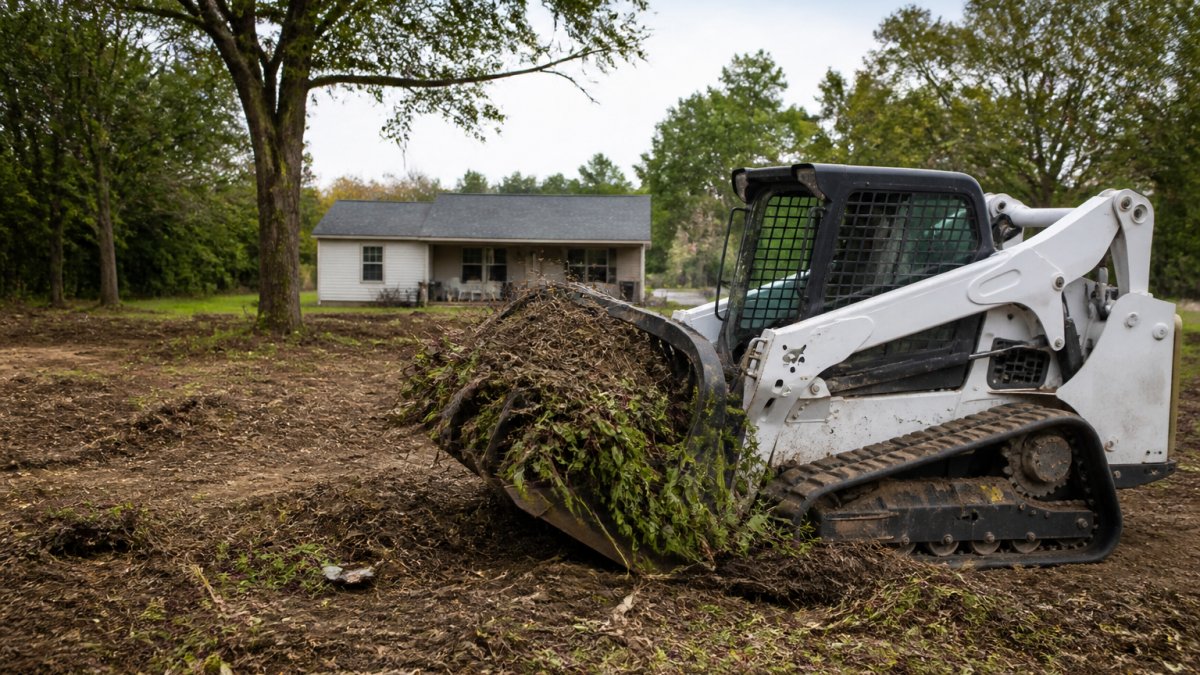
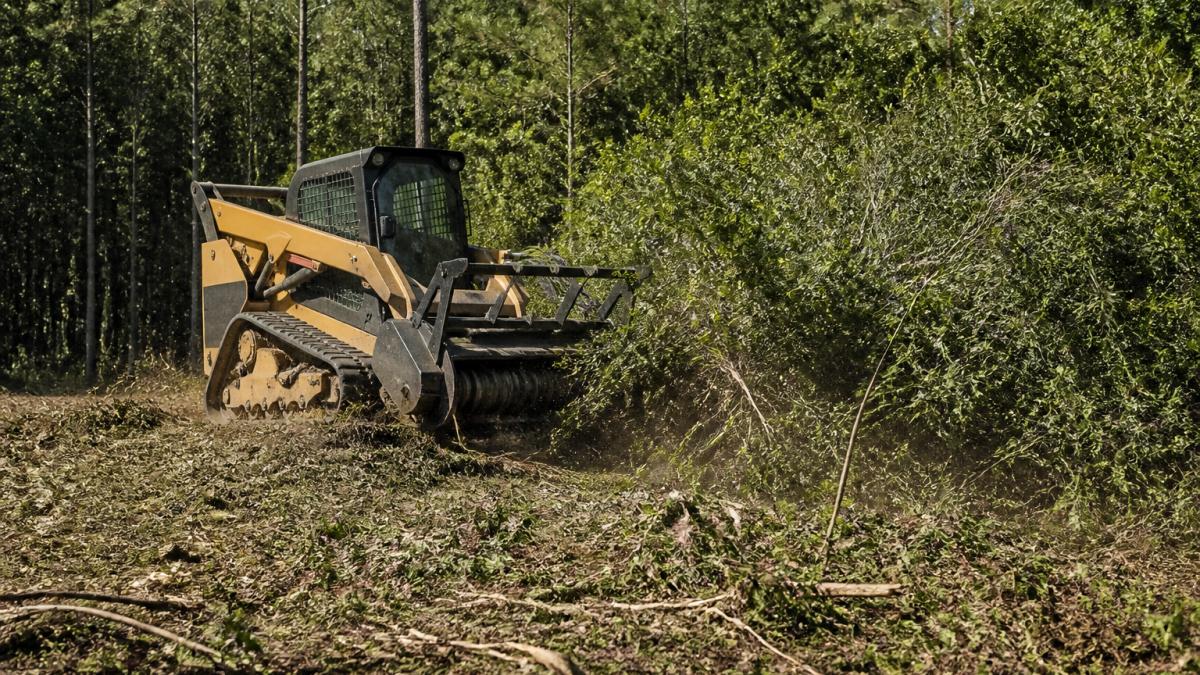
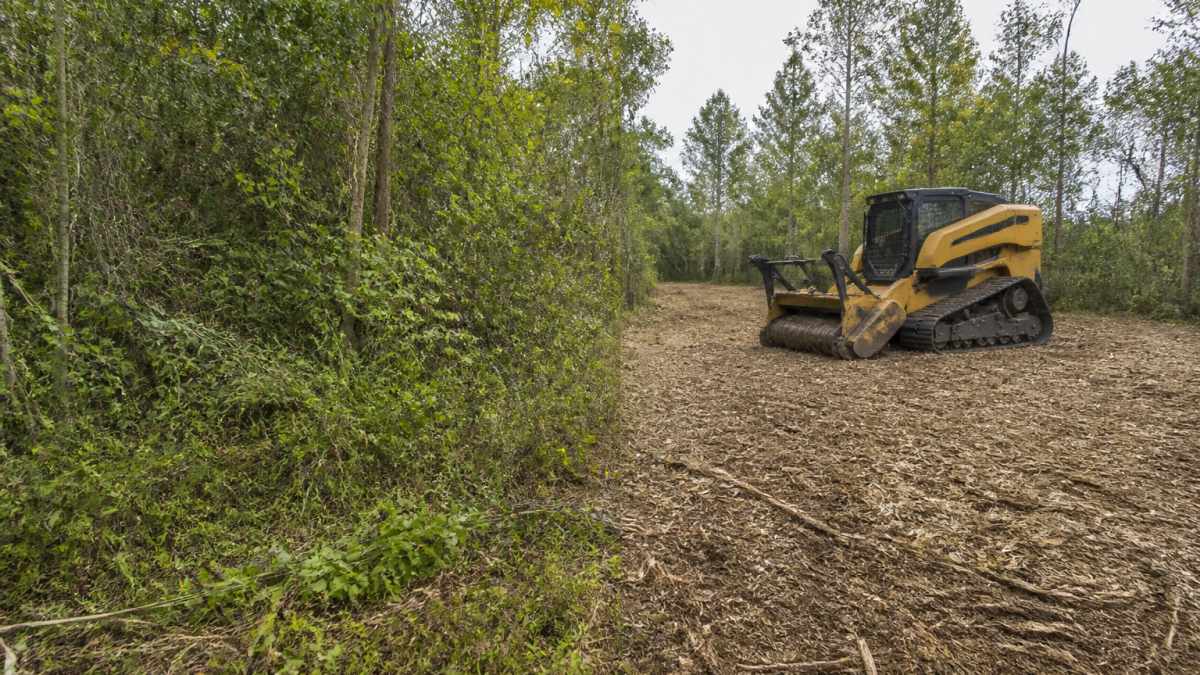
Mechanical removal (forestry mulching) is fastest for thick overgrowth; selective cutting preserves habitat structure and native plants. Cut late fall or winter (November-February). Equipment costs $100-$300/hour. Both methods work on steep terrain and wet ground better than fire and target invasive species, but can compact soil if not done carefully. Best for properties with dense invasive brush, limited acreage (5-50 acres), and areas where fire is not permitted.
Mowing and Strip Management
Mowing maintains open areas and reduces brush encroachment. Strip mowing (20-30 foot strips through brushy areas) creates wildlife corridors. Mow late summer (August-September) after nesting and brood-rearing. Annual mowing is least expensive and requires only a brush hog, but does not remove established woody brush. Best for small properties (under 20 acres) with moderate brush density.
Herbicide Application and Spot Treatment
Herbicide kills brush without mechanical disturbance. Treat late fall or early spring; avoid nesting (April-June) and brood-rearing (July-August). Effective on invasive species but can kill native plants turkeys depend on. Selective herbicides are safer but more expensive. Best for spot treatment of invasive species in otherwise healthy habitat.
Choosing Your Treatment: A Decision Framework
Match treatment to condition: dense brush (>50% coverage) needs mechanical removal or fire; moderate brush with invasives needs selective cutting + spot herbicide; open fields need annual mowing; scattered invasives need spot herbicide. Consider constraints: large acreage with budget = fire or mechanical removal; small acreage with limited budget = mowing or selective cutting; steep/wet terrain = mechanical removal; near structures = mechanical removal or mowing. Plan follow-up maintenance: mowing every 2-3 years or second burn in 3-5 years.
Timing Your Brush Management to Protect Nesting and Broods
Nesting season (April-June) and brood season (through August) require protection. Plan major brush work for fall and winter: fall (September-November) for removal and mowing; winter (December-February) for cutting and burns. Avoid brush management in active nesting and brood areas spring through August.
Measuring Success: How to Know Your Habitat is Working
Measuring habitat quality and turkey response requires a monitoring plan with specific metrics and success thresholds. Without measurement, you cannot tell whether your treatment worked.
Establish a Baseline Before Treatment
Document your property's current condition before treatment. Record brush density (visibility distance), vegetation composition with photos from fixed points, turkey sign (droppings, dust baths, scratching), and canopy cover (aim for 30-60%).
Track Turkey Presence and Nesting Activity
Monitor turkey presence: listen for gobbling at dawn/dusk (March-May), use trail cameras year-round in roosting and feeding areas, document nesting (hens in dense brush, poults in late May), and record brood sightings (June-August). Success threshold: see turkeys at least monthly during active season (March-October). If no turkeys after two years, consult a wildlife biologist.
Measure Understory Density and Structure
Measure understory regularly: record visibility distance at 10 points per habitat area (target 20-30 feet for feeding, 5-10 feet for cover) and brush height (target under 2 feet for feeding, 3-5 feet for cover). Measure quarterly (March, June, August, October). Success threshold: feeding areas maintain 20+ feet visibility and brush under 2 feet.
Monitor Native Plant Diversity and Insect Activity
Turkeys depend on native plants for food and insects for protein. Increasing plant diversity and insect abundance indicate that your habitat is improving.
Plant diversity count: In spring and summer, walk through your property and list all native forbs, grasses, and shrubs you see. Count the number of different species in each area. Aim for at least 15-20 native plant species in brood habitat.
- Good signs: Ragweed, beggar's lice, clover, native wildflowers, native grasses, oak and hickory seedlings
- Bad signs: Invasive species (multiflora rose, autumn olive, garlic mustard, fescue monoculture) dominating the area
Insect activity: In summer, observe insects in your brood habitat. Look for ants, grasshoppers, beetles, and spiders in open areas. Flip over logs and rocks to see what's underneath. More insects = better brood habitat.
- Ants: Critical for poults. Look for ant mounds in open ground. More mounds = better habitat.
- Grasshoppers: Abundant in mid-to-late summer. More grasshoppers in your habitat = more food for growing poults.
Photo points: Take photos from the same location each season. Compare photos year-to-year to see whether native plants are increasing and invasive species are decreasing.
Success threshold: Native plant diversity should increase by at least 5 new species within two years of treatment. Invasive species should decrease by at least 50% within three years. Insect activity should be visibly higher in treated areas compared to untreated areas.
Create a Monitoring Schedule and Log
Consistent monitoring is more valuable than occasional observations. Create a simple log to track your measurements.
Annual monitoring calendar:
- March: Baseline spring assessment; listen for turkeys; measure understory density
- May: Document nesting activity; count native plants
- July: Observe broods; measure brush height; assess insect activity
- September: Post-treatment assessment; measure understory; note invasive species
- November: Fall assessment; review trail camera footage; plan next year's treatment
Log template: For each monitoring date, record:
- Date and location
- Understory visibility distance (feet)
- Brush height (feet)
- Turkey sign observed (yes/no; type and location)
- Native plant species count
- Invasive species observed
- Photos from fixed points
- Notes on management work completed
Recognize Signs of Successful Habitat
After one to two years of consistent brush management, successful habitat shows:
- Turkey presence: Turkeys visible or heard at least monthly during active season
- Nesting documented: Hens on nests in spring; poults observed in summer
- Open understory: Visibility of 20+ feet in feeding areas; brush under 2 feet tall
- Native plant diversity: 15+ native plant species; invasive species declining
- Insect activity: Visible ants, grasshoppers, and beetles in open areas
- Consistent use: Turkeys returning to the same areas repeatedly; trail camera footage showing regular visits
Adaptive Management: Adjust if Results Are Not Appearing
If after two years you are not seeing the results you expect, adjust your approach.
If understory is still too dense: Your initial treatment was insufficient.
If brush is re-establishing quickly: Increase maintenance frequency. Mow annually instead of every two years, or plan a second prescribed burn sooner.
If turkeys are not using the habitat: Habitat structure may be correct, but turkeys may not be present in your area.
If invasive species are increasing: Spot-treat new invasive growth immediately. Invasive species outcompete native plants and reduce food quality for turkeys.
Measurement and adjustment are ongoing. The best habitat managers review their results every year and make small changes based on what they observe.
Common Mistakes to Avoid in Brush Management
Over-clearing is the biggest mistake. Removing all brush leaves turkeys exposed. They need dense cover nearby for escape.
Clearing too early in spring risks destroying nests. Hens nest in brush that looks dead in March.
Ignoring invasive species allows them to dominate. Invasive brush provides poor habitat and poor food sources. Regular treatment prevents invasion.
Using broad-spectrum herbicides kills native plants. Spot treatment is better for wildlife habitat. Mechanical removal preserves native vegetation structure.
Mowing during nesting season kills nests and broods. Timing is critical. Late summer mowing works.
Neglecting long-term maintenance allows habitat to degrade. Brush management is ongoing. Plan for 3-5 year cycles of treatment.
Effective brush management requires understanding what turkeys actually need: structured habitat with open understory, diverse native vegetation, and adequate cover. At SemperFi Land Clearing LLC, we offer free land assessments to evaluate your property's current habitat structure and recommend a management plan tailored to your goals.
Frequently Asked Questions
What is the best time of year to manage brush for wild turkey habitat?
Timing depends on your management method and nesting season. Late summer through early fall (August-October) is ideal for most brush management because nesting season has ended and broods are mostly independent. Avoid spring (March-May) when turkeys are nesting. If using prescribed fire, work with a professional to schedule burns during dormant season when vegetation is dry but weather is cool enough to control fire spread. Never manage brush during active nesting or early brood-rearing (April-June) without professional guidance.
How much brush should you leave for turkey habitat?
Turkeys need a mosaic of habitat types: open woodland with an open understory for movement and feeding, plus scattered patches of dense brush for cover and nesting. Aim for 30-50% open understory where turkeys can walk and see approaching predators, with 50-70% of your property in woody brush or dense cover. The exact balance depends on your habitat type, old fields need more brush establishment, while overgrown woodlands need thinning to create openness. A professional habitat assessment helps determine the right balance for your specific property.
Will brush grow back quickly after brush management?
Brush regrowth depends on the method and site conditions. Mechanical removal (forestry mulching) controls regrowth better than cutting alone because it removes root systems and creates a mulch barrier that suppresses new growth. Prescribed burning can actually reduce brush density long-term by favoring grasses and forbs over woody plants, though some brush will return. Herbicide spot treatment is effective for specific problem areas but requires follow-up treatment in 1-2 years. Combining methods, such as mechanical clearing followed by targeted herbicide or periodic mowing, gives the longest-lasting results.
What food sources should you maintain in turkey brood habitat?
Turkey broods need abundant insects and native vegetation, especially during the first 4-6 weeks when poults are small. Maintain areas with forbs (wildflowers and herbaceous plants), grasses, and clover that attract grasshoppers, beetles, and ants. Open understory in woodland allows broods to forage easily. Avoid heavy herbicide use that eliminates native plants and insects. In agricultural areas, leave strips of early-successional vegetation (old fields with mixed grasses and weeds) adjacent to woods. Native seed mixes can boost food availability if natural vegetation is limited.