 listicle
Best Land Clearing for Hunting Ranches: 7 Top Options
Table of Contents
- Why Land Clearing for Hunting Ranches Is Different From Standard Clearing
- Quick Comparison: 7 Land Clearing Options for Hunting Properties
- 1. SemperFi Land Clearing LLC: Best for East Texas Hunting Ranches
- 2. Cactus Creek Land Clearing: Best for Custom Shooting Lane Design
- 3. Truax Land Clearing: Best for Transparent Per-Acre Pricing
- 4. Lands Excavation: Best for Food Plot and Trail Development
- 5. Warren's Construction LLC: Best for Fast Overgrowth Reclamation
- 6. Fast Forward Plots: Best for Deer Hunting Land Preparation
- Forestry Mulching for Deer Habitat: What It Does to Browse and Cover
- How to Create Shooting Lanes on Hunting Land
- Cost of Land Clearing Per Acre: What Actually Drives the Number
- Regulatory and Environmental Compliance: The Part Most Guides Skip
- Managing Invasive Brush and Cedar on Hunting Land
- Enhancing Property Value and Functionality
- Timing Land Clearing for Hunting Season
- DIY vs. Professional Equipment Rental
- Long-Term Habitat Succession Planning
- Frequently Asked Questions
Last Updated: September 16, 2026
Why Land Clearing for Hunting Ranches Is Different From Standard Clearing
Best land clearing for hunting ranches is not the same job as clearing a suburban lot. The goal is not bare dirt but better habitat: protect browse, edge cover, and mature mast trees while removing brush that blocks movement. At SemperFi Land Clearing LLC, we see this distinction ignored constantly, and it is the biggest reason hunting land projects disappoint owners.
Standard clearing optimizes for a clean, buildable surface; hunting land clearing optimizes for deer and access.
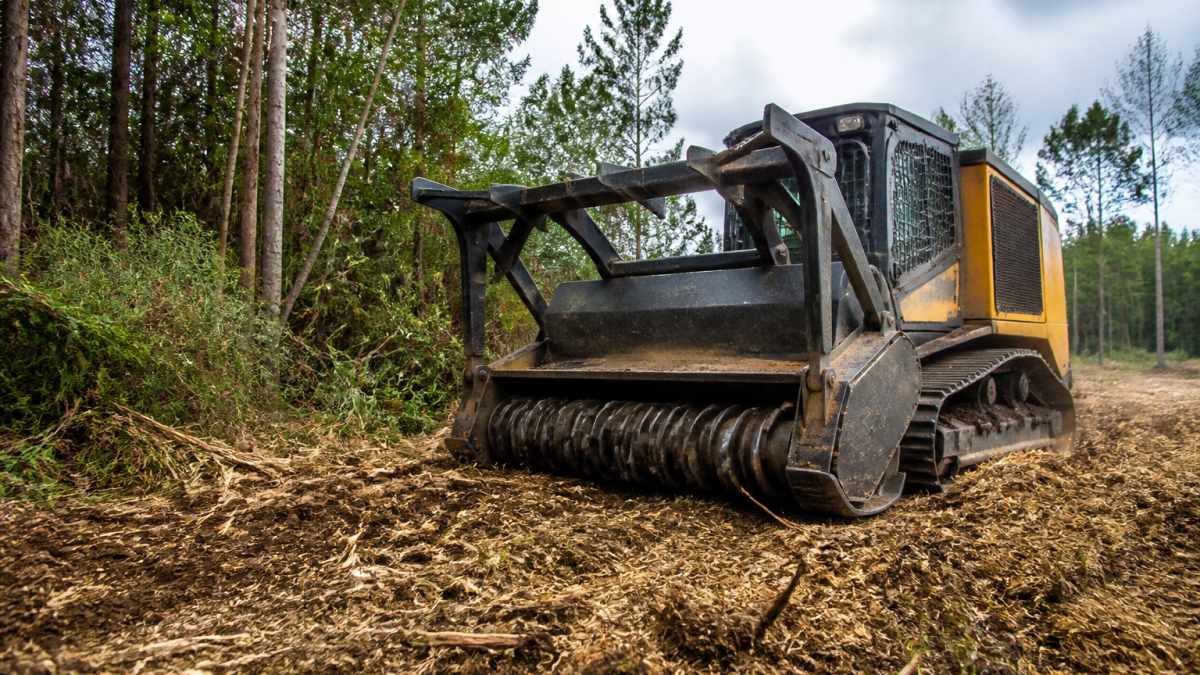
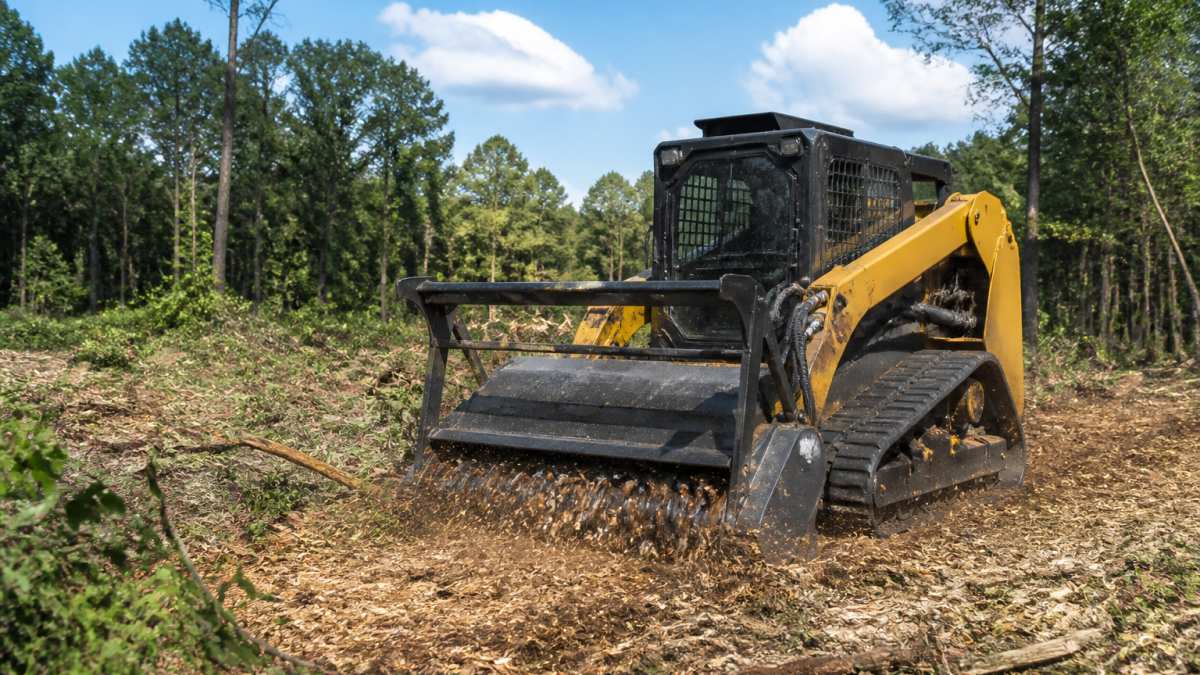
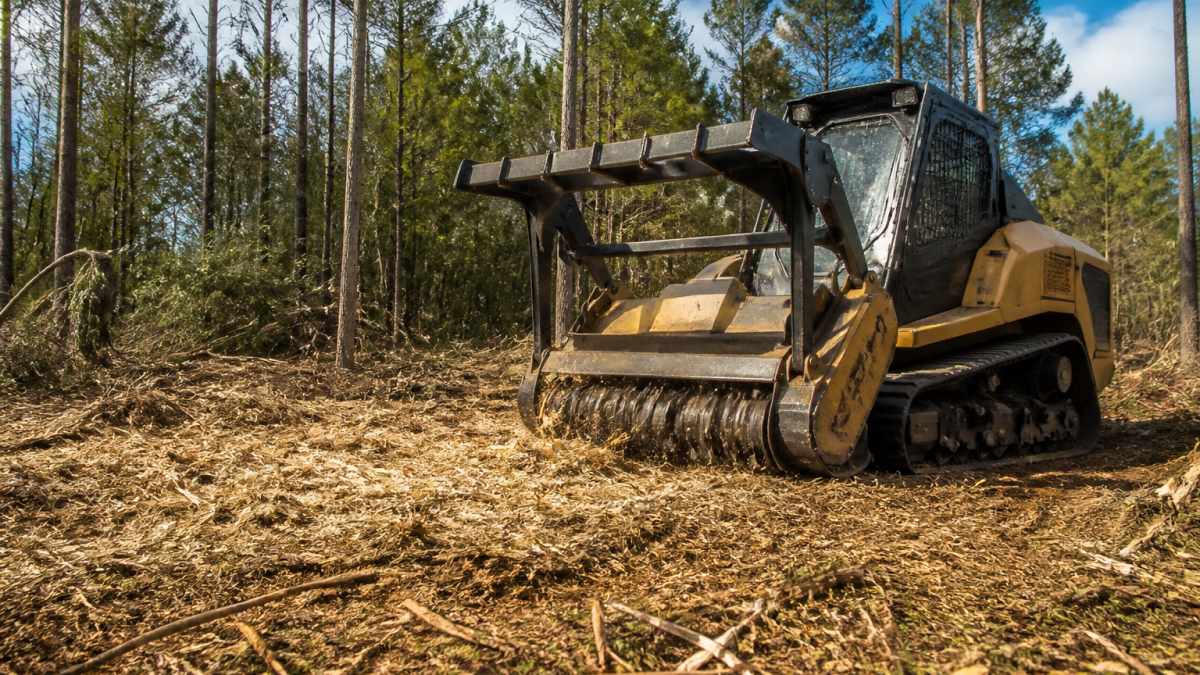
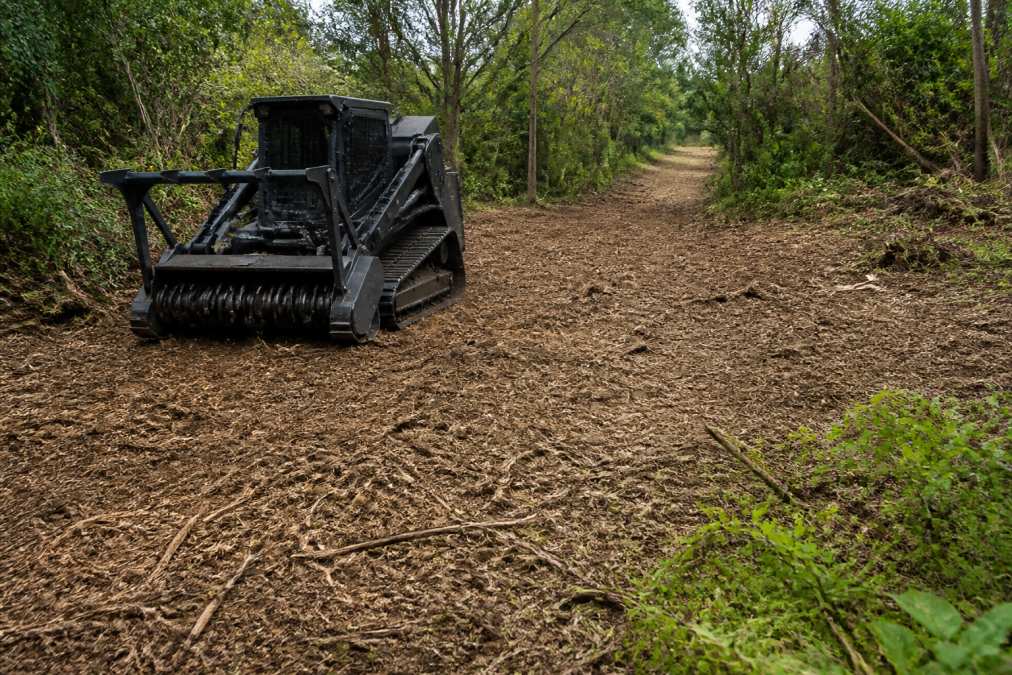
That difference changes every decision. A dozer pushes topsoil, seed bank, and root structure into piles. A forestry mulcher cuts vegetation at the surface and leaves the mulch in place, which holds moisture and feeds the soil instead of burying it. The USDA Natural Resources Conservation Service guidance on brush management makes the same point about site disturbance: what you leave on the ground matters as much as what you remove.
Quick Comparison: 7 Land Clearing Options for Hunting Properties
| Option | Best For | Standout Strength |
|---|---|---|
| SemperFi Land Clearing LLC | East Texas hunting ranches | Free assessment, 10 ft fence line work |
| Cactus Creek Land Clearing | Custom shooting lane design | Lane layout for visibility |
| Truax Land Clearing | Transparent per-acre pricing | Density-based estimates |
| Lands Excavation | Food plots and trails | Recreational land planning |
| Warren's Construction LLC | Fast overgrowth reclamation | Quick turnaround |
| Fast Forward Plots | Deer land preparation | Habitat timing guidance |
1. SemperFi Land Clearing LLC: Best for East Texas Hunting Ranches
SemperFi Land Clearing LLC is our top pick because the service is built around assessment first, machinery second. Every project starts with a free land assessment, so the plan reflects your actual vegetation density, terrain, and hunting goals instead of a generic acreage rate.
The team specializes in forestry mulching and 10 ft fence line clearing, covering the two jobs hunting ranch owners ask for most: opening travel corridors and reclaiming overgrown boundaries. As a veteran-owned business, the reputation rests on finishing what was quoted.
Pros:
- Free land assessment before any commitment
- Specialized 10 ft fence line clearing
- Forestry mulching that leaves mulch in place
- Veteran-owned and locally focused
Cons:
- Service area is concentrated in East Texas

2. Cactus Creek Land Clearing: Best for Custom Shooting Lane Design
Cactus Creek Land Clearing approaches the work from a hunter's perspective, designing hunting lanes around prevailing wind and deer movement rather than straight lines across a property.
The trade-off is cost predictability: pricing is project-based and depends heavily on vegetation density, so two identical-sized properties can produce very different quotes.
Pros:
- Lane design tied to actual hunting utility
- Terrain management that improves safety and navigation
Cons:
- Pricing varies widely with site density
3. Truax Land Clearing: Best for Transparent Per-Acre Pricing
Truax Land Clearing publishes a density-adjusted pricing structure, useful when budgeting a large pasture reclamation: a base rate per acre adjusted for terrain difficulty, so you can see where the cost comes from.
Pros:
- Clear base rate structure for planning
- Effective on large-scale pasture reclamation
Cons:
- Final cost fluctuates with terrain difficulty
4. Lands Excavation: Best for Food Plot and Trail Development
Lands Excavation handles the full recreational package: food plot preparation, shooting lane and trail development, and planning around specific hunting goals, bundling access improvements and site prep with one crew.
Pros:
- Comprehensive site preparation
- Planning expertise for specific hunting objectives
Cons:
- Limited service area
5. Warren's Construction LLC: Best for Fast Overgrowth Reclamation
Warren's Construction LLC moves quickly on overgrown acreage, using forestry mulching to reclaim hunting land left fallow for years and clearing access roads and trails in the same pass.
Pros:
- Fast turnaround on overgrown acreage
- Restores hunting land to usable condition
Cons:
- Limited online booking and information
6. Fast Forward Plots: Best for Deer Hunting Land Preparation
Fast Forward Plots brings deep deer-habitat knowledge to land preparation, including food plot design, forestry mulching for lane creation, and advice on timing and permitting, clearing in the wrong season can set your habitat back a full year.
Pros:
- Specialized deer habitat expertise
- Guidance on timing and permits
Cons:
- Regional service focus
Forestry Mulching for Deer Habitat: What It Does to Browse and Cover
How to Create Shooting Lanes on Hunting Land
Creating shooting lanes on hunting land means clearing narrow strips that give you a clear line of sight to a stand or feeder without turning the property into open field. Most successful lanes run 15 to 30 feet wide and follow existing deer travel routes.
Work in this order:
- Walk the property and mark existing deer trails, rub lines, and bedding areas
- Identify stand locations first, then work backward to the lanes that serve them
- Clear lanes along the prevailing wind direction so your approach stays undetected
- Leave a screen of vegetation between lanes to break up your silhouette
- Mulch the cut material in place instead of piling it
- Revisit after one season and widen only the lanes that need it
Cost of Land Clearing Per Acre: What Actually Drives the Number
Cost of land clearing per acre in this category is not a single number, because density, terrain, and access move it more than acreage does. A lightly brushed pasture and a cedar-choked draw are different jobs even at the same size.
What drives the quote:
- Vegetation density and stem size. Small saplings mulch quickly; mature hardwoods require different equipment and handling.
- Terrain. Slopes and soft ground slow equipment and increase risk.
- Access. If machinery cannot reach the work area, you pay for the workaround.
- Debris handling. Mulching in place costs less than hauling material off site.
- Regulatory factors. Wetlands, waterways, and protected species can require permits or seasonal restrictions.
Regulatory and Environmental Compliance: The Part Most Guides Skip
Clearing hunting land can trigger federal, state, and local requirements. Two areas catch landowners off guard.
Managing Invasive Brush and Cedar on Hunting Land
Invasive brush and cedar quietly destroy hunting land value. Cedar forms dense stands that shade out native grasses and forbs; once it closes canopy, browse disappears and deer move on.
Enhancing Property Value and Functionality
Cleared, functional hunting land sells differently than overgrown acreage. When a buyer can walk the property, see the lanes, and picture where a stand goes, the land reads as managed rather than neglected, which is why regional agents use clearing to improve listing visibility.
Timing Land Clearing for Hunting Season
Schedule clearing in late winter or early spring if you want the property huntable the same year: new growth gets a full growing season to establish before fall, and you avoid disturbing deer during the season.
DIY vs. Professional Equipment Rental
Renting equipment and doing the work yourself looks cheaper until you price it honestly. An excavator mulcher or skid steer with a mulching head rents by the day, and experienced operators clear far more ground per hour than a first-timer.
Long-Term Habitat Succession Planning
Habitat succession is the long game, the difference between land that improves every year and land that reverts. Aim for a mosaic: young regrowth in some blocks, mid-stage cover in others, and mature mast-producing trees left standing throughout.
Frequently Asked Questions
What is the average cost of land clearing per acre for a hunting ranch?
Costs vary widely with vegetation density, terrain, and access. Get a site-specific assessment before budgeting.
How does forestry mulching for deer habitat improve hunting?
Forestry mulching for deer habitat knocks back dense understory and invasive brush, which opens the canopy and lets native grasses and forbs return. That new growth becomes browse, and the cut material left on the ground feeds soil microbes instead of being burned or hauled off. The result is more edge, more food, and better visibility from a stand.
How do you create shooting lanes on hunting land without ruining the habitat?
Plan lanes 20 to 30 yards wide, angled to prevailing winds, and cut only what blocks your sightline. Leave mast-producing oaks and cedars that provide thermal cover. Mulch the cut brush in place rather than dozing it into piles, which preserves topsoil and keeps the lane usable. Re-cut every two to three years as regrowth fills in.
Does land clearing scare deer away or attract them?
Disturbance pushes deer off for a few days to a few weeks, but the regrowth that follows pulls them back in larger numbers. Fresh browse, edge habitat, and new food plots are strong attractants. Time heavy clearing right after hunting season closes so the property has months to recover before fall.
How many acres can a forestry mulcher clear in a day?
A tracked excavator mulcher typically clears one to three acres per day in moderate brush, and less in heavy cedar or dense hardwood saplings. Light pasture reclamation can run higher. Density, terrain, rock, and operator skill all move the number. Ask for a per-acre or per-day estimate based on your actual vegetation.