 How-to
Why Pasture Regrowth Gets Aggressive After Clearing
Last Updated: November 12, 2026
Quick Summary
Aggressive pasture regrowth after clearing happens because removing top growth frees up light, water, and nutrients for the plants left behind, while stored energy in their roots fuels fast new shoots. Exposed soil also wakes dormant seeds, so the flush often includes weeds as well as desirable grass.
- Clearing removes competition for sunlight, water, and nutrients, so remaining plants grow quickly.
- Plants store energy in roots, rhizomes, and crowns, which powers the first flush of new shoots.
- Bare mineral soil exposes dormant seeds, while mulch or thatch helps slow weed germination.
- Clearing during spring or fall flushes can make regrowth explode, since light, moisture, and reserves line up.
- Identify regrowth types before treating, since desirable grasses, woody sprouts, and broadleaves each need different responses.
Table of Contents
- Why Clearing Triggers Such Strong Pasture Regrowth
- Diagnosing What Is Actually Growing Back
- Will Pasture Reseed Itself After Clearing?
- How Long to Rest Pasture After Grazing and Clearing
- A Step-by-Step Plan to Manage Regrowth
- Frequently Asked Questions
Clearing a pasture often leaves ranchers wondering why green growth returns so fast and so thick. If your pasture regrowth is aggressive after clearing, you are not doing anything wrong. This is one of the most common questions landowners ask. The short answer: cleared ground wakes up plant roots that were already waiting, and the right response depends on what is coming back.
Why Clearing Triggers Such Strong Pasture Regrowth
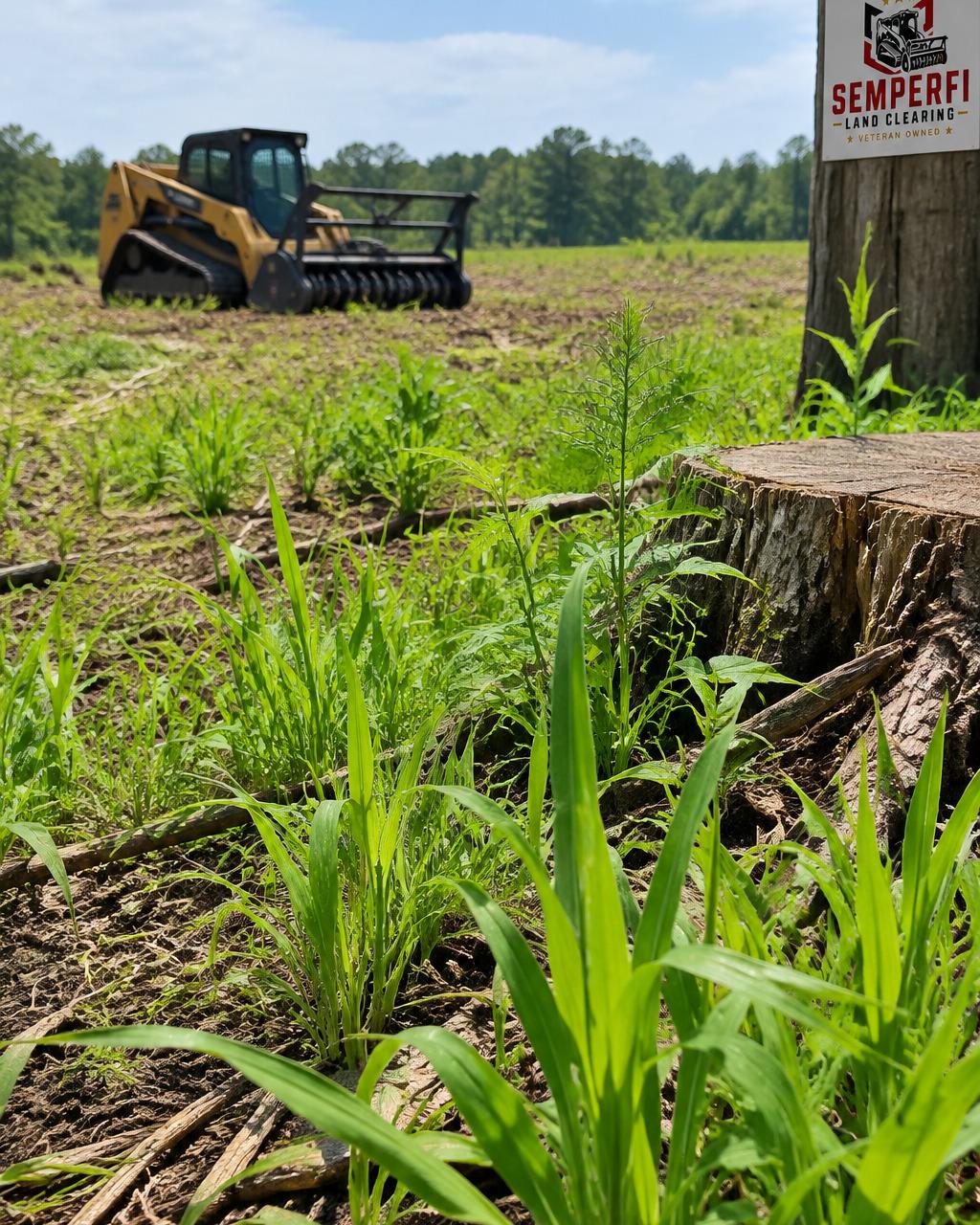
Aggressive regrowth after clearing is not a sign you did something wrong. It is the predictable result of three things happening at once: competition is removed, soil is disturbed and exposed, and existing plants still hold stored energy in their roots and crowns.
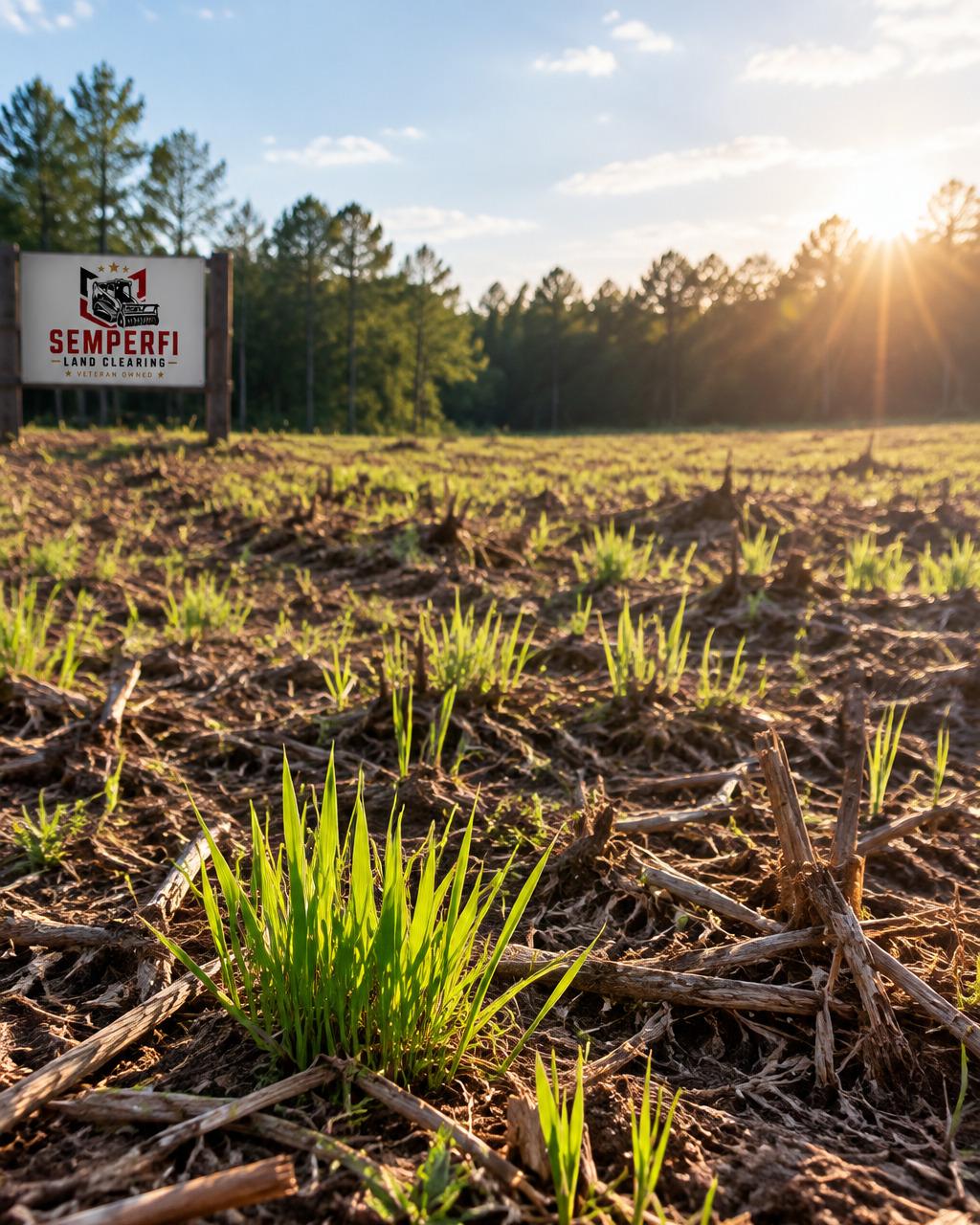
Reduced competition releases light, water, and nutrients
Before clearing, taller growth intercepted most of the sunlight, and its roots drew down soil moisture and nutrients. Once that top growth is gone, the plants left behind get full sun, more available water, and a larger share of soil nutrients.
Exposed soil and the seed bank
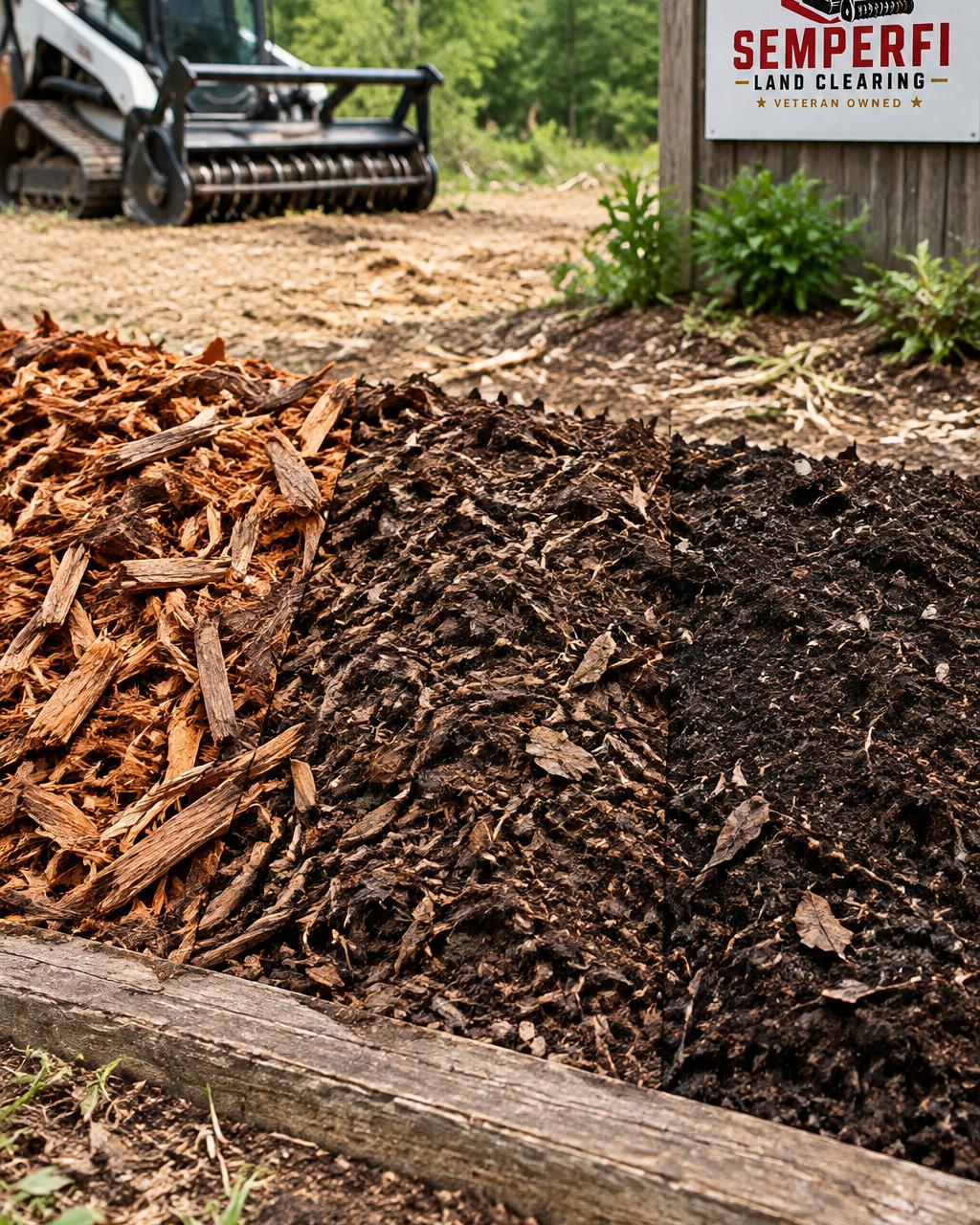
Clearing also changes the soil surface. Methods that leave bare mineral soil, such as tillage or heavy scraping, expose seeds dormant in the seed bank for years. Those seeds germinate quickly once they get light and moisture, which is why bare ground often greens up with weeds and coarse grasses before desirable forage fills in. Methods that leave mulch or thatch shade the soil surface and moderate temperature and moisture, which tends to slow weed germination and favor plants that spread from roots and crowns.
Stored root reserves fuel the first flush
Most pasture grasses and many woody plants store carbohydrates in their roots, rhizomes, and root crowns. Before clearing, that energy was spent keeping the plant alive under shade and crowding. After clearing, the plant sends stored energy into new shoots, which is why regrowth can look vigorous even when the soil is not especially fertile.
How the clearing method shapes the flush
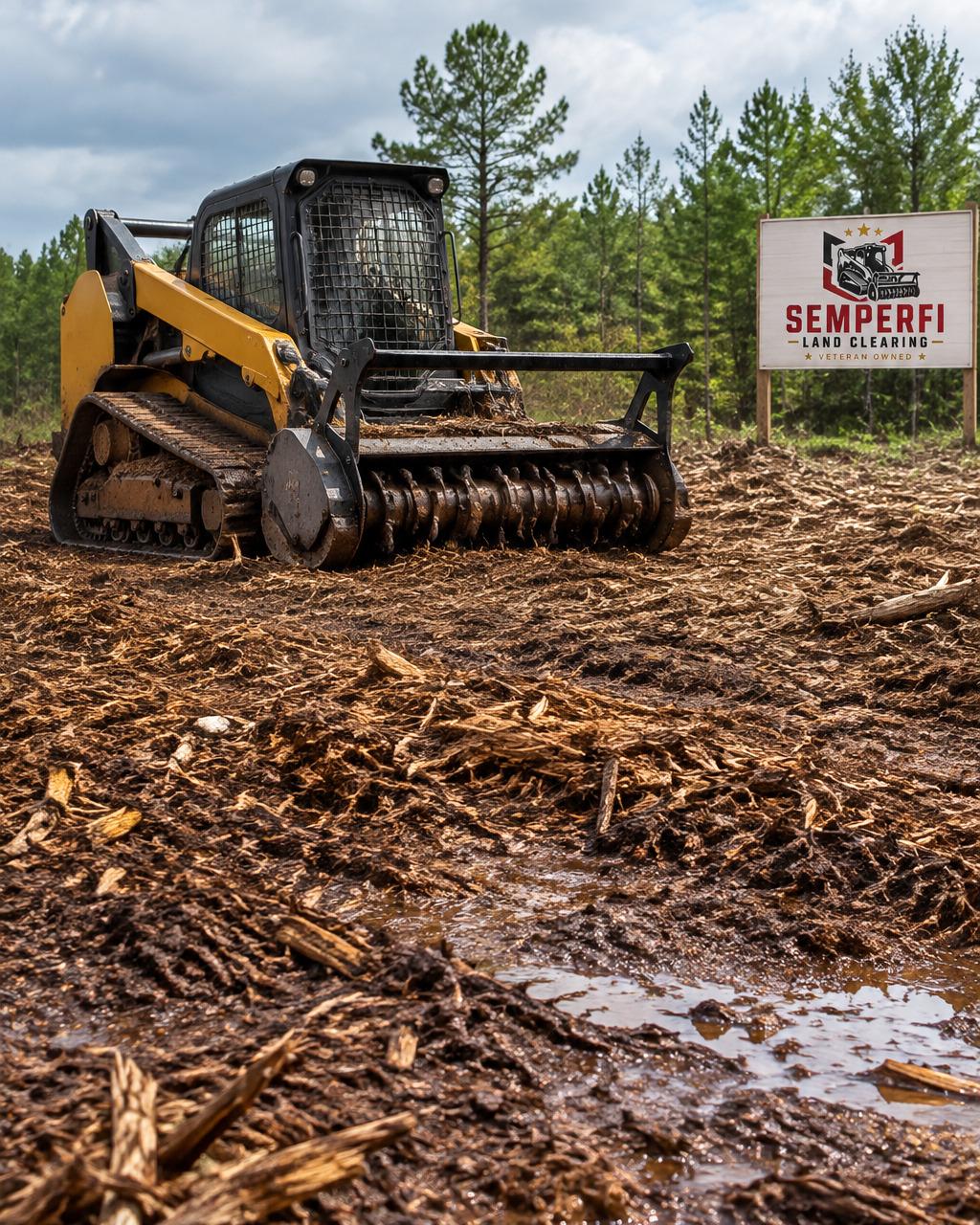
Different clearing methods create different regrowth conditions, and the difference is large enough to change your management plan:
- Tillage or disking: exposes bare soil and mixes the seed bank into the germination zone. Expect faster weed and volunteer grass germination and a more mixed stand.
- Brush removal with bare-soil exposure: removes shade but leaves mineral soil, which favors pioneer weeds and woody sprouts.
- Herbicide followed by clearing: removes top growth and may reduce root reserves in treated plants, but the flush depends on what survived and what seed is in the soil.
Why spring and fall flushes make it worse
Cool-season grasses push the strongest growth in spring and fall, when temperatures are mild and moisture is usually available. Clear during one of these flushes and the regrowth can explode because light, moisture, and stored reserves all line up at once.
Clearing during a spring flush and then leaving the ground bare can encourage a weed-dominated stand, because the seed bank and the released roots are both primed at once.
Diagnosing What Is Actually Growing Back
Before you decide how to respond, identify what is coming up. Desirable forage grasses, rhizomatous grasses, woody sprouts, and broadleaf weeds need different treatment, and treating everything the same way can set back the pasture you want to keep.
Separate the regrowth into four groups
Walk the cleared area and sort what you see into four groups. Each one calls for a different response:
- Desirable forage grasses: thin, even stands of narrow blades that tiller from the base. These are the plants you want to protect and encourage.
- Rhizomatous or sod-forming grasses: coarse grasses that spread by underground stems and form dense patches. They can be useful forage but spread aggressively and are hard to remove once established.
- Woody sprouts: stems with bark, buds, or woody tissue, often sprouting from cut stumps or roots. These need targeted control before they thicken.
Field identification cues that actually separate the groups
Look at the base of the plant, not just the leaf. Dig up one or two plants from each patch and check:
- Leaf shape and arrangement: narrow blades with parallel veins usually mean grass; broad leaves with netted veins point to broadleaf weeds.
- Stem structure: woody stems with bark or buds indicate brush regrowth; soft green stems indicate herbaceous growth.
- Growth habit: clumps that tiller outward from a crown are usually bunch grasses; patches that spread in a mat are usually rhizomatous or sod-forming.
If you are not sure, take photos and ask your local county extension office to identify the plants. Getting the species right is the first step toward controlling it without harming the grass you want.
Check soil, fertility, and moisture before you treat
Regrowth vigor is also a soil story. Before choosing a control method, check three things:
- Bare ground: estimate how much of the surface is exposed. Large bare patches favor weed germination and signal that you need cover or reseeding.
- Soil moisture: dig a handful of soil. Dry, dusty soil slows forage recovery and favors drought-tolerant weeds; consistently wet soil may favor different species entirely.
- Fertility: a basic soil test through your county extension office tells you pH, phosphorus, potassium, and lime needs. Depleted or acidic soil slows desirable grasses and gives weeds an edge.
The most aggressive regrowth usually appears where soil was disturbed and left bare, not where the best forage was before clearing. That pattern tells you whether the flush is a seed-bank problem, a root-reserve problem, or a fertility problem.
Match the diagnosis to a response
Once you know what is growing, the response becomes clearer:
- Mostly desirable forage: protect it with rest and light grazing, and reseed only the bare spots.
- Mostly rhizomatous grass: manage with timed mowing or grazing and avoid spreading root fragments during any tillage.
- Mostly woody sprouts: spot-treat while young and small, before stems thicken.
Watch out: spraying broadly before you know what is growing can damage good grass along with the weeds, and it removes the desirable plants that would otherwise compete with the next flush.
Before choosing a response, sort the regrowth into groups, since each calls for different treatment.
| Regrowth type | What it looks like | Response |
|---|---|---|
| Desirable forage grasses | Thin, even stands of narrow blades that tiller from the base | Protect with rest and light grazing; reseed bare spots |
| Rhizomatous or sod-forming grasses | Coarse grasses spreading by underground stems in dense patches | Timed mowing or grazing; avoid spreading root fragments during tillage |
| Woody sprouts | Stems with bark or buds, sprouting from stumps or roots | Spot-treat while young and small, before stems thicken |
| Broadleaf weeds and seedlings | Soft-stemmed plants with broad, netted-vein leaves | Improve cover and fertility first, then spot-treat where needed |
Will Pasture Reseed Itself After Clearing?
Yes, pasture can reseed itself, but it does not always do so in the mix you want. Native seed in the soil may sprout, and existing plants may spread through roots and seed. The result depends on what was there before and how the land is managed afterward.
If you want a specific forage mix, seeding by hand or with equipment after clearing gives you more control. Our team at SemperFi Land Clearing LLC can help you plan which option fits your land, and you can learn more about how pasture recovers after forestry mulching. For a closer look at timing and what to expect, see whether grass will grow after forestry mulching.
How Long to Rest Pasture After Grazing and Clearing
Give the pasture time to recover before you graze it again. Grazing too soon can stress new roots and slow the regrowth you worked to get.
Rest periods vary with weather, soil moisture, and grass species. Dry conditions stretch recovery time; wet, mild seasons speed it up. Watch the plants, not the calendar. When roots are firm and the grass has regrown well above the ground, resume grazing carefully.
A Step-by-Step Plan to Manage Regrowth
Managing aggressive regrowth takes a sequence, not a single fix. Here is a practical order to follow:
- Identify the plants. Confirm which growth is forage and which is unwanted.
- Time your first treatment. Target the regrowth while it is young and small.
- Control undesirables selectively. Use targeted methods so you do not damage the forage you want to keep.
- Protect the root system. Avoid grazing or mowing too low while roots rebuild.
- Rest the pasture. Give the grass time to recover before heavy grazing.
- Check your moisture and soil. Dry or depleted soil slows recovery and invites weeds.
- Reseed bare spots. Fill gaps with the forage mix you want so weeds have less room to take over.
- Monitor and repeat. Walk the pasture each month for the first year and treat new sprouts early.
Frequently Asked Questions
Why does pasture grass grow back so quickly after clearing?
Clearing removes the top growth, but the root system and its stored energy remain intact. Once sunlight and moisture reach the ground, the plants draw on those reserves to push out new shoots fast. Clearing also opens the canopy and exposes soil, which lets fast-growing, weedy species compete. Aggressive regrowth is a normal response to disturbance and usually slows once the root system is rebuilt and the stand is managed with proper grazing or mowing height.
How do I control aggressive pasture regrowth after clearing?
Start by identifying what is growing back, since desirable forage and undesirable weeds need different responses. Keep livestock off newly cleared areas until plants reach a healthy height, and mow regrowth before seedheads form. Test soil fertility and pH, since imbalances favor weeds. Where specific weeds persist, use targeted spot treatment rather than broadcast applications, so desirable pasture grasses are not damaged. Monitor the area monthly through the first growing season.
Will pasture grass reseed itself after clearing?
Often, yes, but not always in the mix you want. Cool-season and warm-season grasses that survived clearing can spread by seed or by rooting from stolons and rhizomes. However, weedy species that produce large seed loads frequently colonize bare soil first. If desirable grasses are sparse, overseeding with a suitable forage mix after the soil is prepared gives you more control over the outcome than waiting for natural reseeding.
How long should I rest a pasture after grazing or clearing?
Rest periods depend on plant growth stage, season, and recent disturbance. Freshly cleared ground generally needs several weeks to a few months before grazing, so roots can rebuild reserves. Grazing too early before the plants reach a sufficient height weakens recovery and invites weeds. Use plant height as your guide rather than a calendar date, and avoid grazing during dry spells when recovery is slow.