 how-to
How to Restore Pasture Without Tilling
Table of Contents
- Assessing Your Pasture and Identifying the Problem
- Choosing the Right No-Till Pasture Seeding Methods
- Best Time to Overseed Pasture for Maximum Success
- Achieving Proper Pasture Seed-to-Soil Contact
- Managing Grazing After Pasture Seeding
- Controlling Weeds and Competing Grasses
- Selecting Forage Species Suited to Your Site
- Troubleshooting and Measuring Success
- Frequently Asked Questions
Last Updated: October 9, 2026
Assessing Your Pasture and Identifying the Problem
Restoring pasture without tilling starts with understanding what went wrong. At SemperFi Land Clearing LLC, we've helped landowners across East Texas diagnose pasture problems before attempting any seeding work.
Poor pasture condition doesn't happen overnight. It's usually the result of years of grazing pressure, soil depletion, or neglect. Before you invest time and money into seeding, you need to know whether your pasture needs renovation or just management adjustments.
Signs of Poor Pasture Condition
Look for these visible markers of a struggling pasture:
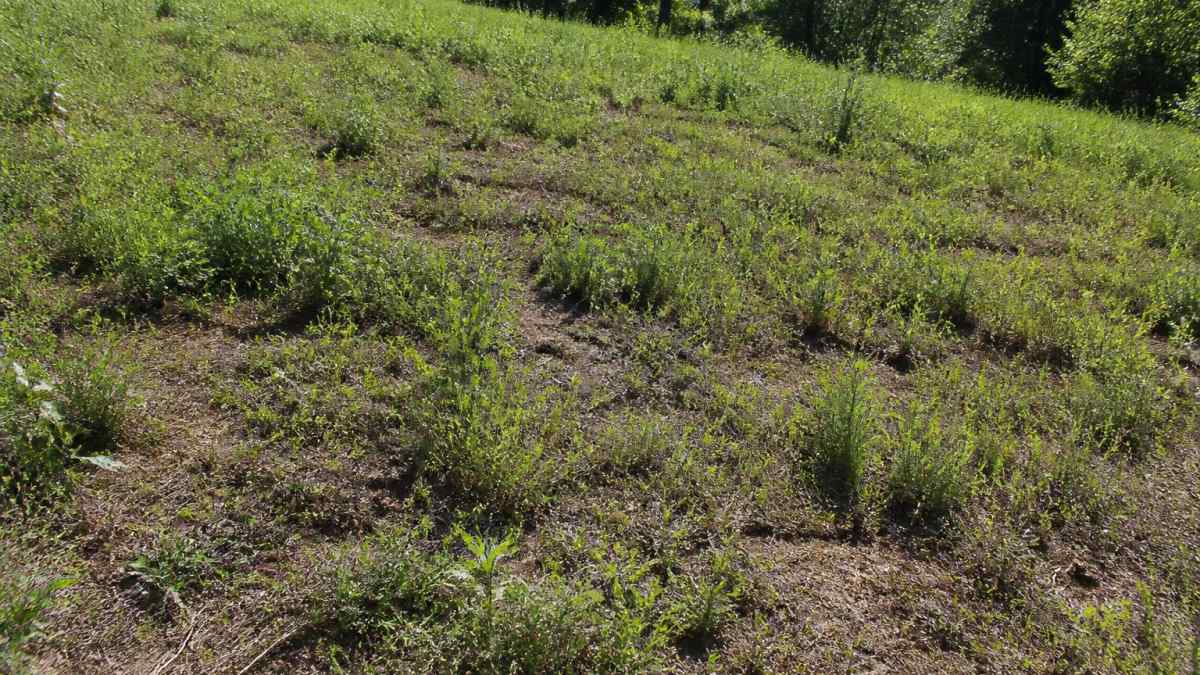
- Bare patches or thin stand density across large areas
- Thick weed pressure, especially invasive species like fescue or clover
- Compacted soil that sheds water instead of absorbing it
- Low forage yield, even during the growing season
- Livestock avoiding certain areas of the pasture
These signs tell you the pasture has lost its competitive edge. Desirable grass species have been crowded out. Weeds and poor-quality plants have taken over. The soil underneath may be depleted of nutrients or have pH that doesn't support good forage growth.
Testing Soil pH and Nutrient Levels
A soil test is non-negotiable before you restore pasture without tilling. You can't fix what you don't measure.
Send a sample to your local agricultural extension office. They'll tell you:
- Soil pH (most forages prefer 6.0 to 7.0)
- Potassium levels
- Phosphorus availability
- Organic matter content
If your pH is too low, you'll need to add lime before seeding. If potassium is depleted, your new seedlings won't establish well. A soil test can save you hundreds in wasted seed and failed attempts.
Choosing the Right No-Till Pasture Seeding Methods
You have several options to restore pasture without tilling. Each has trade-offs in cost, equipment, labor, and timing. Choosing the right method depends on your acreage, budget, and how quickly you need results.
No-Till Drilling with a Forage Drill
A forage drill (also called a no-till drill) is the gold standard for pasture restoration. It cuts through existing sod, deposits seed at consistent depth, and closes the furrow behind it. Seed-to-soil contact is excellent, which means germination rates are high.
The downside: you need access to the equipment. Rental costs vary, but many contractors own forage drills and will do the work for you. This method works best on existing pasture that's not too overgrown.
Overseeding Without Equipment
If you don't have access to a forage drill, you can overseed into existing sod using simpler methods. Broadcast seed by hand or with a spreader, then use a cultipacker or roller to press seed into the soil. This creates enough seed-to-soil contact for germination.
Results are less consistent than drilling. Some seed will land in good contact. Some won't. You'll need higher seeding rates to compensate. But it's cheaper and requires no specialized equipment.
Frost Seeding and Temporary Grazing Adjustments
Frost seeding works in late winter or early spring. Freeze-thaw cycles help work seed into soil cracks. You broadcast seed onto frozen or partially frozen ground. As temperatures warm and the soil thaws, seed works into contact with soil.
This method requires patience and luck with weather. It's free or cheap, but germination is unpredictable. Temporary grazing adjustments (excluding livestock from problem areas for 60-90 days) can also help existing plants recover and reduce competition for new seedlings.
Best Time to Overseed Pasture for Maximum Success
Timing makes or breaks pasture restoration. Seed at the wrong time and you'll watch it fail to germinate or get choked out by existing plants.
Spring and Fall Seeding Windows
Spring seeding (mid-April through May) gives seedlings a full growing season to establish. Soil is warming, moisture is usually adequate, and you have months before drought stress arrives. Spring is the most forgiving window.
Fall seeding (late August through September) also works well. Cool temperatures reduce stress on young seedlings. Fall moisture helps germination. Seedlings have time to develop roots before winter dormancy.
Avoid summer seeding. Heat stress kills germinating seed. Existing plants are growing vigorously and will outcompete new seedlings. Winter seeding rarely works, seed won't germinate in cold soil.
Seasonal Germination and Establishment
Cool-season grasses (the most common choice for pasture) germinate in soil temperatures between 50°F and 65°F. They grow fastest in spring and fall. In summer, they slow down. In winter, they go dormant.
Warm-season grasses germinate at 60°F to 70°F and grow best in summer. If you're planting warm-season species, wait until late May or June when soil is consistently warm.
Seedlings need 4 to 6 weeks of undisturbed growth to establish a strong root system. Plan your seeding so this establishment window falls during a favorable season.
Achieving Proper Pasture Seed-to-Soil Contact
Seed-to-soil contact is the single biggest factor in germination success. Without it, seed dries out and fails to sprout. With it, germination rates jump dramatically.
Preparing the Undisturbed Surface
If you're not using a forage drill, you need to prepare the surface so seed can make contact with soil. Remove dead plant material (thatch) if it's more than a quarter-inch thick. Mow existing pasture short, 2 to 3 inches. This reduces competition and opens the canopy.
For severely overgrown areas, you may need to chemically terminate existing vegetation first. Herbicide kills the sod, leaving a dead mat. This sounds counterintuitive, but the dead sod actually helps protect seed from erosion and drying out. It breaks down over weeks, releasing nutrients.
Seeding Depth and Placement Techniques
Most pasture seed is small. Plant it too deep and it won't have energy to reach the surface. Plant it too shallow and it dries out.
Target depth: one-quarter inch to one-half inch for most grasses. Legumes (like clover) go slightly shallower, one-quarter inch. Broadcast seed, then use a cultipacker, roller, or even your tractor tires to press seed into soil. This creates the contact you need.
If you have a forage drill, it handles depth automatically. If you're broadcasting by hand, rake lightly after seeding to work seed into surface soil.
Managing Grazing After Pasture Seeding
This is where many restorations fail. Livestock can destroy seedlings before they're established.
Grazing Exclusion During Establishment
Exclude livestock for 60 to 90 days after seeding. This gives seedlings time to develop roots and reach 3 to 4 inches in height. Once seedlings are this established, they can tolerate some grazing pressure.
Mark off the seeded area with temporary fencing. It's worth the effort. One day of grazing during the first month can set back seedling development by weeks.
Monitoring Seedling Growth and Readiness
Check seedlings every two weeks. Look for:
- Germination within 7 to 14 days (depending on temperature and moisture)
- Seedling height reaching 2 to 3 inches by week three
- Root development visible when you gently pull a seedling
- Stand density that looks adequate for your target forage yield
Once seedlings are 3 to 4 inches tall and have visible root development, light grazing is okay. Start with short grazing periods (a few hours) and watch how plants recover. If they bounce back within a few days, you can increase grazing time.
Controlling Weeds and Competing Grasses
Weeds and low-quality grasses will try to outcompete your new seedlings. Managing this competition is critical.
Chemical Termination of Existing Sod
If your existing pasture is heavily weeded or dominated by poor-quality grass, consider herbicide termination before seeding. Glyphosate (Roundup) is the most common choice. It kills existing vegetation, leaving a dead mat.
Wait 7 to 10 days after herbicide application before seeding. This gives the chemical time to work and existing plants time to die back. The dead sod protects seed from erosion and maintains moisture.
Managing Competition During Establishment
During the first 60 to 90 days, seedlings are vulnerable. Hand-pull large weeds if you have small acreage. For larger areas, wait until seedlings are established, then consider a selective herbicide that targets broadleaf weeds without harming grasses.
Mowing can also control weed competition. Once seedlings are 4 to 5 inches tall, mow to 3 inches. This removes weed seed heads and reduces weed competition without damaging seedlings.
Selecting Forage Species Suited to Your Site
The best forage species for your pasture depends on climate, soil type, and intended use. Choosing wrong means poor performance and wasted effort.
Species-Specific Seeding Rates and Timing
Cool-season grasses like orchardgrass, timothy, and fescue work well across most of the region. Warm-season grasses like bermudagrass and bluestem are options in southern areas with hot summers. Legumes like clover add nitrogen and improve forage quality.
Seeding rates vary by species:
- Orchardgrass: 8 to 12 pounds per acre
- Timothy: 8 to 10 pounds per acre
- Fescue: 10 to 15 pounds per acre
- Bermudagrass: 10 to 20 pounds per acre
- Clover: 2 to 4 pounds per acre (usually mixed with grass)
These rates assume you're broadcasting into prepared sod. If you're using a forage drill, you can reduce rates slightly because seed placement is more efficient.
Matching Forage to Climate and Soil Type
Your soil test results should guide species selection. Acidic soils (pH below 6.0) favor fescue and some clover varieties. Neutral to slightly alkaline soils (pH 6.5 to 7.5) suit orchardgrass and timothy.
Wet soils need species that tolerate poor drainage. Timothy and sedges handle moisture better than orchardgrass. Dry soils need drought-tolerant species like fescue or bermudagrass.
Temperature and rainfall also matter. Cool-season grasses thrive where winters are cold and summers are mild. Warm-season grasses need hot summers and can handle drought better. Choose species adapted to your local climate.
Troubleshooting and Measuring Success
Not every restoration goes perfectly. Understanding common failures helps you prevent them.
Common Seeding Failures and How to Prevent Them
Poor germination usually means inadequate seed-to-soil contact or wrong timing. Verify you're seeding at the right temperature and moisture.
Seedling death after germination often results from grazing too early or drought stress. Exclude livestock longer and water if rainfall is scarce during the first month.
Weed takeover means competition wasn't managed. Mow taller weeds before they set seed. Consider herbicide if broadleaf weeds are heavy.
Thin stand density after six months suggests seeding rate was too low or seed quality was poor. Buy seed from reputable sources and follow species-specific seeding rates.
Evaluating Stand Density and Forage Yield
By midsummer, you should see good forage growth. Stand density should be thick enough that you can't see bare soil easily. Forage yield should be noticeably better than before restoration.
Count seedlings in small sample areas (one square foot). You want at least 50 to 100 seedlings per square foot for most grasses.
Restoring pasture without tilling takes planning, but it's achievable with the right approach. Start with a soil test to understand your baseline. Choose a seeding method that fits your equipment and budget.
Frequently Asked Questions
Will grass seed grow without tilling?
Yes, grass seed will germinate and grow without tilling if you establish proper seed-to-soil contact. No-till seeding methods like forage drills, overseeding, and frost seeding work effectively when the existing sod is managed correctly. Success depends on soil preparation, seed placement depth, moisture, and eliminating competing vegetation, not on turning the soil.
What is the best time to overseed pasture?
Spring and fall are ideal for overseeding pasture. Spring seeding (March-May) allows cool-season grasses to establish before summer heat. Fall seeding (August-October) takes advantage of natural moisture and cool temperatures for germination. The best time depends on your forage species, local climate, and soil conditions. Avoid seeding during drought or extreme heat.
How do you achieve good seed-to-soil contact without tilling?
Seed-to-soil contact happens through proper seeding depth, moisture, and surface preparation. Use a no-till drill to place seed 1/4 to 1/2 inch deep into the soil. For overseeding by hand, rough the surface slightly to nestle seed into existing sod, then keep the area moist. Avoid planting too deep or too shallow, as this prevents germination.
How long does it take for a renovated pasture to establish?
Most forage species establish in 4-8 weeks under ideal conditions, but full productivity takes 3-6 months. Cool-season grasses establish faster in spring and fall; warm-season grasses need summer warmth. Proper grazing exclusion, moisture, and weed control speed establishment. Seedlings are fragile initially, so delay grazing until forage reaches 4-6 inches tall.