 ultimate-guide
Land Clearing Tyler TX: Costs, Methods & Site Prep
Table of Contents
- What Land Clearing in Tyler TX Actually Involves
- Forestry Mulching vs Traditional Clearing Methods
- Forestry Mulching Cost Per Acre: What Drives the Price
- Site Preparation for Construction: Grading, Drainage, and Dirt Work
- Fence Line Clearing and Right-of-Way Maintenance
- Permits and Local Regulations for Land Clearing in Smith County
- Soil Health, Erosion Control, and Post-Clearing Maintenance
- Conclusion
- Frequently Asked Questions
Last Updated: September 11, 2026
What Land Clearing in Tyler TX Actually Involves
Land clearing Tyler is the process of removing trees, brush, stumps, and undergrowth to prepare a property for construction, pasture, fencing, or simply better access. At SemperFi Land Clearing LLC, we handle everything from a quarter-acre fence line to full acreage clearing across the Tyler and Longview area.
Most people picture a bulldozer pushing everything into a pile and burning it. That's one method, and it's often the wrong one for this region's rolling, wooded terrain. The approach that works best depends on what you plan to do with the land afterward.
USDA Natural Resources Conservation Service guidance on vegetation management
Three things drive every project we assess: what's growing on the land, what you want the finished property to look like, and how quickly you need it done. Get those answers right up front and the rest of the decisions fall into place.
Forestry Mulching vs Traditional Clearing Methods
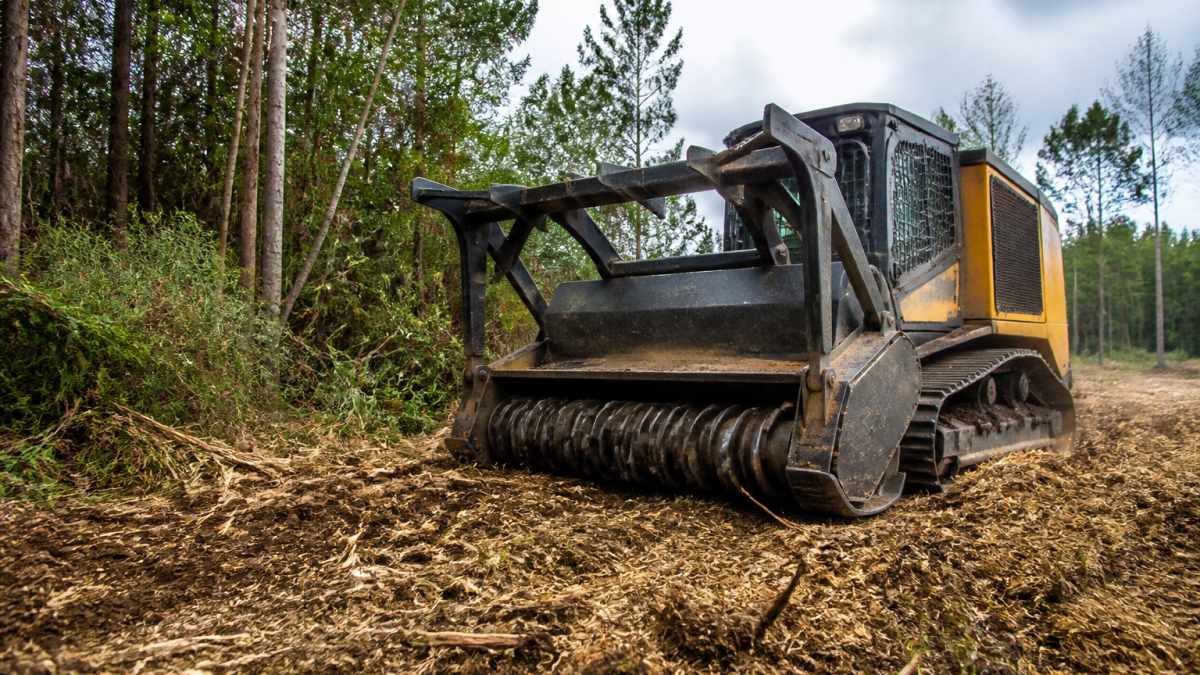
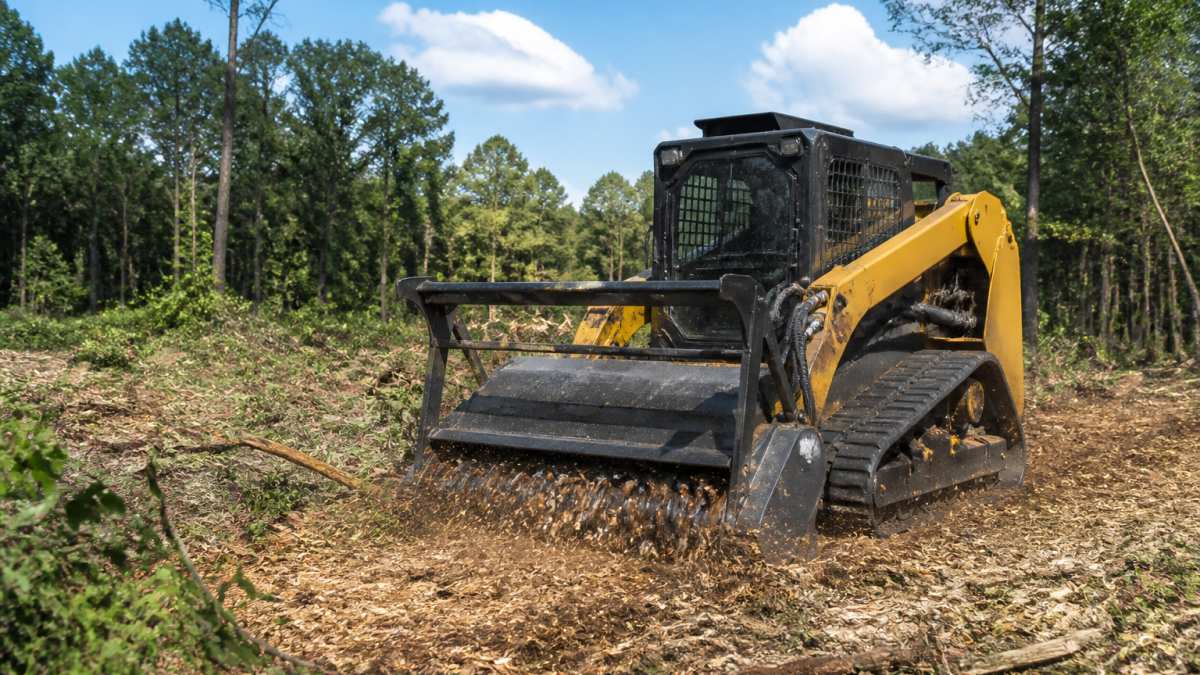
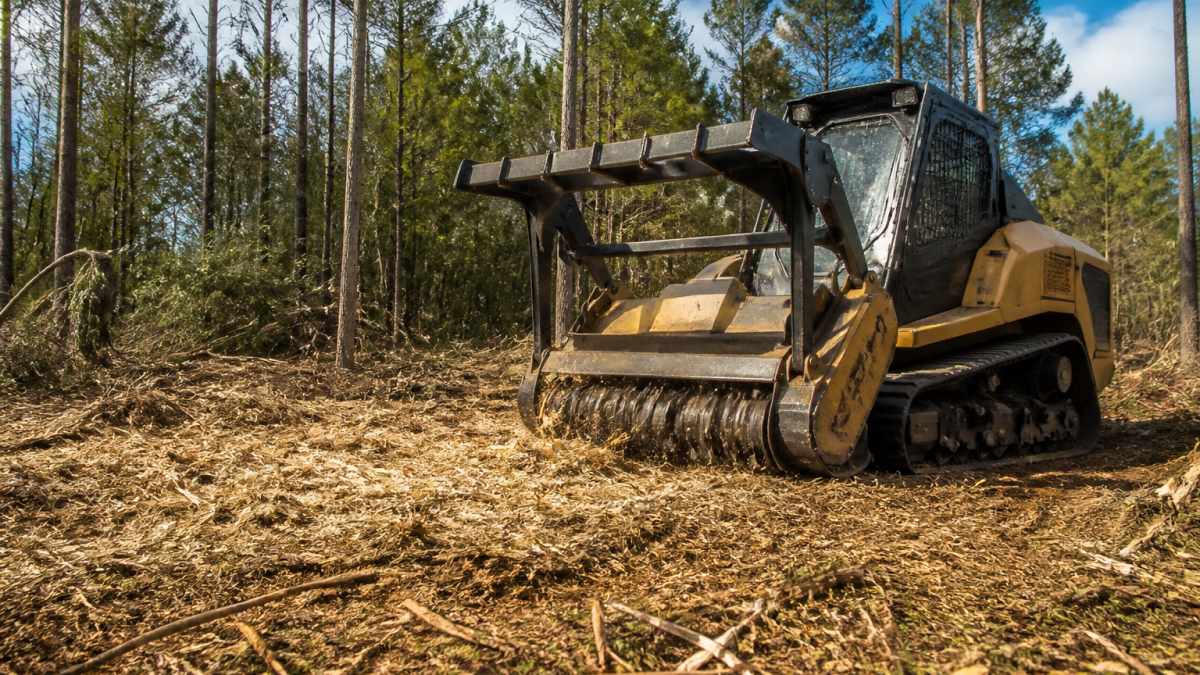
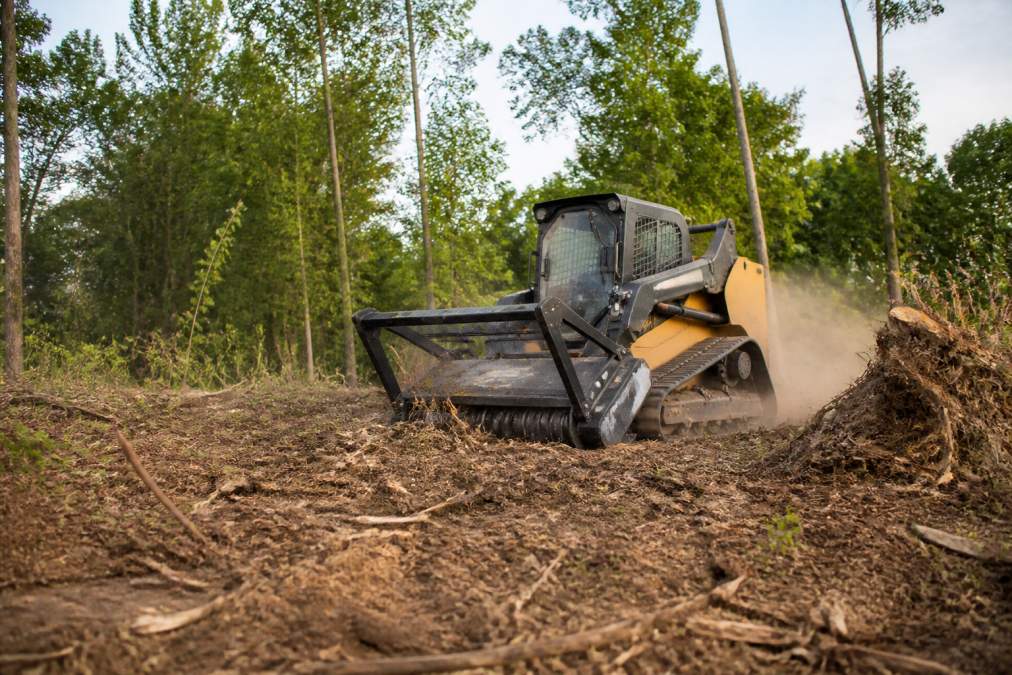
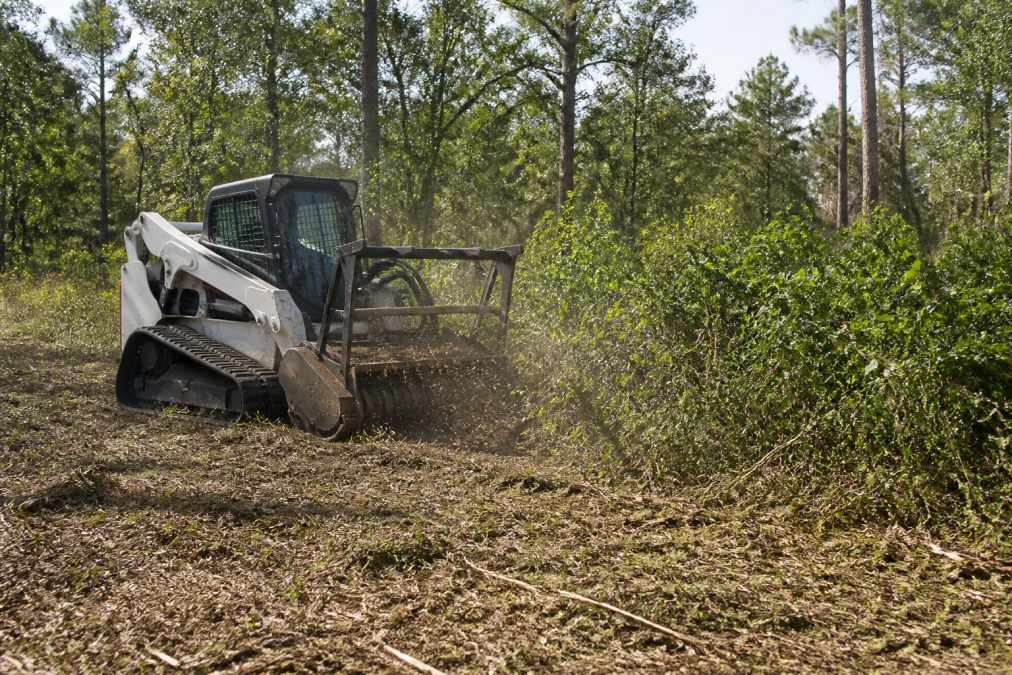
Forestry mulching grinds standing brush, saplings, and small trees into a layer of mulch on the spot. Traditional clearing pushes everything into piles with heavy equipment, then burns or hauls it away. Each has a place.
Mulching wins on most residential and pasture projects. It's faster, it leaves the topsoil intact, and the mulch layer suppresses regrowth while it breaks down. The one drawback: it can't handle large mature trees, which need to be cut and the stumps ground separately.
Traditional clearing suits commercial site prep where you need bare, graded ground for a foundation. It costs more because of the hauling and disposal, and it strips the soil surface.
| Method | Best For | Soil Impact | Debris Handling |
|---|---|---|---|
| Forestry mulching | Brush, saplings, fence lines, pasture | Leaves topsoil intact | Mulch stays on site |
| Traditional clearing | Commercial pads, large trees | Disturbs topsoil | Piled, burned, or hauled |
A common mistake is choosing traditional clearing for a pasture restoration job. You lose the topsoil you need to grow grass, and you pay to haul away material that could have stayed put.
Forestry Mulching Cost Per Acre: What Drives the Price
Forestry mulching cost per acre depends on density, terrain, access, and how much of the material needs to be ground versus cut and removed. There is no single flat rate, and any company quoting one without seeing your property is guessing.
Here's what actually moves the number:
- Density of growth. Light grass and saplings clear fast. Thick, mature brush with heavy stems takes far longer per acre.
- Terrain. Slopes, creek bottoms, and soft ground slow equipment and sometimes require a different machine.
- Access. If equipment can't reach the work area, you pay for the extra handling.
- Stumps and large trees. These fall outside standard mulching and get priced separately.
- Debris removal. Leaving mulch on site costs less than hauling material away.
That's why we offer a free land assessment. You get an honest read on your acreage before any commitment.
Site Preparation for Construction: Grading, Drainage, and Dirt Work
Site preparation for construction goes beyond clearing. Once the brush is gone, the ground has to be shaped to a design grade, drainage has to move water away from the build, and topsoil needs to be stripped, stockpiled, and reused rather than buried or hauled off.
The sequence matters, and it is not negotiable:
- Clearing. Remove trees, brush, and undergrowth. Mulch stays on site where it helps; large timber is cut and removed.
- Stump and root removal. Stumps rot and settle. A pad built over a stump will crack. Grind or pull stumps below the finished grade line.
- Topsoil strip and stockpile. Push the organic layer into a designated pile. It will be respread on lawns, pastures, and landscaped areas later.
- Rough grading. Cut high spots, fill low spots, and bring the pad close to design elevation.
- Drainage and utilities. Install swales, culverts, French drains, and any buried conduit before final grade locks in.
- Final grading and compaction. Fine-tune slope, compact in lifts, and verify the pad sheds water in the intended direction.
Skip a step and you will redo work later, usually after the foundation is poured, which is the most expensive time to fix a mistake.
Drainage is where most DIY site prep fails. This region gets heavy spring and fall rain, and a pad that does not shed water properly will hold it. A common target is a minimum 2% slope away from the structure on all sides, with positive fall to a swale, ditch, or storm inlet. Standing water against a slab means foundation movement, mold, and mosquito problems within a season. We plan drainage before the first bucket of dirt moves, not after the foundation is poured.
Grading and leveling are not the same task. Grading shapes the surface to a specific slope and use, a driveway crown, a building pad, a pasture that drains. Leveling flattens it. Most residential and commercial pads need grading, not leveling. A truly level pad with no fall is a bathtub. Know which one your project needs before you hire anyone.
Compaction is the step nobody sees. Fill placed in thick lifts and not compacted will settle unevenly for years. Proper practice is thin lifts, moisture conditioning, and a plate or roller pass between each one. If a contractor cannot tell you how they compact fill, that is a red flag.
Regulatory triggers to check before dirt moves:
- Disturbing one acre or more typically requires coverage under the EPA's Construction General Permit and a Stormwater Pollution Prevention Plan (SWPPP).
- Work inside a mapped floodplain or a waterway buffer may require a local floodplain development permit.
- Grading, fill, and drainage changes near a property line can trigger local grading permits or drainage-impact review.
EPA Construction General Permit and stormwater requirements for construction sites
If your project is a homesite, barn, shop, or commercial pad, the clearing and the site prep should be planned as one job. Splitting them across two contractors is how grade, drainage, and topsoil management fall through the cracks.
Fence Line Clearing and Right-of-Way Maintenance
Fence line clearing clears a defined strip so you can run new fence or repair existing fence without fighting brush. A typical residential or agricultural fence line is cleared 10 to 12 feet wide, wide enough for a truck, a post-hole auger, and a man on each side of the wire. Right-of-way clearing follows the same logic for utility lines, driveways, pipelines, and access roads.
Why width matters. Clear too narrow and you cannot get equipment down the line to set posts or stretch wire. Clear too wide and you are paying to remove growth you did not need to touch, plus you are inviting erosion on slopes. The right width depends on terrain, fence type, and whether the line will ever carry equipment again.
Fence line clearing, step by step:
- Walk the line and flag it. Mark corners, gates, and any trees you want to keep.
- Mulch or cut the brush and saplings inside the strip.
- Cut and remove any mature trees that would drop limbs on the fence.
- Grind stumps flush so posts can be driven or dug without hitting roots.
- Leave mulch in place on flat ground; pull it back on slopes where it can slide.
Right-of-way clearing is a different animal. Utility and pipeline easements usually come with a recorded width, commonly 30, 50, or 100 feet, and the easement holder, not the landowner, often controls what can grow inside it. Before you clear a right-of-way, confirm:
- The recorded easement width and any restrictions on trees, structures, or grading.
- Whether the utility or pipeline company has its own vegetation management schedule that will re-clear on top of your work.
- Whether your state or local rules require notification before working inside a utility corridor.
The thing nobody tells you about fence line clearing: doing it once and walking away means the brush returns. A light maintenance pass every two to three years costs far less than a full re-clear, because you are knocking back saplings instead of grinding mature stems. On pasture and hay ground, a maintenance pass timed before seed set does the most good.
Equipment note. Fence lines and narrow rights-of-way are where a compact track loader with a forestry mulcher head beats a full-size dozer. It fits between trees, causes less ground disturbance, and leaves a mulch mat that holds the line against regrowth. A dozer is the wrong tool for a 10-foot strip, it tears up more ground than it clears.
Permits and Local Regulations for Land Clearing in Smith County
Permits and local regulations for land clearing in Smith County depend on the scope of work and whether the property sits in a regulated area. Small residential clearing often needs no permit. Larger projects, work near waterways, and commercial site prep frequently do.
Before any machine moves, check three things:
- Whether your project triggers a local grading or development permit
- Whether any part of the property falls under a floodplain or waterway buffer
- Whether your homeowners association or deed restrictions limit clearing
Texas Commission on Environmental Quality stormwater and permitting resources
The rules aren't designed to trip you up, but they do vary by location and project type. Confirm requirements with your local permitting office before work starts. Clearing first and asking questions later can mean fines and required restoration.
Soil Health, Erosion Control, and Post-Clearing Maintenance
Erosion control and post-clearing maintenance decide whether your cleared land stays usable. Bare ground loses topsoil fast in heavy rain, and once it's gone, it doesn't come back on its own.
Mulching helps here. The leftover mulch layer holds moisture, slows runoff, and feeds soil biology as it breaks down. On slopes and near drainage, we add erosion control measures to keep soil in place.
Post-clearing maintenance is the step most landowners skip. A light annual pass keeps regrowth from reclaiming the ground. Pasture restoration, food plots, and wildlife trails all depend on staying ahead of the brush rather than fighting it every few years.
Conclusion
The hardest part of land clearing Tyler isn't the work itself. It's knowing which method fits your property, what's driving the cost, and which permits apply before you start. Get those right and the project runs clean from the first pass to the last.
SemperFi Land Clearing LLC brings veteran-owned discipline to every job, with free land assessments, specialized 10-foot fence line clearing, and forestry mulching that protects your soil instead of stripping it. We show up, we finish, and we leave your land better than we found it.
Get an estimate from SemperFi Land Clearing LLC and put your overgrown acreage back to work.
Frequently Asked Questions
What is the typical cost of land clearing in Tyler, TX?
Land clearing in Tyler, TX is priced per acre, and the rate depends on vegetation density, terrain, access, and how much debris must be hauled off. Forestry mulching cost per acre runs higher on heavy brush and lower on light pasture. Because every property is different, SemperFi Land Clearing LLC offers a free land assessment to give you an accurate quote instead of a generic estimate.
Do I need a permit for land clearing in Smith County?
Permit requirements depend on the scope of work, proximity to waterways, and local ordinances. Small residential clearing often needs no permit, while larger projects, commercial site preparation for construction, or work near drainage areas may require approval. Always confirm with Smith County before starting. A professional land clearing company can help you identify what applies to your project.
What is the difference between forestry mulching and traditional land clearing?
Forestry mulching grinds standing brush, small trees, and undergrowth into mulch in a single pass, leaving topsoil and root systems largely intact. Traditional clearing uses bulldozers and excavators to push, pile, and burn debris, which disturbs more soil. For most residential and acreage projects in East Texas, forestry mulching is faster, cleaner, and better for soil health.
How long does it take to clear 5 acres of land?
Timeline depends on vegetation density, terrain, and equipment. Light pasture or thin underbrush can take one to two days, while heavy brush, dense trees, and stump grinding on the same acreage can stretch to several days. SemperFi Land Clearing LLC provides a clear schedule after the free land assessment so you know what to expect before work begins.