 ultimate-guide
Hiring Reliable Land Clearing Contractors: 2026 Guide
Table of Contents
- Why Professional Land Clearing Beats DIY
- How to Vet Land Clearing Contractors: A Step-by-Step Checklist
- Land Clearing Contractor Insurance Requirements Explained
- Forestry Mulching Cost Per Acre: What Drives the Price
- Questions to Ask Land Clearing Companies Before You Sign
- Environmental Compliance and Soil Protection
- Frequently Asked Questions
Last Updated: September 18, 2026
Why Professional Land Clearing Beats DIY
Hiring reliable land clearing contractors is the difference between land that's usable in a week and land that sits half-finished for a year. Most property owners underestimate the scale: a single acre of dense East Texas underbrush can hide stumps, buried debris, and drainage problems that only show up once the vegetation is gone. This guide from SemperFi Land Clearing LLC walks through the vetting process, insurance requirements, cost drivers, and compliance rules that separate a smooth project from an expensive mess.
DIY clearing sounds cheaper until you price the equipment. A forestry mulcher capable of handling heavy overgrowth runs well into six figures, and renting one without an equipment operator's experience usually means broken teeth, stalled jobs, and a torn-up pasture. Hand clearing three acres of thick brush is a multi-month project for a crew, let alone one person with a chainsaw and a burn pile. Professional crews bring the machinery, the permitting knowledge, and the debris disposal plan.
The real gap isn't muscle. It's judgment. Experienced contractors read topography, spot soil erosion risks before they start, and know which trees to leave for shade and wildlife. That's land management, not just brush removal.
How to Vet Land Clearing Contractors: A Step-by-Step Checklist
Vetting a land clearing contractor comes down to six checks: license verification, insurance proof, references, written scope, site assessment, and a signed contract. Run every candidate through all six before signing anything. The list below is the same sequence used by property owners who avoid change orders, lien surprises, and half-cleared acreage.
- Verify the business registration and any required license with your state licensing authority and county or city permit office.
- Request a certificate of insurance and call the carrier to confirm the policy is active and the limits are real.
- Ask for three references from jobs completed in the past 12 months, ideally on parcels similar in size and terrain to yours.
- Get a written, itemized estimate with a defined project scope, acreage, and disposal method.
- Walk the property with the contractor before work starts and note stumps, drainage, fences, and utility easements.
- Sign a contract that covers timeline, payment schedule, debris removal, and what happens if regrowth appears.
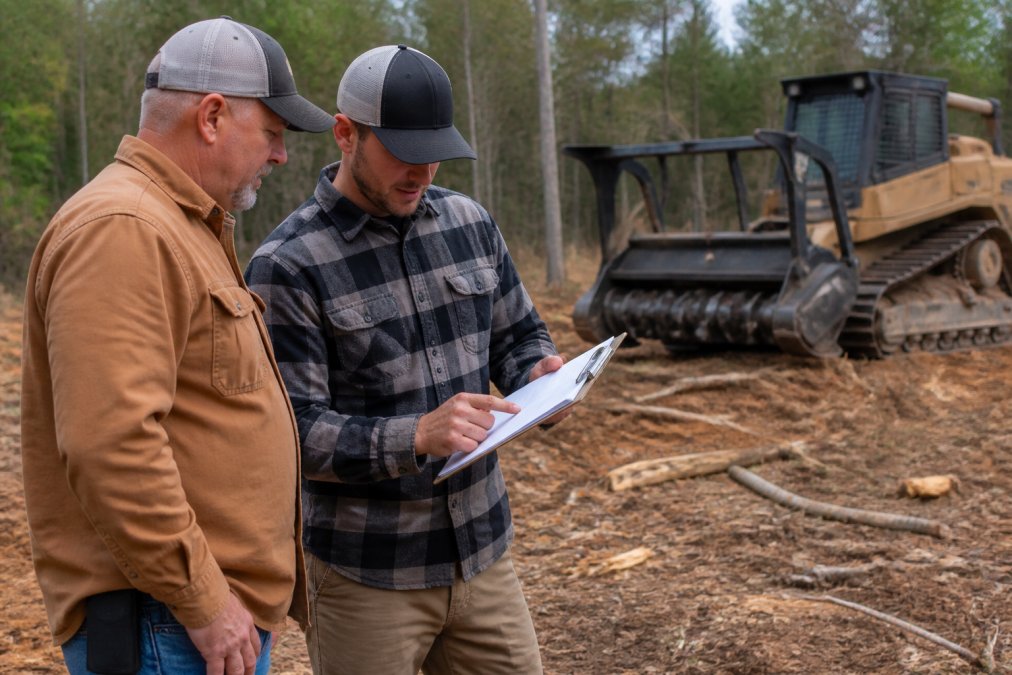
License, Registration, and Business Verification
Start with the state contractor licensing board and your county or city permit office. Land clearing often falls under site preparation, grading, or right-of-way classifications, and a general handyman registration will not cover earthmoving or stump removal. Ask for the legal business name and the license number, then match both against the state's public license lookup. If the name on the estimate does not match the name on the license, walk away.
Two documents separate a real contractor from a lead broker. First, a certificate of good standing from the state business registry confirms the entity exists and is current on filings.
Checking References and Past Work
Ask for references from jobs similar in size to yours. A contractor who clears quarter-acre fence lines may not be set up for 20-acre land development. Drive past one completed job if you can. Regrowth after six months tells you more about forestry mulching quality than any review, because a shallow cut leaves root crowns that resprout the following spring.
The Vetting Checklist You Can Print
Use this as a one-page screen before you sign anything. It is the same document set a title company or lender would request before funding a land project.
- State license or registration number, verified against the state lookup
- Certificate of insurance showing general liability and workers' compensation limits
- Additional-insured endorsement naming you or your entity
- Three references from the past 12 months, with acreage and terrain noted
- Written scope listing acreage, stump depth, debris method, and completion date
- Payment schedule tied to milestones, not calendar dates
- Lien waiver or release language in the contract
- Utility locate confirmation before any digging or grubbing
Land Clearing Contractor Insurance Requirements Explained
Land clearing contractor insurance requirements typically include general liability coverage and workers' compensation. General liability protects your property if equipment damages a fence, structure, or neighboring land. Workers' compensation covers injuries to crew members on your property.
General Liability vs. Workers' Compensation
General liability is property damage and third-party injury. Workers' comp is employee injury on the job. Both matter because if a crew member is hurt on your land and the contractor lacks workers' comp, you can end up in a liability dispute. Ask for a certificate of insurance listing you as an additional insured, then call the carrier to verify the policy is current.
Forestry Mulching Cost Per Acre: What Drives the Price
Forestry mulching cost per acre depends on vegetation density, terrain, access, and stump size. Dense underbrush with mature stumps costs more than light brush on flat ground. Steep slopes, wet areas, and tight access points slow the equipment and raise the price. Most property owners want a single number before they call, so here is how the ranges typically break down by terrain type.
| Terrain and Vegetation Type | Typical Per-Acre Range | What Drives the Number |
|---|---|---|
| Light brush, pasture, saplings under 2 inches | Lowest band | Fast machine travel, minimal stump grinding |
| Mixed brush and small trees, 2 to 6 inches | Mid band | Slower passes, some stump work, moderate debris |
| Dense hardwood, 6 to 12 inches, flat ground | Upper-mid band | Multiple passes, stump grinding, hauling or mulching |
| Mature hardwood over 12 inches, stumps, rocks | Highest band | Excavator time, stump removal, off-site disposal |
| Steep slopes, wetlands, or tight access | Add-on to any band | Hand work, matting, smaller equipment, slower cycle times |
What Actually Moves the Price
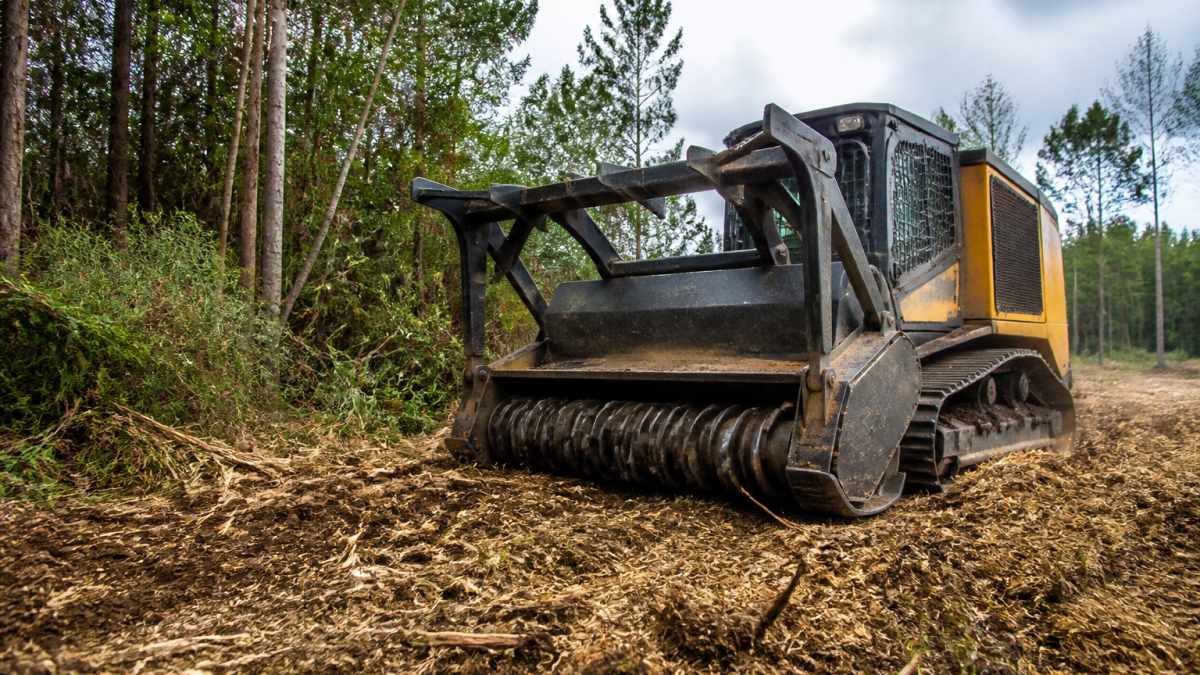
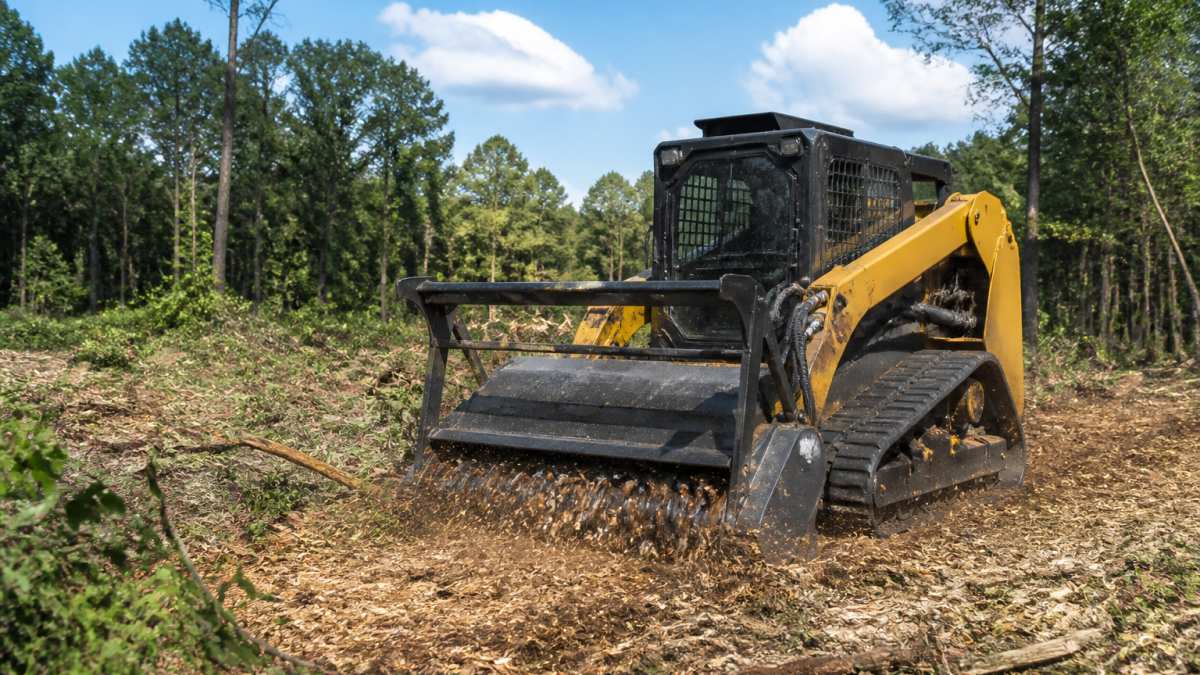
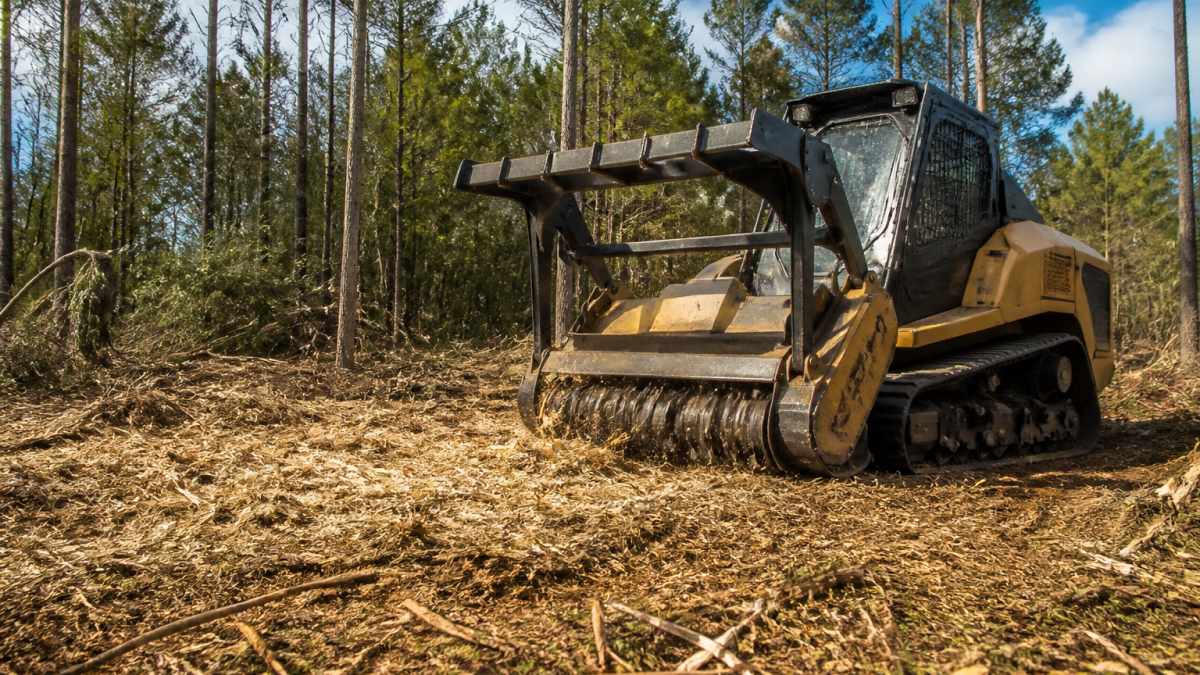
Four variables do most of the work. Vegetation density and species determine how many machine passes are needed. Terrain determines whether a tracked mulcher, a skid steer with a mulching head, or an excavator with a thumb is the right tool. Access determines whether equipment can reach the work zone without tearing up a driveway or crossing a culvert. Stump size and depth determine whether grinding is a quick pass or a half-day job per stump.
How to Compare Two Estimates Fairly
Because every property is different, no honest contractor quotes a fixed per-acre rate before walking the land. A free site assessment is how you get an accurate number. SemperFi Land Clearing LLC offers free land assessments so you know the real cost before committing. Get an Estimate after the walkthrough, not before.
Questions to Ask Land Clearing Companies Before You Sign
The right questions to ask land clearing companies cover scope, timeline, disposal, and what happens if regrowth appears. Ask how they handle debris removal, whether they grind stumps below grade, and what the payment schedule looks like. Get answers in writing.
- Will you clear and grub, or just mow the surface?
- How is debris removed, and is disposal included?
- What's the timeline, and what delays it?
- Are you insured, and can I see the certificate?
- What does regrowth look like in six months?
- Who handles zoning permits and utility clearance?
Environmental Compliance and Soil Protection
Environmental compliance protects your soil, your water, and your wallet. Clearing near streams, wetlands, or protected areas may require a permit, and moving dirt without soil erosion control can trigger fines. A professional contractor plans silt fencing, drainage, and re-vegetation before the first machine rolls.
Frequently Asked Questions
What's the average cost to clear 1 acre of land?
Land clearing costs vary widely based on density, terrain, and method. Forestry mulching typically runs higher than traditional clearing because it processes vegetation in place. Some contractors quote per acre, while others charge hourly for forestry mulching. For a precise figure, request a free on-site assessment; pricing depends on your specific property conditions, access, and project scope.
What questions should I ask before hiring a land clearing contractor?
Ask about licensing, insurance (general liability and workers' comp), equipment suitability for your terrain, disposal methods for debris, and whether they subcontract. Request local references and a written estimate that details the project scope. Also confirm how they handle regrowth prevention and whether they offer a warranty on the work. A reliable contractor will answer these without hesitation and provide documentation.
How do I verify if a land clearing contractor is insured?
Request a Certificate of Insurance (COI) directly from the contractor and call the insurance agent listed to confirm the policy is active. Check that general liability coverage is at least $1 million and that workers' compensation covers all employees. If the contractor is uninsured, you could be liable for injuries or property damage. Never accept a photocopy without verifying with the insurer.
What is the difference between forestry mulching and traditional land clearing?
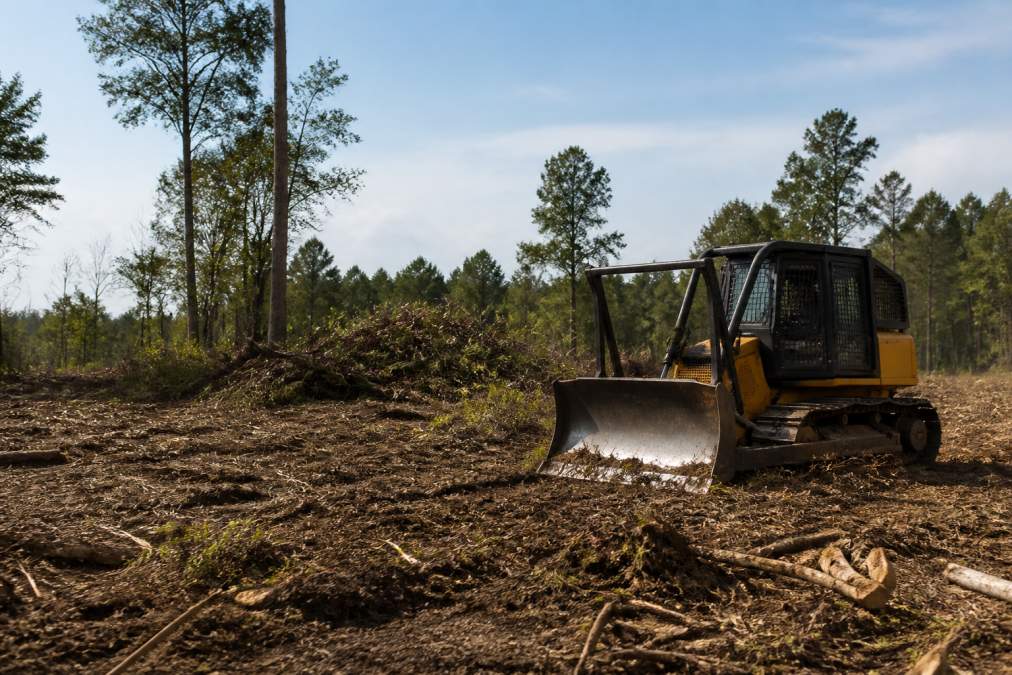
Forestry mulching uses a single machine to grind vegetation into mulch, leaving the root system and topsoil intact, which reduces erosion and regrowth. Traditional clearing involves bulldozers or excavators that push over trees and pile debris, often removing topsoil and requiring separate stump grinding and debris removal. Forestry mulching leaves the root system and topsoil intact, which reduces erosion and regrowth. Traditional clearing involves bulldozers or excavators that push over trees and pile debris, often removing topsoil and requiring separate stump grinding and debris removal.