 how-to
What to Look for in Land Clearing: 2026 Buyer's Guide
Table of Contents
- Start With a Site Assessment, Not a Quote
- Land Clearing Methods: Which One Fits Your Property?
- Land Clearing Permit Requirements and Environmental Rules
- Equipment, Crew, and Safety Standards to Verify
- Land Clearing Cost per Acre: What Actually Drives the Number
- Post-Clearing Soil Health, Erosion Control, and Regrowth
- Questions to Ask Before You Sign Anything
- Frequently Asked Questions
Last Updated: September 15, 2026
Start With a Site Assessment, Not a Quote
Knowing what to look for in land clearing starts with one rule: the assessment comes before the price. A responsible contractor walks the property, identifies what is growing, checks the terrain, and locates the boundaries before quoting. At SemperFi Land Clearing LLC, every project begins with a free land assessment for this reason.
A proper site assessment covers five things:
- Property boundaries and fence lines
- Tree and brush density, plus species
- Slope, drainage, and soil type
- Locations of wells, septic systems, and utilities
- Access points for heavy machinery
The assessment also reveals what the land will become: a homesite pad, pasture, hunting plot, and fence line each demand different clearing techniques.
Land Clearing Methods: Which One Fits Your Property?
Land clearing is the process of removing trees, brush, stumps, and undergrowth to prepare a property for construction, pasture, fencing, or recreation. Four methods dominate: forestry mulching grinds vegetation in place, bulldozing pushes and piles material, excavation removes roots and soil together, and manual cutting suits small or sensitive areas.
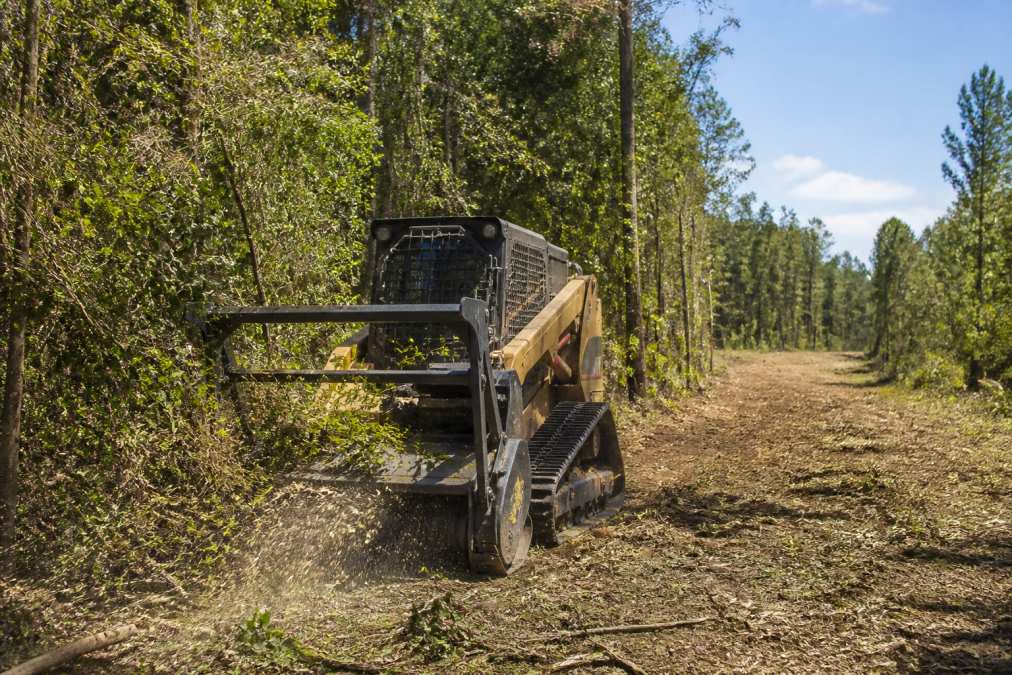
Forestry Mulching vs Bulldozing: What Changes on Your Land
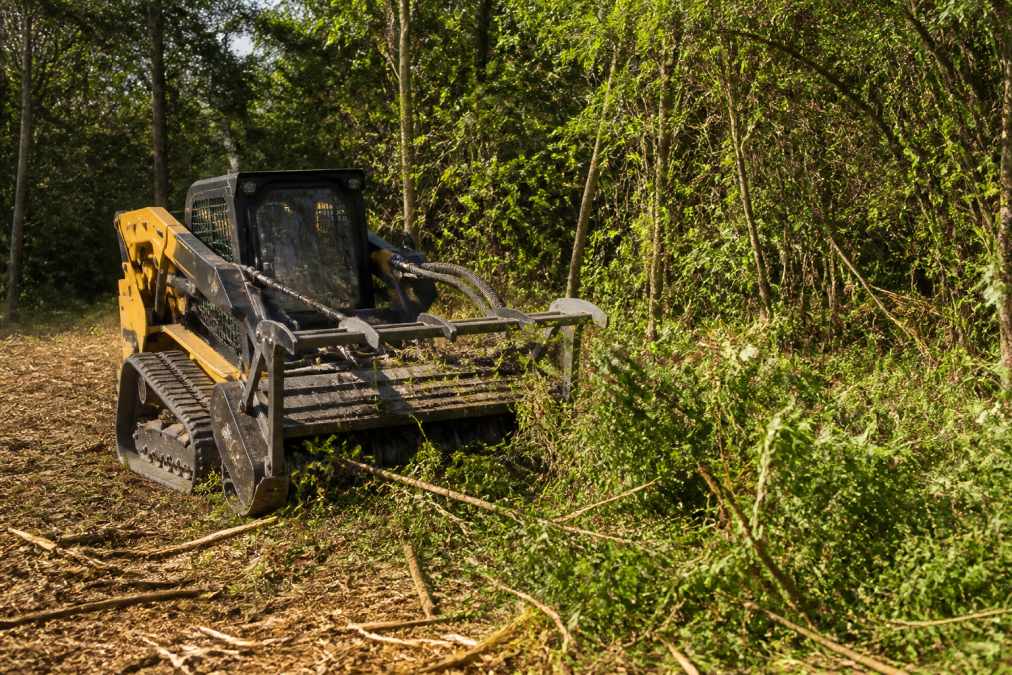
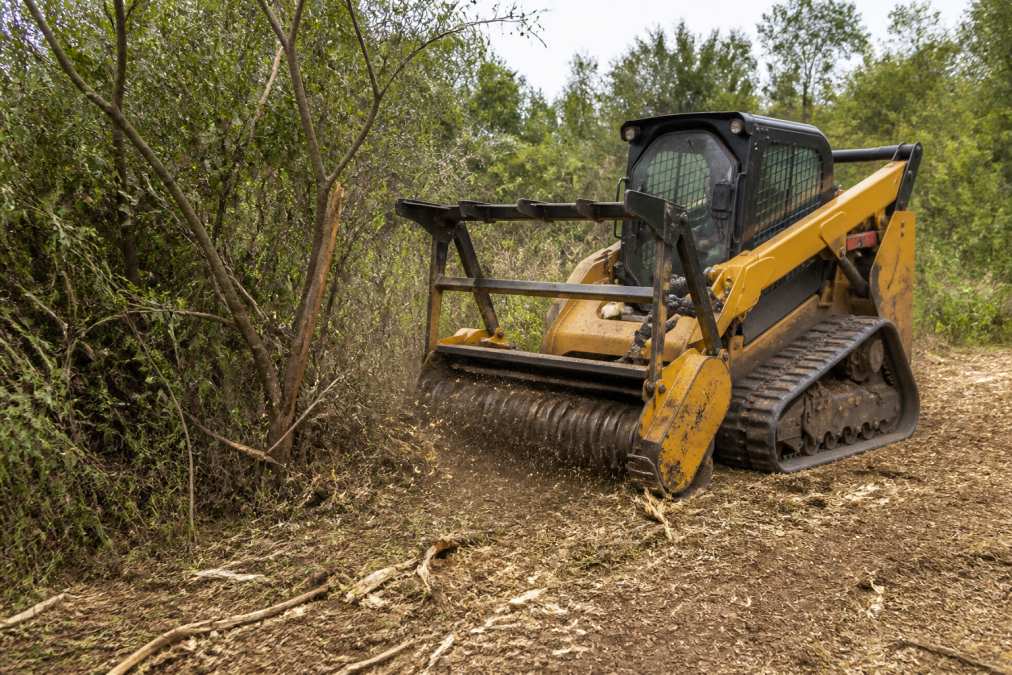
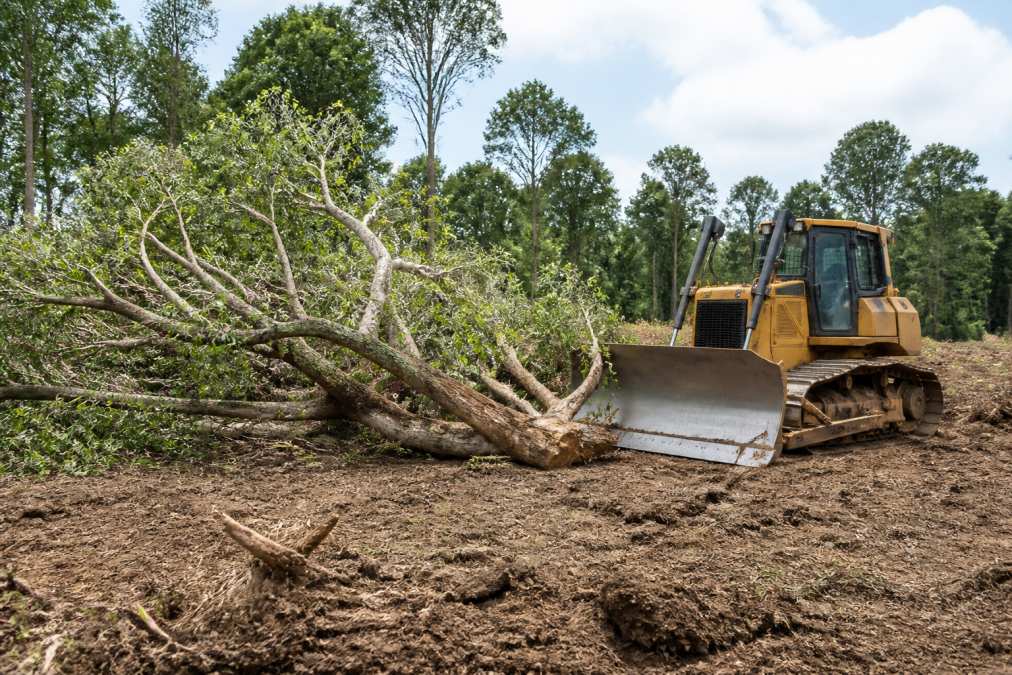
Forestry mulching vs bulldozing comes down to soil disturbance. A mulching head grinds brush, saplings, and small trees into chips that stay on the ground; a bulldozer blades everything into piles and pushes topsoil along with it.
Mulching leaves root structure and topsoil intact, limiting erosion and supporting regrowth of desirable grasses. Bulldozing clears faster on large, flat tracts but strips the organic layer and can compact wet ground.
| Method | Best For | Soil Impact | Debris Handling |
|---|---|---|---|
| Forestry mulching | Brush, fence lines, sensitive soil | Low, chips stay in place | Ground into mulch |
| Bulldozing | Large flat tracts, heavy stumps | High, topsoil displaced | Piled and burned or hauled |
| Excavation | Root removal, building pads | Moderate to high | Hauled off site |
| Manual cutting | Small lots, wet or tight areas | Minimal | Hand-piled |
Land Clearing Permit Requirements and Environmental Rules
Land clearing permit requirements vary by state, county, and sometimes city, so your first call is to your local planning or environmental office. Before you call, understand the three layers of regulation that can apply, a permit fine at one layer can be invalidated by another.
The Three Layers of Regulation
Federal. The U.S. Army Corps of Engineers administers the Section 404 permit program under the Clean Water Act, which governs the discharge of dredged or fill material into waters of the United States, including many wetlands (the EPA). The U.S. Army Corps of Engineers permit program is the authoritative source. If any part of your property is mapped wetland or within a floodplain, assume a federal nexus until a professional confirms otherwise. The U.S. Fish and Wildlife Service also enforces the Endangered Species Act, and the Migratory Bird Treaty Act protects active nests, which is why many clearing projects are scheduled around nesting season rather than through it.
State. States layer their own rules on top of federal ones. Common triggers include:
- Forestry regulations that require a notification or permit before harvesting timber above a certain volume
- Water quality certifications that must accompany a federal 404 permit
- Erosion and sediment control requirements administered by a state environmental agency
- Protected species regulations that may be stricter than federal law
Local. Counties and municipalities add rules most likely to affect a residential or agricultural clearing job:
- Tree ordinances that protect specific species or trees above a certain diameter
- Grading permits triggered by acreage disturbed or cubic yards of earth moved
- Setback and buffer requirements along waterways, roads, and property lines
- Stormwater management plans for projects above a disturbance threshold
A Practical Permit Decision Tree
Work through these in order. Any 'yes' means confirming requirements before a machine touches the ground:
- Is any part of the property mapped as wetland, floodplain, or within a stream buffer? If yes, start with the Corps of Engineers district office and your state environmental agency.
- Will you disturb more than the local grading threshold (commonly one acre, but check your jurisdiction)? If yes, expect a sediment and erosion control plan and possibly a grading permit.
- Are there trees above the local protected diameter, or species specifically named in a tree ordinance? If yes, a tree removal permit or replacement plan may apply.
- Is the work within a certain distance of a waterway, even a seasonal one? If yes, buffers and additional review usually apply.
- Will the project occur during nesting season for protected birds? If yes, you may need to delay or conduct a nest survey.
What to Ask Your Local Office
When you call, don't ask 'do I need a permit?', that invites a yes/no answer that may be wrong. Ask instead:
- What is the disturbed-acreage threshold that triggers a grading or clearing permit here?
- Is any part of this parcel mapped wetland or floodplain on your GIS?
- Are there protected tree species or diameter thresholds I should know about?
- Is a sediment and erosion control plan required, and who reviews it?
- Are there nesting-season restrictions on when clearing can occur?
- Who inspects the work, and at what stages?
Clearing without a required permit can trigger stop-work orders, fines, and mandatory restoration, costs that dwarf the permit fee. In wetland cases, the Corps can require you to restore the exact hydrology and vegetation you removed, which is far more expensive than the original clearing would have been.
The Contractor's Role in Compliance
A qualified contractor should tell you which permits are typically required for your project type and acreage, but the property owner is ultimately the permit holder in most jurisdictions, the legal responsibility lands on you, not the crew. Get the permit scope in writing, confirm who pulls each permit, and keep copies of every approval on site.
Equipment, Crew, and Safety Standards to Verify
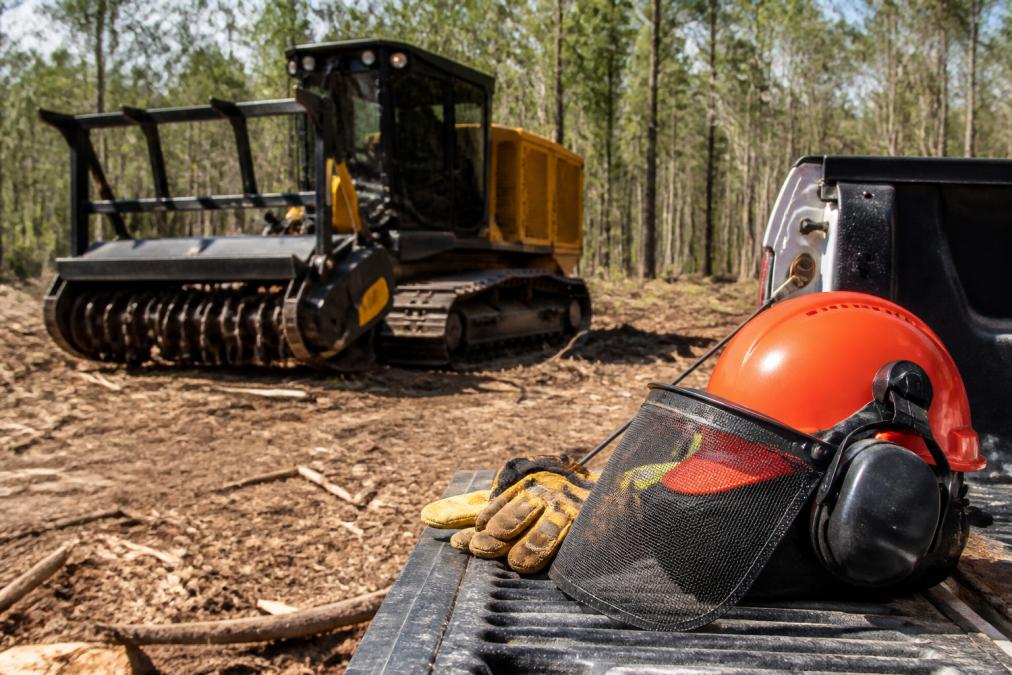
The right equipment matches the machine to the terrain, not the biggest fleet. A skid steer with a mulching attachment handles fence lines and tight residential lots, a dozer moves stumps and grades building pads, an excavator pulls roots and digs, and stump grinding finishes what cutting leaves behind.
Verify these before hiring:
- Insurance: current liability and workers' compensation coverage
- Crew training on the specific equipment being used
- A written safety plan for the site
- Clear communication about utility locates before digging
Utility locating is not optional.
Never let a crew dig or grub stumps before utility lines are marked. A struck gas or fiber line turns a clearing project into an emergency, and the property owner can be held responsible for the repair bill.
Land Clearing Cost per Acre: What Actually Drives the Number
How Contractors Actually Price a Job
Most clearing bids are built from four inputs:
What Moves the Number Up or Down
Equipment Rental Pitfalls to Watch For
How to Compare Bids Fairly
The best predictor of a fair price is a contractor who can explain how they arrived at it. If they can walk you through machine hours, acres per day, and debris handling, the number is grounded. If they can't, the number is a guess, and you'll be the one absorbing the difference.
Post-Clearing Soil Health, Erosion Control, and Regrowth
Questions to Ask Before You Sign Anything
The single best predictor of a good clearing job is a contractor who walks the land, explains the method, puts the scope in writing, and answers permit questions without dodging. Price matters, but clarity matters more.
Frequently Asked Questions
Do I need a permit to clear land on my property?
It depends on what you plan to do and where the land sits. Most routine brush clearing, fence line work, and removal of overgrowth does not require a permit. Permits usually come into play when you are clearing near wetlands or streams, working on steep slopes, clearing above a certain acreage, or changing how stormwater leaves the site. Local zoning and erosion control rules vary by county, so confirm requirements before any equipment arrives.
What is the difference between forestry mulching and traditional clearing?
Forestry mulching grinds brush, saplings, and small trees into a layer of mulch that stays on the ground. Bulldozing pushes material into piles and removes it, leaving bare soil. Mulching leaves topsoil and root structure largely intact, which lowers erosion risk and supports regrowth control. Bulldozing is faster on large acreage and heavy stumps, but it exposes soil to rain and often requires grading afterward.
How do I estimate a land clearing job before hiring anyone?
Start with acreage, density, and access. Thick brush with mature trees costs more per acre than light overgrowth, and wet or narrow entry points slow equipment down. Ask for a walk-through assessment rather than a phone quote, and request the estimate in writing with the scope spelled out: what gets cleared, what happens to debris, and whether grading or stump removal is included. Land clearing cost per acre should always come with those details attached.
Will weeds and brush grow back after the land is cleared?
Some regrowth is normal, but how much depends on the method. Mulching leaves a mat of shredded material that shades the soil and slows seed germination, which cuts down on the fast flush of weeds you see after bare-soil clearing. Roots left in place can resprout, so follow-up spot treatment in the first growing season matters. Clearing during the right season and seeding bare areas with grass also helps hold the ground.