 how-to
Land Clearing Safety Tips 2026: A How-To Guide
Table of Contents
- Land Clearing Safety Tips 2026: What You'll Need Before You Start
- How to Remove Heavy Brush Without Getting Hurt
- Land Clearing Hazard Assessment: Identify Risks Before You Cut
- Best Tools for Clearing Overgrown Property Safely
- Heavy Machinery Safety and Pre-Operational Inspections
- Weather-Specific Safety Protocols for Land Clearing
- Post-Clearing Soil Stabilization and Erosion Control
- DIY vs. Hiring a Professional Land Clearing Crew
- Frequently Asked Questions
Last Updated: September 20, 2026
Land Clearing Safety Tips 2026: What You'll Need Before You Start
Land clearing safety starts long before the first cut. It begins with the right gear, a written plan, and a hard look at what is actually on your property. This guide from SemperFi Land Clearing LLC walks through the land clearing safety tips that matter most in 2026, from brush removal to machinery checks to what happens after the last tree falls.
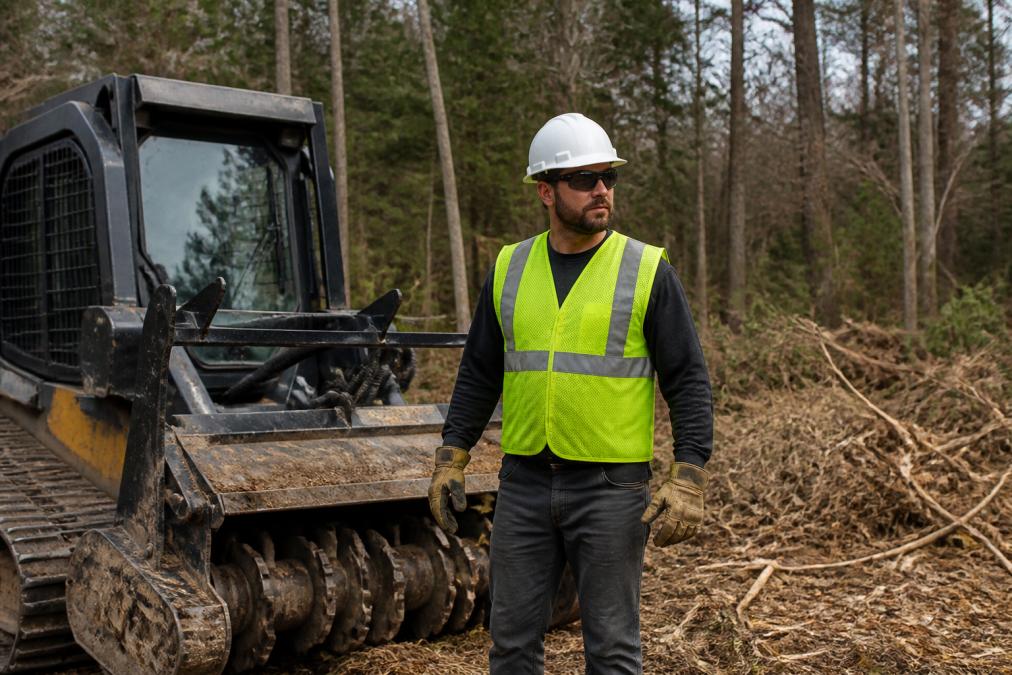
What you'll need before you start:
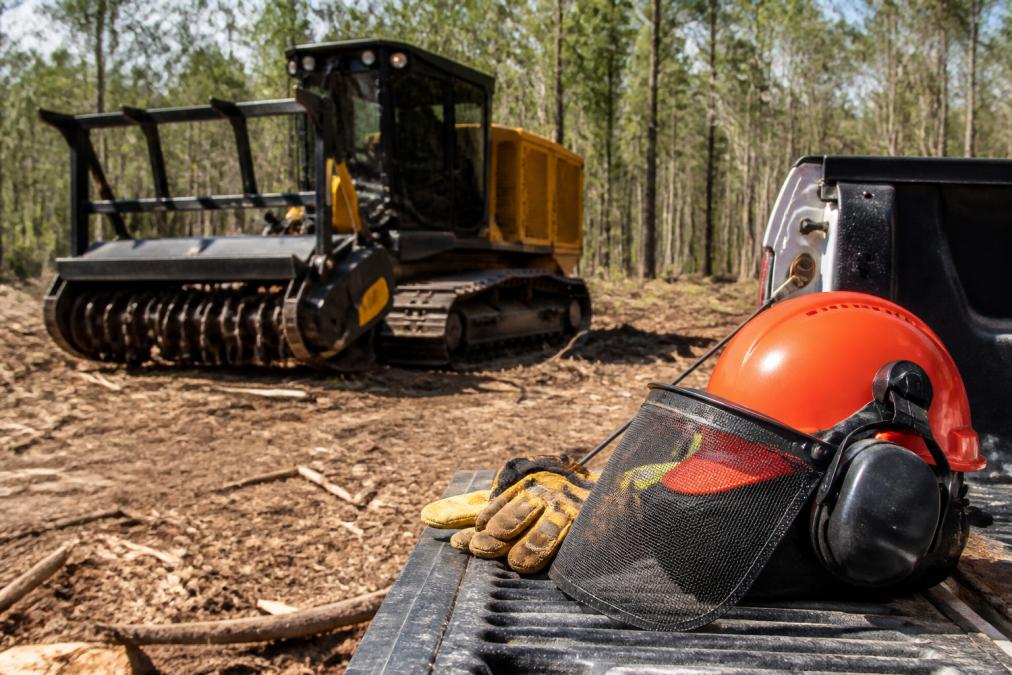
- Personal protective equipment (PPE) for every person on site
- A site map showing utilities and property lines
- First aid kit and a charged phone
- A spotter if anyone is operating machinery
- Weather forecast for the full work window
How to Remove Heavy Brush Without Getting Hurt
Removing heavy brush safely means matching the method to the thickness of the growth. Light saplings and vines respond well to hand tools. Dense, mature brush usually needs machine-assisted clearing.
Manual Removal vs. Machine-Assisted Clearing
Manual removal works for small jobs, tight spaces, and areas near structures. It is slow, but it gives you full control. String trimmers, brush saws, and loppers handle most light growth.
Land Clearing Hazard Assessment: Identify Risks Before You Cut
A land clearing hazard assessment is a structured walk-through of the site to find dangers before any cutting starts. Done properly, it takes 30 to 60 minutes and prevents the most serious injuries. Treat it as a documented process, not a casual glance.
Utility Lines and Underground Hazards
Overhead and buried utilities are the top cause of catastrophic clearing injuries. The order of operations matters: locate first, mark second, verify third, then cut.
Modern Locating and Mapping Tools
Paper sketches still work, but 2026 crews have better options that reduce the chance of a missed hazard:
- 811 mobile apps and web portals. Most states now let you submit and track locate requests online, attach site photos, and get status updates by text. This creates a timestamped record of what was requested and when.
- Drone or aerial site surveys. A quick drone pass over a wooded parcel reveals low-hanging limbs, leaning dead trees, and access constraints that are hard to see from the ground. Fly before you cut, not after.
- GPS-tagged site maps. Marking utility flags, hazard trees, and property corners on a phone-based map gives every operator the same picture and creates a record if a line is later struck.
- Metal detectors for fence lines and debris. Old fence wire, rebar, and buried metal stakes are common on rural parcels and will destroy a mulcher head or send debris flying.
Toxic Plants and Unstable Ground
Poison ivy, poison oak, and poison sumac grow throughout brushy areas. Wear long sleeves, gloves, and eye protection, and wash tools and equipment after contact. Urushiol oil, the compound that causes the rash, can stay active on metal, gloves, and boot soles for a long time, so clean gear before storing it.
Best Tools for Clearing Overgrown Property Safely
The best tools for clearing overgrown property balance power with control. Hand tools suit small jobs and tight spots. Powered equipment suits larger acreage.
Match the tool to the task:
| Task | Best Tool | Why It Works |
|---|---|---|
| Light vines and grass | String trimmer | Fast, low risk, easy control |
| Saplings under 2 inches | Brush saw | Cuts clean, portable |
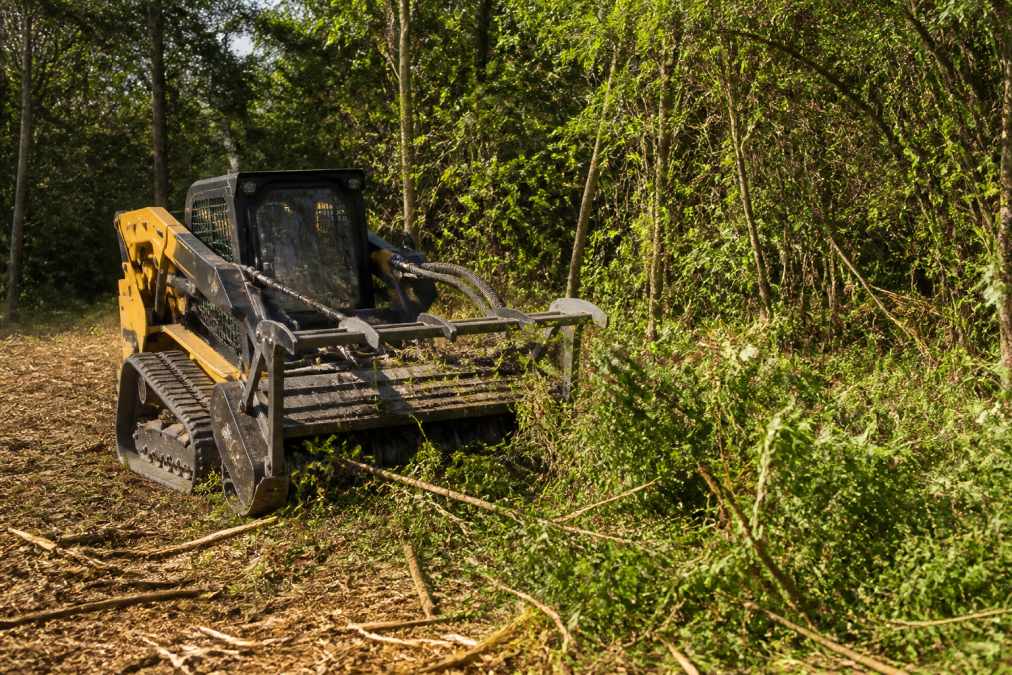
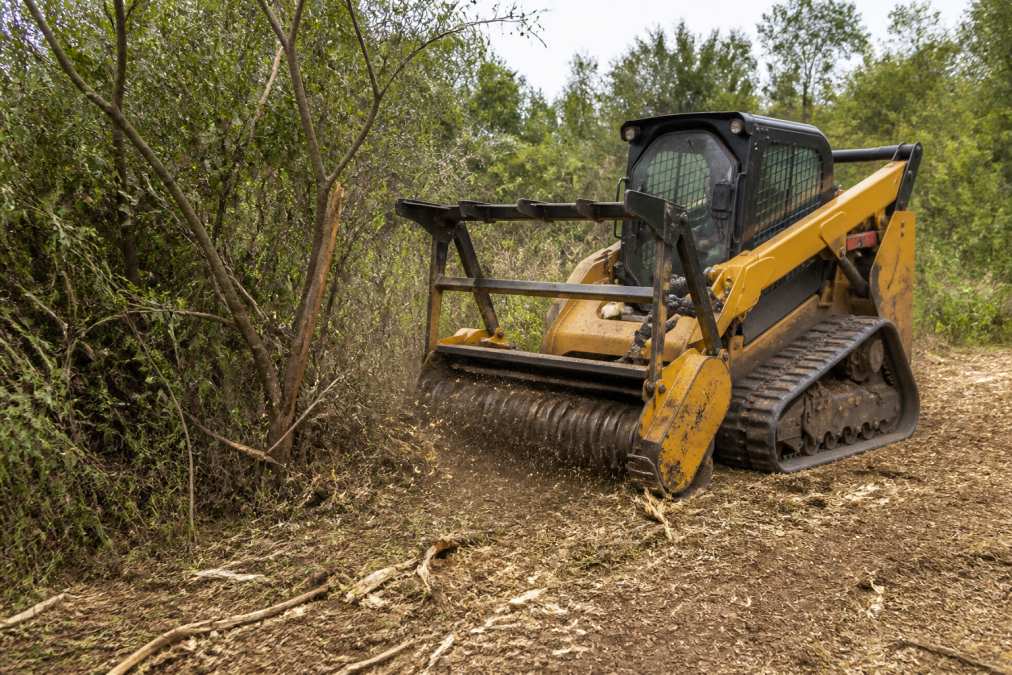
| Dense brush and small trees | Forestry mulcher | Clears in one pass, leaves mulch |
| Fence line clearing | Specialty mulcher head | Reaches tight lines without damage |
Heavy Machinery Safety and Pre-Operational Inspections
A pre-operational inspection is a quick check of a machine before every use. It catches problems while they are still small.
Run through this list before you start the engine:
- Check fluid levels: oil, coolant, hydraulic fluid
- Inspect belts, hoses, and filters for wear
- Test brakes, steering, and the parking brake
- Look for leaks under the machine
- Confirm lights, alarms, and the backup beeper work
- Check tire or track condition
The single most effective machinery safety habit is the pre-operational inspection. Five minutes of checking prevents the failures that cause the worst accidents.
Weather-Specific Safety Protocols for Land Clearing
Weather changes the risk profile of every clearing job, and most guides stop at "don't work in the rain." That is not enough. The protocols below give you specific triggers and responses so you can make the call before conditions turn dangerous.
Rain and Wet Ground
Wet ground loses bearing capacity fast. A tracked mulcher that grips on dry clay can slide on the same slope after an inch of rain. Postpone machine work on slopes above roughly 15 percent grade until the ground drains. Watch for rutting, standing water, and soft spots, if the machine is leaving deep tracks, the soil is already failing.
High Wind
Stop all cutting near trees and power lines when sustained winds reach the point where you can feel the machine being pushed or see limbs swaying continuously. Falling limbs are unpredictable, and a dead tree that looks stable in calm air can drop a top in a gust. Wind also spreads dust and debris and makes hearing protection less effective because you cannot hear warning shouts.
Extreme Heat
The heat index, not the air temperature, is the number that matters. Follow the pattern most safety practitioners use:
- Heat index below 90°F: Normal precautions. Water available at all times.
- 90-103°F: Mandatory water breaks every 30 minutes, shade available, and a buddy system so no one works alone.
- Above 103°F: Consider rescheduling heavy machine work. If work continues, shorten shifts, increase break frequency, and watch every crew member for confusion, cramping, or stopped sweating, early signs of heat illness.
Lightning
Leave the site at the first sign of a storm. Metal equipment, exposed slopes, and isolated trees all attract strikes. Use the 30-30 rule: if the time between a flash and thunder is 30 seconds or less, seek shelter; wait 30 minutes after the last thunder before returning.
Freezing Temperatures and Ice
Watch for ice on equipment steps, handholds, and control levers. Cold makes hydraulic fluid thicker and metal brittle, so warm machines gradually and inspect hoses for cracking. Ground that is frozen on top and thawed underneath is a rollover risk, the surface crust can give way under a loaded machine.
Mud, Dust, and Visibility
Dry, dusty conditions cut visibility and clog filters. Wet, muddy conditions reduce traction and hide hazards under the surface. Either way, slow down and increase the distance between machines and people.
A common mistake is treating a light drizzle or a hot afternoon as harmless. On a slope with a loaded machine, or in a heat index above 103°F, it is not. When in doubt, wait it out, the job will still be there tomorrow.
Post-Clearing Soil Stabilization and Erosion Control
Erosion control starts the day clearing ends. Bare soil washes away fast, and that loss is hard to undo.
Stabilize the ground with these steps:
- Leave mulch in place where possible. It holds soil and slows runoff.
- Seed exposed areas with a fast-growing cover crop.
- Add erosion control blankets on slopes.
- Redirect water with shallow swales or berms.
- Recheck the site after the first heavy rain.
DIY vs. Hiring a Professional Land Clearing Crew
Hiring a professional crew makes sense when the job involves heavy machinery, large acreage, or real risk. DIY works for small, low-risk jobs on flat ground.
Choose DIY when the brush is light, the ground is level, and no utilities run through the area. Choose a pro when you see any of these:
- Dense overgrowth across an acre or more
- Slopes, wet ground, or hidden stumps
- Power lines or buried utilities nearby
- Trees large enough to fall on a structure
Frequently Asked Questions
What personal protective equipment is required for land clearing?
At minimum, wear a hard hat, safety goggles or a face shield, protective gloves, steel-toe boots, and high-visibility clothing. Chainsaw operators need cut-resistant chaps and hearing protection. If you are running heavy machinery, add a dust mask or respirator for debris and pollen. OSHA compliance requires employers to provide this gear and train workers on proper use. For DIY landowners, treat the same list as your baseline before starting any vegetation clearing or debris removal.
How do I identify hidden hazards before clearing brush?
Walk the site first and look for downed power lines, leaning trees, poison ivy, and unstable ground. Call 811 to have utility location services mark underground lines before any digging or stump removal. Check for animal burrows, old fence wire, and debris hidden under overgrowth. A written land clearing hazard assessment helps you document each risk and plan controls. If you are unsure about a hazard, bring in a professional before you cut.
What is the most efficient tool for clearing land?
For heavy brush and small trees, a forestry mulcher is the most efficient option because it cuts and grinds vegetation in one pass, leaving mulch that supports ground stability. String trimmers and brush cutters work for light overgrowth and fence lines. Chainsaws handle larger trees but require more manual debris removal. The best tools for clearing overgrown property depend on acreage, brush density, and whether you need to preserve topsoil.
When should I hire a professional for land clearing?
Hire a professional when the job involves large trees near structures, utility lines, steep slopes, or more than a few acres of dense brush. Heavy machinery operation and forestry mulching require operator training and OSHA compliance that most homeowners do not have. A professional crew also handles erosion control and post-clearing soil stabilization. If your project needs site development permits or you are preparing land for construction, professional land clearing reduces risk and rework.
Clearing land safely comes down to preparation, the right tools, and knowing your limits. If your property has dense brush, steep ground, or utilities you are unsure about, the risk is not worth taking on alone. SemperFi Land Clearing LLC brings free land assessments, expert forestry mulching, and precision fence line clearing to every project. Get an estimate from SemperFi Land Clearing LLC and clear your land with confidence.