 how-to
Land Clearing for Hobby Farms: A 2026 Guide
Table of Contents
- Land Clearing for Hobby Farms: What You're Actually Dealing With
- Cost of Land Clearing Per Acre: What Drives the Number
- Forestry Mulching vs Bulldozing: Which Method Fits Your Acreage
- Land Clearing Permits and Regulations You Need to Check First
- Pasture Reclamation Techniques for Overgrown Fields
- DIY vs. Hiring a Crew: A Real Cost-Benefit Breakdown
- Soil Health and Erosion Control After Land Clearing
- Frequently Asked Questions
Last Updated: September 12, 2026
Land Clearing for Hobby Farms: What You're Actually Dealing With
Land clearing for hobby farms is the process of removing trees, brush, stumps, and woody vegetation so the acreage can be used for pasture, food plots, fence lines, or a future build site. At SemperFi Land Clearing LLC, we walk small-acreage owners through this work every week, and the job almost never looks the way people expect. Most hobby farm properties here sat fallow for years, so you're usually dealing with a decade of accumulated growth rather than a clean field that simply needs mowing.
That distinction changes your method, timeline, and budget. A quarter acre of fence line and ten acres of chest-high yaupon are completely different projects.
Below, we break down the methods, the real cost drivers, the permit questions worth asking, and the soil decisions that determine whether your cleared ground stays cleared.
Cost of Land Clearing Per Acre: What Drives the Number
The cost of land clearing per acre depends far more on what is growing on the land than on the number of acres. Vegetation density, trunk diameter, slope, and debris haul-off move the number more than acreage does. That said, hobby farmers deserve a starting range rather than a shrug.
Qualified per-acre ranges.
The four variables that do most of the work:
- Vegetation density and size. Light brush clears quickly. Mature hardwood with a deep root system takes dramatically longer per acre, and trunk diameter drives machine time more than stem count.
- Terrain and access. Steep ground, wet spots, and narrow gates slow heavy equipment and add hours. A gate you have to widen or a culvert you have to install is a line item.
- Debris handling. Mulching leaves material on site and is the cheapest option. Hauling it off adds trucking and disposal, and disposal fees vary widely by jurisdiction.
- Stumps and grubbing. Grubbing stumps out is a separate operation from cutting vegetation down, and it is usually the single largest add-on. Ask explicitly whether a quote includes it.
How to sanity-check any number you are given. Divide the quote by the machine hours the contractor expects to spend, then ask the hourly rate. An implausibly low hour count usually means stump removal or debris disposal is excluded, or the contractor is assuming better conditions than your ground has.
Where the money actually goes. On a typical hobby-farm job, the largest share is machine time, the mulcher, dozer, or excavator and its operator. Next is usually debris handling if anything leaves the site. Permitting, erosion control materials, and seeding are smaller but real, and skipping them is how a cheap job becomes an expensive one after the first heavy rain.
Any per-acre figure you hear before someone has walked your property is a guess. SemperFi Land Clearing LLC offers a free land assessment because the only honest estimate comes from standing on the ground.
Forestry Mulching vs Bulldozing: Which Method Fits Your Acreage
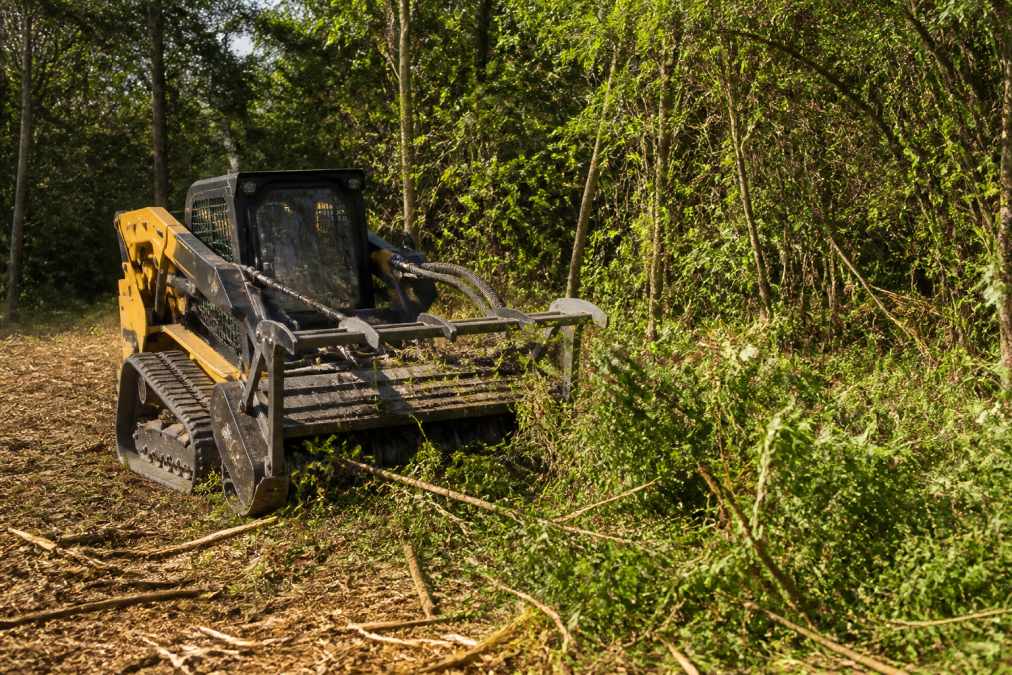
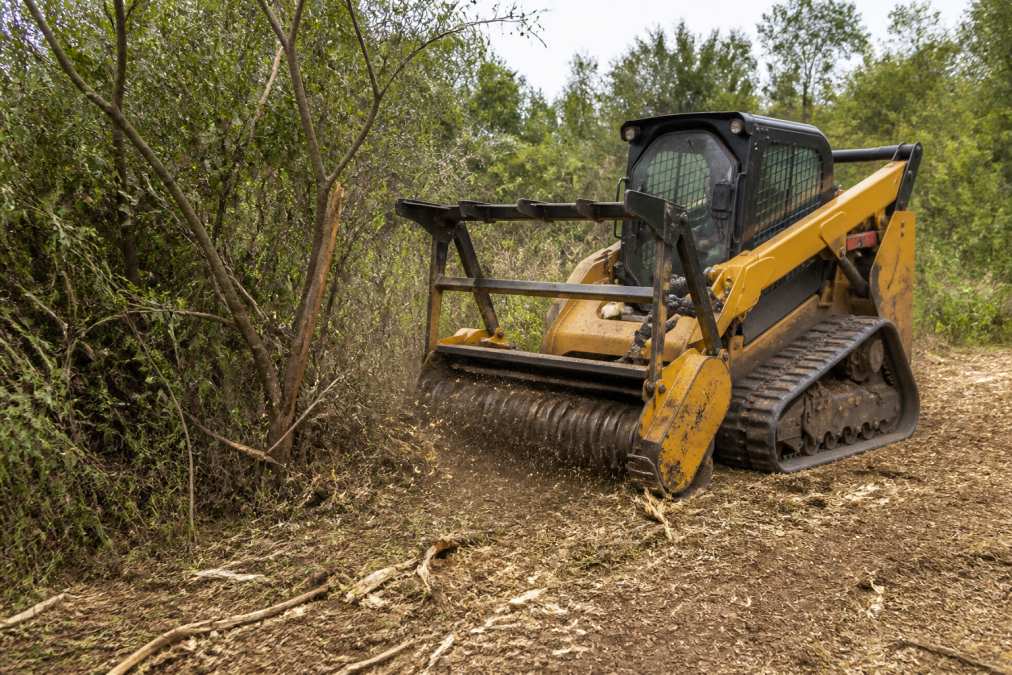
Forestry mulching is usually the better fit for hobby farms under roughly 20 acres, while bulldozing makes more sense when you need to move earth, not just remove vegetation. Mulching grinds standing brush and small trees into surface mulch; bulldozing pushes everything into piles and scrapes down to bare soil.
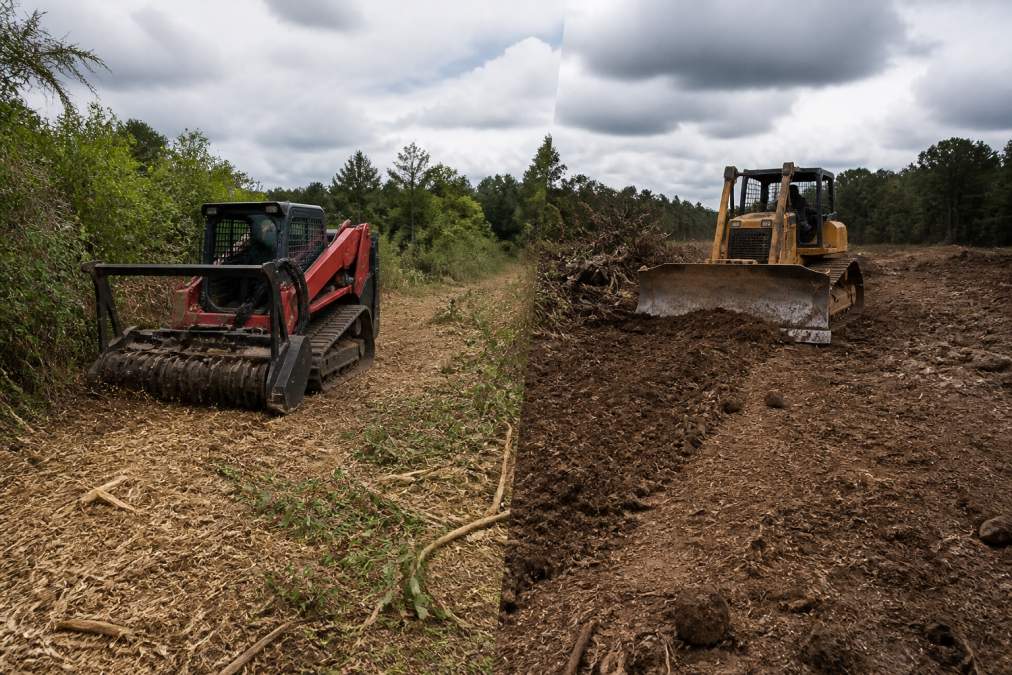
The practical differences:
- Soil disturbance. Mulching leaves the root structure and topsoil largely intact. A dozer blade strips topsoil and compacts what's underneath.
- Speed on light growth. For brush and saplings, mulching covers ground fast.
- Earthmoving. If you need land grading, drainage planning, or a pad for a building, you need a dozer or excavator.
- Finish. Mulching leaves a rough, natural surface. Bulldozing leaves bare dirt that needs seeding quickly.
A common mistake is hiring a dozer for a job that only needed vegetation management. You end up with bare ground, no topsoil structure, and an erosion problem you didn't have before.
| Factor | Forestry Mulching | Bulldozing |
|---|---|---|
| Best for | Brush, saplings, fence lines | Earthmoving, pads, grading |
| Topsoil impact | Mostly preserved | Often stripped |
| Debris | Left as mulch | Piled or hauled off |
| Erosion risk | Lower | Higher without reseeding |
| Typical use | Pasture reclamation | Site preparation |
Land Clearing Permits and Regulations You Need to Check First
Permit requirements for land clearing vary by state, county, and sometimes by watershed, so there is no single national answer. Work through the four regulatory layers almost every project touches, in order, before any equipment shows up.
1. County and municipal land disturbance rules. Many counties set a disturbance threshold, commonly between one and five acres, above which you must file a grading or land-disturbance permit and submit an erosion and sediment control plan (the EPA). Below it you may be exempt, but the exemption usually still carries a maintenance obligation. Call your county planning or environmental health office and ask two questions: what is the disturbance threshold, and does my project trigger a plan.
2. State forestry and water quality rules. Most states regulate clearing near streams, ponds, and wetlands through a buffer or riparian management zone. Typical buffer widths run from 25 to 100 feet depending on the water body and the state, and removing vegetation inside that zone can require a permit or be prohibited outright. Your state forestry agency and state environmental agency both publish buffer guidance; the USDA Natural Resources Conservation Service conservation planning resources explain how soil, water, and vegetation decisions interact on working land.
3. Federal wetlands and waterways. If any part of the property contains a wetland or a water of the United States, the U.S. Army Corps of Engineers administers the Section 404 permit program under the Clean Water Act. Small hobby-farm clearing is often covered by a general or nationwide permit, but you still have to confirm jurisdiction before you dig or grub. The Corps district office covering your county is the authority, not a contractor.
4. Agricultural and timber tax exemptions. If your land is enrolled in an agricultural use, timber, or greenbelt exemption, clearing can change that classification and your property tax treatment. Confirm with your county appraisal district before you cut, because reinstating an exemption after the fact is far harder than preserving it.
What to have ready when you call. Parcel number, acreage, water features, and a rough description of what you intend to remove. That is enough for most offices to tell you in one call whether you need a permit, a plan, or nothing at all.
The erosion control plan is the part people underestimate. If your project crosses the disturbance threshold, the plan is not a formality, it specifies silt fencing, inlet protection, stabilized construction entrances, and a seeding or mulching deadline. Inspectors do visit, and a failed inspection stops work. Write the plan before you schedule the crew, not after.
Pasture Reclamation Techniques for Overgrown Fields
Pasture reclamation is the process of bringing an overgrown field back into productive grazing or haying condition. It almost always takes two passes: the first knocks down standing growth, the second handles what comes back.
A workable sequence:
- Assess and map. Identify what's worth keeping, what's invasive, and where the wet spots and drainage issues sit.
- Clear the woody vegetation. Mulch or cut the brush, saplings, and volunteer trees.
- Grub the stumps. Remove the root system on anything large enough to damage equipment or livestock.
- Address drainage. Fix the low spots before you seed, not after.
- Soil test. Find out what your pH and nutrient levels actually are.
- Seed and manage. Establish a pasture mix suited to your soil and grazing plan.
That second pass is where most people get surprised. Brush hogging alone leaves the root system intact, and within a season you're back where you started. Getting the roots out is what changes the outcome.
DIY vs. Hiring a Crew: A Real Cost-Benefit Breakdown
Hiring a crew usually wins on anything beyond light brush on flat ground, and the gap widens fast as acreage and vegetation size increase. The honest comparison isn't rental cost versus a quote. It's rental cost plus your time plus the risk of a job half-done.
Where DIY makes sense:
- Small areas of light brush you can reach with a brush hog or chainsaw
- Fence line touch-ups you'll repeat annually anyway
- Clearing where you already own the equipment
Where hiring wins:
- Dense woody vegetation or anything needing grubbing
- Stump removal, which requires specialized equipment
- Any work near structures, utilities, or waterways
- Timelines where you need it done in days, not months
The thing nobody tells you about DIY clearing is the equipment learning curve. A skid steer with a mulcher head is unforgiving to an operator with ten hours of seat time, and a damaged or rolled machine costs more than the job would have.
SemperFi Land Clearing LLC handles everything from a quarter-acre fence line to full acreage projects, and the free assessment tells you up front whether your job is one we'd honestly tell you to do yourself.
Soil Health and Erosion Control After Land Clearing
Erosion control after clearing is the step most landowners skip, and it determines whether the work holds. Bare soil with no root structure loses topsoil to the first heavy rain, and once topsoil is gone, it doesn't come back quickly.
What actually protects the ground:
- Leave mulch in place. The layer of shredded material from forestry mulching is erosion protection, not waste. Don't burn it or haul it off.
- Seed bare ground quickly. Don't leave exposed soil through a rainy season.
- Preserve buffer strips. Undisturbed vegetation along drainage ways and property edges slows water and filters sediment.
- Test your soil. A soil test tells you what amendments the ground needs before you seed, rather than after a failed stand.
- Plan drainage first. Water that pools after clearing will pool worse once the vegetation that was drinking it is gone.
Soil compaction from heavy equipment is the other quiet problem. Repeated passes over wet ground squeeze the pore space out of soil, and compacted ground sheds water instead of absorbing it. Timing work for dry conditions and limiting equipment passes matters more than most people realize.
The USDA Natural Resources Conservation Service soil health guidance covers how cover, organic matter, and structure interact, and it's worth reading before you decide what to plant on newly cleared ground.
Frequently Asked Questions
How much does 1 acre of land clearing cost?
The cost of land clearing per acre depends on vegetation density, terrain, access, and the method used. Get a free on-site assessment for an accurate number for your land.
Do I need a permit to clear land on my property?
It depends on your local rules. Many counties require permits for clearing above a certain acreage, near waterways, or in areas with agricultural zoning restrictions. Some also have erosion control or sediment basin requirements. Check with your county planning office before you start, and ask about any restrictions on heavy equipment access or debris burning.
What is the most efficient way to clear brush for a farm?
Forestry mulching is often the most efficient option for brush and small trees under about 8 inches in diameter. It grinds vegetation into mulch in a single pass, leaving the soil mostly undisturbed and the mulch to break down as organic matter. For larger trees or stumping, a bulldozer or excavator may be needed. The right method depends on what's growing on your land.
Should I clear all the trees on my hobby farm?
Not necessarily. Clearing everything removes shade, wildlife habitat, and windbreaks that can benefit your farm long-term. Many hobby farmers clear selectively, removing invasive species and overcrowded trees while keeping healthy hardwoods and leaving buffer strips along property lines and waterways. A site assessment can help you decide what to keep and what to clear.
Clearing acreage is a decision with a long tail: the method you pick shapes your soil, your drainage, and how much work the next five years involve. SemperFi Land Clearing LLC brings veteran-owned reliability, specialized 10 ft fence line clearing, and expert forestry mulching to every project, backed by a free land assessment so you know exactly what you're dealing with before anyone starts a machine. Get an estimate from SemperFi Land Clearing LLC and start with ground you can actually use.