 how-to
How to Remove Heavy Brush: A Step-by-Step Guide
Table of Contents
- What You'll Need Before You Remove Heavy Brush
- Best Equipment for Land Clearing: Manual and Power Tools
- Step-by-Step: How to Remove Heavy Brush Effectively
- How to Dispose of Brush Piles After Clearing
- Soil Health and Erosion Control After Brush Removal
- Common Mistakes to Avoid When Clearing Heavy Brush
- When to Hire Professional Land Clearing Services
- Frequently Asked Questions
Last Updated: August 29, 2026
What You'll Need Before You Remove Heavy Brush
Learning how to remove heavy brush requires the right gear, permits, and tools before you start. This guide covers safety equipment, legal requirements, the right tools, and debris handling.
Heavy brush removal is the systematic clearing of dense overgrown vegetation, saplings, vines, shrubs, and woody ground cover, from a property using manual or powered equipment. Done correctly, it improves land access, supports pasture health, and prepares sites for construction. Done carelessly, it creates erosion, legal trouble, and serious injury risk.
Safety Gear and Protective Equipment
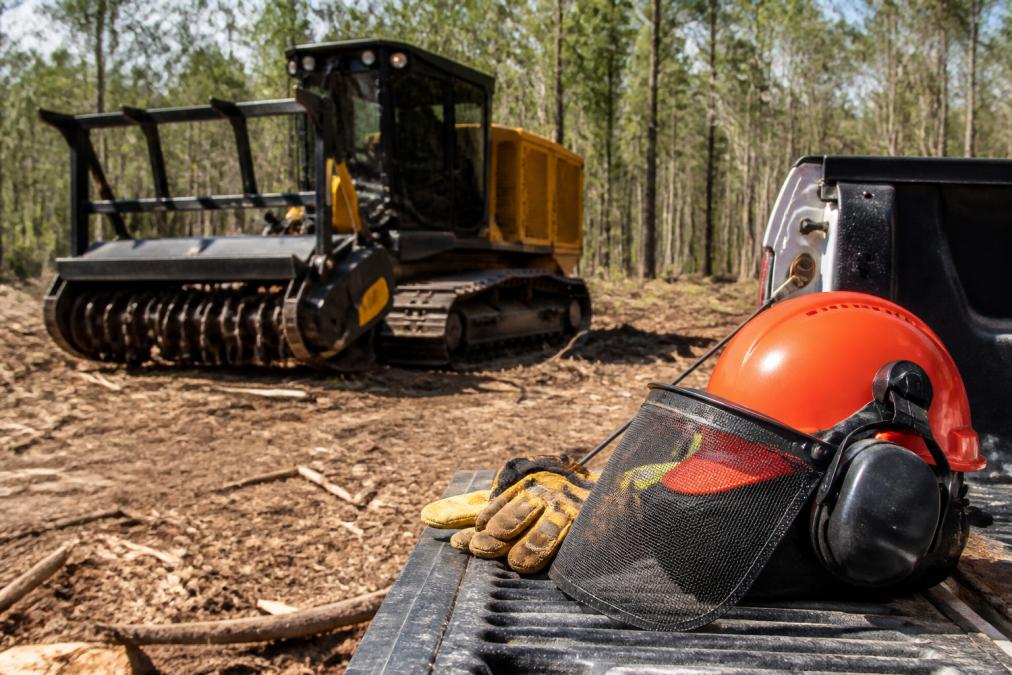
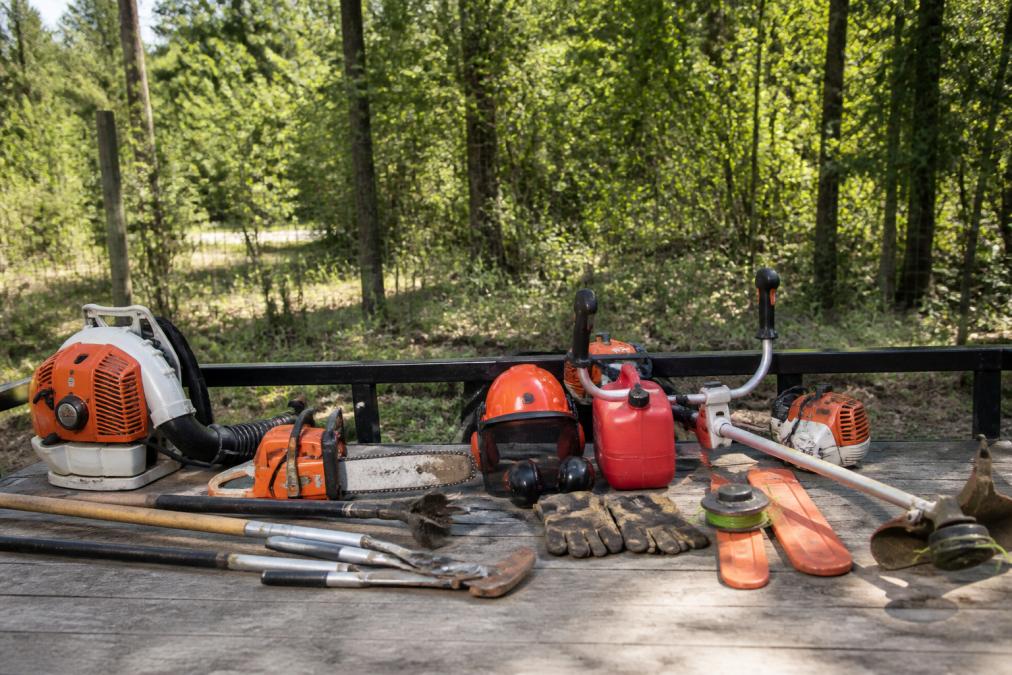
Brush clearing ranks among the more hazardous forms of land maintenance. Flying debris, hidden stumps, unstable terrain, and loud equipment create real injury risk. Before you remove heavy brush, assemble this protective gear:
- Cutting helmet with integrated face shield and hearing protection
- Cut-resistant chaps or pants, chainsaw-rated
- Steel-toed boots with ankle support
- Heavy leather gloves
- High-visibility vest
- Eye protection, safety glasses under the face shield
According to the OSHA guidelines on chainsaw and brush clearing safety, most brush-clearing injuries involve lacerations and struck-by incidents, both almost entirely preventable with the right gear. Don't skip the chaps.
Permits and Legal Requirements
Open burning is regulated at the state and county level. Before you pile debris and light a match, check your local county burn ban status, many areas require a permit or prohibit open burning during dry seasons. The EPA's guidance on open burning regulations outlines federal restrictions that apply on top of local rules.
If your property borders a waterway, wetland, or protected habitat, vegetation removal may trigger additional review under the Clean Water Act or local ordinances. Clearing near fence lines that border a neighbor's property can raise trespass and liability questions. A quick call to your county extension office or local code enforcement takes five minutes and can save significant headache.
Best Equipment for Land Clearing: Manual and Power Tools
The right equipment depends on brush density, area size, and terrain. There's a clear hierarchy of tools for different jobs.
Manual Hand Tools for Brush Clearing
Manual tools make sense for small areas, detail work around structures, and situations where power equipment can't safely reach.
| Tool | Best For | Limitation |
|---|---|---|
| Brush hook | Thick vine tangles, woody stems | Tiring on large areas |
| Loppers | Saplings up to 2 inches diameter | Limited cutting capacity |
| Pole saw | Overhead branches, tall saplings | Slow on dense brush |
| Hedge trimmer | Light overgrown vegetation, shrubs | Not for woody stems |
| Machete | Vines, cane, light ground cover | Ineffective on thick stems |
A brush hook is underrated. It cuts through vine tangles and woody ground cover faster than battery-powered tools in tight spaces.
Power Equipment and Machinery
For anything over a quarter acre of heavy brush, power equipment is essential.
Walk-behind brush mower: A self-propelled, heavy-duty walk-behind brush mower handles saplings up to 3 inches in diameter and dense overgrown vegetation efficiently. Look for models with brush cutting blades rated for woody material.
Chainsaw: Essential for saplings and small trees above 3 inches in diameter, fallen timber, and stump work. A mid-range 18-20 inch bar handles most residential clearing.
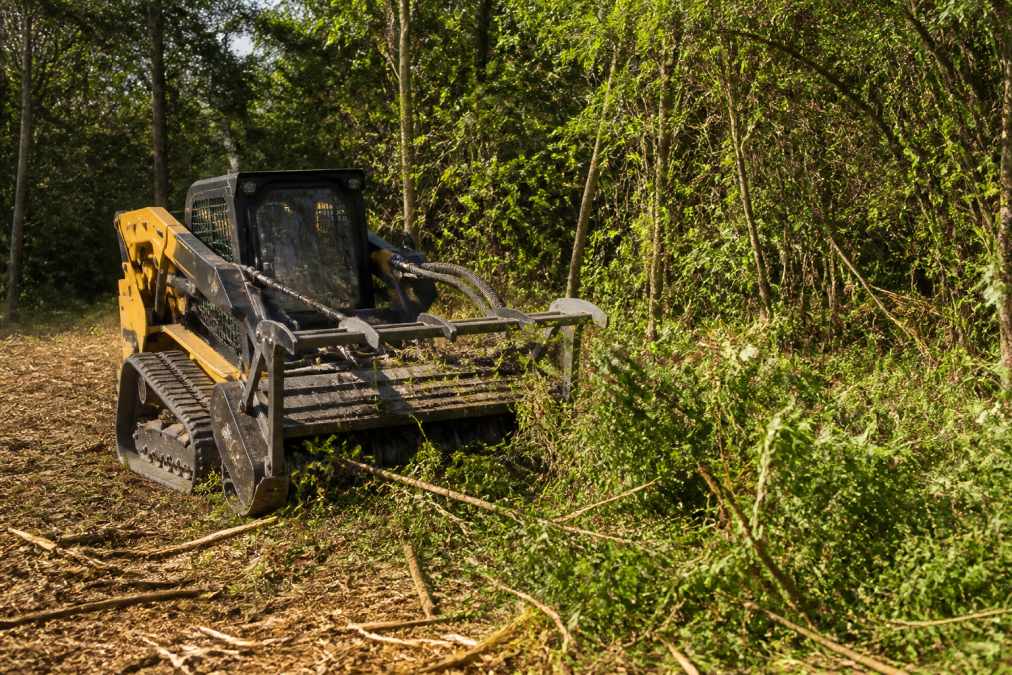
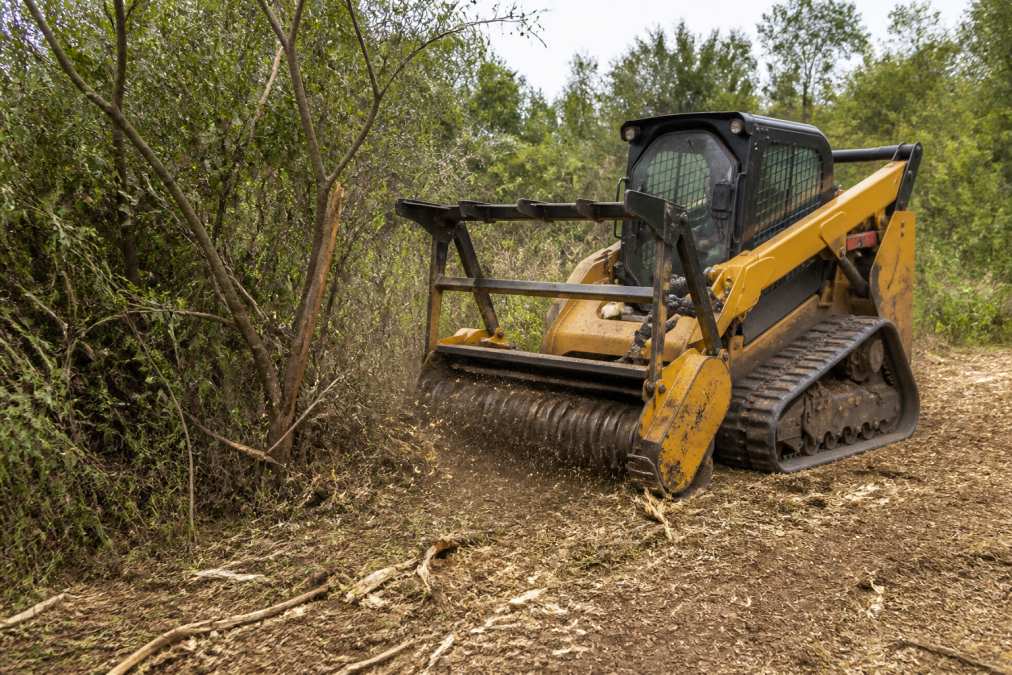
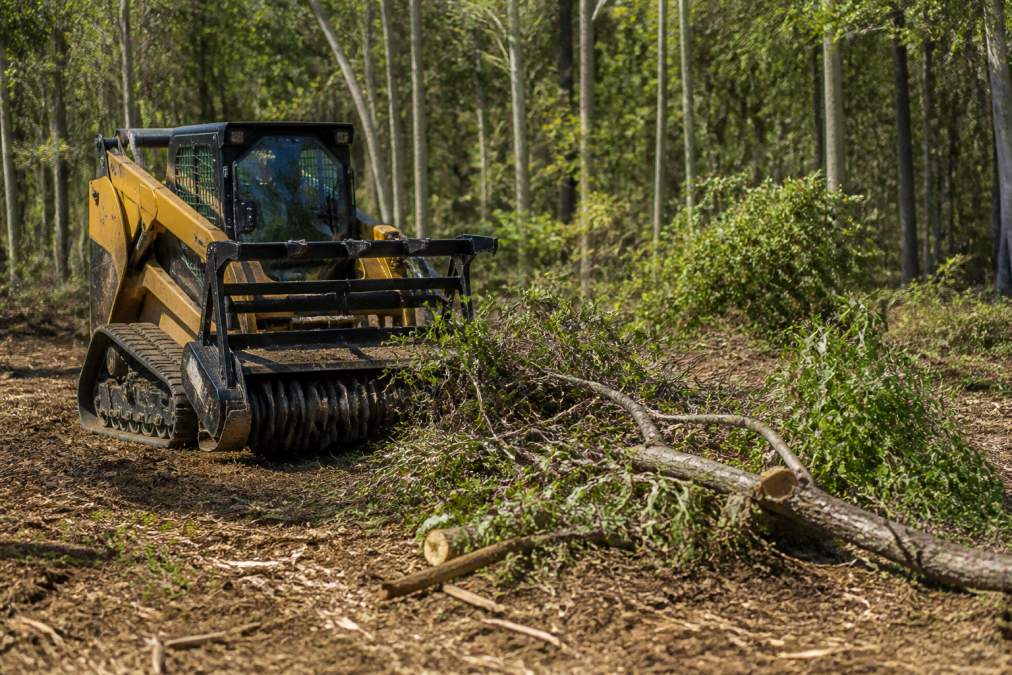
Forestry mulcher (skid-steer or track attachment): The most efficient tool for large-scale land clearing. A forestry mulcher grinds vegetation, including saplings, stumps, and heavy brush, directly into mulch on the ground. This eliminates a separate debris removal step and improves soil health.
Skid-steer with brush grapple: Useful for grabbing and piling debris after cutting, dramatically speeding up hauling on larger jobs.
Renting vs. Buying Equipment
Renting makes sense for one-time projects. A walk-behind brush mower rental typically runs by the day or half-day. Buying makes sense if you're maintaining a property annually or managing multiple acres. If you're clearing more than 2 acres or plan to maintain fence lines and pastures on a recurring schedule, owning a quality brush mower pays for itself within a few seasons.
Step-by-Step: How to Remove Heavy Brush Effectively
Effective brush removal follows a clear sequence. Skipping steps, especially the survey walk, leads to equipment damage and safety incidents.
Step 1: Walk the property. Identify hidden obstacles, old wire fencing buried in vegetation, stumps, rock outcroppings, and drainage channels. Mark them with survey flags before you start cutting.
Step 2: Start at the perimeter. Work inward from the edges. This gives you a clear exit path and prevents you from boxing yourself into dense brush.
Step 3: Cut the tallest material first. Take down saplings and small trees before you tackle ground-level brush. Falling material on top of already-cut brush creates dangerous tangles.
Step 4: Work in passes. Make a rough cut first, then a cleanup pass to get the remaining ground cover.
Step 5: Remove or mulch debris as you go. Leaving large debris piles creates a tripping hazard and makes subsequent passes harder.
Clearing Saplings, Vines, and Overgrown Vegetation
Saplings under 3 inches in diameter are best handled with a brush mower or chainsaw depending on density. Vine tangles are the most time-consuming element of any land clearing job. The most effective approach: cut vines at the base first, let them die back for a week if possible, then cut and remove.
Invasive species like kudzu and privet require a different approach. Cutting alone won't stop them. After mechanical removal, treated cut stumps and follow-up vegetation management are necessary to prevent rapid regrowth.
Clearing Brush on Sloped Terrain
On terrain steeper than 15 degrees, a standard walk-behind brush mower becomes difficult to control and a rollover risk. Work across the slope, not up and down it. On steep ground, a self-propelled brush mower with a low center of gravity or a tracked forestry mulcher is far safer than a wheeled machine.
Always position yourself uphill from the cutting head when working on slopes. Plan your felling direction carefully, a sapling falling downhill picks up speed fast.
Seasonal Timing for Best Results
The best time to remove heavy brush is late winter to early spring, before new growth starts. Vegetation is dormant, sap isn't running, and you can see the terrain clearly without full leaf cover. This also makes stump treatment more effective.
Summer clearing is possible but harder; vegetation is at full density and heat increases fatigue risk. Fall is a reasonable second choice, particularly after the first frost.
How to Dispose of Brush Piles After Clearing
Plan your disposal method before you start cutting. A cleared property with a 6-foot debris pile in the middle isn't actually cleared.
Chipping, Mulching, and Hauling Options
Chipping: A wood chipper converts brush and small limbs into usable wood chips. Chips can be spread as mulch around trees, used as ground cover on trails, or left in place to decompose and improve soil organic matter.
Forestry mulching in place: If you're using a forestry mulcher, debris is processed on the spot. The resulting mulch layer suppresses weed regrowth, retains soil moisture, and breaks down into organic matter over time.
Hauling: For smaller jobs or debris that can't be chipped on site, haul to a transfer station or composting facility. Many counties accept yard waste and brush at no charge or low cost.
According to the USDA Forest Service guidance on woody debris management, leaving some woody debris in place on non-agricultural land can benefit soil biology and wildlife habitat.
Burning: Rules and When It Makes Sense
Open burning is the fastest way to eliminate large debris volumes, but it comes with real constraints. Most counties require a burn permit, and many have seasonal burn bans. Always check your county's current burn ban status before burning.
When burning is permitted:
- Maintain a minimum 50-foot clearance from structures, fences, and tree lines
- Have a water source and hand tools on site before you light
- Never burn on windy days
- Attend the fire at all times until fully extinguished
Burning makes the most sense for remote properties with large debris volumes where hauling isn't practical. For properties near structures or in areas with frequent burn bans, chipping or mulching is the safer default.
Soil Health and Erosion Control After Brush Removal
Removing heavy brush exposes bare soil to rain and wind. On sloped properties, erosion can begin within the first rainfall event after clearing.
Immediate steps after clearing:
- Spread wood chips or straw mulch over exposed soil on slopes
- Seed with a fast-establishing cover crop (annual rye, clover, or native grasses) within 2 weeks of clearing
- Install silt fencing or erosion control blankets on slopes above 10 degrees before the first rain
- Avoid compacting soil with heavy equipment during wet conditions
Forestry mulching has a natural advantage here. Because the mulch layer stays in place, it immediately covers and protects the soil surface.
Common Mistakes to Avoid When Clearing Heavy Brush
1. Starting without a property survey walk. Hidden wire fencing destroys equipment and creates serious injury risk. Flag obstacles before you start.
2. Using the wrong tool for the density. A standard string trimmer won't handle heavy brush. Underpowered equipment damages the tool, exhausts the operator, and produces poor results.
3. Ignoring stump treatment on invasive species. Cutting without treating means regrowth, especially for privet and Chinese tallow.
4. Skipping erosion control. Bare soil on a slope after clearing is a liability. One heavy rain can move significant topsoil before new vegetation establishes.
5. Burning without checking burn ban status. A burn violation fine is entirely avoidable. Check current county burn ban status every time.
6. Underestimating the job. Three acres of thick brush is a multi-day project with proper equipment. Accurate scope assessment before you start saves time and money.
When to Hire Professional Land Clearing Services
Recognizing when a job exceeds DIY scope early saves money compared to starting, damaging equipment, and calling a professional to finish.
Hire professional land clearing services when:
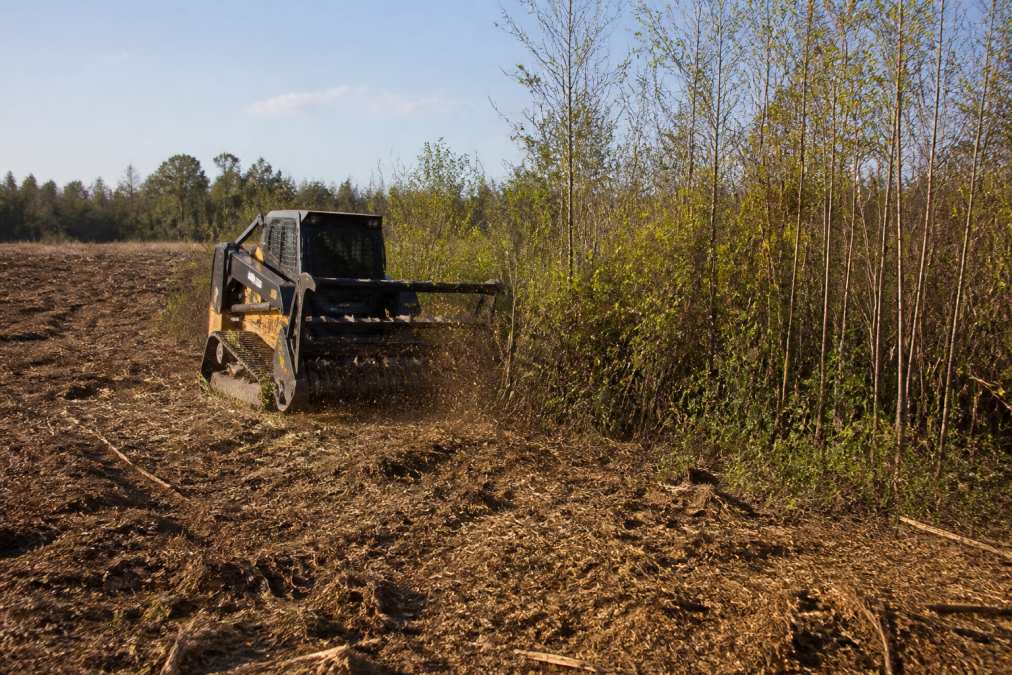
- The area exceeds 1-2 acres of dense brush. Professional equipment, particularly a tracked forestry mulcher, completes in hours what would take a DIY crew days.
- The terrain is steep or unstable. Professional operators have the training and equipment to work safely on slopes where a homeowner faces real injury risk.
- Invasive species require integrated management. Mechanical clearing combined with stump treatment and follow-up vegetation management is a coordinated process.
- Site preparation is required for construction. Clearing for a subdivision, building pad, or access road involves grading, stump removal, and soil management requiring professional-grade equipment.
- You need documented results. Real estate listings, permitting applications, and development projects often require professional clearing with documented scope of work.
SemperFi Land Clearing LLC offers free land assessments for property owners who aren't sure whether a job is DIY-viable or needs professional equipment. A site visit costs nothing and gives you an honest answer before you rent equipment or start cutting. The Texas A&M AgriLife Extension's land management resources also provides guidance on vegetation management planning for landowners who want to understand their options.
Removing heavy brush is one of those jobs where the preparation and planning matter as much as the work itself. The right gear, the right sequence, and a clear disposal plan make the difference between a clean result and a half-finished mess.
Overgrown acreage, dense fence lines, and heavy brush don't clear themselves, and the longer you wait, the harder the job gets. SemperFi Land Clearing LLC provides expert land clearing and forestry mulching solutions for property owners who need the job done right the first time. Our veteran-owned team offers free land assessments, specialized fence line clearing, and forestry mulching that protects soil health while eliminating overgrowth. Get an estimate from SemperFi Land Clearing LLC and find out exactly what your property needs.
Frequently Asked Questions
Q: What is the best tool for clearing heavy brush?
A: The best tool depends on the density and size of the overgrowth. A brush hook or machete handles light vine tangles and ground cover, while a heavy-duty brush mower or walk-behind self-propelled mower works well on thicker stands. For saplings and small trees up to a few inches in diameter, a chainsaw or pole saw is the most efficient choice. For large acreage with dense overgrown vegetation, a forestry mulcher mounted on a skid steer offers efficient results with minimal soil disturbance.
Q: Is it better to burn or chip cleared brush?
A: Chipping is generally the better option for most properties. It produces mulch that can be spread to suppress regrowth, protect soil, and reduce erosion. Burning is faster for large debris piles but requires checking local burn regulations and fire restrictions, which vary by county and season. Open burning is prohibited in many areas during dry conditions. If you have a large brush pile and burning is permitted, it can work well, but chipping or hauling is safer, more flexible, and better for soil health.
Q: What safety gear is required for heavy brush removal?
A: At minimum, wear a cutting helmet with an integrated face shield and hearing protection, heavy-duty gloves, chainsaw-rated chaps or pants if operating a chainsaw, steel-toed boots, and long sleeves. A weedwhacker or brush mower can throw debris at high speed, so eye and face protection are non-negotiable. OSHA standards under 22 CFR 1910 and 1926 govern personal protective equipment in occupational settings, but even for DIY work, following those equipment standards is the safest approach.
Q: When should I hire a professional land clearing service instead of doing it myself?
A: Hire a professional when the area exceeds roughly half an acre, when the terrain is steep or unstable, when there are large trees or stumps requiring removal, or when invasive species need targeted vegetation management. Professional land clearing services also make sense when you need the job done on a strict timeline, or when soil health and erosion control after clearing are a concern. A free land assessment from a qualified contractor can clarify scope and cost before you commit to any approach.