 how-to
How to Choose Land Management Companies Near You
Table of Contents
- What Land Management Companies Actually Do
- Step 1: Define Your Land Management Goals
- Step 2: How to Clear Overgrown Land With Professional Help
- Step 3: Understand Land Clearing Services Cost Factors
- Step 4: Evaluate Forestry Mulching Benefits for Your Property
- Step 5: Vet Companies: Experience, Equipment, and References
- DIY vs. Hiring Land Management Companies Near You
- Questions to Ask Before You Sign
- Frequently Asked Questions
Last Updated: September 9, 2026
What Land Management Companies Actually Do
Finding the right land management companies near me starts with understanding what these professionals actually handle: preparing, maintaining, and improving property through land clearing, vegetation control, and habitat restoration.
Most people search for land management companies because their acreage is overgrown, they are preparing a site for construction, or they need to improve wildlife habitat. These firms bring in heavy equipment such as forestry mulchers and excavators to handle work that is unsafe or impractical for a homeowner with a brush cutter.
The value of a professional lies in the assessment: knowing what the land needs, what equipment works without destroying topsoil, and how to sequence the work. That expertise protects your property value and prevents paying for unnecessary services.
Step 1: Define Your Land Management Goals
Before you contact any land management companies, write down what you actually want the finished property to look like. This single step determines which services you need and how much the project will cost.
Your goals will typically fall into one of these categories:
- Site preparation: Clearing land for a new home, barn, or subdivision
- Pasture and fence line maintenance: Reclaiming grazing areas and keeping fence lines visible
- Wildlife habitat improvement: Establishing food plots, trails, and bedding areas
- Overgrowth removal: Restoring visibility and access to existing structures
A common mistake is calling for a quote before defining the outcome, clearing for a building pad is a different project than clearing for a food plot. Describing your goal clearly lets a professional give an accurate assessment rather than a generic estimate.
Step 2: How to Clear Overgrown Land With Professional Help
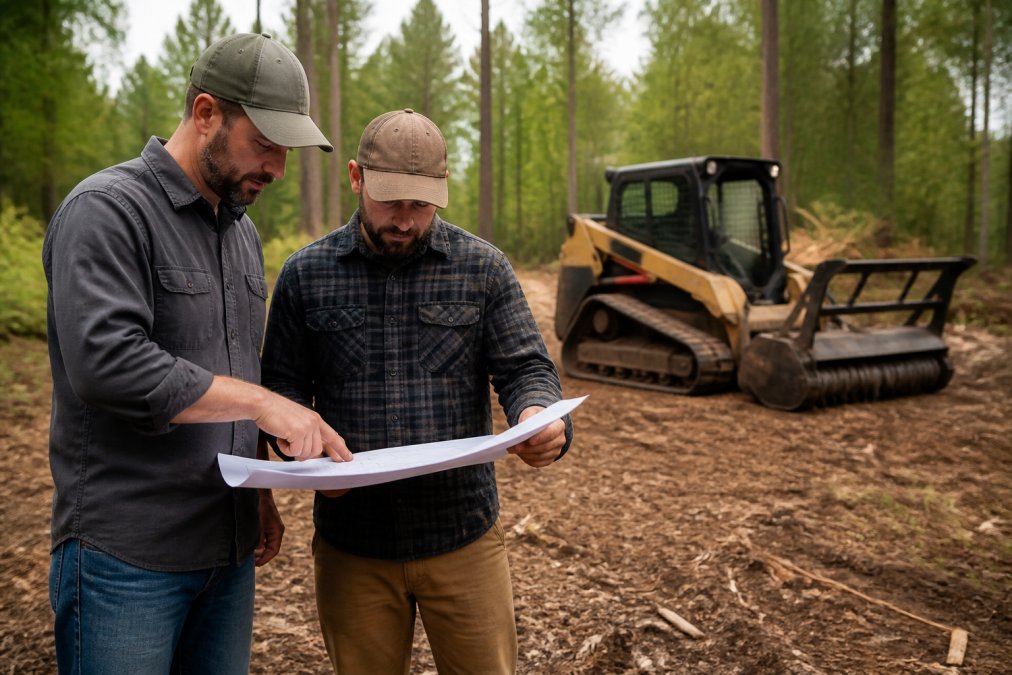
The most effective way to clear overgrown land starts with a site walkthrough, not a phone estimate. A professional needs to see brush density, terrain slope, and soil moisture to recommend the right approach.
The actual clearing process for heavily overgrown acreage typically follows this sequence:
- Baseline assessment: Walk the property to identify target species, obstacles, and sensitive areas
- Equipment selection: Match the mulcher or excavator size to the density of the vegetation
- Clearing pass: Grind brush and small trees down to ground level
- Debris management: Leave mulch in place for erosion control or remove it for planting
- Follow-up plan: Schedule maintenance to prevent aggressive regrowth
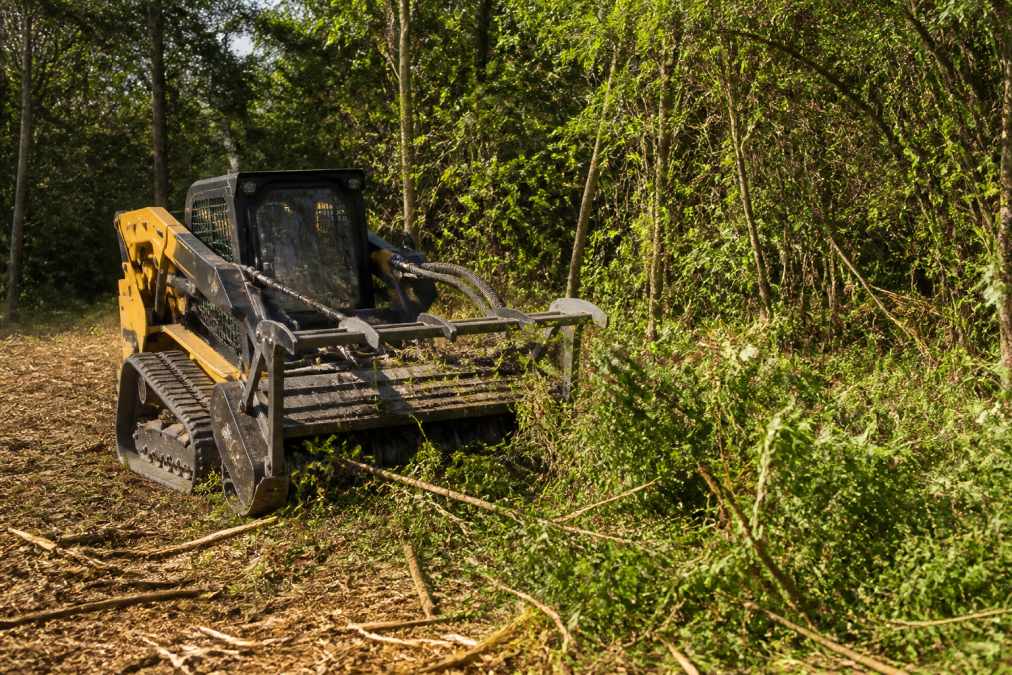
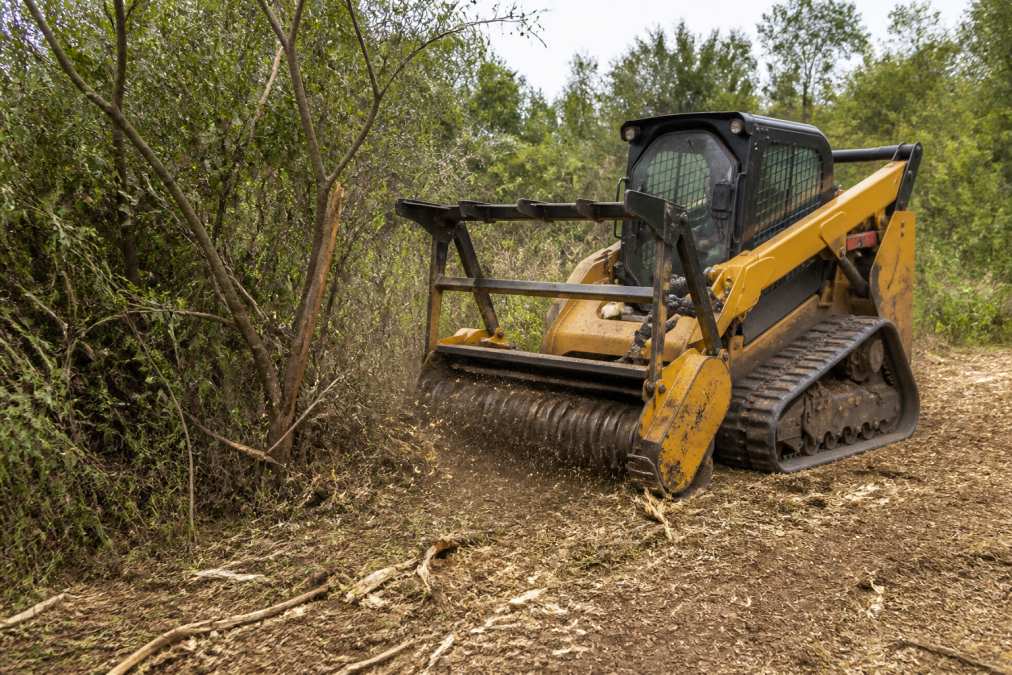
How to clear overgrown land without tearing up your soil comes down to forestry mulching rather than dozing. A mulcher grinds vegetation in place, leaving wood chips that protect topsoil and break down into organic matter, avoiding the muddy mess and erosion from dragging debris.
Step 3: Understand Land Clearing Services Cost Factors
Most land management companies treat pricing like a state secret, you will rarely see a published price list because every property is different. Understanding how land clearing services cost is calculated puts you in a stronger negotiating position and helps you spot a lowball bid.
The Real Cost Drivers, Ranked by Impact
While every site is unique, industry practitioners consistently rank these factors as the primary levers on your final quote:
-
Vegetation Density and Diameter (Biggest Factor): The difference between clearing 2-inch saplings and 12-inch hardwoods is night and day. A mulcher chews through light brush, but dense timber might slow it down. More machine hours equals more cost.
-
Terrain and Accessibility: Slope is the enemy of a track-mounted mulcher, operating on a 30-degree incline is slower and riskier than on flat ground. A site a half-mile from the road adds mobilization time and the risk of getting equipment stuck.
-
Disposal Method: This is where you have the most control over price. Mulching in place is almost always the most economical option because it eliminates hauling fees and dump charges. Raking or hauling debris off-site adds labor and disposal costs.
-
Stump Removal: Standard clearing grinds vegetation to ground level, leaving roots intact. Grinding stumps out to 12-18 inches below grade for a building pad or driveway is a separate service priced by stump diameter (the FDA).
A Realistic Cost Estimation Framework
Because a flat per-acre rate is misleading, ask for a tiered estimate based on your property's condition. Firms commonly quote a range per acre for different conditions:
- Light Maintenance: Grassy fields with scattered saplings and brush less than 1 inch in diameter. This is the lowest cost per acre tier.
- Moderate Clearing: Mixed brush, vines, and trees up to 4-6 inches in diameter. This is the most common scenario for neglected acreage.
- Heavy Reclamation: Dense, mature timber, multi-flora rose thickets, or land untouched for 10+ years. This tier carries the highest per-acre cost due to slow machine progress.
Ask the estimator to classify your property into one of these tiers. If they refuse and only offer a lump-sum number, that is a red flag they are not doing a thorough site assessment.
The Hidden Cost of the 'Cheapest Bid'
A low bid is not a bargain if the contractor plans to "skim" the property, cutting tops off brush and leaving 6-12 inches of stubble. This looks fine from the road but leaves a hazardous, uneven surface. A professional job grinds vegetation to ground level, leaving a smooth, mulched surface.
When comparing bids, ensure each contractor quotes the same end-state. Ask: "Will the ground be level enough to walk on and mow after you leave?" The answer tells you more about true cost than any per-acre number.
How to Get an Accurate Number Fast
To speed up the estimation process, do this before the contractor arrives:
- Mark your property lines with flagging tape so there is no ambiguity about the work area.
- Identify any buried utilities or underground sprinkler lines.
- Walk the perimeter and note any wet, boggy areas that might be impassable.
- Take photos of the densest and most open sections to share with the estimator.
A contractor who sees you have done your homework is more likely to give a precise, competitive bid because you have reduced their assessment time. This also helps you compare quotes on an apples-to-apples basis.
Step 4: Evaluate Forestry Mulching Benefits for Your Property
Forestry mulching benefits go beyond simple brush removal. This method grinds standing vegetation into a layer of mulch that stays on site, changing how the land recovers.
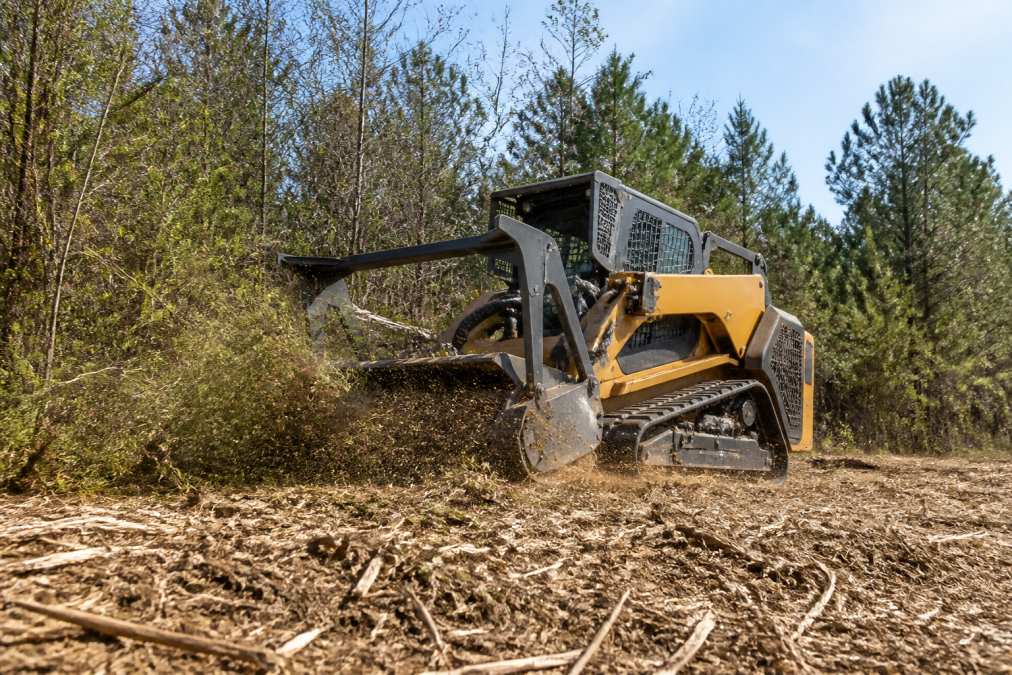
The key advantage is soil conservation. The mulch shields topsoil from erosion, and as it decomposes, it adds organic matter that supports healthier regrowth of native species.
Mulching also eliminates burning or hauling debris, shortening the timeline and avoiding open-burn regulations. The mulch layer suppresses weed germination while allowing desirable grasses and forbs to establish, making it the preferred method for wildlife habitat and pasture reclamation.
Step 5: Vet Companies: Experience, Equipment, and References
Choosing between land management companies near me requires more than comparing prices. You are hiring someone to operate heavy machinery, and the wrong operator can cause lasting damage.
Ask these questions during your initial call:
- How many years have you operated a forestry mulcher?
- What equipment will you bring, and is it suited to my property's density?
- Can you provide references from similar projects in the area?
- Are you insured, and will you provide proof before work begins?
- Will you walk the property with me before giving a final price?
Reliability matters as much as skill. Property owners often share stories of contractors who took a deposit and disappeared or showed up weeks late. A veteran-owned operation like SemperFi Land Clearing LLC prides itself on delivering precision, efficiency, and reliability for every project. Ask for local references and check recent work, past performance is the strongest predictor of future results.
DIY vs. Hiring Land Management Companies Near You
Attempting to clear overgrown land yourself is tempting, especially for smaller acreage. But DIY land clearing is slow, physically demanding, and often more expensive than hiring a professional once you account for equipment rental and your time.
Consider the comparison:
| Approach | Best For | Key Drawback |
|---|---|---|
| DIY with brush cutter | Light grass and small saplings | Weeks of labor for minimal results |
| Rented equipment | One-time projects with flat terrain | Operator inexperience damages soil |
| Professional land management | Dense brush, acreage, or sensitive sites | Higher upfront cost |
The DIY route makes sense for maintaining a quarter-acre fence line with a brush hog. Once you face acres of thick brush, mature trees, or uneven terrain, the math changes. A professional crew can complete work more efficiently than a homeowner, without tearing up the ground. For light maintenance, hiring a land management company for a one-time cleanup and keeping up with it yourself can be a cost-effective long-term strategy.
Questions to Ask Before You Sign
Before you commit to any contract, get clear answers on logistics, expectations, and the legal side of the job. The cheapest bid is not the best value if the company cannot start for two months, plans to cut corners on soil protection, or is unaware of regulatory hurdles that could halt your project.
The Regulatory Question Most Owners Forget
Land clearing is not just mechanical; it is often regulated. Depending on your location and scope of work, you may need permits before a single tree is touched. A professional land management company should be your guide through this process, not a roadblock.
Ask these specific questions to uncover potential legal issues before they become expensive delays:
- "Does this project require a permit from the local county or municipal planning department?" Many jurisdictions require a land disturbance permit for any activity that moves soil or clears vegetation beyond a minimal threshold.
- "Are there any wetland or stream buffer restrictions on my property?" The U.S. Army Corps of Engineers regulates activities that impact wetlands and navigable waters (army.mil). If your property has a creek, pond, or seasonal wetland, clearing within the buffer zone may require a permit or a jurisdictional determination.
- "Will you handle the permitting, or is that my responsibility?" Some companies include permit filing in their service; others expect the landowner to handle it. Clarify this in writing before work begins. If they say "we don't deal with permits," that is a warning sign that they may not operate with full compliance in mind.
- "Is there a local tree preservation ordinance that applies?" Some municipalities protect certain tree species or require a replanting plan for large-scale clearing. Ignorance of these rules can result in fines or a stop-work order.
- "Do I need a burn permit if you are piling and burning debris?" Open burning is heavily restricted in many areas, especially during dry seasons (the EPA). If the contractor plans to burn, they must confirm it is legal on your specific parcel and obtain the necessary burn permit from the local fire marshal or air quality district.
The 'Who Is Responsible' Test
A good contractor will not just answer your questions; they will proactively flag potential issues. When you ask about permits, listen for whether they speak from experience. A firm that has done local work will know the county planning office, the typical permit timeline, and whether your project is likely to trigger review.
Ask them to put their regulatory assessment in writing. A contract line stating, "Contractor is responsible for obtaining all necessary local, state, and federal permits for the described scope of work," protects you from liability. If they refuse, consider it a deal-breaker.
Beyond Permits: The Operational Questions
Once the regulatory side is clear, move to the practical logistics:
- Timeline: Get a start date and a projected completion date in writing. Ask what happens if they encounter unexpected delays (e.g., weather, equipment breakdown).
- Regrowth Plan: Clarify whether the quoted price includes a follow-up pass to treat regrowth in the first year. In many regions, aggressive species like privet or multiflora rose will resprout within weeks of clearing. A professional will explain the difference between initial clearing and ongoing maintenance.
- Soil Condition After Work: Ask how the clearing method affects your soil structure. A mulcher leaves a protective layer of organic matter; a dozer can compact the ground and create ruts. Confirm they will not work the ground when it is saturated.
- Cleanup Standards: Define what "done" looks like. Will the property be walkable? Will there be debris piles left for you to deal with? Get the end-state condition written into the contract.
The right land management companies see their job as starting a long-term land stewardship relationship, not just running a machine for a few days. They welcome questions about permits and compliance because a legally clean project is a successful one. If a contractor is dismissive of these concerns, walk away, the risk is not worth the savings.
Frequently Asked Questions
What services do land management companies near me typically offer?
Land management companies handle a broad scope of work beyond just cutting trees. Core services include land clearing, forestry mulching, site preparation, food plot installation, trail and road maintenance, and invasive species removal. They also provide baseline habitat assessments to guide long-term stewardship. Before hiring a company, ask for a full list of services to confirm they can handle your specific project, whether that is clearing a fence line or preparing a building site.
What is the cheapest way to clear land?
Forestry mulching is often the most cost-effective method because it completes clearing, grinding, and site preparation in a single pass. It eliminates the need to haul away debris, which reduces labor and disposal costs. However, the cheapest option depends on your land's condition and your goals. A free land assessment from a professional company will give you an accurate scope of work. Compare that quote against the time and equipment rental costs of a DIY approach.
How do I evaluate a land management company's experience?
Ask for examples of similar completed projects, such as overgrown acreage or fence line clearing. Request references and check online reviews for patterns of reliability. Confirm the company is licensed and insured. For specialized work like forestry mulching, ask how long their operators have run that specific equipment. A veteran-owned business, for instance, prides itself on delivering precision, efficiency, and reliability for every project. Always get a written contract that details the scope and completion schedule.
Will you take on a small job like clearing a quarter-acre fence line?
Yes, most professional land management companies handle projects of all sizes, from small residential fence lines to large commercial acreage. While larger projects may receive priority scheduling, a quarter-acre job is a common request. When you call for a free land assessment, be clear about the size and scope of your project. The company will confirm whether it fits their minimum service area and provide a fair quote based on the specific work required.