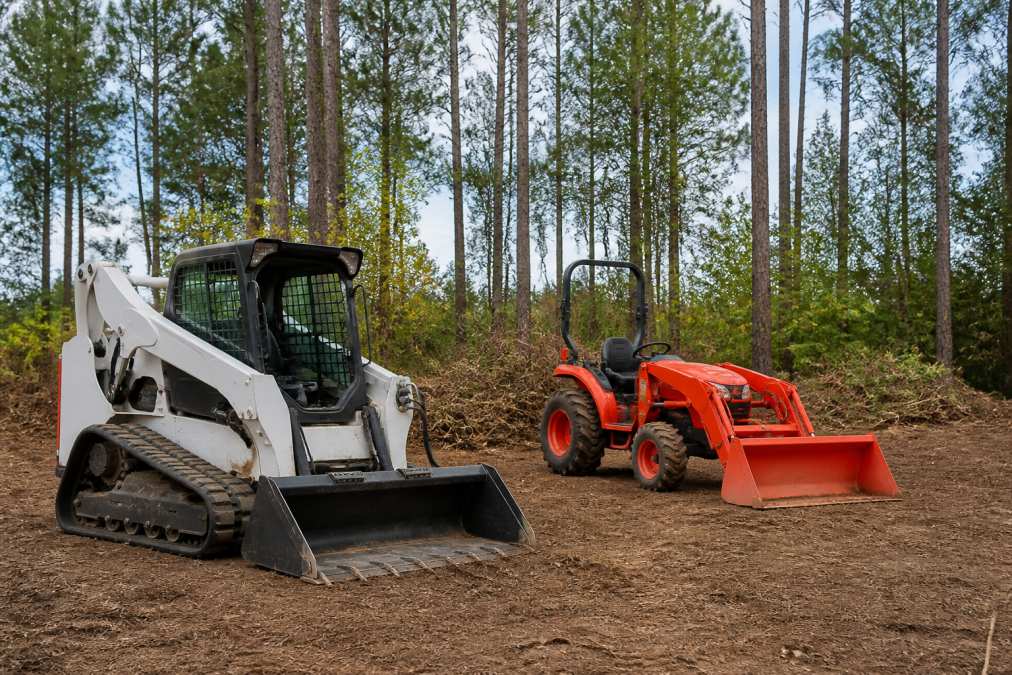
 how-to
Heavy Equipment for Small Acreage: 2026 Buying Guide
Table of Contents
- Match Horsepower and Machine Size to Your Acreage
- Compact Utility Tractors and Sub-Compact Tractors for Small Acreage
- Compact Tractor Attachments for Land Clearing
- How to Remove Heavy Brush on Small Acreage
- Skid Steers, Mini Excavators, and Utility Vehicles Compared
- Renting vs Buying Heavy Equipment for Homesteading
- Storage, Infrastructure, and Total Cost of Ownership
- Frequently Asked Questions
Last Updated: September 17, 2026
Match Horsepower and Machine Size to Your Acreage
The right size of heavy equipment for small acreage comes down to matching horsepower and machine width to your tasks, not acreage. A 25 to 40 horsepower sub-compact tractor handles most 2 to 10 acre properties; 40 to 60 horsepower compact utility tractors suit heavier ground engagement and larger pasture work.
| Acreage | Recommended Machine | Typical Horsepower | Primary Tasks |
|---|---|---|---|
| Under 5 acres | Sub-compact tractor | 20-25 hp | Mowing, light loader work, grading |
| 5-20 acres | Compact utility tractor | 30-50 hp | Tilling, brush cutting, hauling |
| 20+ acres | Utility tractor or skid steer | 50+ hp | Heavy ground engagement, land clearing |
USDA land management and small farm resources
Compact Utility Tractors and Sub-Compact Tractors for Small Acreage
Compact utility tractors (CUTs) are the workhorse category for small acreage; sub-compacts are their nimbler, lighter cousins. Both run diesel engines, use a 3-point hitch, and drive a PTO that powers rotary cutters, tillers, and more.
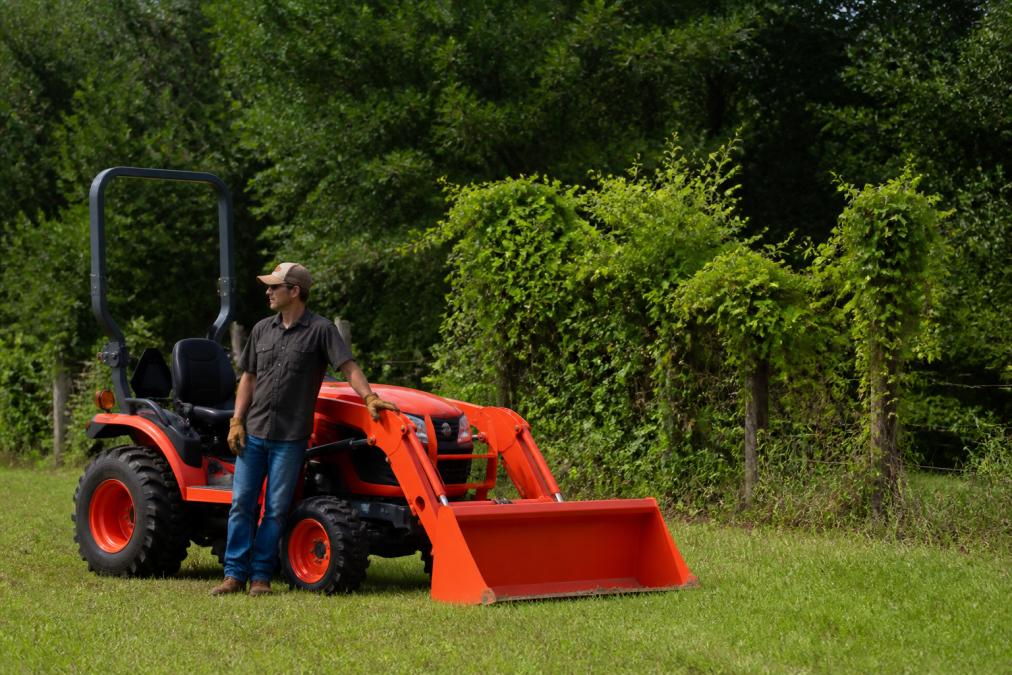
The differences matter more than the marketing suggests:
- Sub-compact tractors weigh less and fit tighter spaces. They're easier on turf and to trailer, but run out of traction and hydraulic flow on heavy ground engagement.
- Compact utility tractors carry more operating weight and torque, the extra weight is what lets a box blade cut instead of skipping across hard ground.
Compact Tractor Attachments for Land Clearing
Compact tractor attachments for land clearing fall into a few categories, and most owners end up with three or four rather than a full stable. The front-end loader is the foundation.
The core attachments and what each actually does:
- Front-end loader: Lifting, carrying, and loading debris, soil, and gravel. Quick attach systems let you swap the bucket for forks or a grapple in minutes.
- Box blade: Grading driveways and leveling ground. The ripper teeth break compacted soil before the blade smooths it.
- Rotary cutter (brush hog): Mowing tall grass, weeds, and light saplings. This is the first pass on overgrown pasture.
- Grapple: Root and brush removal. A root grapple on the loader lets you pull material out rather than just push it around.
- Backhoe: Digging stumps, trenches, and drainage. Slow, but it reaches where nothing else will.
How to Remove Heavy Brush on Small Acreage
Removing heavy brush on small acreage is a staged process, and trying to do it in one pass is where most DIY efforts fail. Heavy brush means rooted, woody growth a mower can't touch.
The proven sequence:
- Walk and flag the area. Mark stumps, rocks, fence posts, and anything the equipment shouldn't hit.
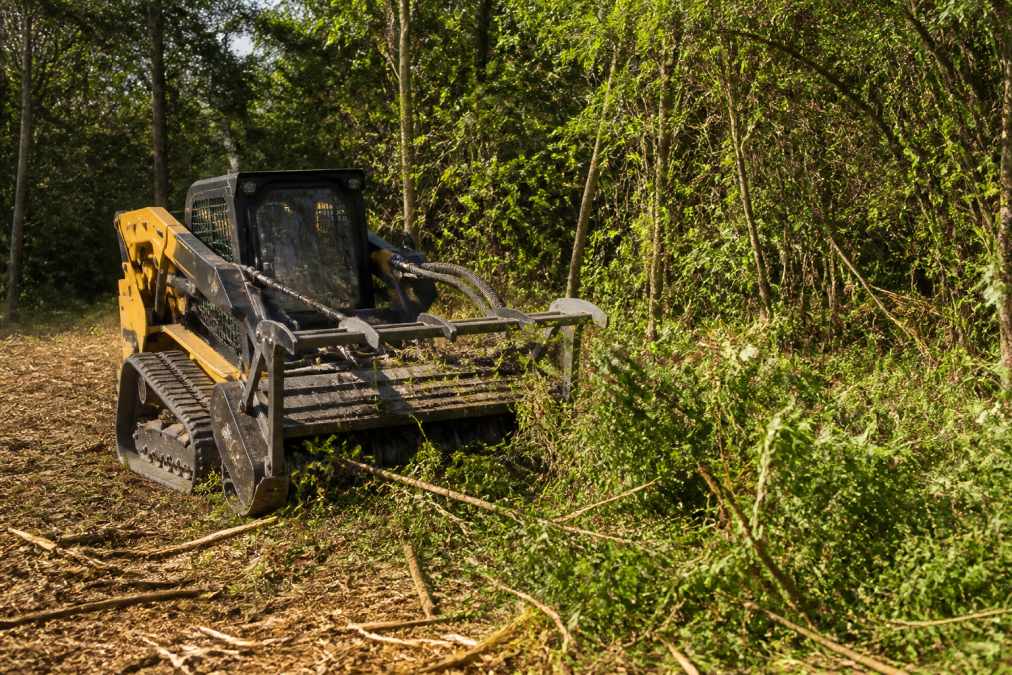
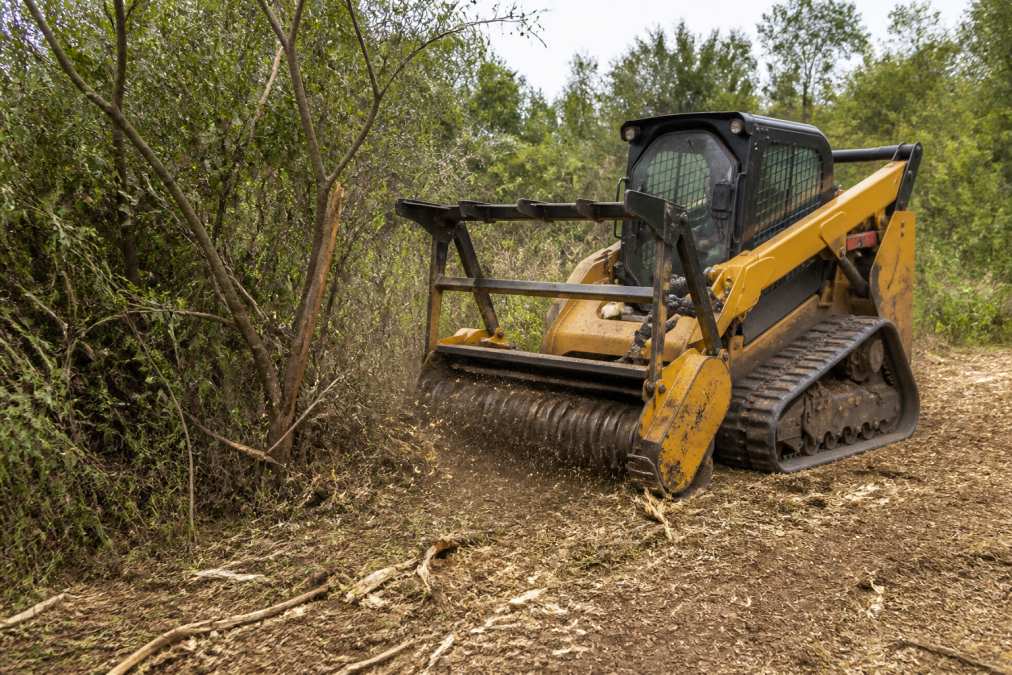
- Cut the standing brush. A rotary cutter or forestry mulcher knocks down the vertical growth first.
- Grind or pull the roots. A forestry mulcher grinds stumps and brush into mulch in place. A root grapple pulls them out if you need bare ground.
- Grade and level. A box blade smooths the surface and redistributes the mulch or topsoil.
- Maintain. Re-cut regrowth before it gets woody again.
NRCS guidance on soil health and erosion control
Skid Steers, Mini Excavators, and Utility Vehicles Compared
Skid steers, mini excavators, and utility vehicles each excel at different jobs, and none replaces a tractor. The useful comparison isn't a spec sheet, it's how each machine converts engine power into work on the ground.
| Machine | Best For | Strength | Limitation |
|---|---|---|---|
| Skid steer | Loading, grading, attachment variety | Zero-turn maneuverability, quick attach | Ruts soft ground, low ground clearance |
| Mini excavator | Digging, stumps, land clearing | Reach, precision, 360° swing | Slow material transport, needs trailering |
| Utility vehicle (UTV) | Hauling, transport, spraying | Payload capacity, speed over rough ground | No ground engagement, no PTO |
| Compact tractor | Mowing, tilling, mixed tasks | Versatility, PTO implements, 3-point hitch | Less nimble in tight quarters |
A practical decision sequence for small acreage:
- List the recurring tasks first. Mowing, snow, and pasture maintenance point to a tractor. One-time digging points to a rental excavator. Daily hauling points to a UTV.
- Count the hours per task per year. A machine that runs 20 hours a year rarely justifies ownership; one that runs 200 usually does.
- Check access. Measure gates, fence lines, and overhead clearance. A skid steer needs roughly 6 feet of width; a mini excavator on a trailer needs a pull-through or wide turnaround.
- Price the attachments, not just the machine. A skid steer's value is its quick-attach ecosystem, forks, grapples, augers, trenchers, breakers. If you only need one attachment, the machine is harder to justify.
Renting vs Buying Heavy Equipment for Homesteading
Renting vs buying heavy equipment for homesteading depends on how many hours you'll actually run the machine each year. Ownership makes sense once you use the equipment regularly rather than for one project.
The numbers to weigh honestly:
- Purchase price, financing, and insurance
- Storage: a shed or barn sized for the machine and implements
- Maintenance: fluids, filters, blades, tires, and eventual repairs
- Your own time: hauling, fueling, and upkeep
- Rental cost per day or week, plus delivery and fuel
Storage, Infrastructure, and Total Cost of Ownership
Total cost of ownership for heavy equipment on small acreage runs well beyond the sticker price, and storage is the line item buyers forget. The purchase price is often the smallest part of the first year, and the only one most plan for.
- Loan interest or the opportunity cost of cash tied up in the machine
- Insurance, a compact tractor or skid steer typically needs a homeowner policy rider or standalone inland-marine/equipment policy, especially if financed or used off your property
- Depreciation, tractors hold value well, but attachments and wear items depreciate faster
Operating costs (scale with hours):
- Diesel. Consumption tracks load, not just hours. Light mowing sips fuel; heavy ground engagement and PTO work burn far more. Track your own gallons-per-hour over the first season rather than trusting a brochure.
- Maintenance. Engine oil, hydraulic fluid, filters, grease, and blade sharpening on a schedule. Diesel engines reward consistent service and punish neglect, a missed hydraulic filter change can cost more than a year of oil changes.
- Wear items. Tires, cutting blades, bucket edges, and hydraulic hoses are consumables.
- Repairs. Budget a reserve for the unexpected; older, high-hour machines need more of it.
Storage and infrastructure:
- A covered structure with a concrete or gravel floor. Gravel is cheaper and drains well; concrete is easier to sweep and better for creepers and jacks.
- Door height and width sized for the machine with the loader raised and for any cab you might add later. This is the most common sizing mistake, buyers build for the machine they have, not the one they'll upgrade to.
- Room to maneuver implements in and out, plus a place to park them. A rotary cutter, box blade, and grapple take up real floor space.
- Security. Equipment theft is a real risk on rural property; a lockable building, wheel locks, and a battery disconnect are cheap insurance.
- Climate considerations. Freeze protection for the cooling system and fuel gelling treatment in cold months; ventilation and pest control year-round.
Your own time:
- Hauling, fueling, greasing, and upkeep are real hours. If you'd rather not spend them, that's a legitimate reason to rent or contract instead of own.
OSHA safety guidance for heavy equipment operation
Frequently Asked Questions
What size compact tractor do I need for 5 acres?
For 5 acres, a compact utility tractor in the 25 to 35 horsepower range with a category 1 3-point hitch handles most tasks: mowing, grading, and light loader work. If you plan to run a rotary cutter through thick brush or use a backhoe, lean toward 35 horsepower and confirm the PTO output matches the implement's requirement. Sub-compact tractors under 25 horsepower work for mowing and hauling but run out of hydraulic flow on ground engagement tasks.
Is it better to rent or buy heavy equipment for small acreage?
Renting makes sense for one-time jobs like a single land-clearing pass or a trenching project you will not repeat. Buying pays off when you use the machine several times a year for mowing, hauling, grading, and snow or brush work. Factor in storage, insurance, maintenance schedule, and depreciation. A middle path: buy the tractor and rent the specialized attachments you only need once.
What safety precautions are necessary when operating heavy equipment on small plots?
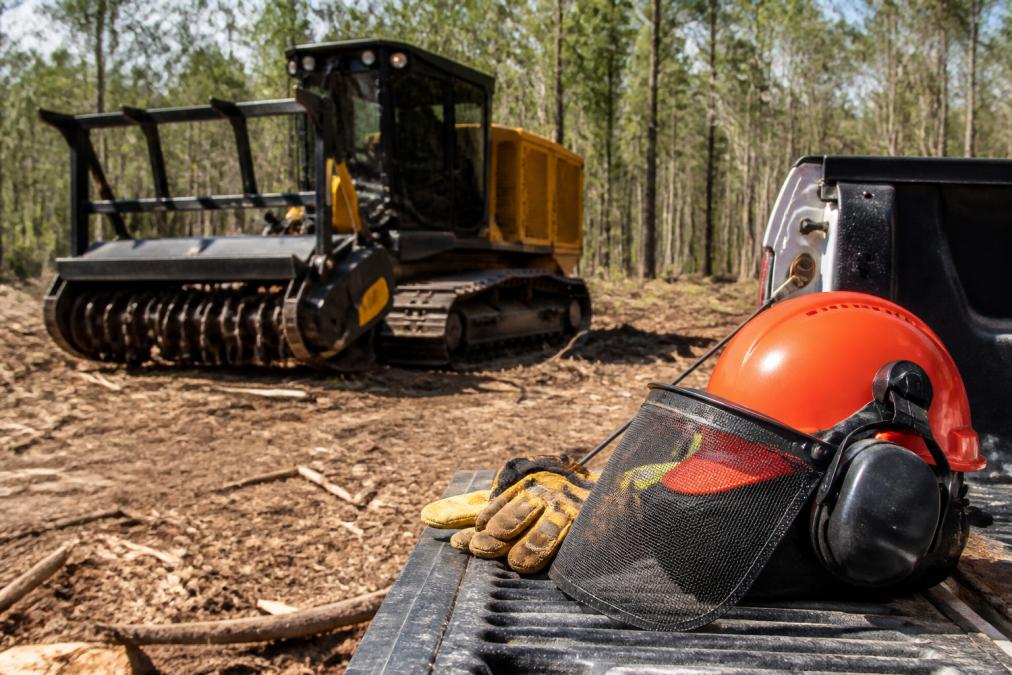
On small acreage, tight quarters raise the risk. Keep the loader low when moving, watch for overhead limbs, and never operate on slopes steeper than the machine's rated limit. Wear the seatbelt, engage the ROPS, and keep bystanders well clear of the swing radius. Check hydraulic lines for leaks before each use, and shut off the engine before clearing jammed material from a rotary cutter or brush hog.
Will heavy equipment compact my soil or damage the topsoil?
Soil compaction happens when heavy machines run repeatedly over wet ground. On small acreage, the fix is timing and tire choice: work when soil is dry, use turf or radial tires instead of aggressive bar treads, and vary your paths. A mini excavator or compact tractor with low ground pressure does far less damage than a full-size skid steer. If you are clearing brush, forestry mulching leaves the root mat and topsoil largely intact.
Managing small acreage is a constant negotiation between the work your land demands and the equipment that can realistically do it. SemperFi Land Clearing LLC removes that guesswork with veteran-owned precision, free land assessments, and specialized forestry mulching and 10-foot fence line clearing built for overgrown East Texas properties. Get an estimate from SemperFi Land Clearing LLC and clear the land without buying a machine you'll only use once.